Yokohama's food reflects its history as a treaty port. Chinese traders, foreign residents and Japanese cooks borrowed from each other, and the city ended up with its own dishes, from a distinctive ramen to Western-influenced sweets and beers. Eating here is easy, affordable and fun, and the best meals often come from small counters rather than famous restaurants.
Chinatown
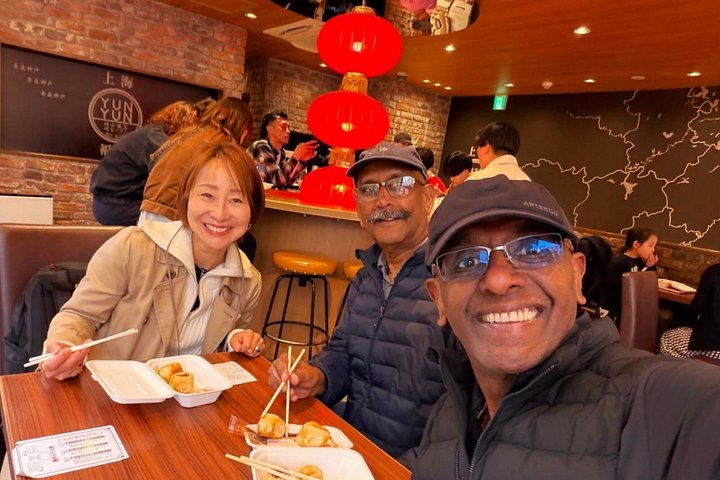
Japan's largest Chinatown is the obvious starting point. Graze on pork buns, fried sesame balls, dumplings and candied fruit skewers, then sit down for noodles, fried rice or a banquet-style meal. The dishes lean toward Cantonese and Shanghai styles, and the sweets are a highlight. A guided street food walk helps you find the better stalls and avoid the long queues. Beware of all-you-can-eat deals aimed at tourists, which can be heavy and uneven.
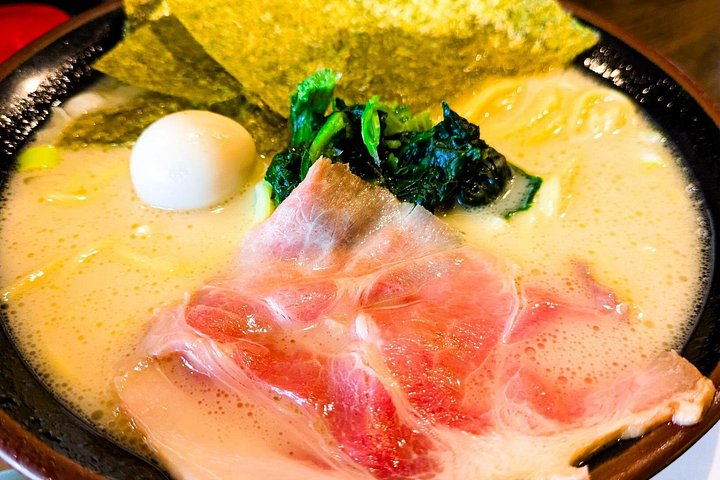
Iekei ramen
The city's own style of ramen is rich, with a pork bone and soy broth, thick straight noodles, spinach, seaweed and a slice of pork, usually eaten with a side of rice. You can adjust the noodle firmness, the soup strength and the oil, which is part of the fun. Shops cluster around major stations, and a guided tasting tour explains the order and the etiquette. For a broader look at the noodle world, add the Ramen Museum in Shin-Yokohama and the Cup Noodles Museum near the harbor.
Western-style classics
Yokohama introduced many foods to Japan, including ice cream, bread and beer, and some old-style cafes and restaurants still serve classic dishes such as naporitan spaghetti, with ketchup sauce, and curry rice. These are comfort foods in Japan and a fun contrast with sushi and ramen. Bakeries and cake shops in Motomachi sell elegant pastries, and traditional tearooms serve afternoon tea in the Western style.
Seafood and sushi
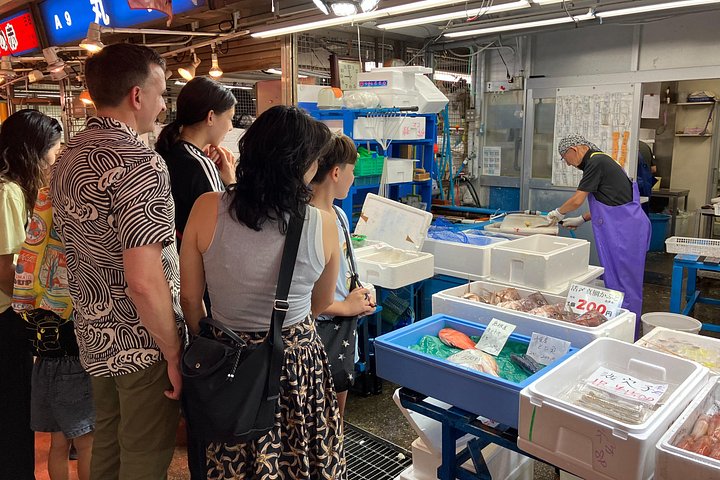
As a port city, Yokohama has excellent seafood. Sushi counters range from affordable conveyor-belt places to refined chef-run restaurants, and a morning at the fish market with a licensed guide teaches you what to look for. Seafood bowls and grilled fish lunches are popular around the harbor. If you have dietary restrictions such as no shellfish, tell the staff clearly, since many dishes use seafood stock.
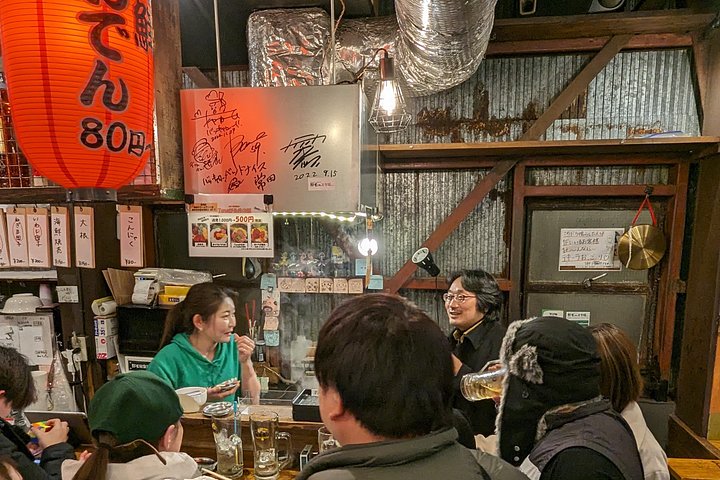
Izakaya and Noge
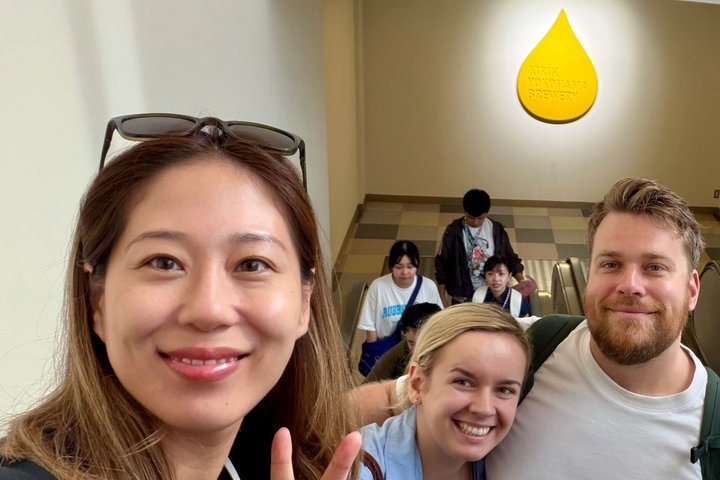
In the evening, head to Noge, where tiny bars and counters serve grilled skewers, sashimi, fried chicken and cold beer. A guided bar-hopping tour helps you navigate the lanes and the menus. Etiquette is simple: order a drink and a dish at each stop, expect a small seating charge at some bars and keep conversations friendly. Craft beer has a strong tradition in the city, so look for local breweries and taprooms near Kannai.
Practical tips
Many restaurants close one day a week, often Monday or Tuesday, and some close between lunch and dinner, so check hours. Reserve for popular dinner spots on weekends. Tipping is not expected. Look for plastic food displays and ticket machines at casual places, and use photo menus if you cannot read the Japanese. Vegetarian and halal options exist but are limited, so plan ahead and use restaurant search tools. Water is free and safe to drink almost everywhere.
A one-day eating plan
Start with a Western-style breakfast at a Motomachi cafe, snack in Chinatown at midday, have iekei ramen as an afternoon meal, and finish with izakaya in Noge. Share dishes whenever you can, so you taste more, and leave room for dessert. If you only have time for one meal, make it Chinatown at a sit-down restaurant, followed by a stroll to the harbor.
Sweets, coffee and tea
Yokohama has a long tradition of cafes and bakeries, partly because foreign residents brought coffee and bread in the nineteenth century. Motomachi is the best place to browse for cakes, cookies and chocolate, and many shops package gifts beautifully. Chinatown offers bubble tea, mango pudding and sesame sweets, while traditional Japanese confectioners sell seasonal wagashi. For a quiet break, find a cafe near the harbor and watch the ships go by. Coffee in Japan is usually strong and served in small cups, so ask for a larger size if you need it.
Finally, try seasonal specialities. Spring brings strawberry sweets and fresh bamboo shoots, summer brings chilled noodles and shaved ice, autumn brings chestnuts and sweet potatoes, and winter brings hotpots and oysters. Seasonal menus are often posted at the entrance, and ordering the special is usually a good idea.