Yosemite can be visited on almost any budget, but the costs and logistics changed in 2026, especially for international visitors. Here is what you need to know about fees, passes and transportation, plus practical ways to save.
Entrance fees in 2026
The National Park Service charges $35 per private vehicle for a seven-day pass, $30 per motorcycle and $20 per person for visitors on foot, bicycle or horseback; children 15 and under are free. A Yosemite annual pass costs $70 and covers a year of entry to this park. The America the Beautiful pass, valid at national parks and other federal sites, costs $80 for U.S. residents, with discounted or free versions for seniors, the military, fourth graders and people with permanent disabilities. Yosemite does not accept cash at entrance stations; bring a card or use mobile payment.
The nonresident fee
Since January 1, 2026, visitors who are not U.S. residents and are 16 or older pay an additional $100 per person on top of the standard entrance fee. The charge does not apply if you enter on an annual or America the Beautiful pass; the nonresident America the Beautiful pass costs $250 and covers the vehicle with no per-person fee. The NPS notes that the nonresident fee also applies to people on commercial or concessioner tours. For an international family or group visiting several national parks, the nonresident annual pass is often the better value. Check the NPS fees page before your trip, as rules can change.
Reservations
Yosemite did not require day-use or peak-hours entry reservations in 2026. Campgrounds and many lodgings do require reservations, the Half Dome cables need a permit when they are up, and wilderness trips need permits. Watch for announcements about 2027 entry rules. Free entrance days for U.S. residents in 2026 included Veterans Day, November 11.
Getting there by car
Most visitors drive. From San Francisco and the Bay Area, the trip takes around four hours to the valley via Highway 120 or Highway 140. From Los Angeles, allow about six hours via Highway 41 and the South Entrance. Fresno is the closest major airport to the South Entrance; Merced has a small airport and an Amtrak station on the Highway 140 corridor. In winter, carry chains and check the NPS road conditions line before setting out.
YARTS and Amtrak
The Yosemite Area Regional Transportation System runs fee-based buses into the valley. The Highway 140 route from Merced, Mariposa, Midpines and El Portal runs all year; the Highway 120 West route from Sonora and Groveland and the Highway 41 route from Fresno, Oakhurst and Fish Camp operate in summer; and the Highway 120 East route from Mammoth Lakes and Lee Vining runs in midsummer when Tioga Road is open. Amtrak sells combined train and bus tickets via Merced. YARTS does not store luggage, so pack light. The bus stops at Curry Village, Yosemite Village and Yosemite Valley Lodge.
Getting around the park
Inside the valley, the free shuttle runs from 7am to 10pm, linking lodges, campgrounds and trailheads. In winter, a free shuttle runs from the valley to Badger Pass when the ski area is open. The Mariposa Grove shuttle runs from the Welcome Plaza near the South Entrance through November 30 in 2026. In summer, fee-based buses run to Glacier Point and Tuolumne Meadows. The Conservancy's bike share offers free bikes for short rides in the valley.
Guided day trips
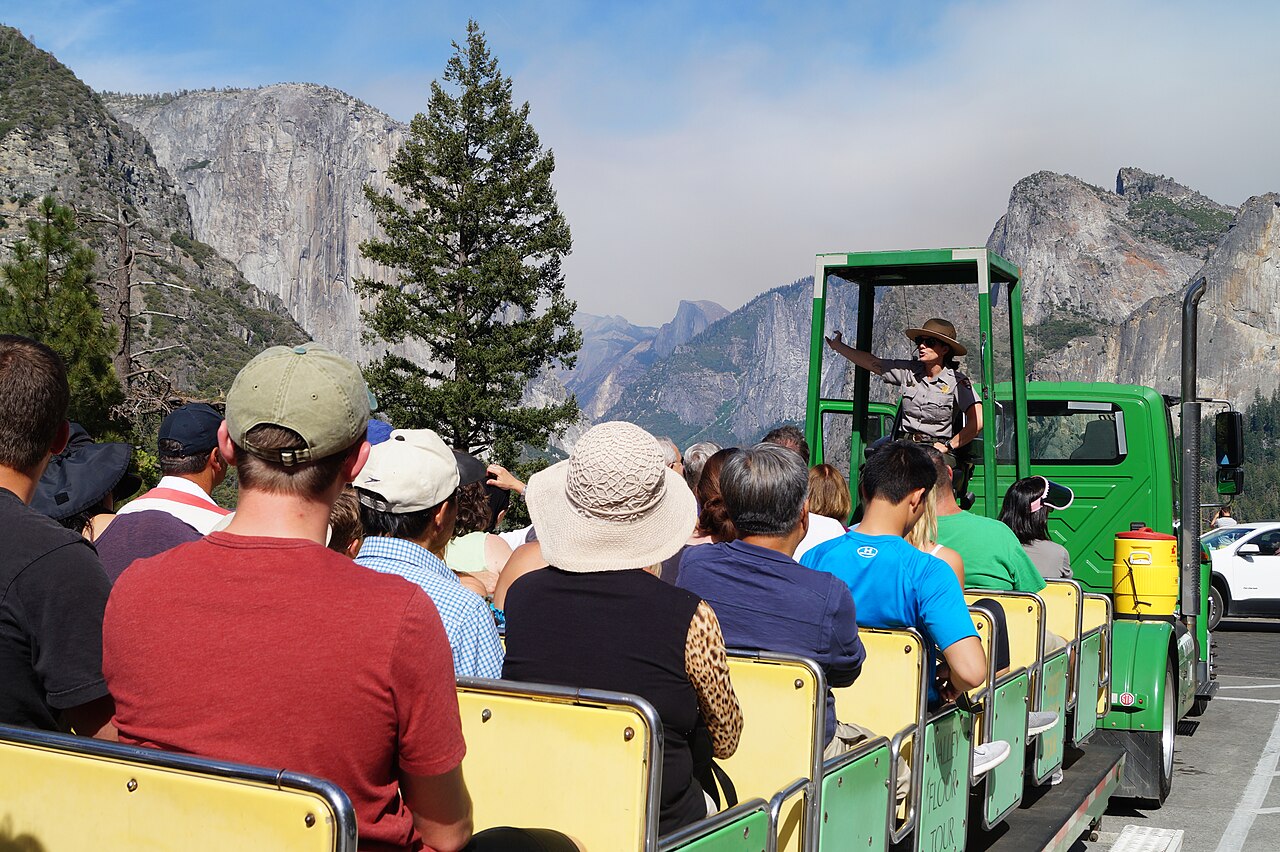
Travelers without a car can join a guided day trip from San Francisco, such as the Tiqets-listed full day that includes park entrance, a narrated valley tour and free time near Yosemite Falls. It is a 15-hour day, nonrefundable, and best for those who only have one day. Inside the park, the Valley Floor Tour is a two-hour orientation that works especially well in winter.
Budget tips
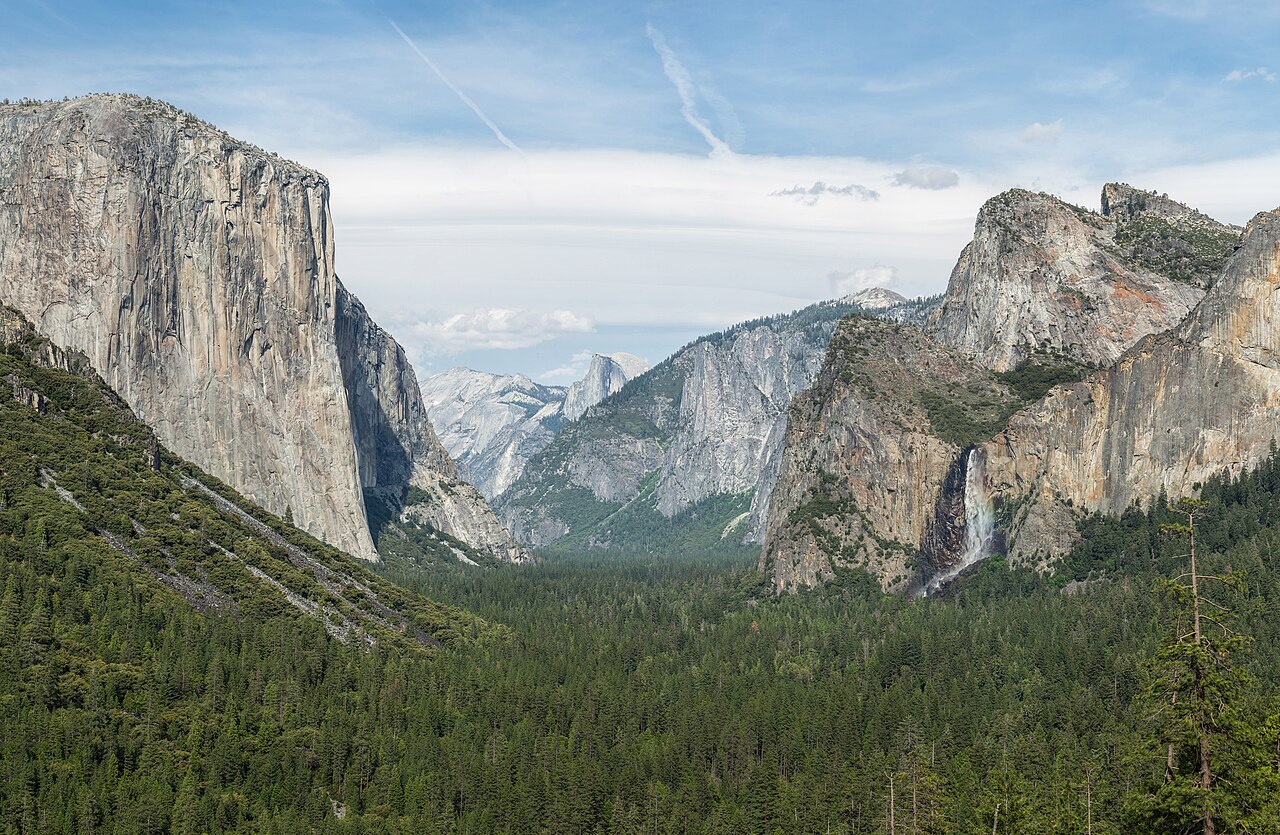
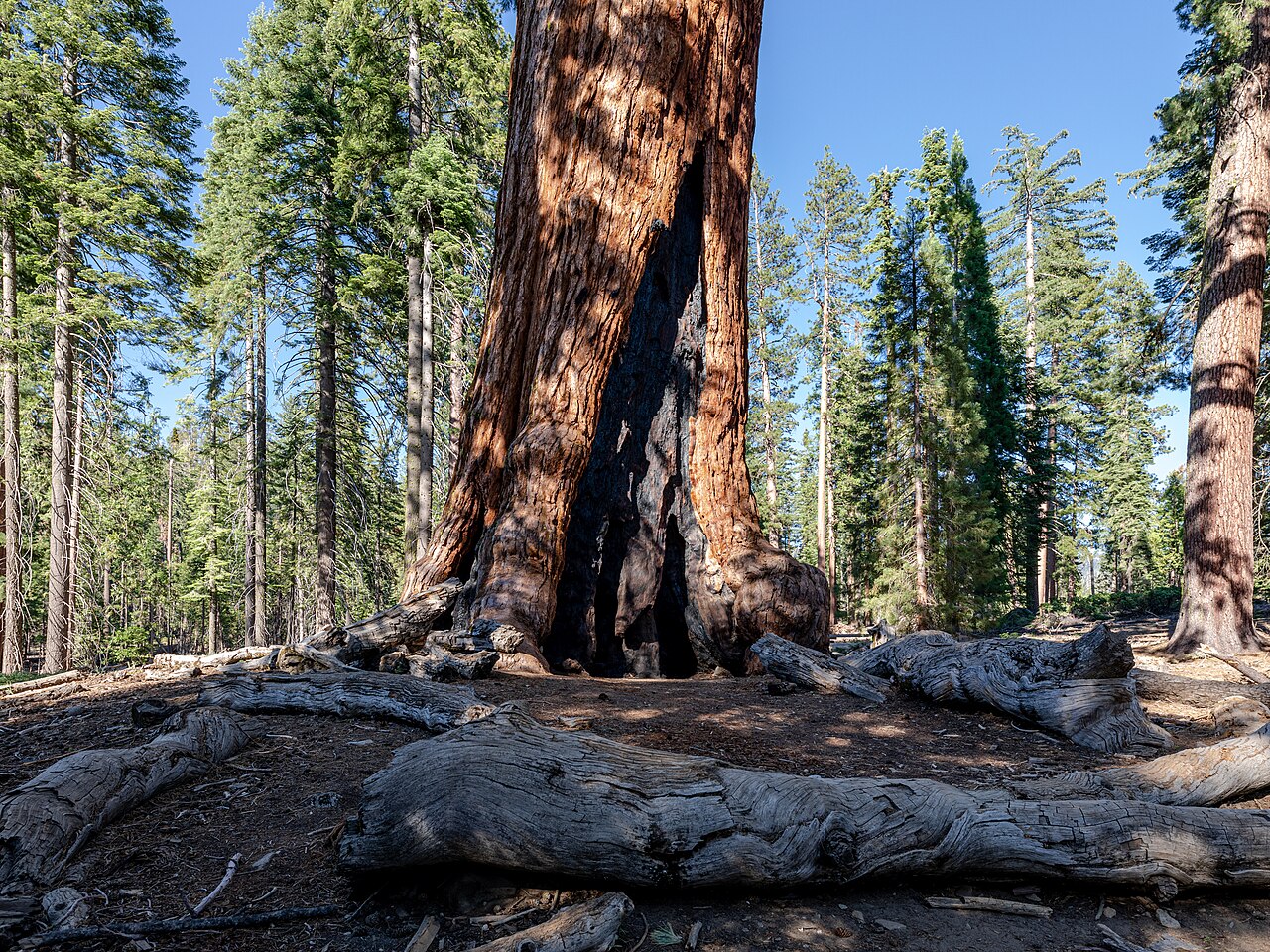
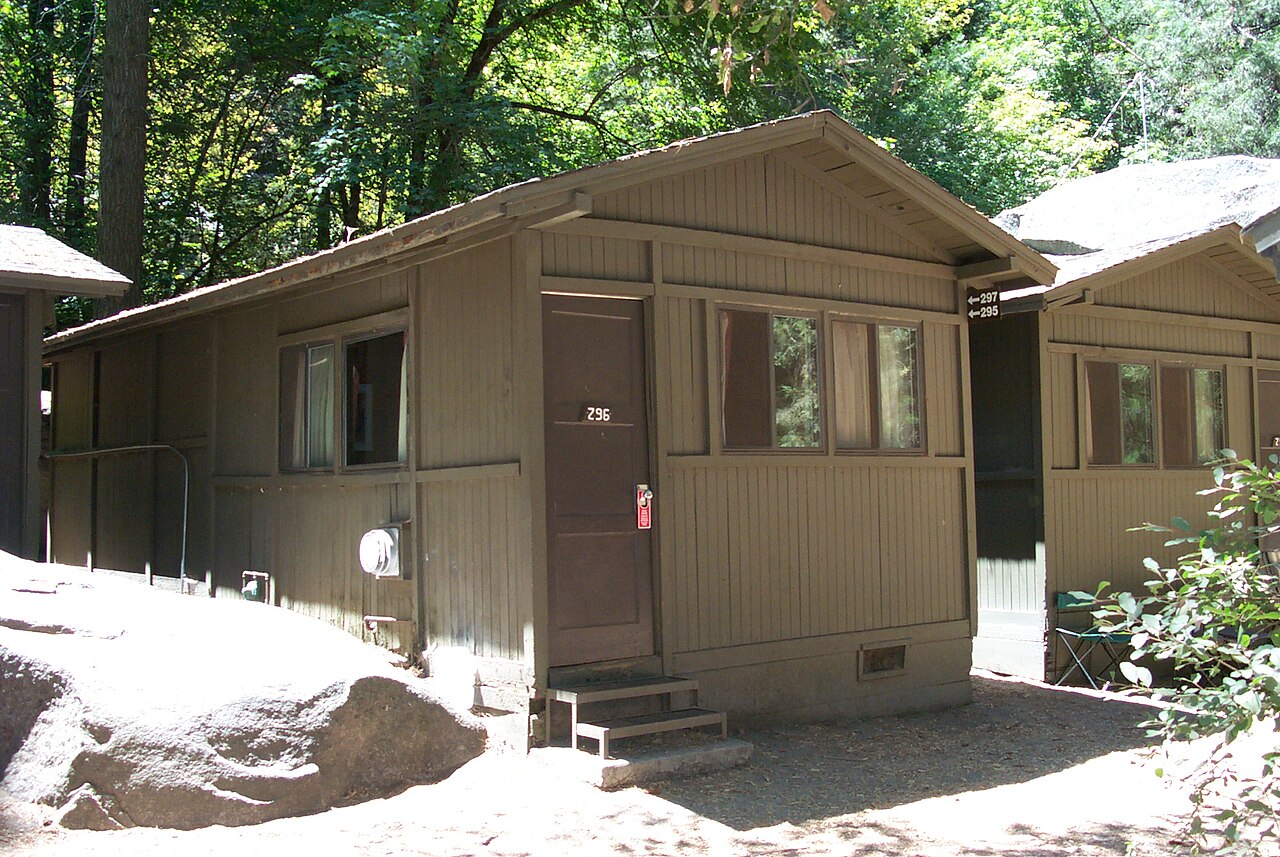
Visit midweek and outside summer and holiday periods, when lodging is cheaper and crowds smaller. Stay in Curry Village tent cabins or gateway-town motels instead of valley lodges. Bring a cooler and picnic supplies, and remember that all food must be stored in bear lockers. Use the free shuttle instead of driving within the valley. Many of the best experiences — Tunnel View, Yosemite Falls, El Capitan Meadow, the Mist Trail and the sequoia groves — are free with your entrance pass. If you plan to visit several national parks within a year, an annual pass pays for itself quickly.
Reduced staffing and services
The Conservancy warned that staffing would be reduced in 2026, with longer entrance lines and some restrooms closed or serviced less often. Pack hand sanitizer and patience, and check the NPS conditions page for updates on services and closures.
A sample budget mindset
The fixed costs are simple — one entrance pass per vehicle for the week, plus the nonresident charge if it applies — and everything else scales with your choices. The biggest variable is lodging, followed by meals and fuel for the drives between the gateway towns and the valley. Splurges worth considering are a night or a dinner at the Ahwahnee, a Valley Floor Tour on day one and a lesson at Badger Pass for first-time skiers; almost everything else that makes Yosemite famous costs nothing beyond the entrance fee and a pair of good shoes.