Yosemite is a place where water and light do the work. The granite walls are the stage, but the waterfalls and the changing light make each visit different. Understanding when the falls run and where the light falls at each time of day will help you see — and photograph — the park at its best.
How Yosemite's waterfalls work
Almost all of the park's waterfalls are fed by snowmelt, so their flow depends on the winter snowpack and the warmth of spring. The NPS describes spring, usually May and June, as peak waterfall season, when Yosemite Falls, Bridalveil, Vernal and Nevada roar. By late summer, many falls dwindle; some, including Yosemite Falls, can be a trickle or dry by August. Autumn storms can revive them, and frost often forms along their edges on winter nights.
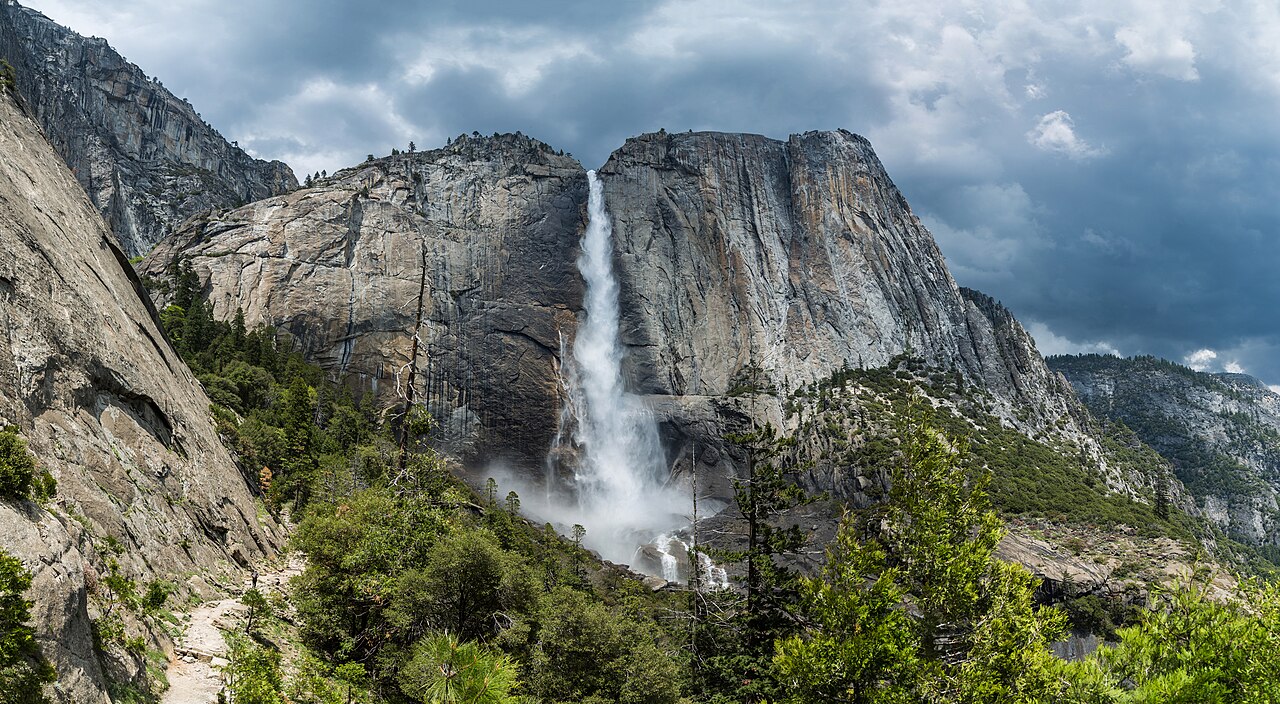
Yosemite Falls
At 2,425 feet in three tiers, it is the tallest waterfall in North America, flowing roughly from November to July with a May peak. Photograph it from Cook's Meadow and Sentinel Bridge for reflections and context, from the base of the lower fall for spray and power, or from Columbia Rock on the upper trail for a dramatic angle. In winter, look for the ice cone at the base of the upper fall, and in spring, the mist at the lower fall can create rainbows.
Bridalveil Fall
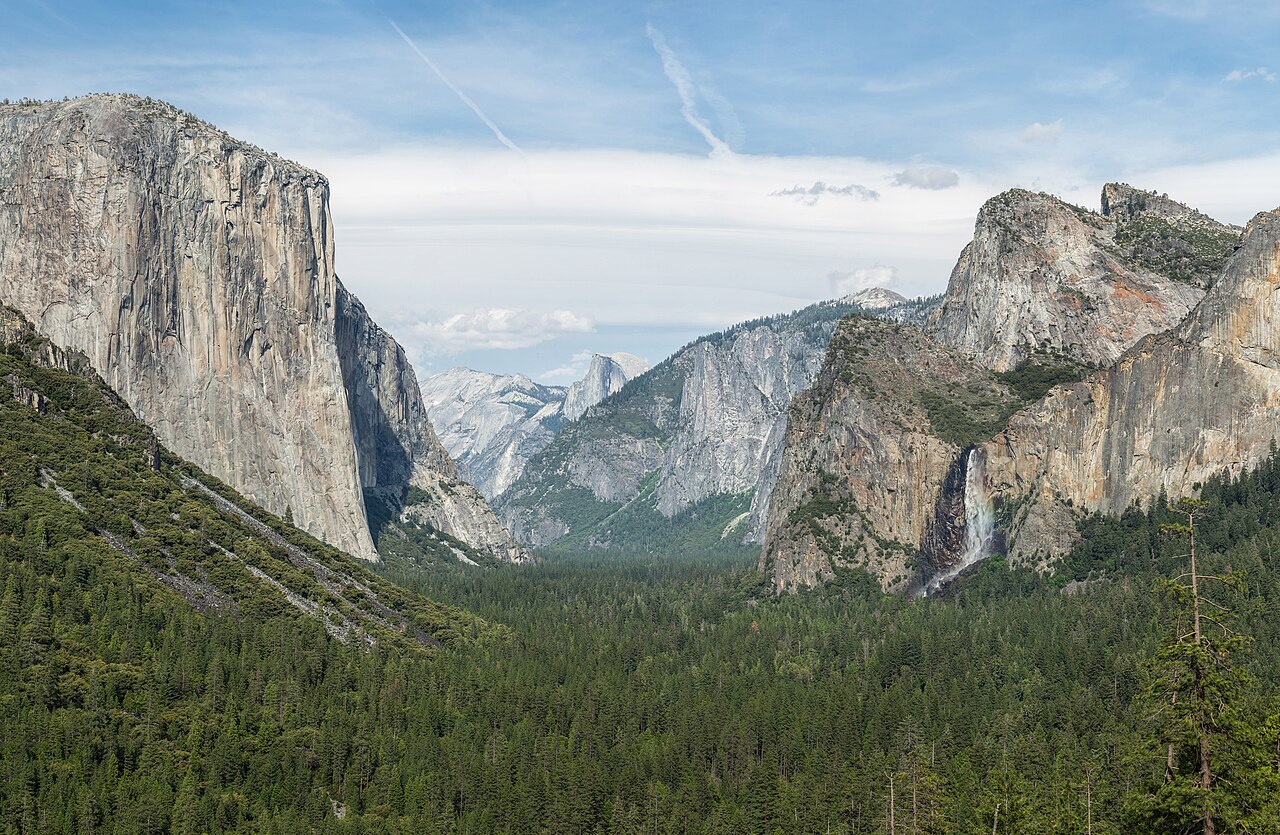
Around 620 feet high and flowing all year, Bridalveil is visible from Tunnel View and from the short trail to its base. Afternoon light brings rainbows in the spray in spring and early summer, and in late summer and fall the fall turns to a wind-blown veil. The classic Tunnel View composition includes Bridalveil on the right, El Capitan on the left and Half Dome in the distance.
Vernal and Nevada Falls
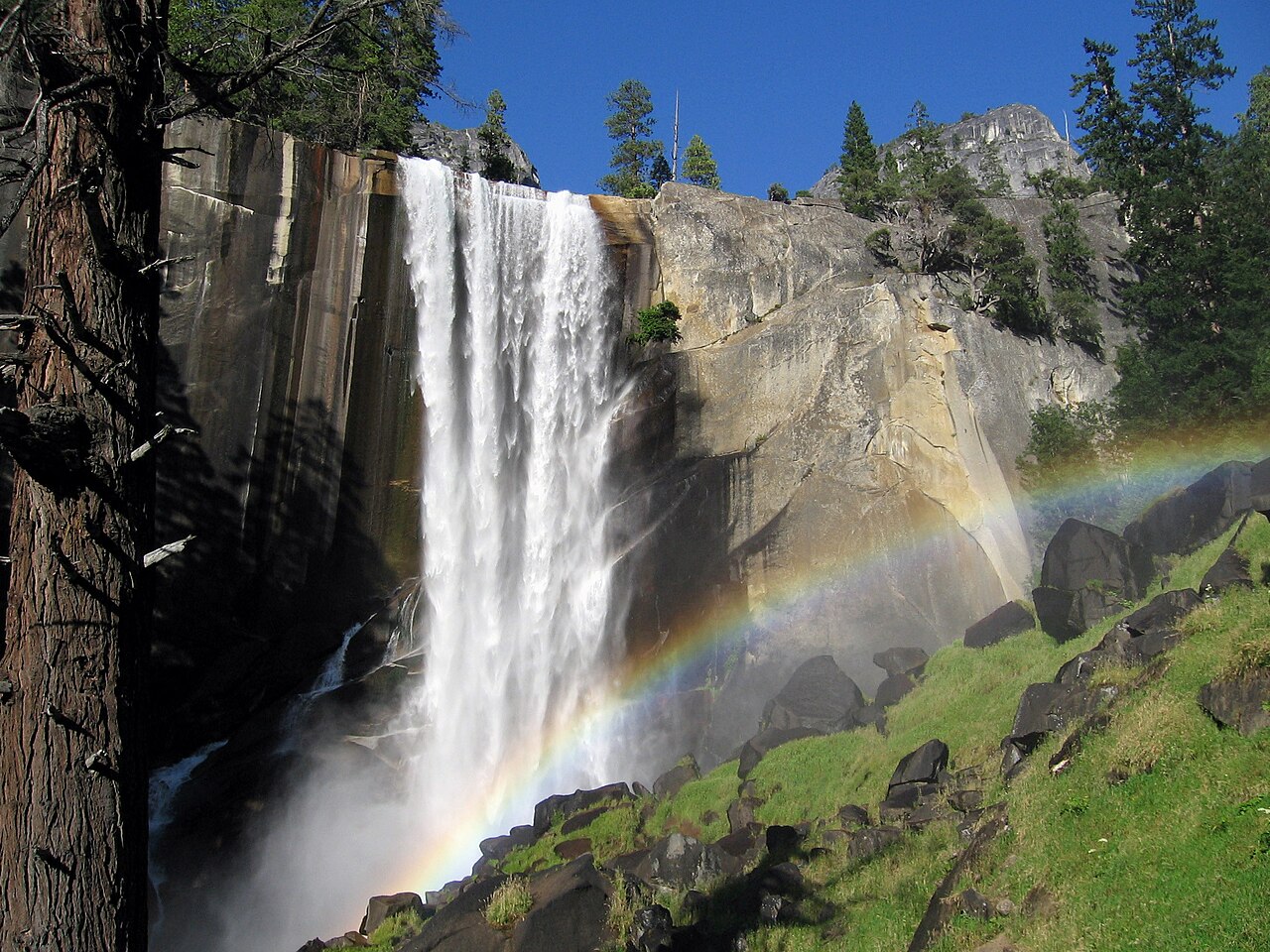
Vernal Fall, 317 feet, and Nevada Fall, 594 feet, form a staircase on the Merced River. Photograph them from the Vernal Fall footbridge, the Mist Trail steps (protect your gear from spray in spring), Clark Point on the John Muir Trail, or from Glacier Point when the road is open. In late summer, Vernal can narrow to one to three strands.
Horsetail Fall and the Firefall
Horsetail Fall flows down the east side of El Capitan roughly from December to April. In mid-to-late February, on clear evenings when the fall is flowing, the setting sun lights it orange and red, creating the famous Firefall effect. It is best seen from just east of El Capitan, and the NPS may apply viewing restrictions, so check before you go.
Ribbon Fall and the ephemeral falls
Ribbon Fall, about 1,612 feet, is the tallest single drop in the valley, flowing roughly March to June and visible from the road just past the Bridalveil turn. In wet springs, numerous smaller falls appear along the valley walls. At Hetch Hetchy, Wapama and Tueeulala Falls are spectacular in spring.
The classic viewpoints
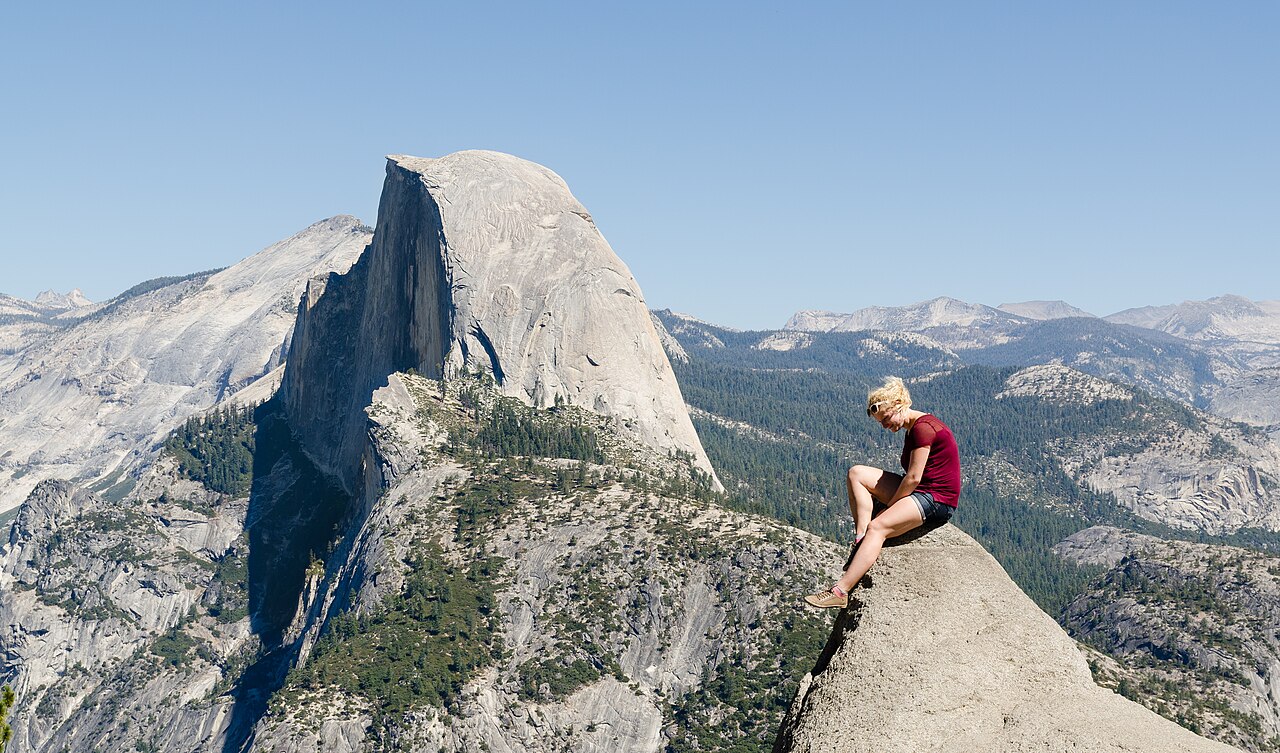
Tunnel View is the iconic panorama, best in the morning, late afternoon and after storms. El Capitan Meadow and the bridges over the Merced give classic views of El Capitan, Cathedral Rocks and Half Dome, with reflections in calm water. Valley View, near the western end of the valley, frames El Capitan and Bridalveil over the river. Glacier Point, when open, offers sweeping views of Half Dome, the high country and Vernal and Nevada Falls, with sunrise and sunset both spectacular. Sentinel Bridge offers a classic reflection of Half Dome at sunset, and Mirror Lake reflects Mount Watkins and Half Dome when water levels allow.
Light through the day
Morning light illuminates the north faces and El Capitan from the side, with mist rising from meadows in cool weather. Midday light is harsh, better for forest scenes and waterfalls in shade. Late afternoon warms El Capitan, Bridalveil and Yosemite Falls, and sunset turns Half Dome pink from the valley floor. Night skies are dark in the high country and along the valley meadows, with stars above the granite.
Seasons for photographers
Spring brings full waterfalls, dogwood blooms and green meadows. Summer opens Glacier Point and the high country but brings haze and crowds; smoke from fires or prescribed burns can affect visibility. Fall brings golden oaks, low water and soft light. Winter offers snow-dusted cliffs, clearing storms and the Horsetail Fall Firefall.
Ethics and safety
Stay on trails and boardwalks, especially in meadows. Do not climb on wet rocks near waterfalls or cross barriers for a better angle — people have died doing so. Respect closures and other visitors at popular viewpoints. Use the free shuttle to reach crowded spots, and arrive early for sunrise. Carry a headlamp for dawn and dusk shoots, and dress warmly in the cold months. With a little planning and patience, Yosemite rewards photographers in every season.
A simple shot list for a first trip
Tunnel View in morning or late-afternoon light; Bridalveil Fall from the base with spray backlit; El Capitan from the meadow with climbers picked out by a long lens; Yosemite Falls reflected in a spring pool in Cook's Meadow; Half Dome glowing pink from Sentinel Bridge; the Grizzly Giant in the Mariposa Grove with people for scale; and, in winter, skaters at Curry Village under the cliffs. In summer and fall, add sunrise or sunset at Glacier Point. Leave space for the unplanned frame — fog lifting off the Merced, a coyote in a frosted meadow, or snow falling on the Ahwahnee lawn.