Where you sleep is the most important decision you will make for a Yosemite trip. The park is large, and the drive from some gateway towns to Yosemite Valley takes an hour or more each way. Choosing the right base saves hours, makes early starts and sunsets possible, and shapes the kind of trip you will have. Here is how to decide.
Inside Yosemite Valley
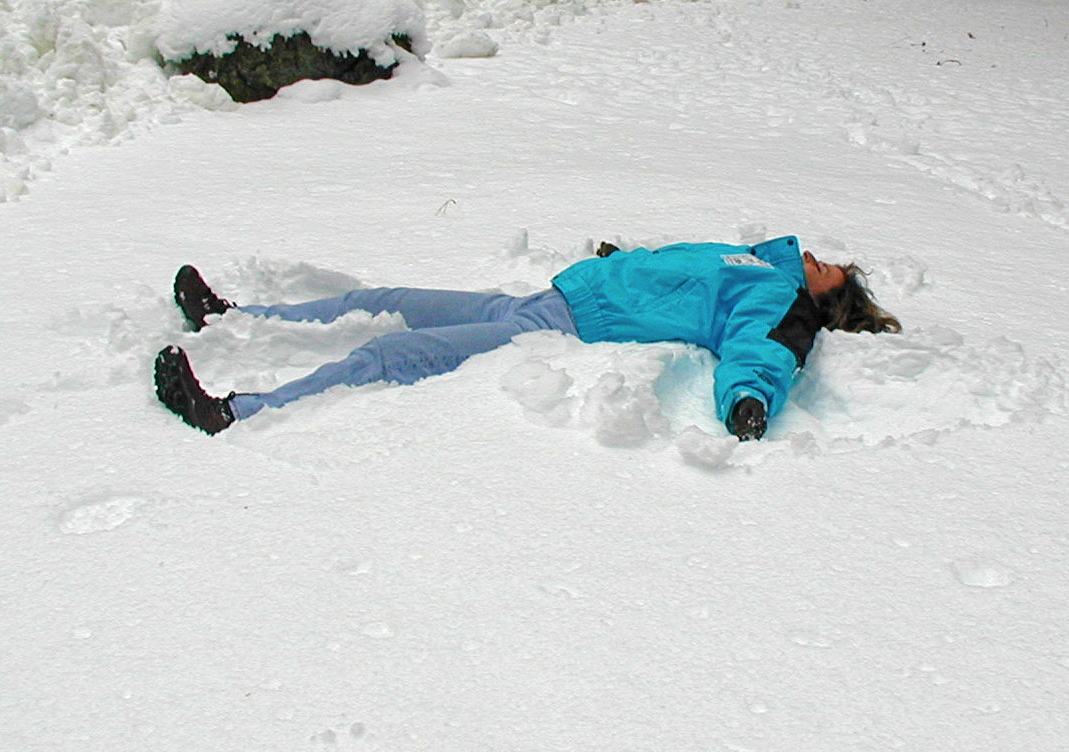
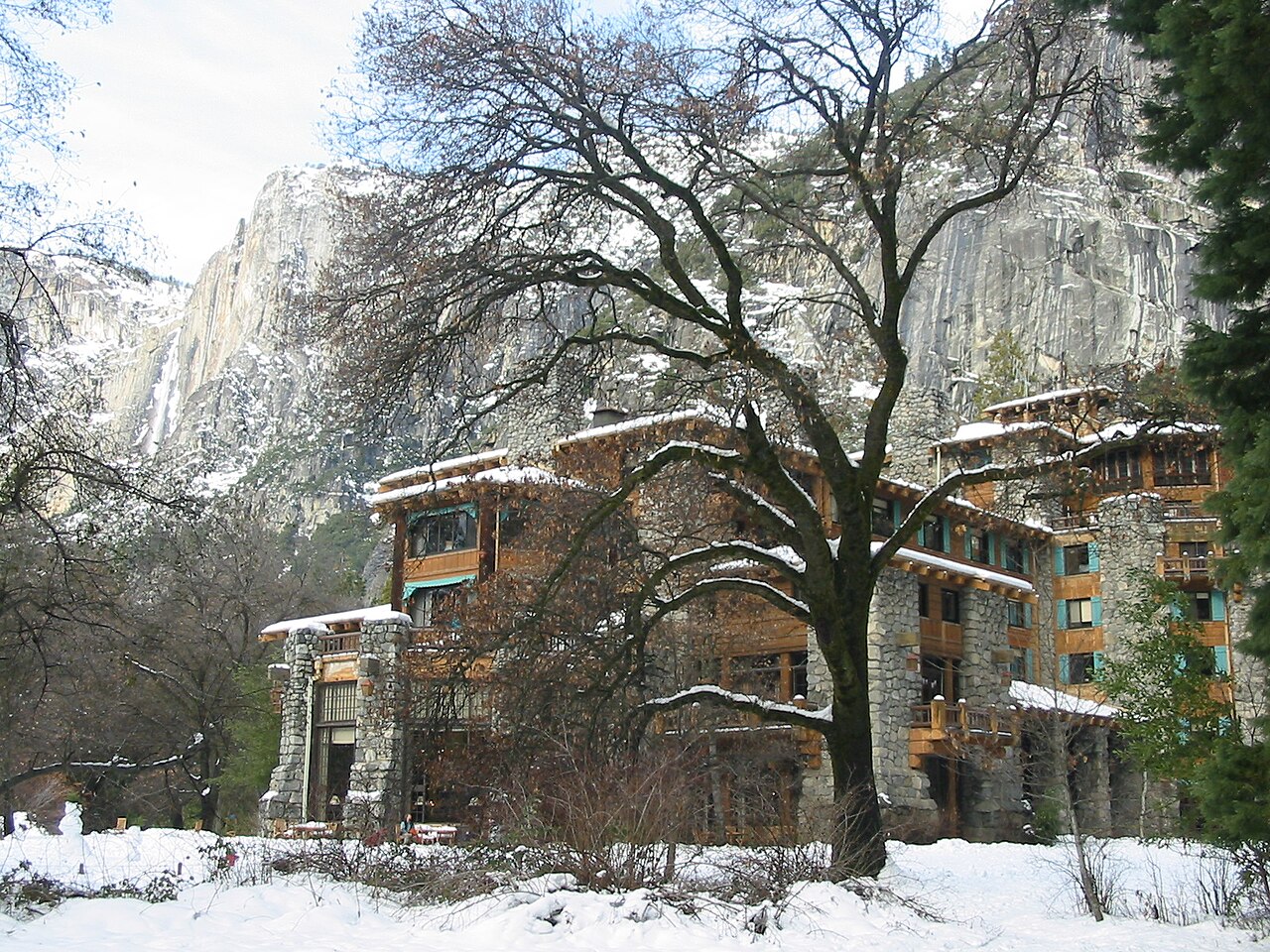
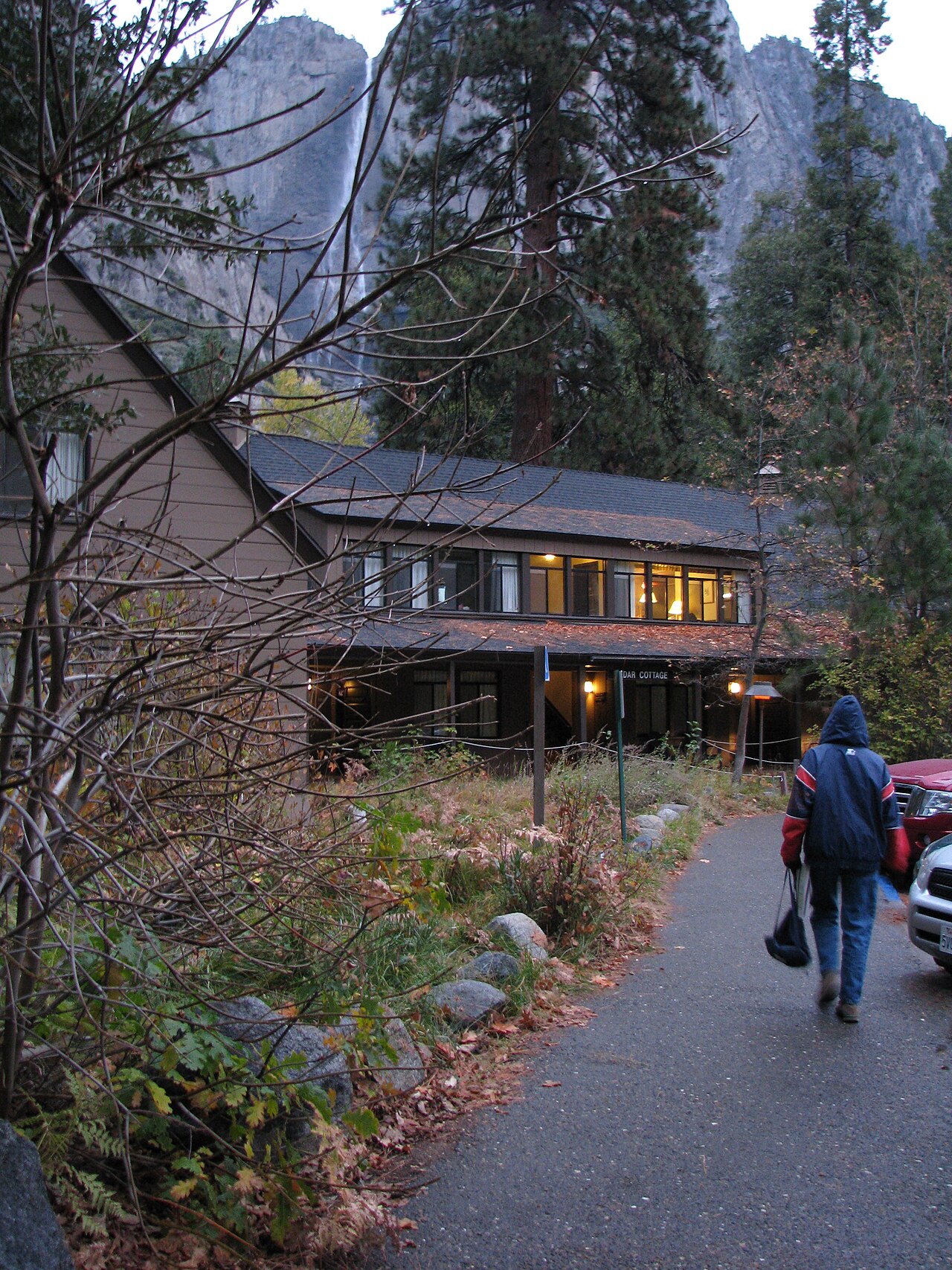
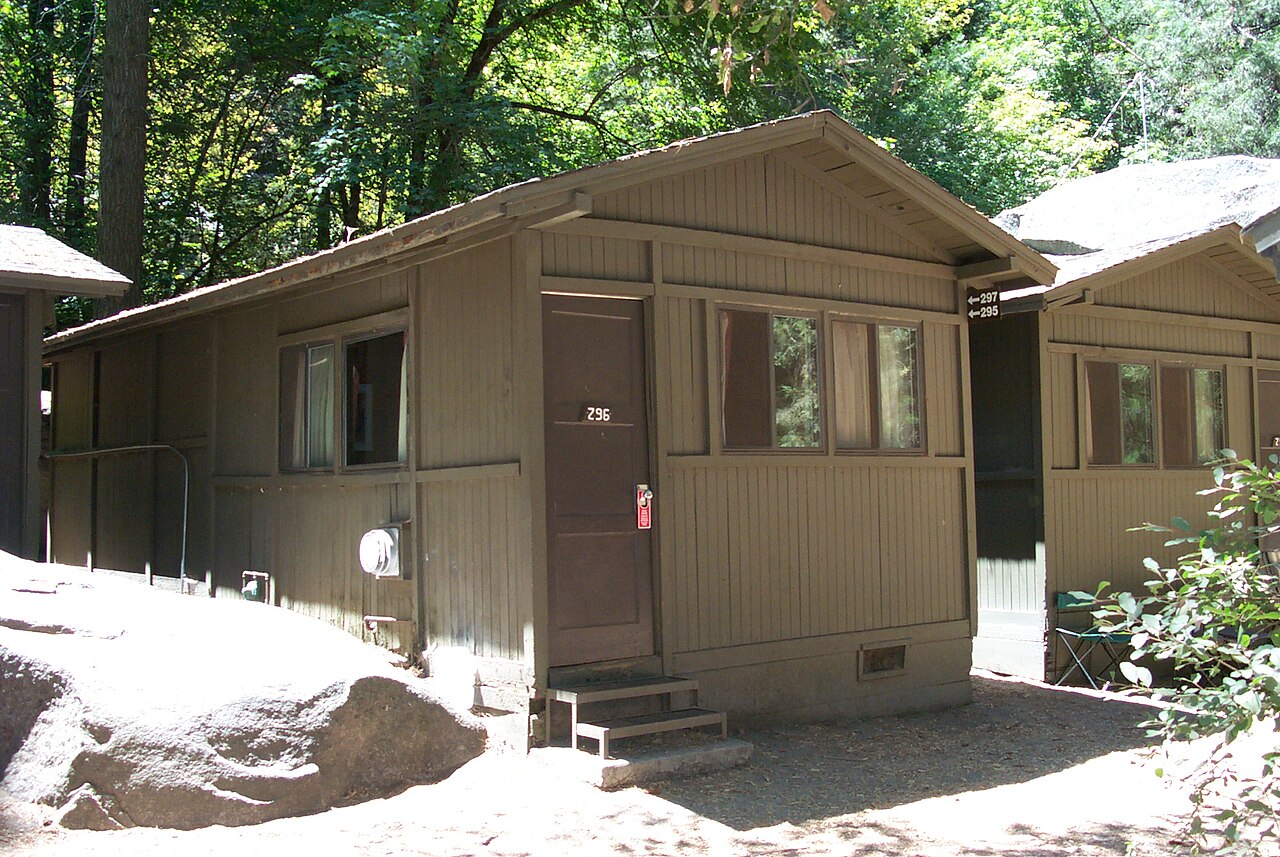
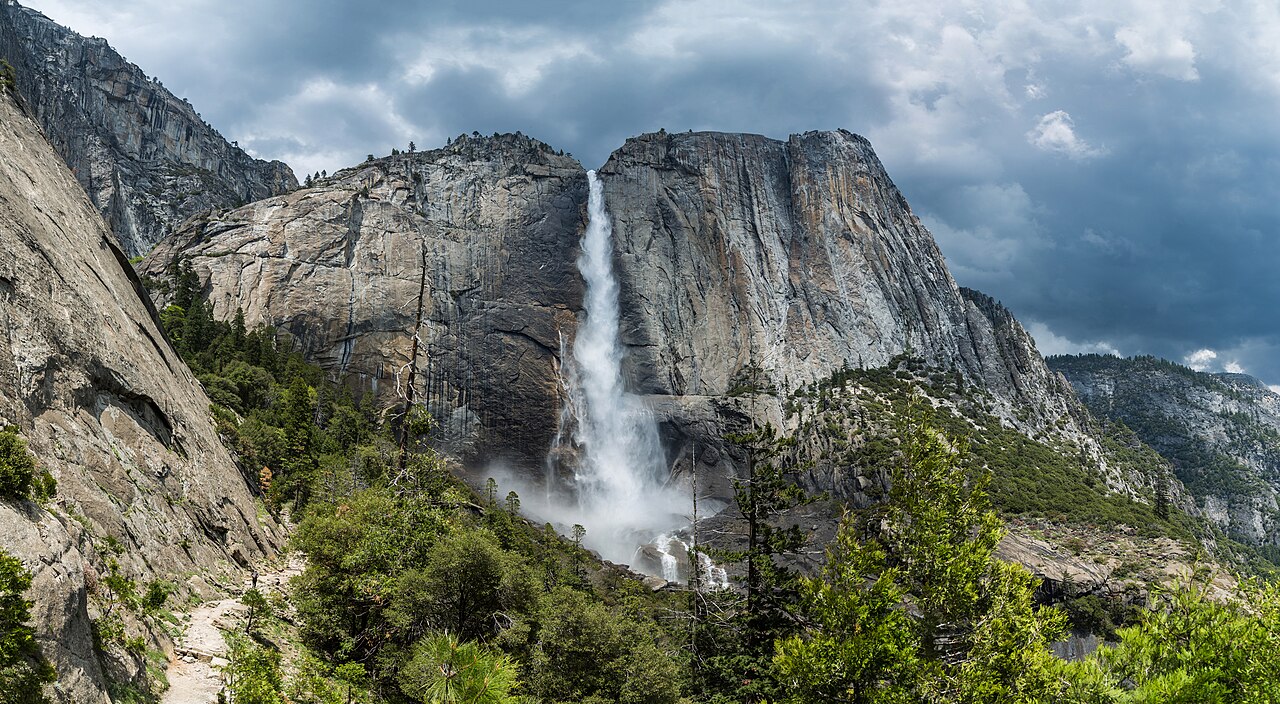
Sleeping in the valley is the dream, and for good reason: you can walk to Yosemite Falls before breakfast, hike the Mist Trail at dawn, and watch alpenglow on Half Dome without worrying about the drive back. The trade-offs are cost, availability and simplicity. The concessioner runs three main valley lodgings. The Ahwahnee is the grand historic hotel, a National Historic Landmark with a famous Dining Room and Great Lounge, and the most expensive stay in the park. Yosemite Valley Lodge, near the base of Yosemite Falls, is the practical choice: modern rooms, the Mountain Room restaurant, Base Camp Eatery, a tour desk and the shuttle at the door. Curry Village, beneath Glacier Point, is the budget option, with canvas tent cabins (some heated in winter), wood cabins and a few motel-style rooms, plus the winter ice rink. All three book up months in advance, especially for spring and summer.
Elsewhere in the park
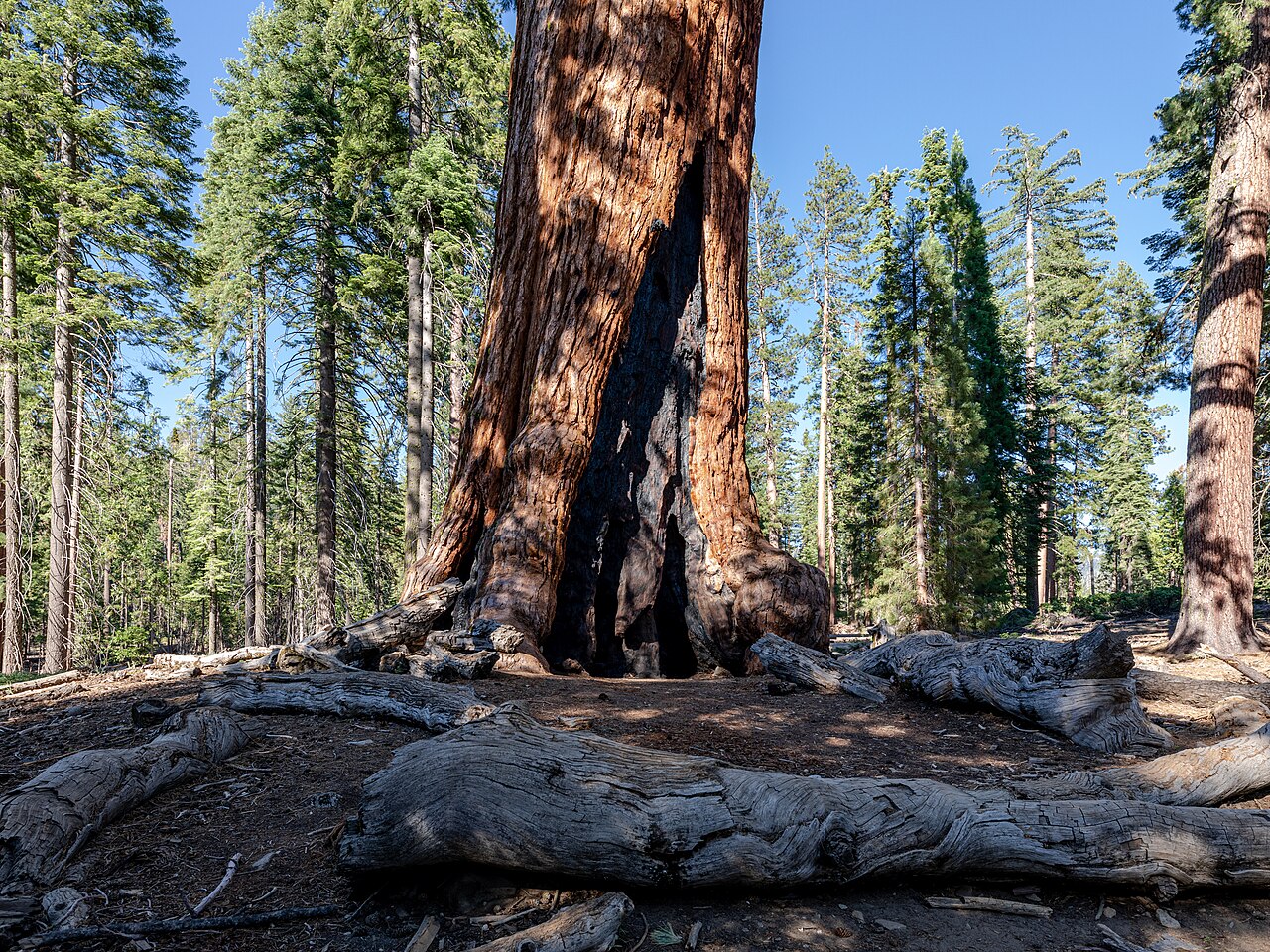
The historic Wawona Hotel near the South Entrance is listed as closed by the concessioner, so do not plan around it. Campgrounds are another in-park option: Upper Pines and Camp 4 in the valley and Hodgdon Meadow and Wawona outside it stay open year-round, while others are seasonal. Reservations are required for most, and winter camping means snow and cold.
Fish Camp and Oakhurst (Highway 41, South Entrance)
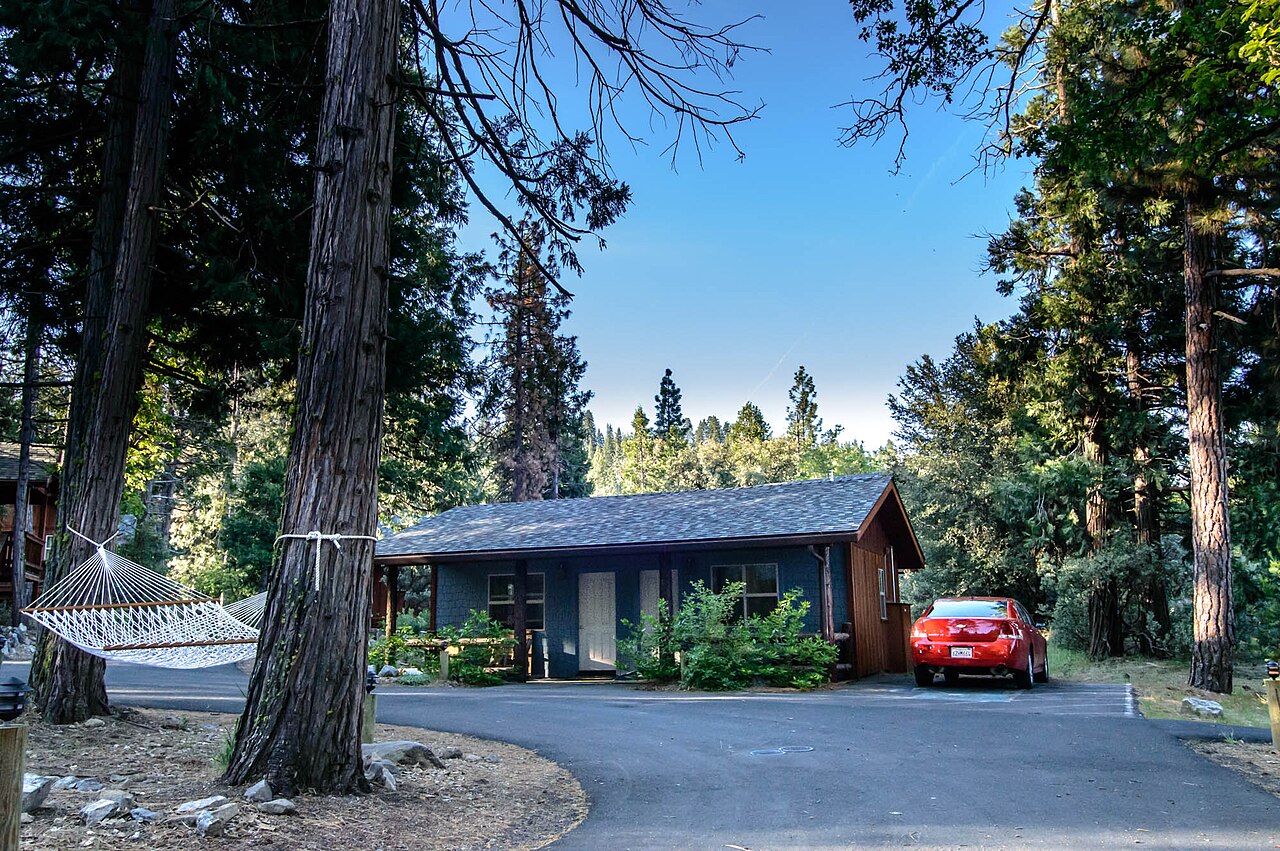
This is the best side for the Mariposa Grove, Badger Pass and Wawona, and for travelers arriving from Fresno or Southern California. Fish Camp sits a few minutes from the South Entrance; its anchor is Tenaya at Yosemite, a full-service resort with lodge rooms, cottages and Waybound cabins, eight dining options, a spa and guided tours. Oakhurst, a little farther south, is a bigger town with supermarkets, restaurants and a wide range of motels and inns. From here, Yosemite Valley is about an hour or more by car, with Tunnel View on the way. In winter, Highway 41 can require chains, but it is kept open.
Mariposa, Midpines and El Portal (Highway 140, Arch Rock Entrance)
Highway 140 follows the Merced River canyon and is the lowest-elevation route into the valley, which makes it the most reliable in winter and the route of the year-round YARTS bus. Mariposa is a historic gold rush town with restaurants, shops and a range of motels and inns; Midpines, a few miles closer to the park, is home to AutoCamp Yosemite, a design-led glamping stay with Airstream suites. El Portal, just outside the Arch Rock Entrance, is the closest gateway community to the valley floor, with hotels along the river, and the drive to the valley takes about half an hour. This corridor suits travelers who want easy winter access and do not need high-country roads.
Groveland and the Highway 120 corridor (Big Oak Flat Entrance)
This is the best side for visitors from the Bay Area and for exploring Hetch Hetchy and the northern sequoia groves. Groveland is a small historic town with inns and restaurants, and closer to the park are two lodges with loyal followings: Rush Creek Lodge and Spa, a modern mountain lodge with a pool, hot tubs, tavern, spa and guided hikes, and Evergreen Lodge, a historic cabin resort on the road to Hetch Hetchy. From here, Yosemite Valley is roughly 45 minutes to an hour away. In summer, Highway 120 also gives access to the Tioga Road and the high country; in winter, Tioga Road is closed beyond Crane Flat and chains may be required on the approach.
Lee Vining and the east side (Tioga Pass)
For summer trips focused on the high country — Tuolumne Meadows, Tenaya Lake, Tioga Pass — the eastern gateway towns are a good base. But Tioga Road closes in winter, so from late fall to late spring the east side is effectively cut off from the rest of the park by road.
How to choose
For a first trip of two or three nights, stay in the valley if you can — it transforms the experience. If valley lodging is full or too expensive, choose the gateway that fits your plans: Fish Camp or Oakhurst for sequoias and skiing, Mariposa or El Portal for winter reliability and the shortest drive, and Groveland for Hetch Hetchy and Bay Area access. Consider splitting a longer trip between two bases, such as two nights in the valley and two near the South Entrance. Book early, check cancellation policies, and remember that road closures can change drive times in winter.
Budget tips
Curry Village tent cabins are the cheapest beds in the valley; gateway motels are cheaper still, especially in winter. Look for winter and shoulder-season deals from the concessioner and gateway lodges, and consider weekdays, when rates are often lower. Remember that the park entrance fee is valid for seven days per vehicle, so a longer stay spreads the cost — and nonresident visitors should budget for the 2026 per-person nonresident fee.