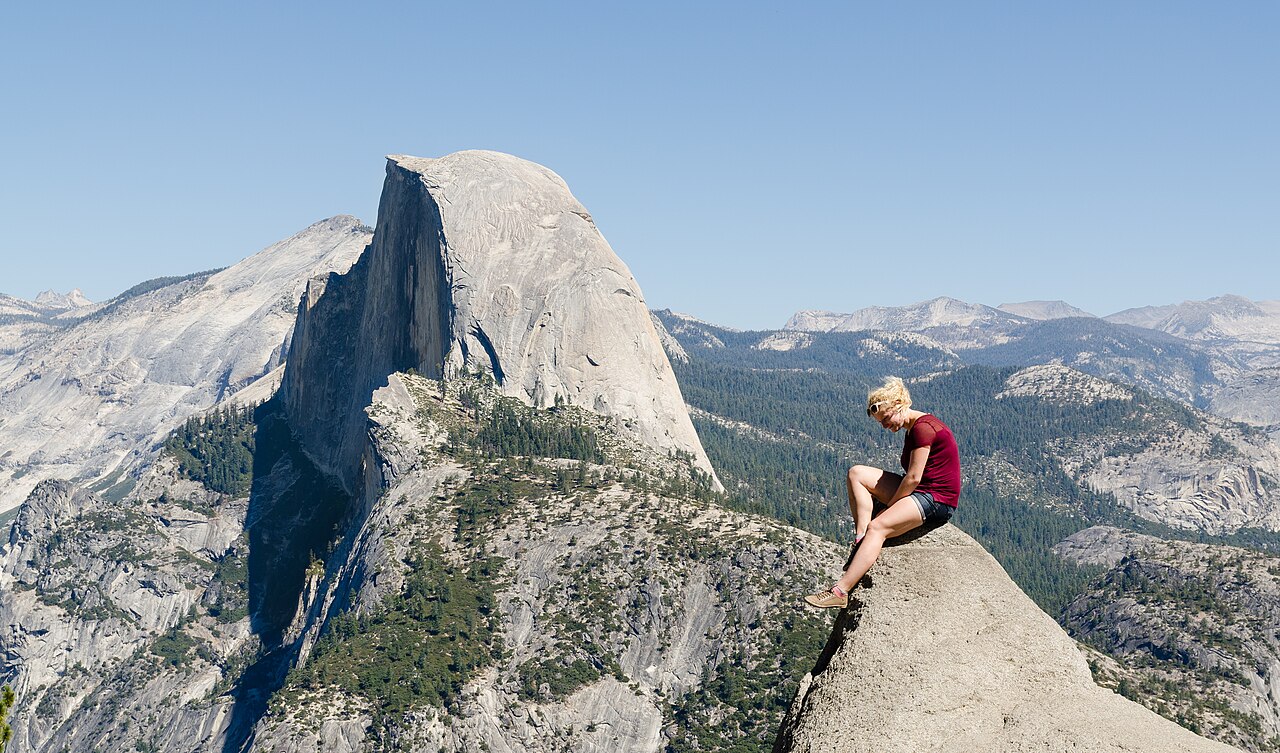
Winter is Yosemite's secret season. The crowds of summer disappear, snow dusts El Capitan and Half Dome, the meadows freeze white, and the valley becomes hushed and magical. It also demands planning: high roads close, chains may be required, days are short and some facilities shut down. Here is how to make the most of Yosemite from November to March in 2026-27.
What is open and what is closed
Yosemite Valley stays open year-round, as do Wawona Road (Highway 41), El Portal Road (Highway 140) and Big Oak Flat Road (Highway 120 West), though all can be placed under chain control or briefly closed during storms. The Tioga Road and Glacier Point Road were listed closed for snow on the NPS conditions page at the end of October 2026, and they normally stay closed until late spring; overnight parking on both roads has been banned since October 15. In winter, Glacier Point Road is plowed only as far as the Badger Pass Ski Area. The Hetch Hetchy Road is open from sunrise to sunset but closes when it is snowing or snow is forecast overnight. The Mariposa Grove shuttle runs through November 30, 2026 with shorter hours, then stops until at least mid-April, and the Mariposa Grove Road closes to cars from late November.
Chains and winter driving
Carry tire chains in your vehicle from fall through spring, even with four-wheel drive. When chain controls are in effect, you may be required to install them, and rental car companies often restrict chain use, so check your rental agreement. Drive slowly, watch for ice in shaded sections, and allow extra time. Highway 140 through the Merced River canyon is the lowest-elevation route into the valley and the most reliable in storms, and the YARTS bus runs it year-round from Merced, Mariposa and El Portal. Check road conditions with the NPS at 209-372-0200 before you set out.
Badger Pass
California's original ski area normally opens in mid-December and runs to mid-March, weather permitting, with lifts running 9am to 4pm. It is small and family friendly, with five lifts, ten runs, an 800-foot vertical drop, a long-running ski school, snow tubing and a Nordic Center for cross-country skiing and snowshoeing. A free shuttle runs from Yosemite Valley when the ski area is open. Lift tickets are affordable by Sierra standards, and kids six and under ski free with a paying adult. Groomed trails lead along the closed Glacier Point Road; snowshoe to Dewey Point for a spectacular view of the valley, or, if you are an experienced skier, attempt the long round trip to Glacier Point. Note that the Glacier Point Ski Hut will not open for the 2026-27 season because of a lack of power, so overnight hut trips are off this winter.
Skating and valley walks
The open-air rink at Curry Village is a winter highlight, with Half Dome glowing at twilight, a fire pit and s'mores. Valley walks are lovely in winter: the paved loop to Lower Yosemite Fall, Cook's Meadow, the Vernal Fall footbridge and Mirror Lake are generally walkable, though trails can be icy. Carry traction devices and be cautious on shaded sections, especially on the south side of the valley. Yosemite Falls often returns after early-winter storms, and in cold snaps an ice cone builds at the base of the upper fall.
Sequoias in snow
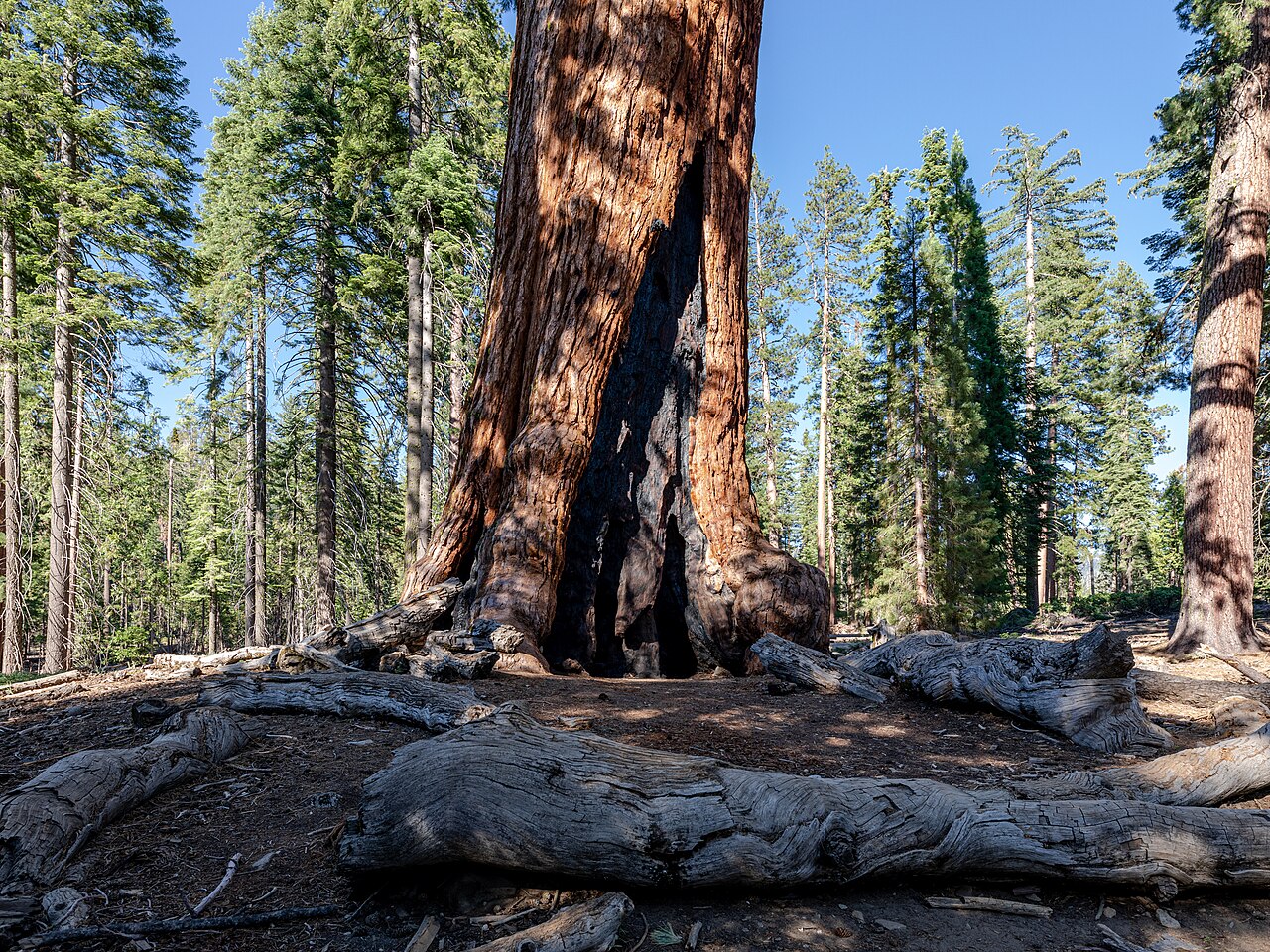
The Mariposa Grove under snow is unforgettable. After the shuttle stops, park at the Welcome Plaza and walk or snowshoe about two miles each way on the Washburn Trail or the closed road, gaining about 500 feet. On the Highway 120 side, the Tuolumne and Merced Groves can be reached on snowshoes when conditions allow. Start early, dress warmly and carry water — winter days are short.
Winter photography
Winter brings some of Yosemite's finest light: clearing storms at Tunnel View, frosty meadows at dawn, snow on El Capitan, and, in mid-to-late February, the Horsetail Fall Firefall on El Capitan when the fall is flowing and the sky is clear. The park may impose viewing restrictions around Horsetail Fall, so check the NPS website before you go.
Where to stay
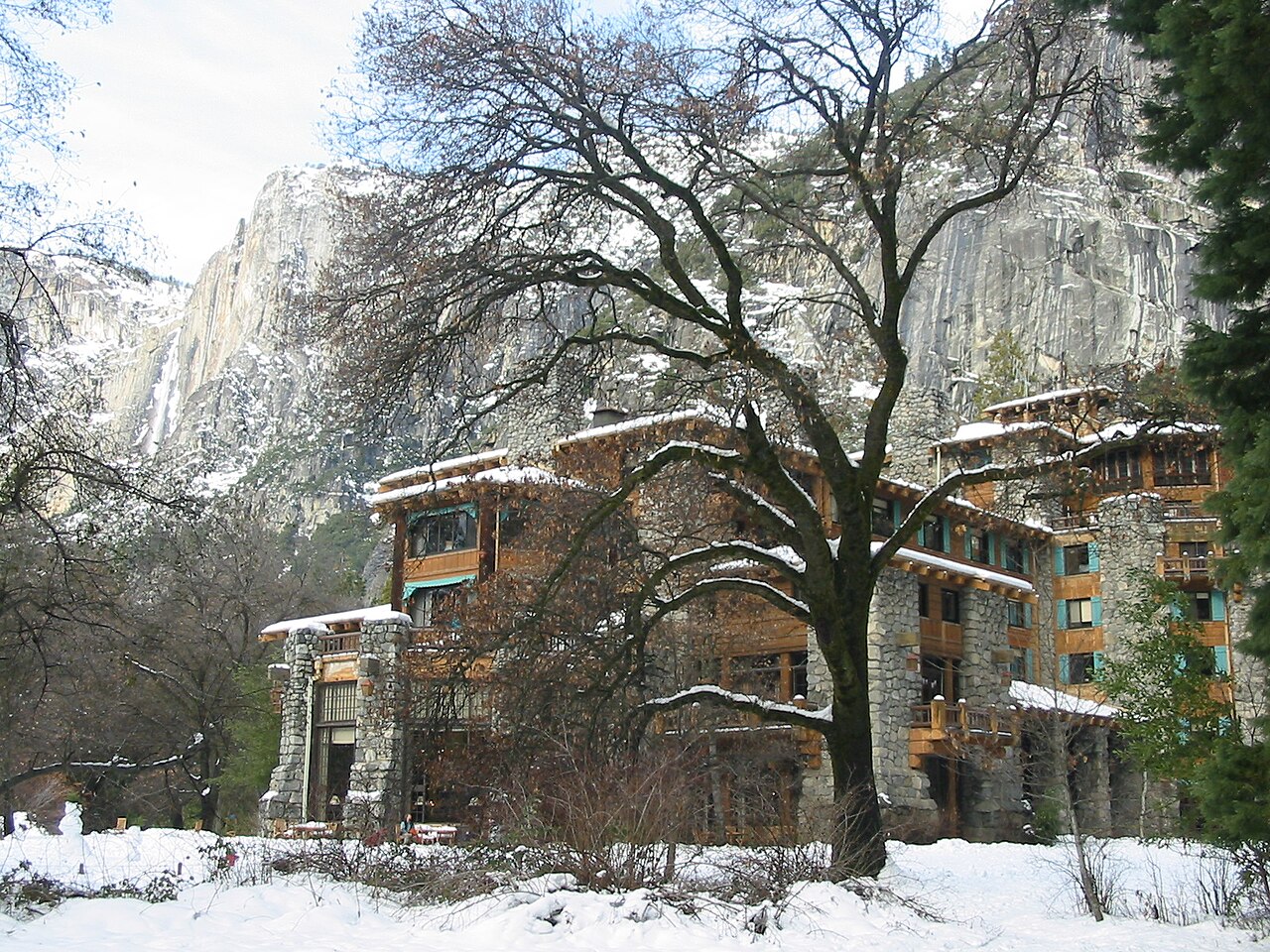
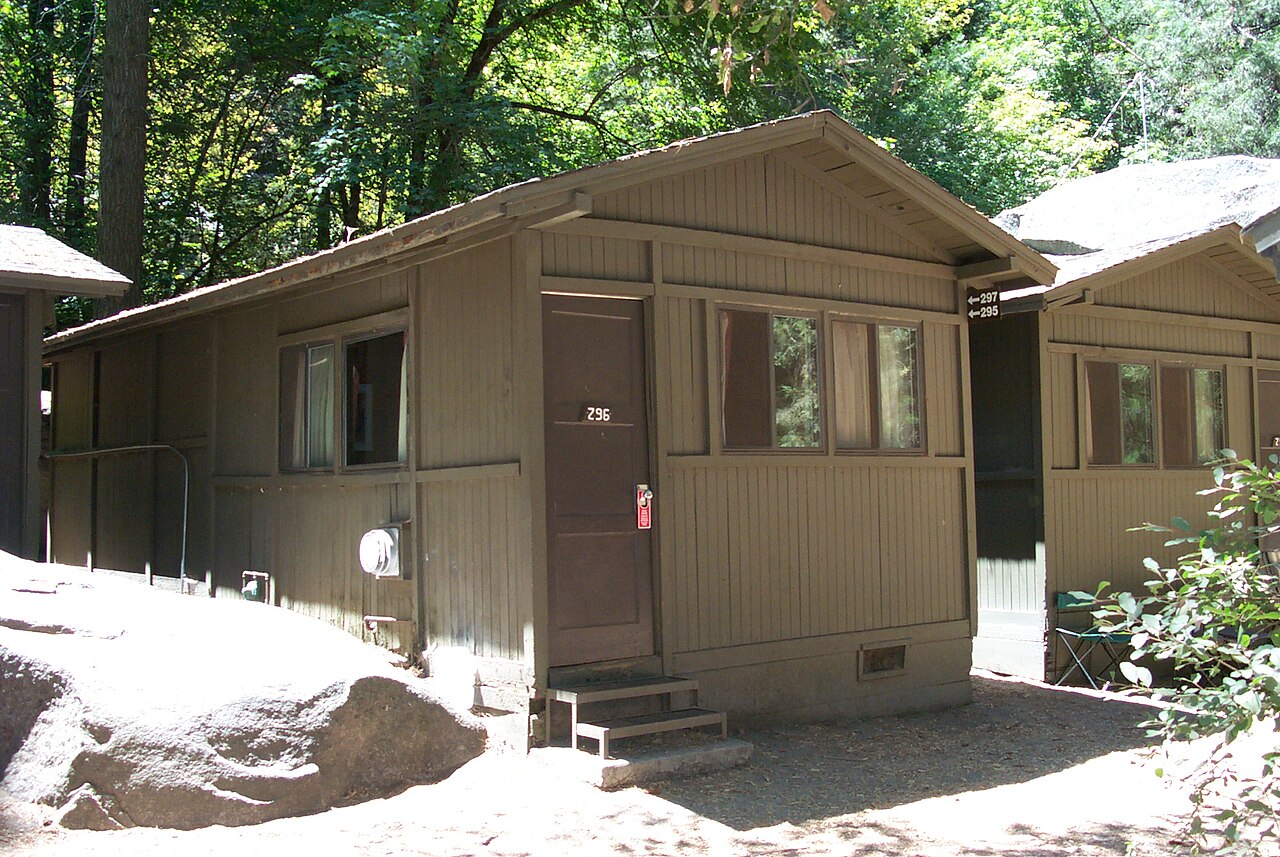
In the valley, the Ahwahnee is cozy and festive in winter, with the Bracebridge Dinner each December; Yosemite Valley Lodge is convenient for the Badger Pass shuttle and Valley Floor Tour; and Curry Village offers heated tent cabins and wood cabins near the ice rink. Outside the park, Tenaya at Yosemite in Fish Camp is near the South Entrance and Badger Pass, Rush Creek Lodge and Evergreen Lodge are on the Highway 120 side, and AutoCamp near Mariposa sits on the reliable Highway 140 route.
Practical tips
Dress in layers, including waterproof outerwear, warm hats and gloves. Carry snacks, water and a headlamp. Check the NPS conditions page daily, and sign up for traffic alerts by texting ynptraffic to 333111. Remember that some services operate on reduced schedules in winter, and that the Wilderness Center in the valley is closed seasonally from late October to mid-April, with self-registration for permits outside. Above all, slow down: winter is the season to watch light on granite, listen to the silence, and have the valley almost to yourself.
A model winter weekend
Day one: arrive by Highway 140, stop at Tunnel View if the roads are clear, take the Valley Floor Tour in its heated coach, walk to Lower Yosemite Fall and skate at Curry Village at twilight. Day two: ride the free shuttle to Badger Pass for a lesson, a few runs or a snowshoe to Dewey Point, then return for dinner in the valley. On the way out, snowshoe into the Mariposa Grove from the Welcome Plaza if you are leaving by the South Entrance. It is a gentle, varied plan that works in most winter conditions.