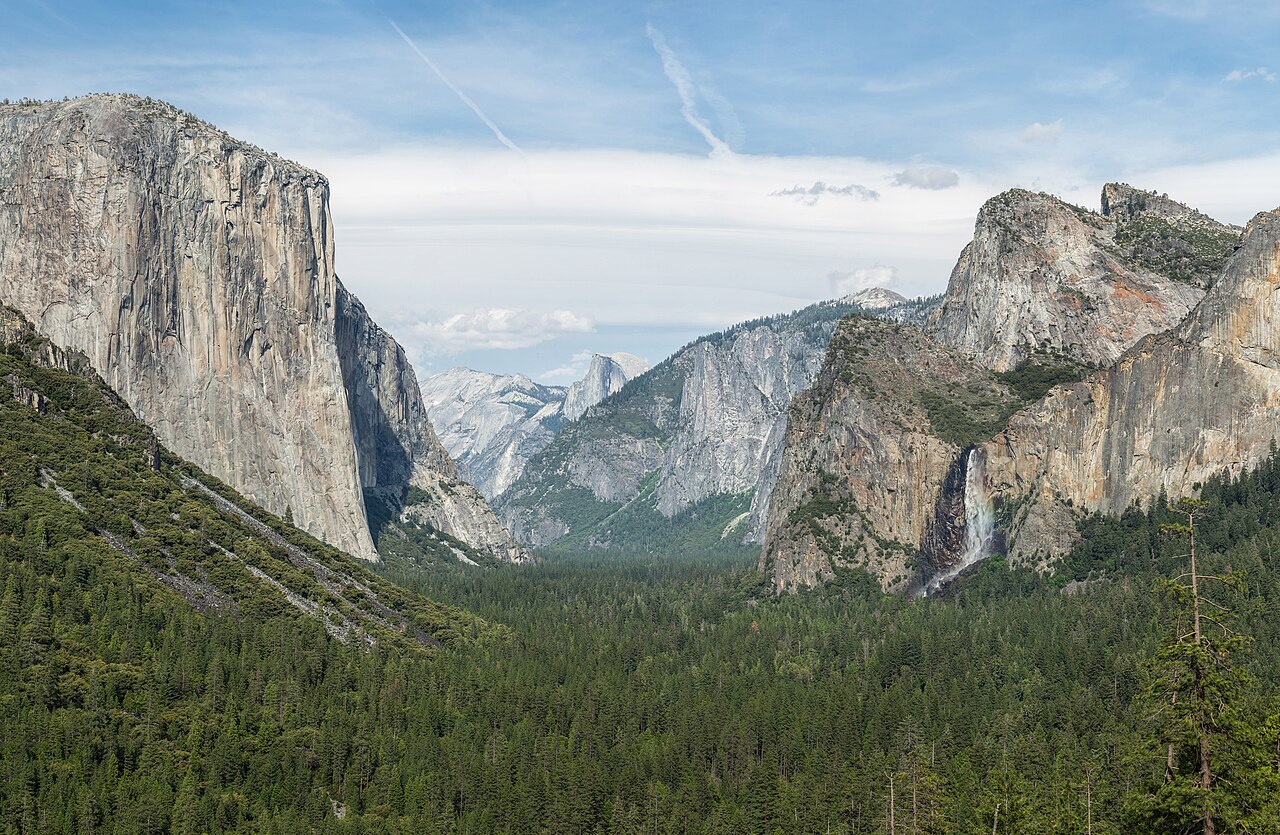
Yosemite is big — roughly the size of Rhode Island — but most first visits revolve around one small place: Yosemite Valley, seven miles long and about a mile wide, where El Capitan, Half Dome and Yosemite Falls all stand within sight of each other. Understanding how the rest of the park connects to that valley, and how the seasons change what you can reach, is the key to a good first trip. Here is what we wish every first-timer knew.
Get the geography straight
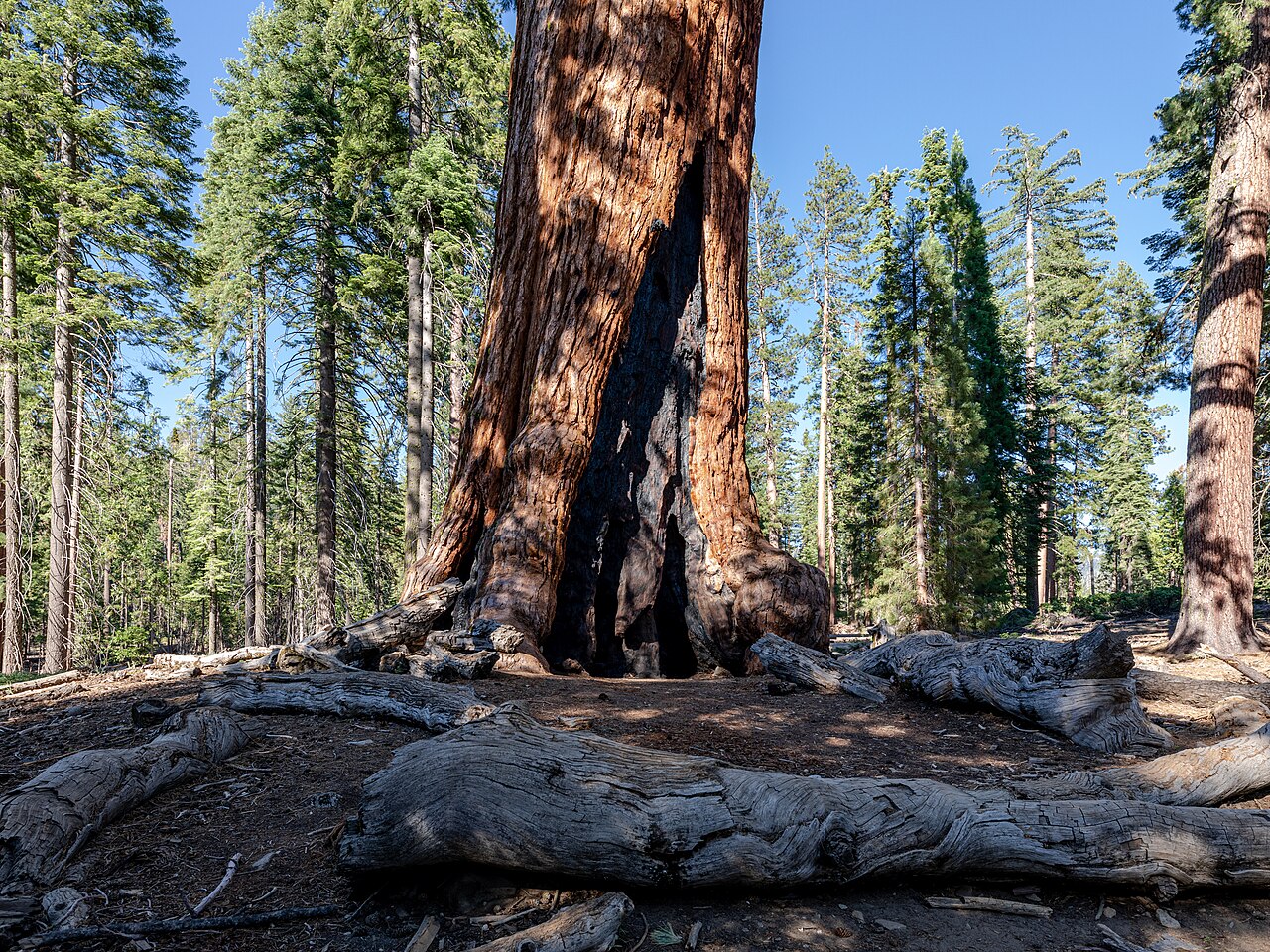
Five entrances matter. The South Entrance on Highway 41 serves Oakhurst and Fish Camp and puts you near the Mariposa Grove and Wawona before the drive to the valley, with Tunnel View as your first look. The Arch Rock Entrance on Highway 140 comes up the Merced River canyon from Mariposa and El Portal; it is the lowest, most reliable route in winter. The Big Oak Flat Entrance on Highway 120 serves Groveland and the Bay Area, passing the Tuolumne and Merced sequoia groves. Hetch Hetchy has its own entrance on a spur road outside Big Oak Flat. And the Tioga Pass Entrance on the east side connects to Lee Vining and Mammoth Lakes over the high country — but only in summer and early fall. Inside the park, Glacier Point Road branches off Highway 41 to Badger Pass and Glacier Point, and the Tioga Road crosses the high country to Tuolumne Meadows.
Know the 2026 entry rules
There was no day-use or peak-hours reservation system in 2026, according to Yosemite Conservancy, so you can simply drive in — but expect lines at entrance stations on busy weekends, partly because of reduced staffing. The standard entrance fee is $35 per private vehicle for seven days, or $20 per person on foot or bike; a Yosemite annual pass costs $70, and the America the Beautiful pass, valid at all national parks, is $80 for U.S. residents. Since January 1, 2026, nonresidents aged 16 and older pay an additional $100 per person on top of the standard entrance fee, unless they enter with an annual or America the Beautiful pass; the nonresident version of that pass costs $250. Yosemite does not accept cash at entrance stations. U.S. residents can enter free on designated fee-free days, which in 2026 include Veterans Day, November 11. Check for any announcements about 2027 entry rules before you travel.
Understand the seasons
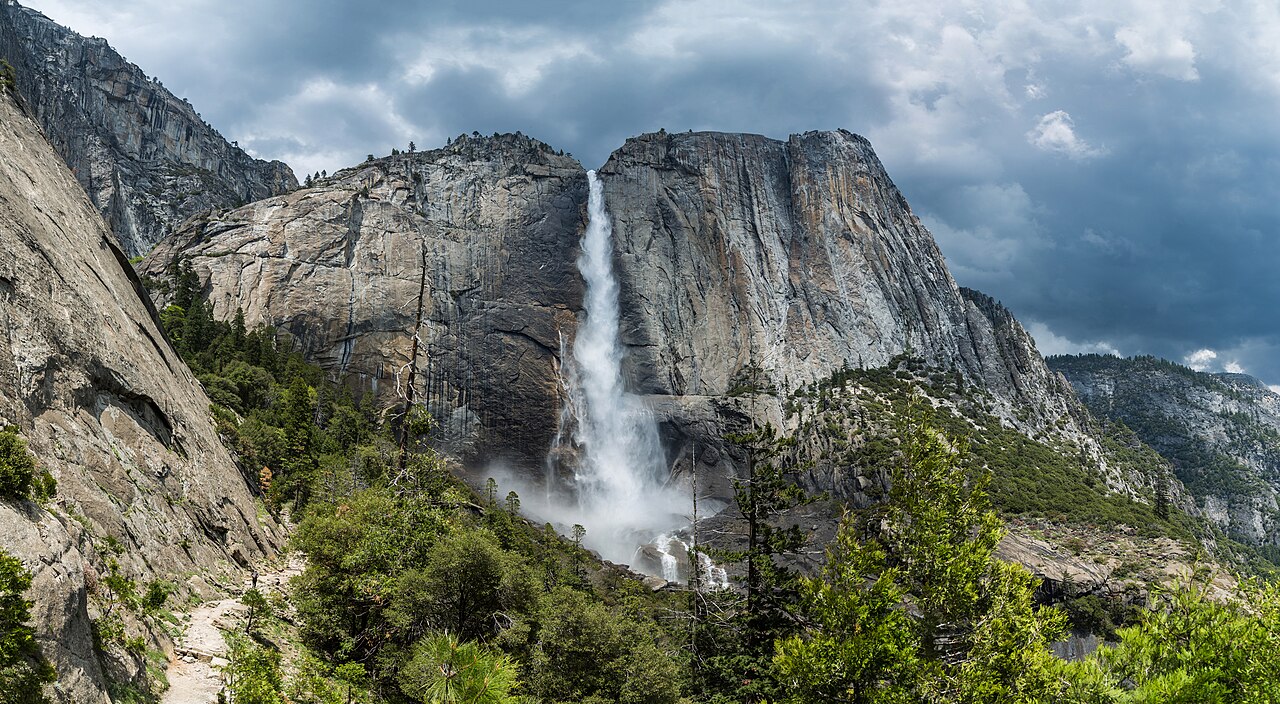
Spring (April to June) is waterfall season, when Yosemite Falls and Bridalveil thunder and the Mist Trail earns its name. Summer brings warm weather, crowds and access to the high country, as Tioga Road and Glacier Point Road open — in 2026 they opened on May 15 and May 9. Fall is quieter, with golden oaks and low or dry waterfalls; by the end of October 2026, the NPS described Yosemite Falls as a trickle. Winter turns the valley into a snowy, peaceful place with skating at Curry Village and skiing at Badger Pass, but Tioga Road and Glacier Point Road beyond Badger Pass are closed, and the Mariposa Grove shuttle stops after November. In 2026, both high roads were already closed for snow at the end of October, with an overnight parking ban from October 15.
Plan your first day in the valley
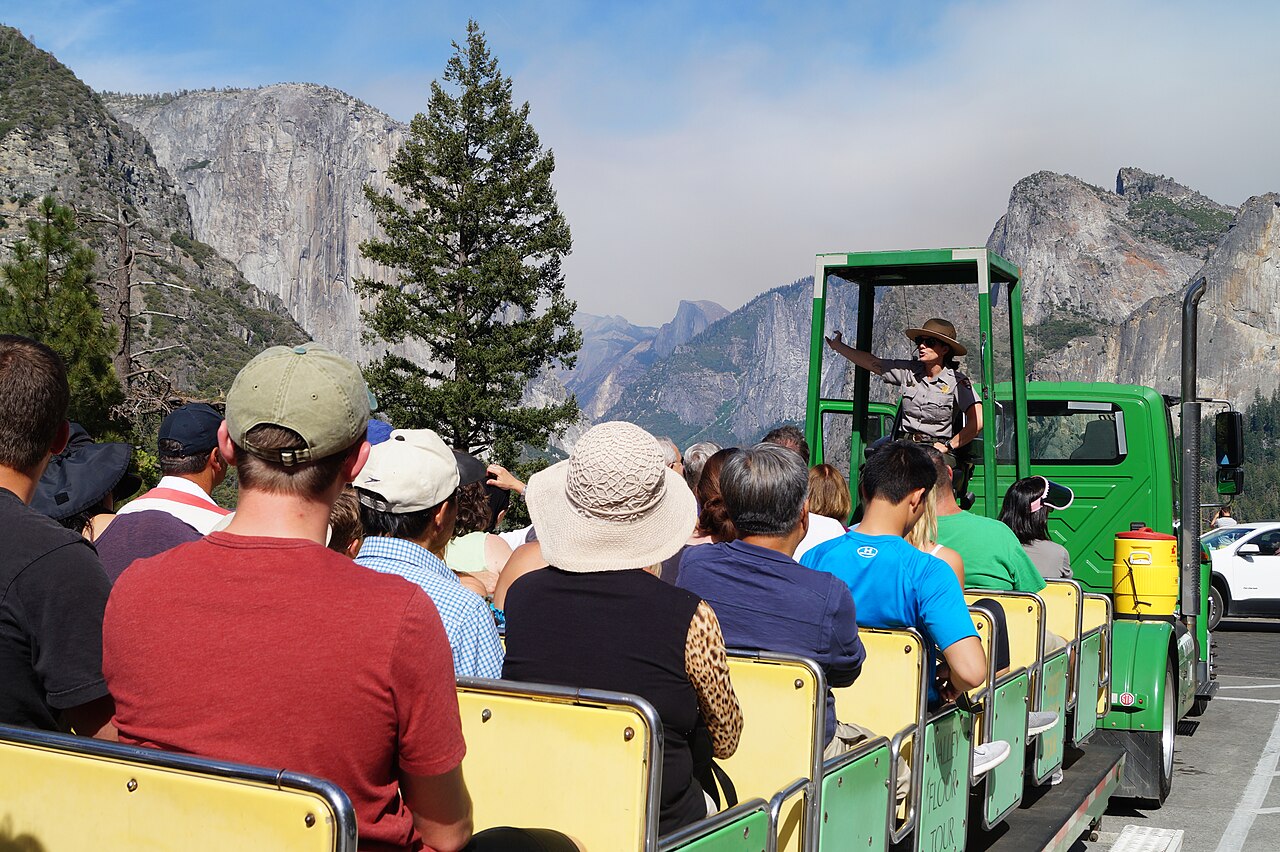
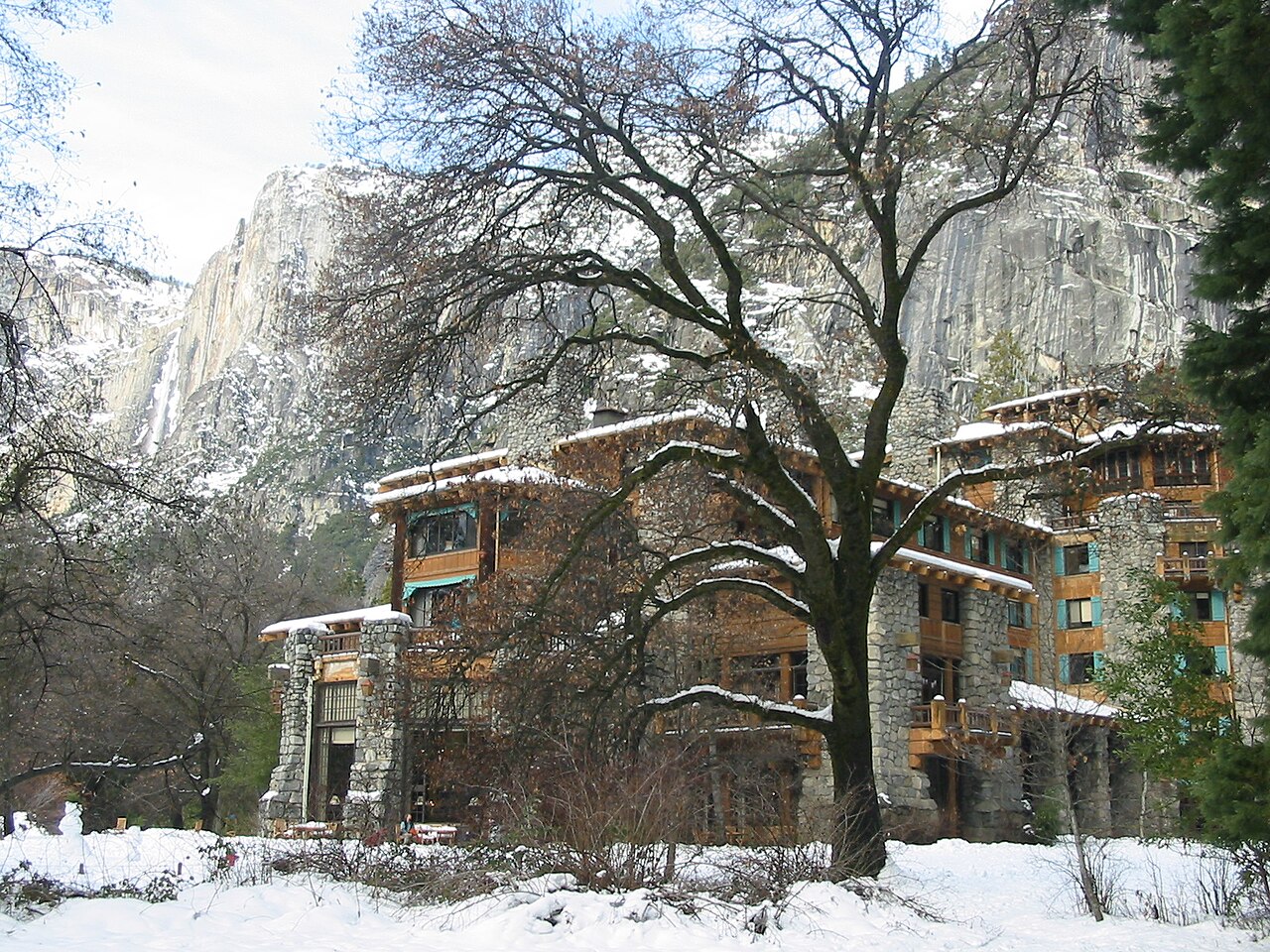
Start at Tunnel View for the classic panorama, walk to the base of Bridalveil Fall, and drive or ride the shuttle along the valley to El Capitan Meadow. Take the two-hour Valley Floor Tour from Yosemite Valley Lodge for an orientation, then walk the paved loop to Lower Yosemite Fall. If you have energy, hike the Mist Trail to the Vernal Fall footbridge or beyond. End the day with sunset light on Half Dome from Sentinel Bridge or the meadows, or dinner at the Ahwahnee.
Use the free shuttle
Parking in the valley fills on busy days, and the free valley shuttle is the easiest way to move around. The NPS describes a valleywide route every 12 to 22 minutes and an East Valley route every 8 to 12 minutes, 7am to 10pm. Park once, then ride. For real-time traffic updates, text ynptraffic to 333111, as the Conservancy suggests.
Respect bears and wildlife
Black bears are active throughout the park. Store all food and scented items in bear-proof lockers or containers, never leave food in your car overnight, and keep your distance from any bear you see. Bear spray is not allowed in Yosemite. Drive slowly — vehicles are a leading cause of bear deaths.
Hike safely
Most accidents involve water, falls or exhaustion. Stay out of rivers and streams above waterfalls, where currents are deadly even when the water looks calm. Carry plenty of water, wear grippy shoes, and turn around if a trail is icy or beyond your ability. In winter, carry traction devices on valley trails; in spring, expect wet, slippery rock near waterfalls. The Half Dome cables are down outside summer, and climbing them requires a permit when they are up.
Drive smart
Carry tire chains between fall and spring — park roads can be placed under chain control during storms, even for four-wheel-drive vehicles. Check the NPS conditions page or call 209-372-0200 for road status. In autumn 2026 the NPS reported short weekday delays on Big Oak Flat Road for fire safety work and at El Capitan Bridge in the valley, so allow extra time.
Where to stay
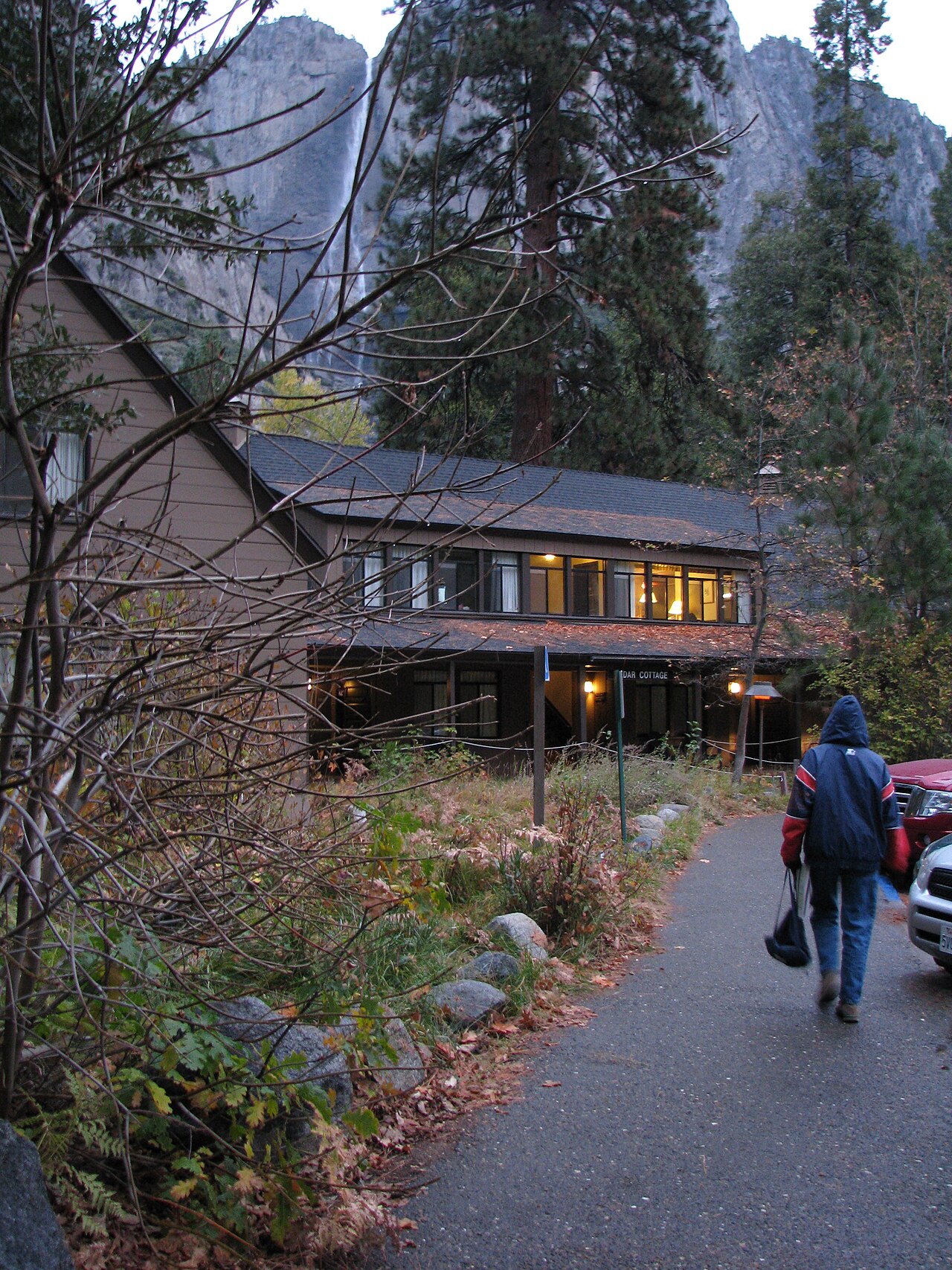
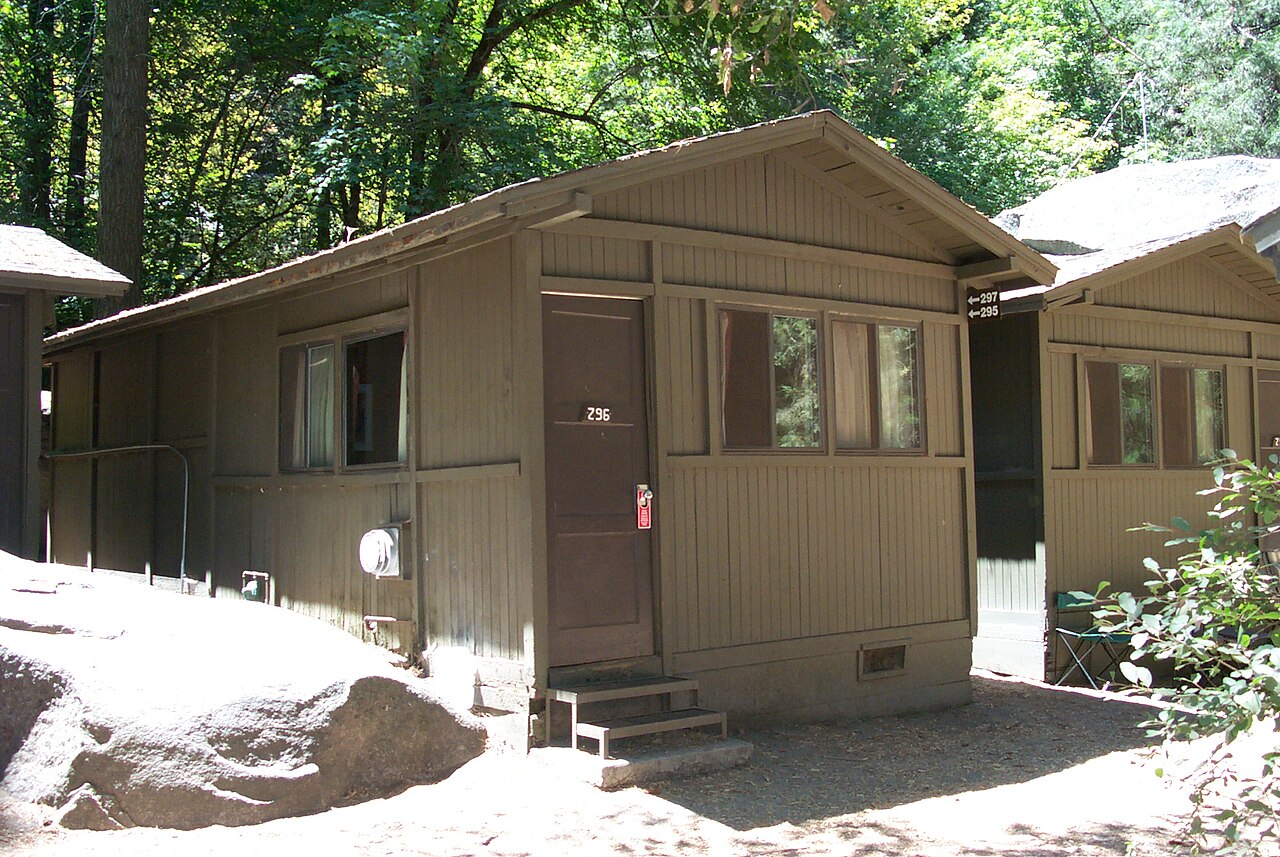
The best way to experience Yosemite is to sleep in or near it. Inside the valley, choose the Ahwahnee for history and grandeur, Yosemite Valley Lodge for convenience, or Curry Village for a budget tent cabin. Outside the park, Tenaya at Yosemite in Fish Camp is a full-service resort near the South Entrance, Rush Creek Lodge and Evergreen Lodge serve the Highway 120 side, and AutoCamp near Mariposa sits on the year-round Highway 140 route. Book as early as possible, especially for spring and summer.