Three days is the ideal length for a first visit to Yosemite: enough to explore the valley properly, hike to a big waterfall, see the giant sequoias, and add either Glacier Point in summer or a day in the snow in winter. This plan assumes you stay in or near Yosemite Valley and have a car, and it notes seasonal swaps along the way.
Before you go: the booking list
Book lodging as early as possible — valley rooms sell out months ahead. Reserve the Valley Floor Tour for day one, and in winter check the Badger Pass opening date and whether the Curry Village ice rink is open. Check the NPS conditions page for road status, trail detours and waterfall flow. Pack layers, sturdy shoes, a headlamp and, from fall through spring, tire chains. If you are not a U.S. resident, budget for the 2026 nonresident fee or buy the nonresident America the Beautiful pass if you will visit several parks.
Day one — arrival and the valley icons
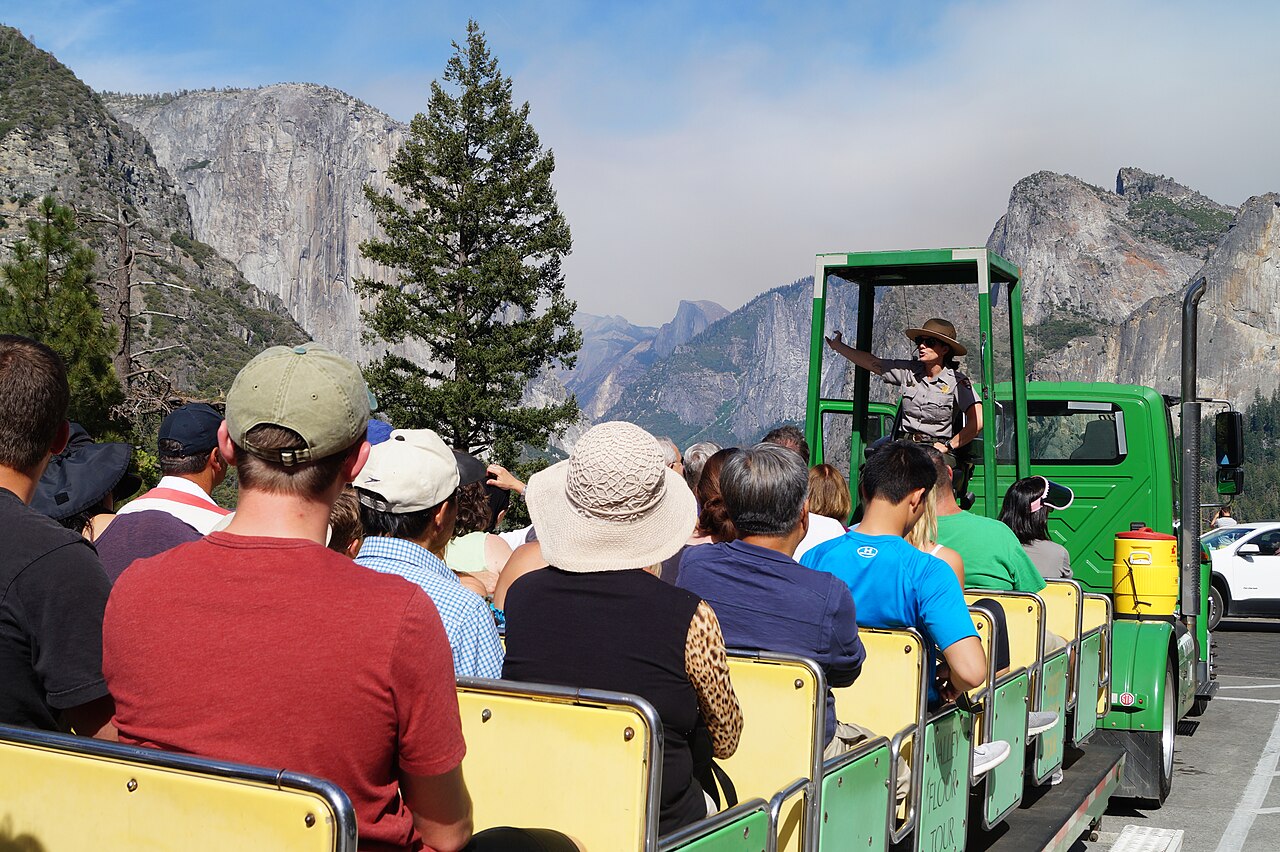
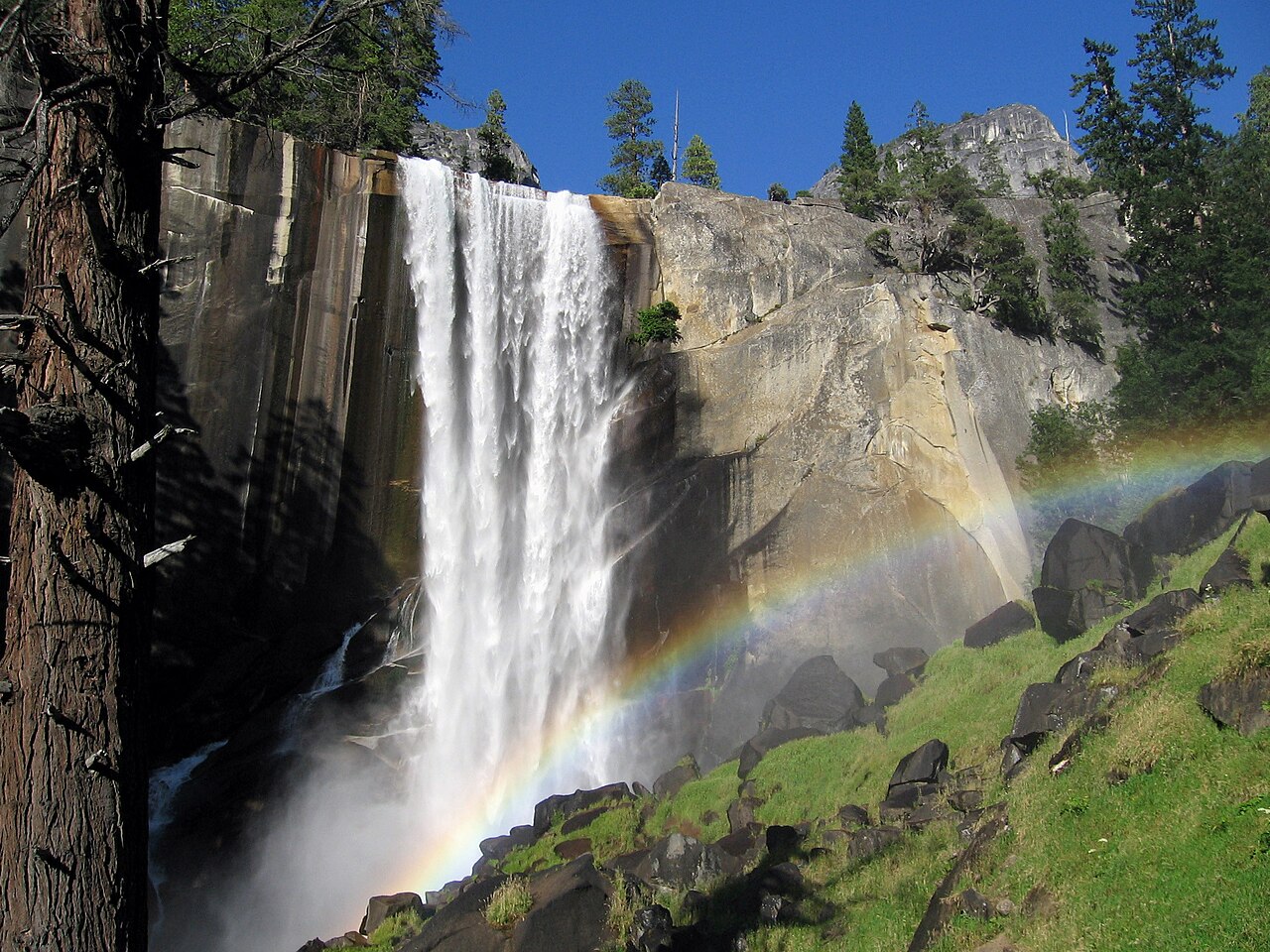
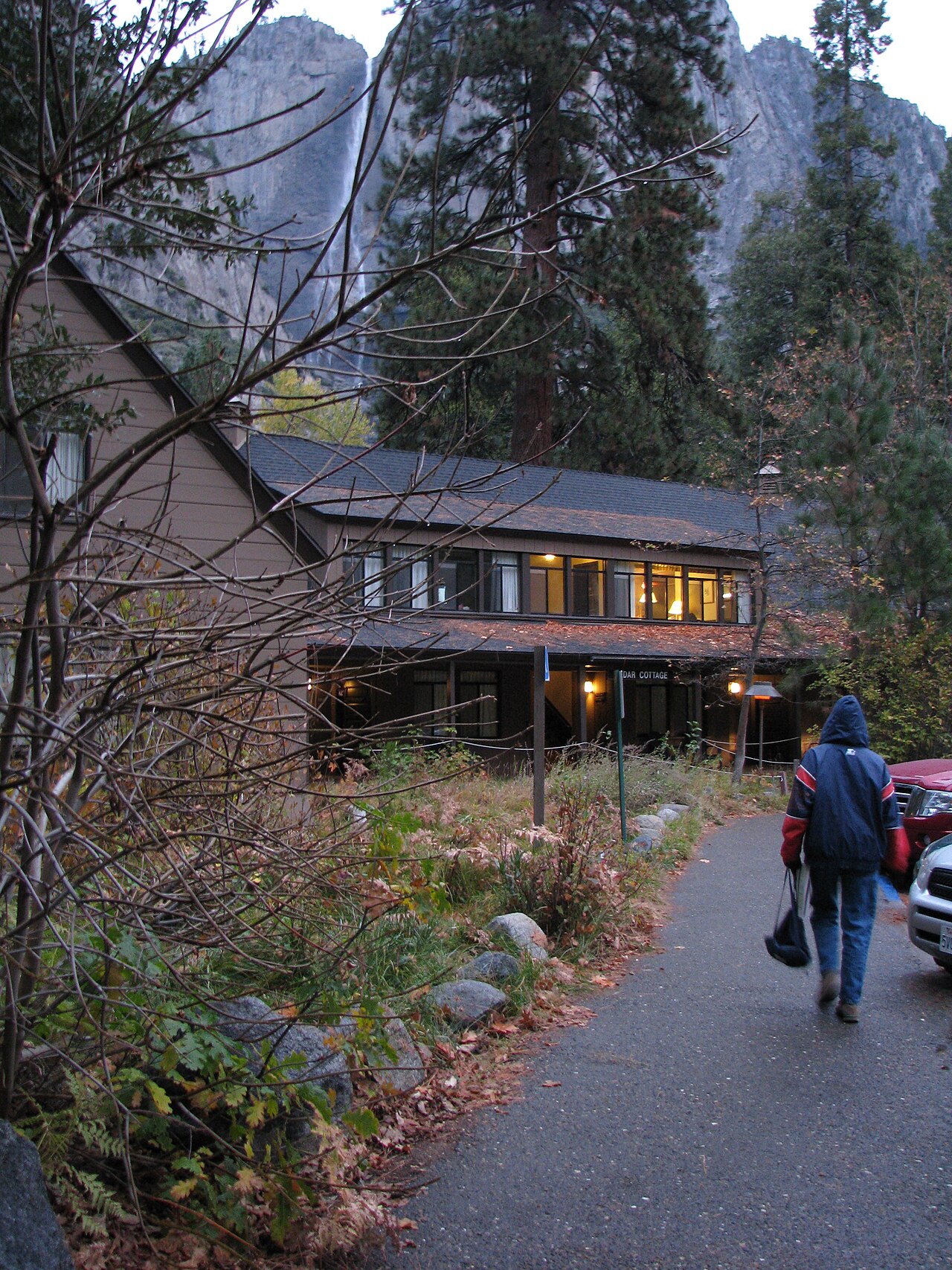
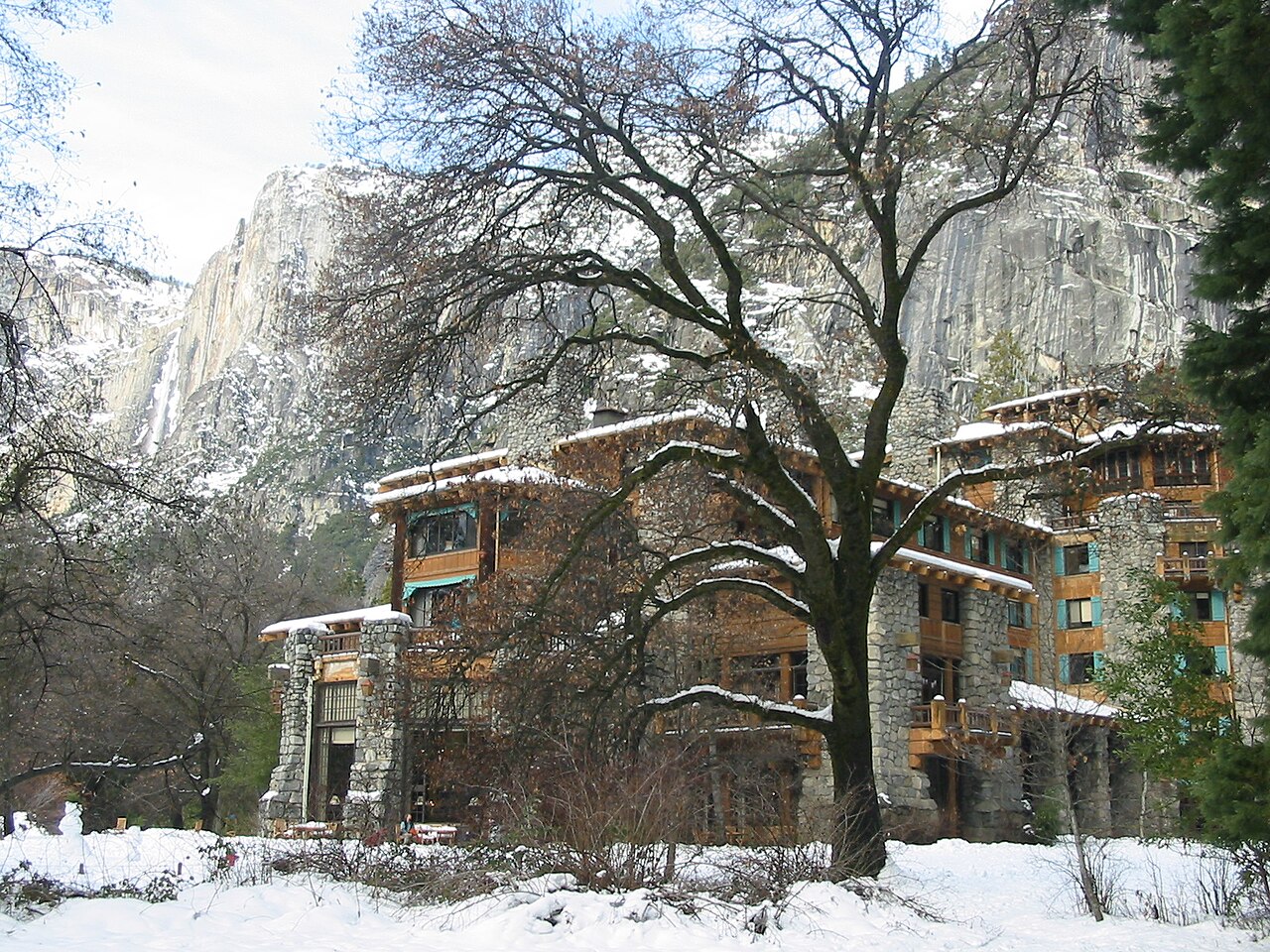
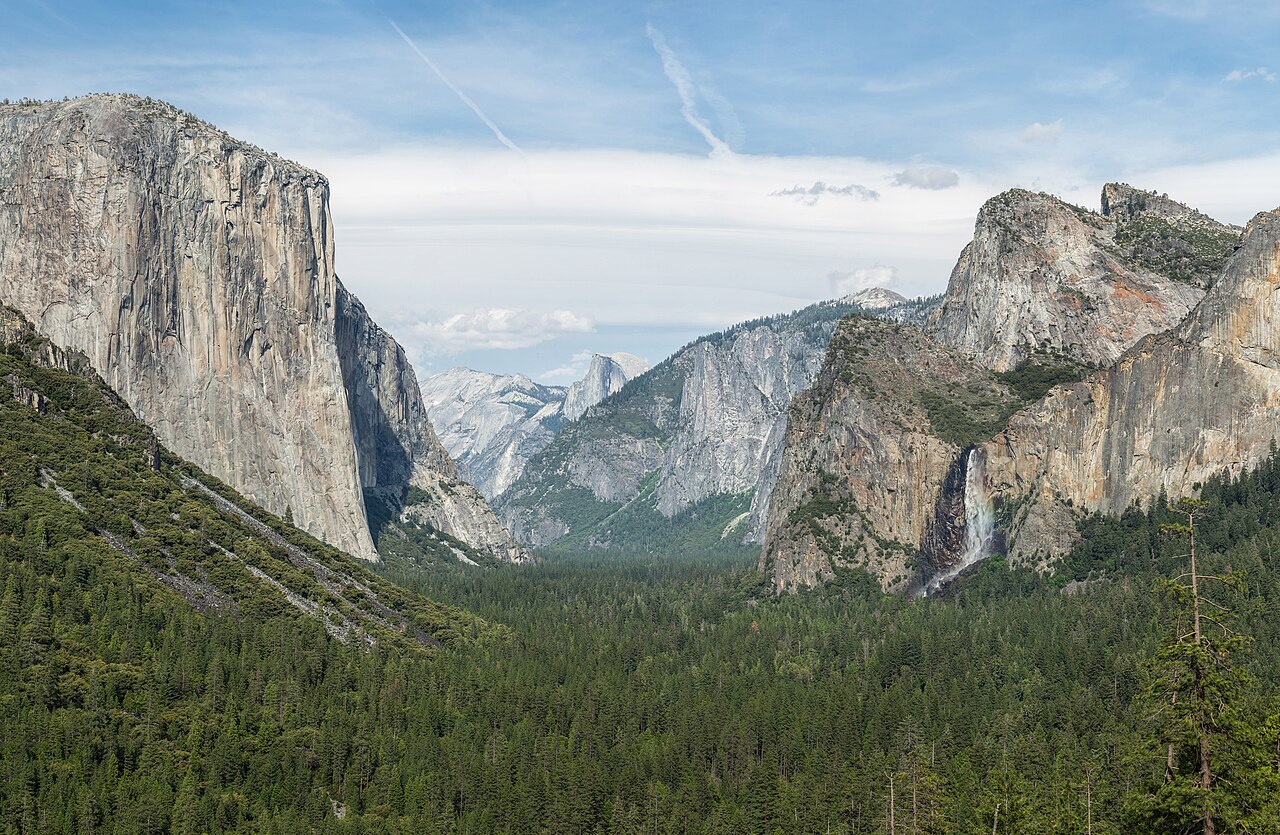
Enter the park and head straight for Tunnel View; if you arrive from the South Entrance, it is your first view of the valley, and if you arrive by Highway 140 or 120, it is a short drive up from the valley floor. Walk to the base of Bridalveil Fall, then drive to El Capitan Meadow and scan the wall for climbers. Check in, then take the two-hour Valley Floor Tour from Yosemite Valley Lodge for the story of the valley. In the late afternoon, walk the paved loop to Lower Yosemite Fall, and finish with sunset light on Half Dome from Sentinel Bridge or Cook's Meadow. Have dinner at the Mountain Room or, for a special night, the Ahwahnee Dining Room.
Day two — the Mist Trail and the falls
Start early and take the free shuttle to Happy Isles. Hike the Mist Trail to the Vernal Fall footbridge, then, if conditions allow and you feel strong, continue up the granite steps to the top of Vernal Fall, or all the way to Nevada Fall and back via the John Muir Trail. In winter, the footbridge is the sensible turnaround. Have lunch at Curry Village, then rest. In the afternoon, choose between a gentle walk on the Valley Loop Trail — noting the weekday closure at El Capitan Bridge through December 2026 — or a climb to Columbia Rock on the Upper Yosemite Fall Trail for a bird's-eye view of the valley. In winter, end the day skating at Curry Village with Half Dome glowing overhead.
Day three — sequoias and the rim (or the snow)
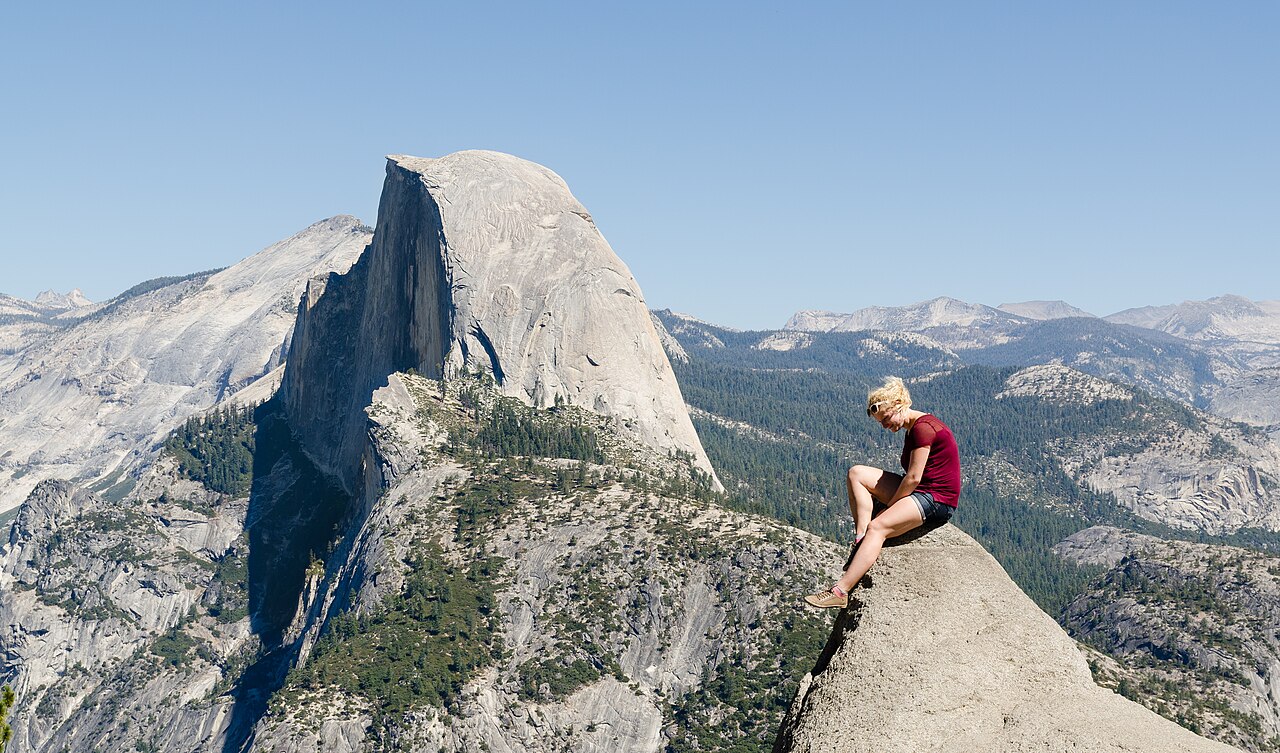
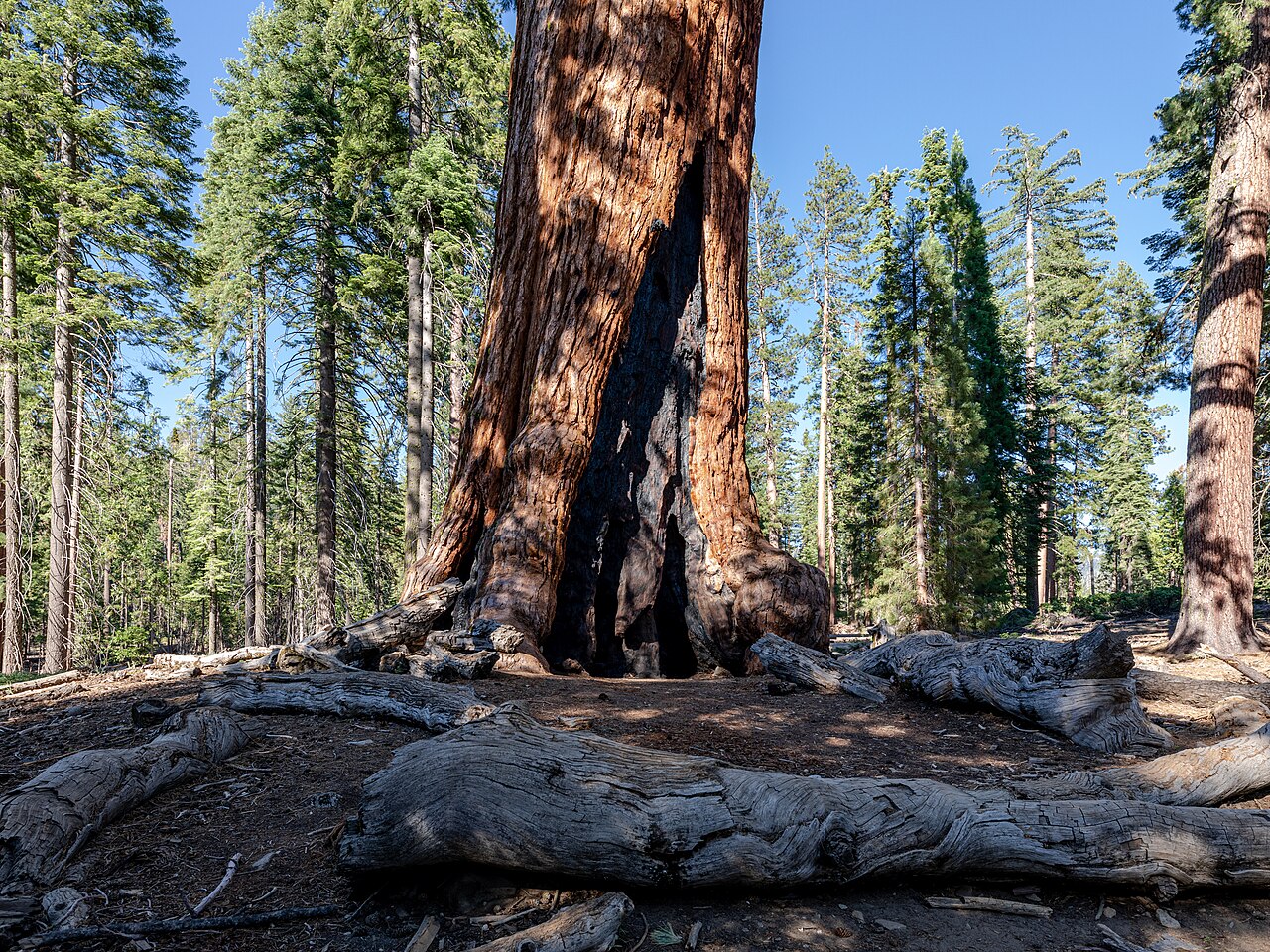
In late spring through fall, drive Glacier Point Road early to Glacier Point for the view over Half Dome and the valley, and walk Sentinel Dome or Taft Point. Continue south on Highway 41 to the Mariposa Grove, park at the Welcome Plaza and take the free shuttle to the Grizzly Giant Loop. If you are leaving through the South Entrance, this makes a perfect last day; otherwise, return to the valley for a final sunset at Tunnel View. In winter, swap Glacier Point for Badger Pass: ski, snowboard, tube or snowshoe toward Dewey Point, using the free shuttle from the valley if you prefer not to drive. If the shuttle to the Mariposa Grove has stopped, walk or snowshoe the two miles up the Washburn Trail to the giant sequoias. Travelers on the Highway 120 side can instead visit the Tuolumne or Merced Groves and, if the road is open, Hetch Hetchy.
Seasonal swaps
In summer, add a day on the Tioga Road to Tuolumne Meadows and Tenaya Lake if you have more time — it is closed in winter. In spring, prioritize waterfalls: Yosemite Falls, Bridalveil, and the Mist Trail are at their peak, and Hetch Hetchy's Wapama Falls is a powerful extra. In fall, expect low waterfalls but golden light and fewer crowds; El Capitan and Half Dome are the stars. In winter, chains, short days and cold nights shape the plan, but the reward is a quiet, snow-dusted valley.
If you only have one day
Combine Tunnel View, Bridalveil Fall, El Capitan Meadow, the Valley Floor Tour and Lower Yosemite Fall, with sunset back at Tunnel View. If you are coming from San Francisco without a car, a guided day trip can cover the valley highlights, though it is a very long day.
Practical notes
Use the free valley shuttle to avoid parking hassles, and arrive early at popular trailheads. Store all food in bear lockers. Check the NPS conditions page each morning for road and trail updates. Carry water and snacks, and dress in layers; the valley can be much warmer or colder than the rim. Above all, leave time to sit in a meadow and look up — Yosemite is best appreciated slowly.
Adding a fourth day
If you can stretch the trip, spend the extra day on whichever corner matches the season. In spring, drive out to Hetch Hetchy for Wapama Falls at full force, with lunch at Evergreen Lodge or Rush Creek Lodge on the way back. In summer and early fall, take the Tioga Road to Olmsted Point, Tenaya Lake and Tuolumne Meadows while it is open. In winter, give Badger Pass a full day and the Mariposa Grove another, or simply repeat your favorite valley walk in different light. In any season, a rest morning with nothing planned is a luxury that pays off in better sunsets.