City breaks
Middle East city breaks
Souks, sea fronts and some of the most ambitious architecture on Earth. The best cities in the Middle East for a short stay, often as a stopover.
Dress codes and alcohol rules vary a lot by country. Check local customs and visa rules, and plan around Ramadan, when daytime hours change.
The Gulf
QatarDoha
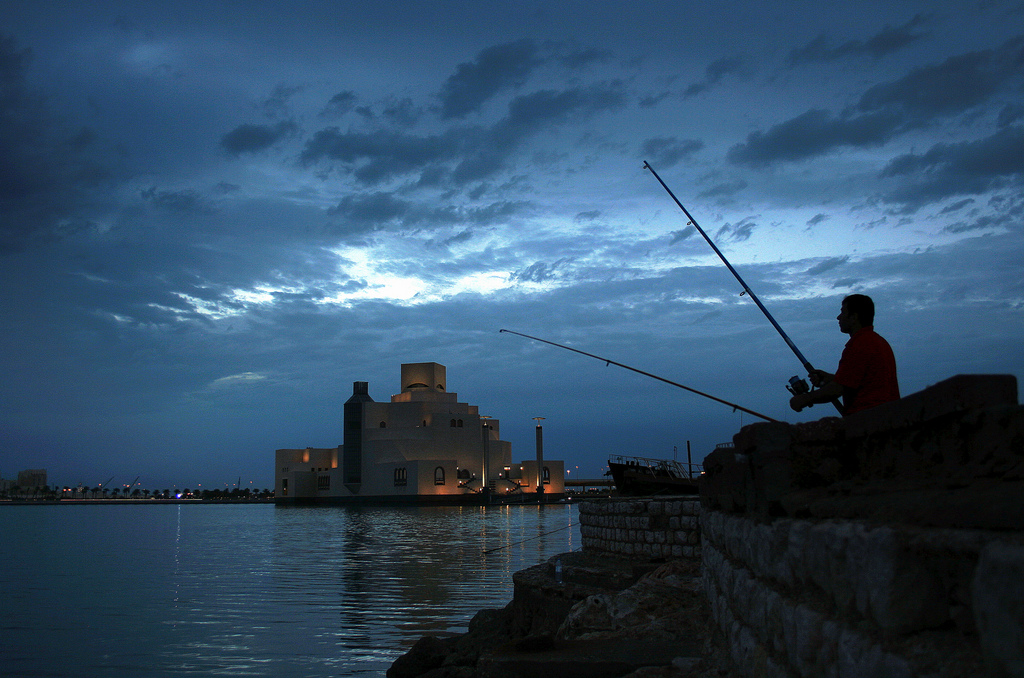
The Museum of Islamic Art, Souq Waqif and desert trips.
 Bahrain
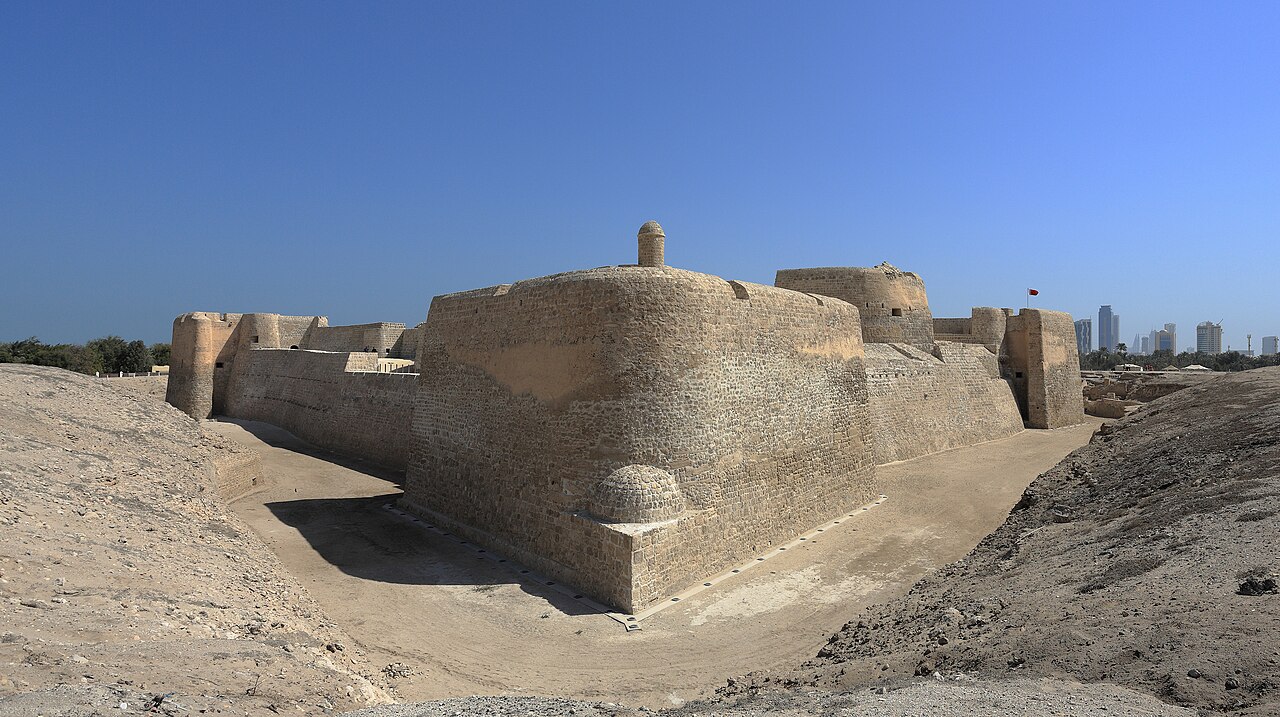
Ancient forts, pearl-diving history and Formula 1.
 Kuwait
 City
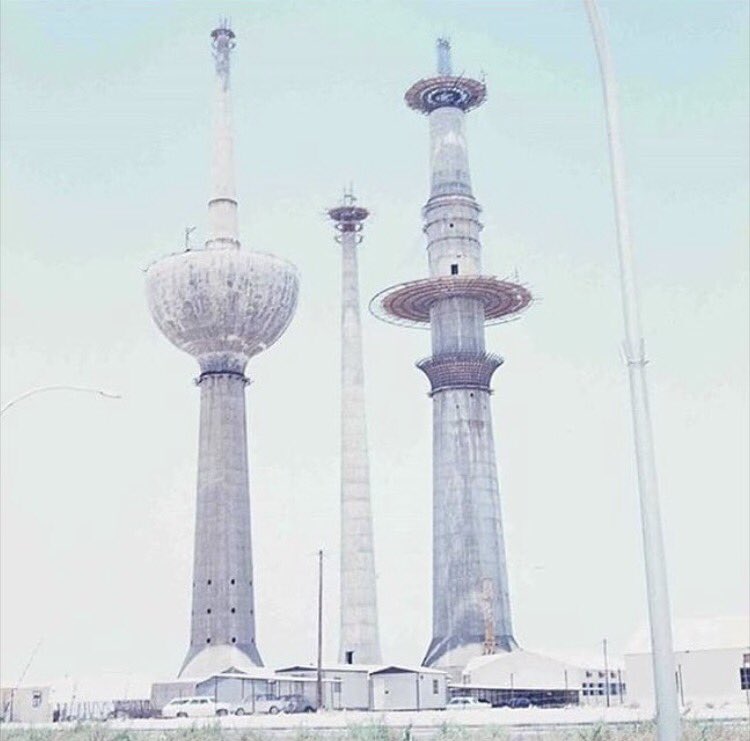
The Kuwait Towers and a traditional souk.
 Saudi Arabia
Riyadh
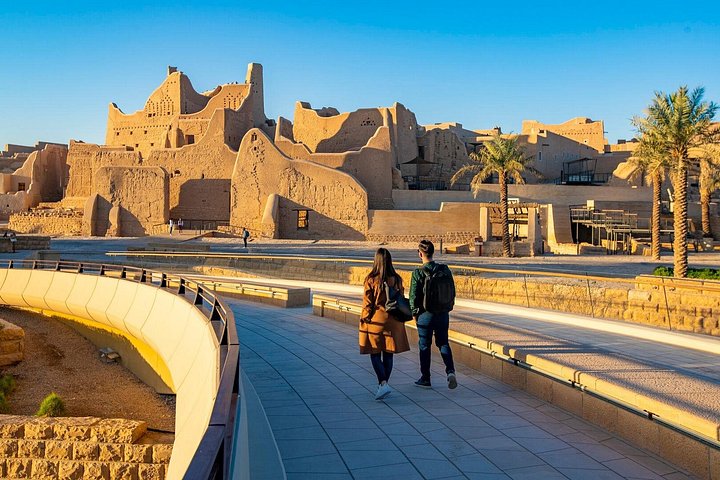
Diriyah, the Kingdom Centre and desert escarpments.
 Saudi Arabia
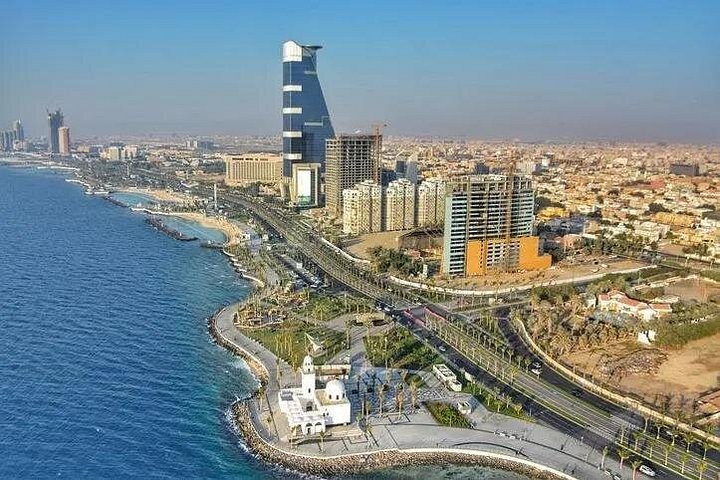
Jeddah
Al-Balad’s coral-stone old town on the Red Sea.
 United Arab Emirates
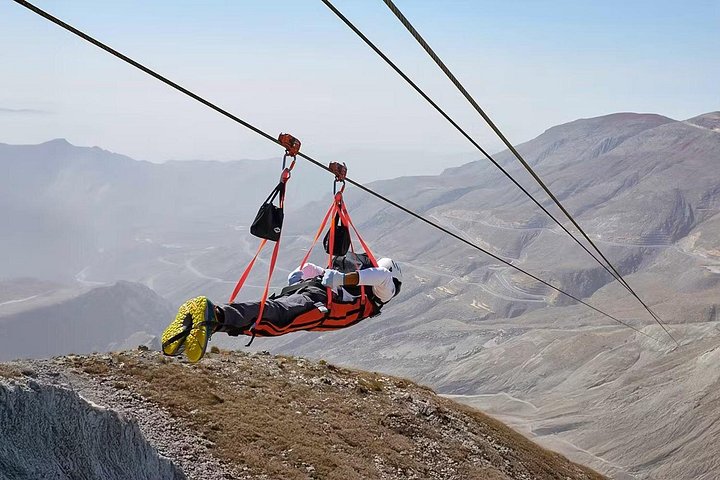
Ras Al Khaimah
The world’s longest zip line and mountain views.
The Levant & Egypt

The Caucasus & Central Asia
Planning tips
The Middle East works well for short stays, and the right city depends on whether you want polish, history or something rawer. Doha and Bahrain are the easiest, with excellent museums, souks, modern hotels and good air links, which makes Doha especially popular as a stopover of a night or two. Riyadh and Jeddah are newer to visitors and suit curious travellers who want heritage sites such as Diriyah and Al-Balad alongside rapid change. Kuwait City and Ras al-Khaimah are more compact, quieter stops for travellers who prefer a slower pace.
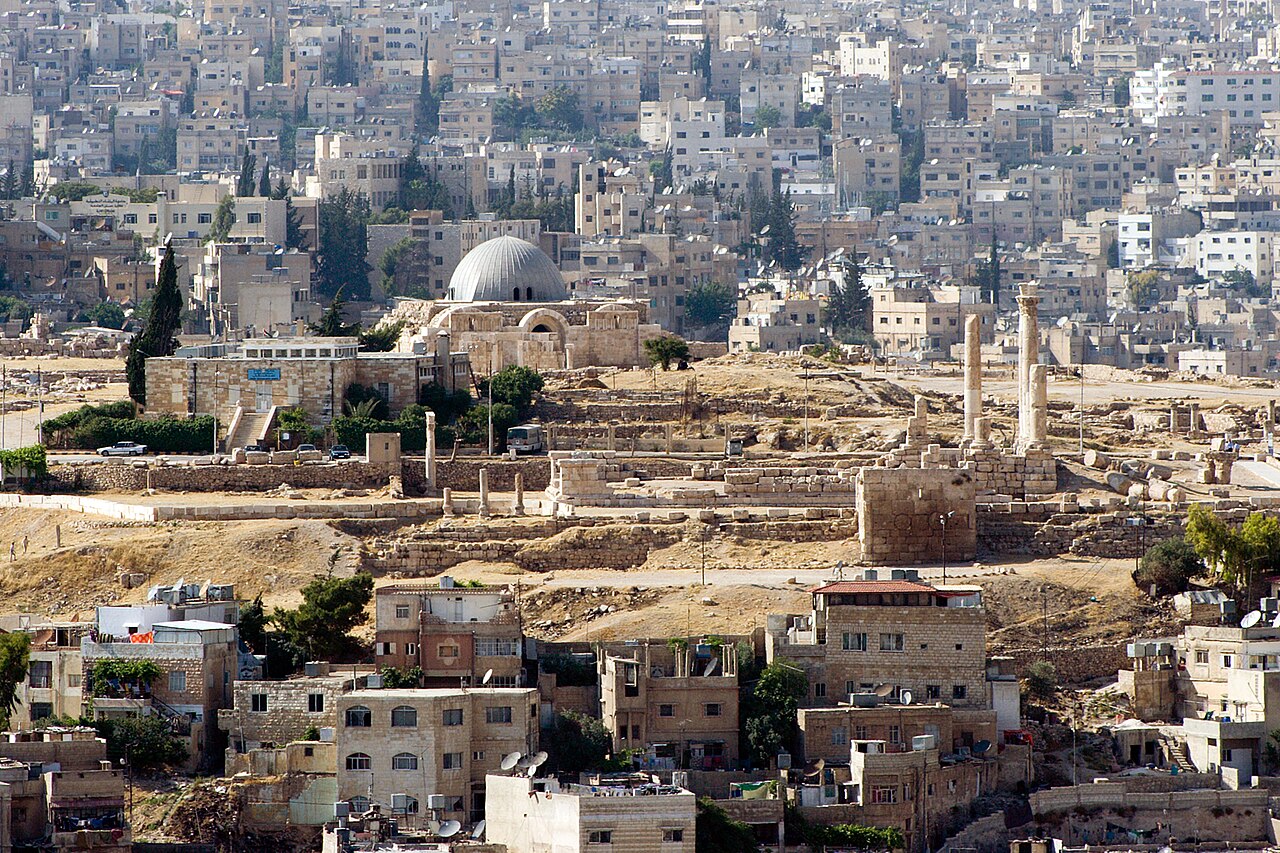
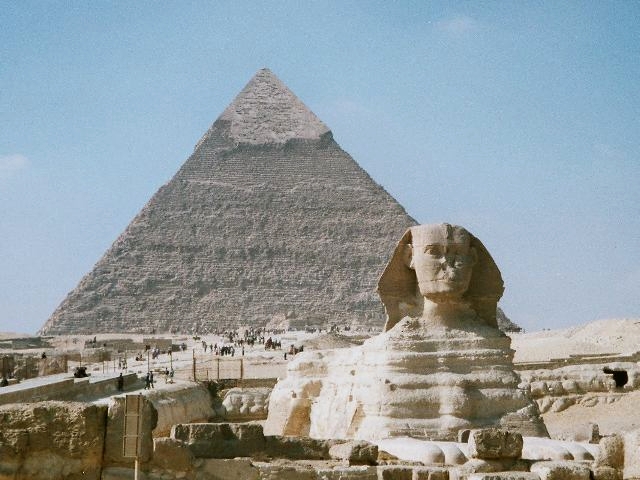
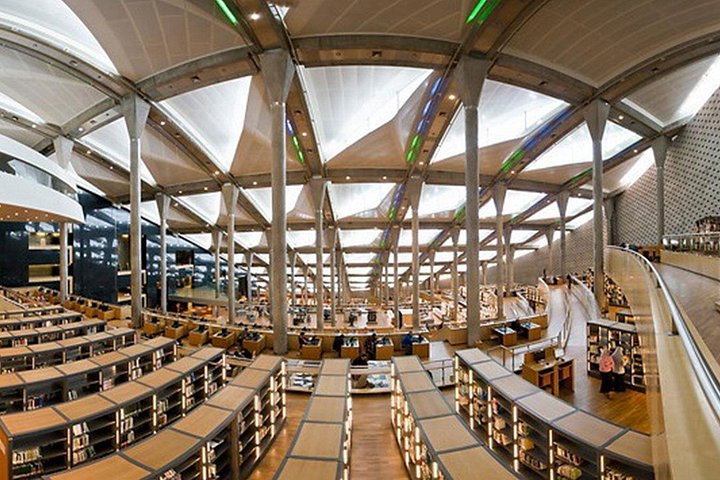
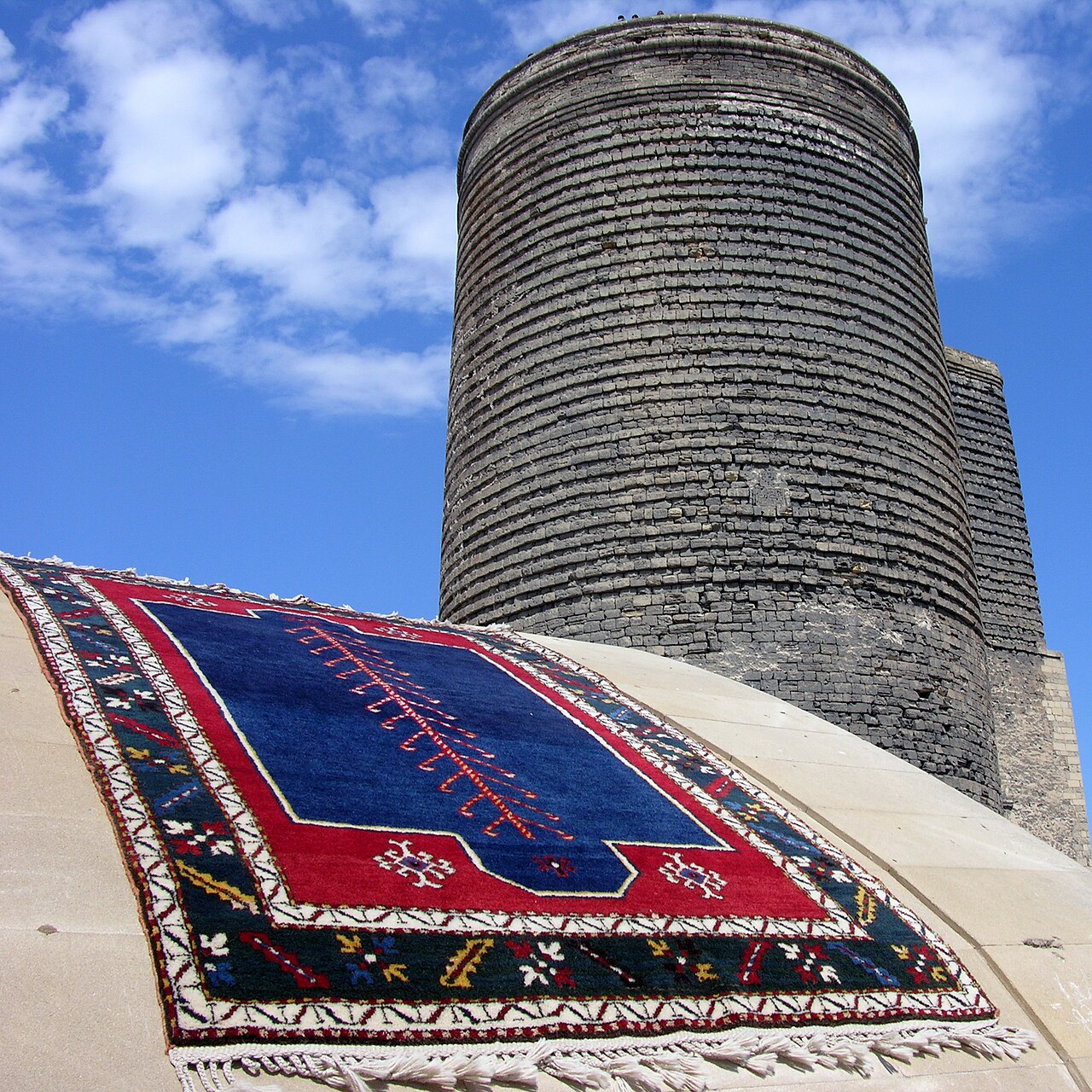
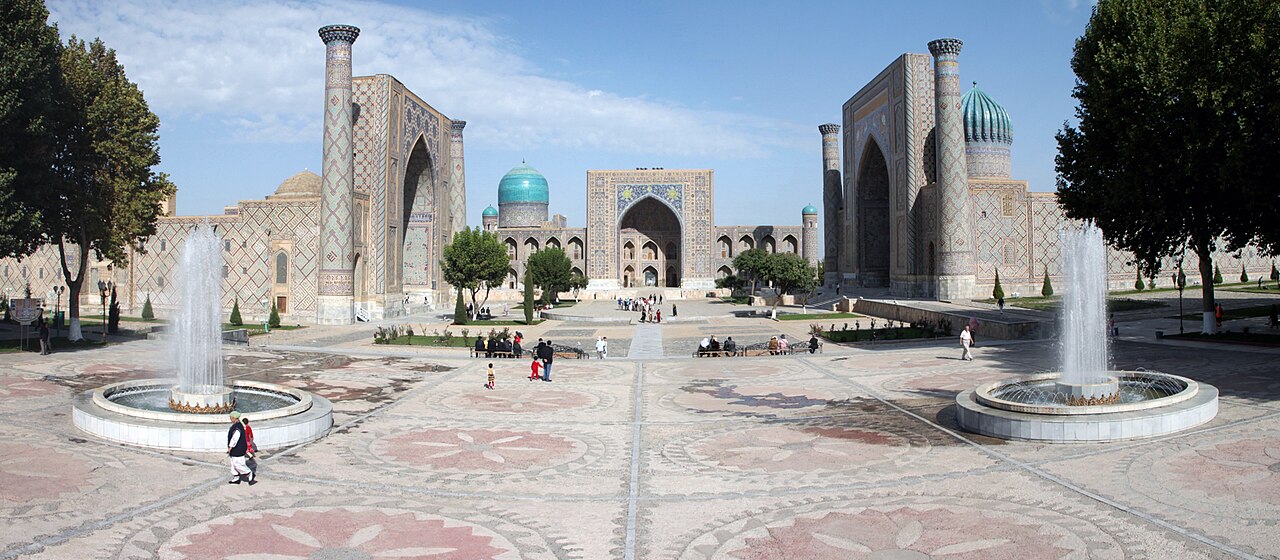
For ancient history, Cairo and Amman are the standouts. Cairo needs at least three nights to take in the pyramids, museums and Islamic quarter without rushing, while Amman works well in two days and often combines with Petra or the Dead Sea. Alexandria is a gentler seaside add-on. Tel Aviv and Beirut are the pick for food, beaches and nightlife, though you should check current travel advice for the region before booking and stay flexible. Baku, Almaty and the Silk Road cities of Uzbekistan suit travellers who want something less familiar, with old walled quarters, mountains and blue-tiled monuments.
Winter and the shoulder months are usually the most comfortable for the Gulf and Egypt, because summer heat is intense and outdoor sightseeing becomes hard. Mountain-backed cities such as Almaty are lovely in late spring and early autumn. Plan around Ramadan, when opening hours shift and daytime dining is limited, though evenings can be wonderful. Religious holidays can also affect prices and availability.
Dress codes, alcohol rules and local customs differ a lot from one country to the next, so read up before you pack. Visa rules also vary, and several countries offer e-visas or short-stay arrangements, so check early. Use licensed taxis or ride apps, agree on prices before long trips, and book desert excursions or archaeological guides through reputable operators.
Questions
Which Middle East city is best for a short stopover?+
Doha is a popular choice because of its major airport, compact centre, excellent museums and Souq Waqif. A night or two is enough to cover the highlights. Other Gulf cities, such as Bahrain's capital area, also work well for short layovers. Check the visa and transit rules for your passport before you plan to leave the airport.
How many days do I need in Cairo?+
Three nights is a good minimum for Cairo, giving you a full day for the pyramids and Giza, another for museums, and time for the Islamic quarter and bazaars. The city is busy and traffic can be slow, so avoid cramming too much into each day. Add a day if you want to visit Alexandria.
When is the best time to visit the Middle East?+
For most of the Gulf and Egypt, the cooler months from late autumn to early spring are the most comfortable. Summer is very hot, which limits sightseeing to early mornings and evenings. Amman and mountain cities like Almaty are lovely in spring and autumn. Check the dates of Ramadan, which changes each year.
What should I wear in Middle East cities?+
Dress modestly, particularly at religious sites, in older neighbourhoods and in more conservative countries. Loose, lightweight clothing that covers shoulders and knees is a safe choice, and women may be asked to cover their hair at mosques. Rules differ widely, so check local customs for your destination before you pack.