Travel ideas
Europe’s underrated cities
Fewer crowds, lower prices and just as much history. These second cities and smaller capitals are some of the best places in Europe that most visitors skip.
Iberia
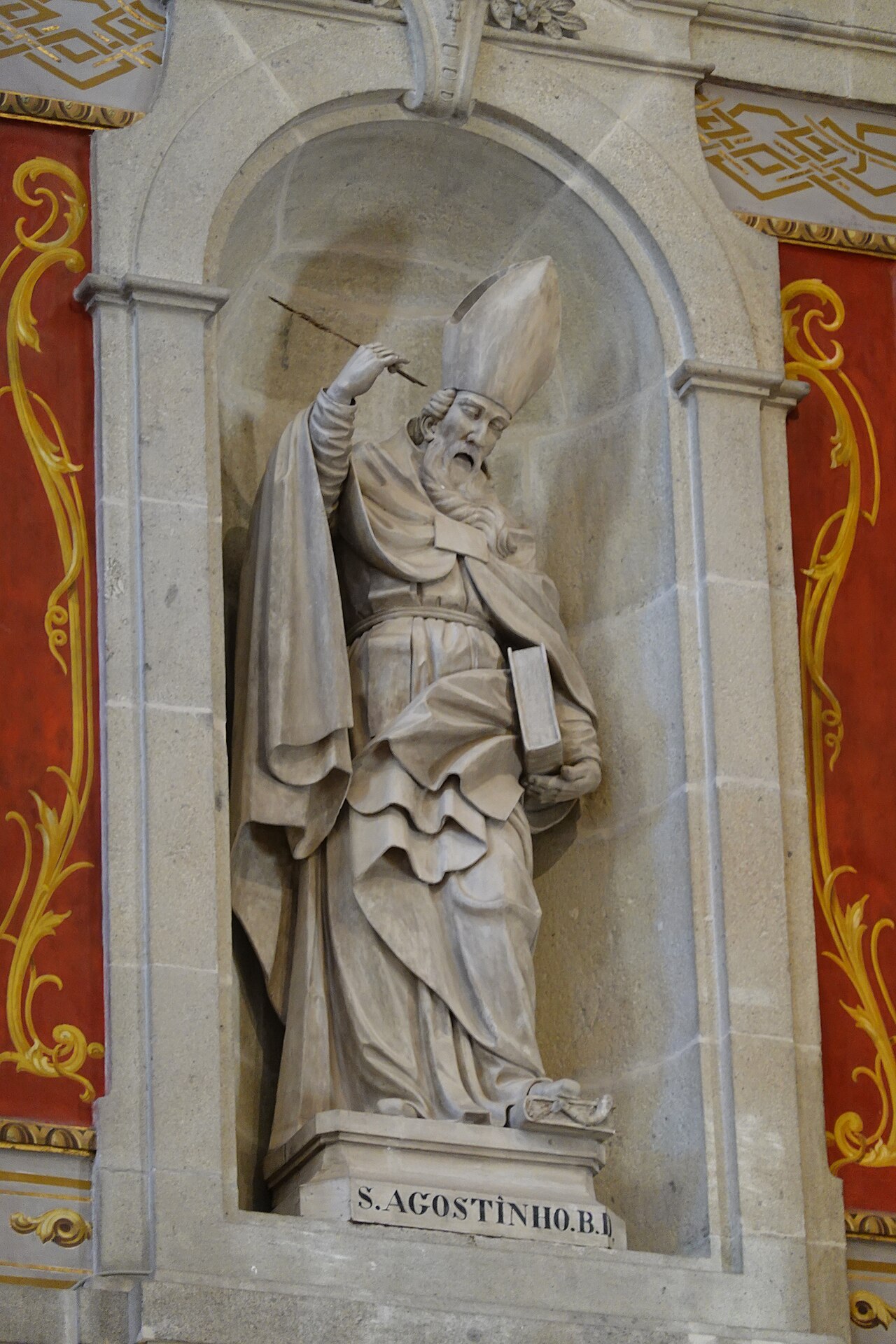
PortugalBraga & the Minho
Portugal’s religious capital, with a baroque stairway sanctuary.
 Portugal
Coimbra
One of Europe’s oldest universities and its baroque library.
 Spain
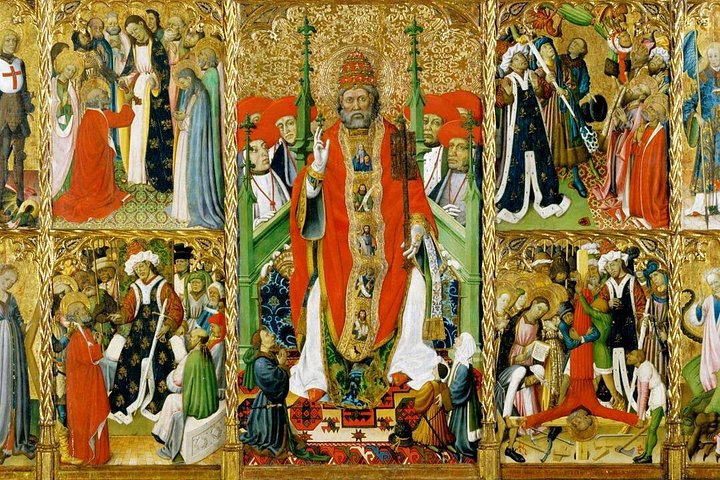
Girona & the Costa Brava
Medieval walls, a Jewish quarter and great restaurants.
 Spain
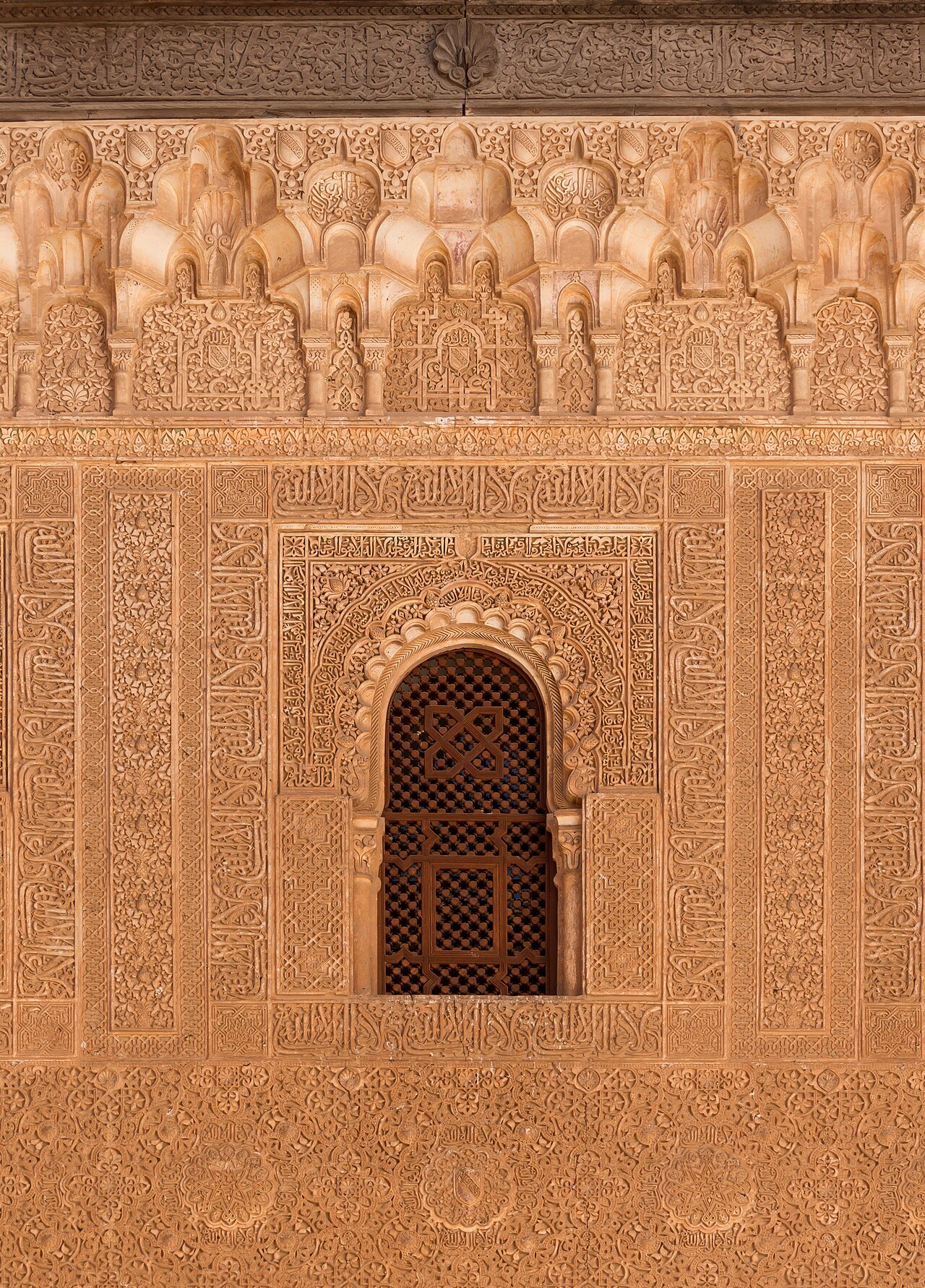
Granada
The Alhambra and free tapas.
 Spain
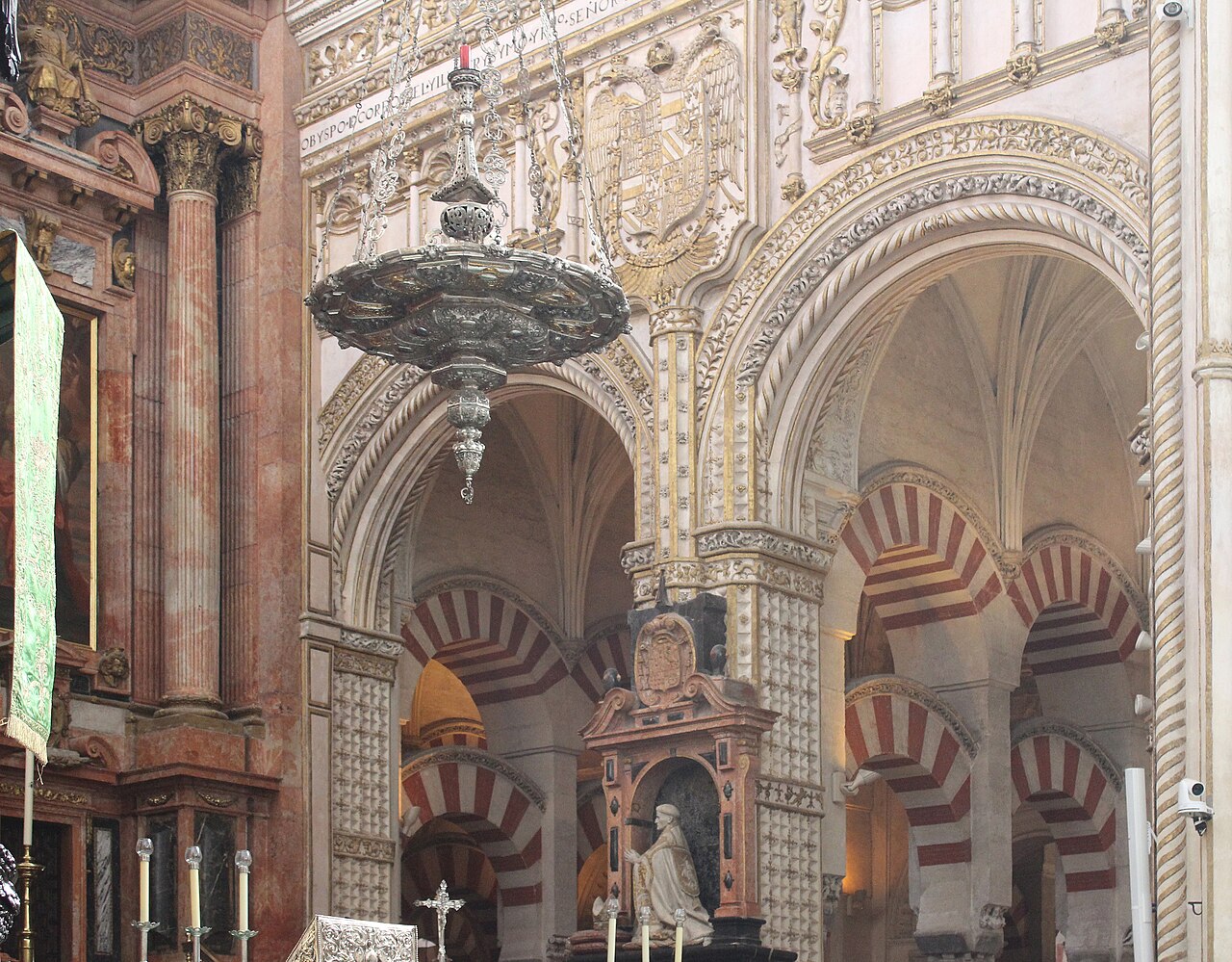
Córdoba
The Mezquita and flower-filled patios.
 Spain
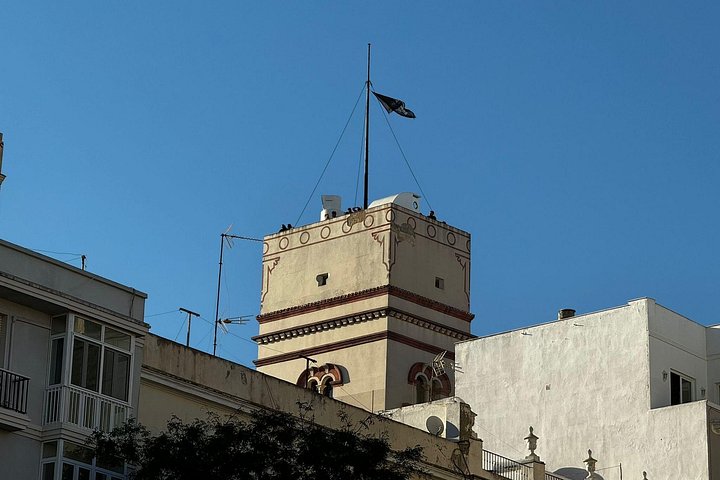
Cadiz & Jerez
One of Europe’s oldest cities, ringed by the sea.
Western & Central Europe
 Belgium
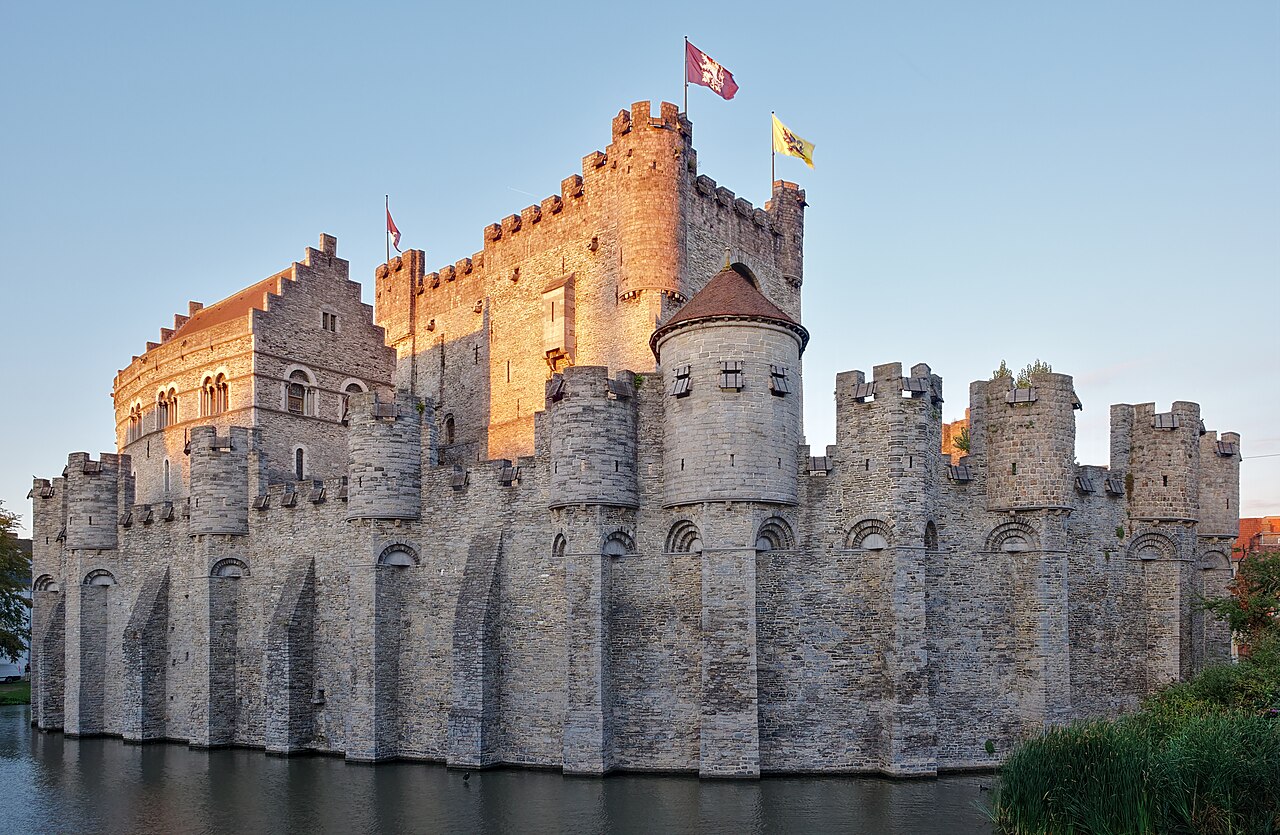
Ghent
Canals and medieval guildhalls without the Bruges crowds.
 Netherlands
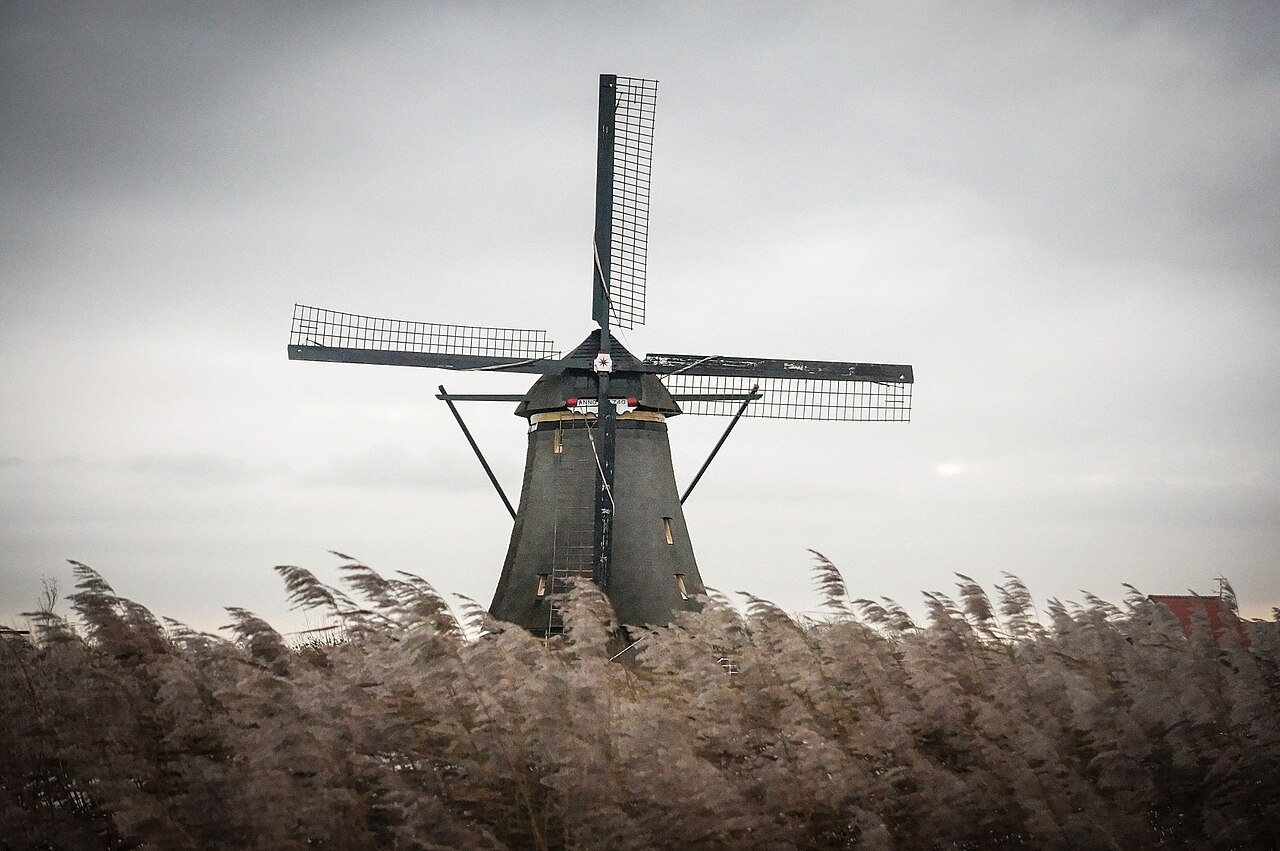
Rotterdam
Bold modern architecture and a busy port.
 Netherlands
The Hague & Delft
Vermeer, the Mauritshuis and Delft blue pottery.
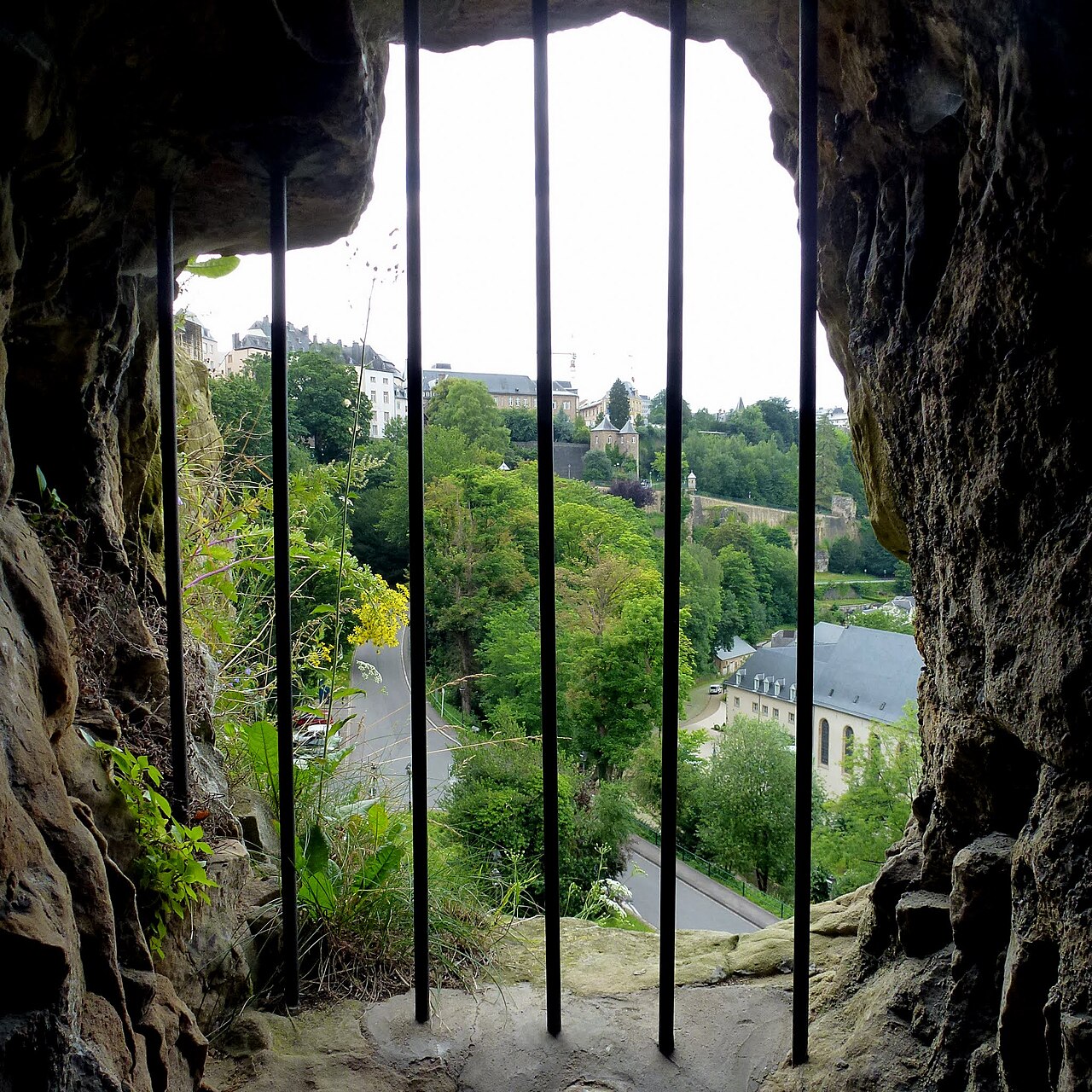 Luxembourg
 City
A clifftop old town over deep green valleys.
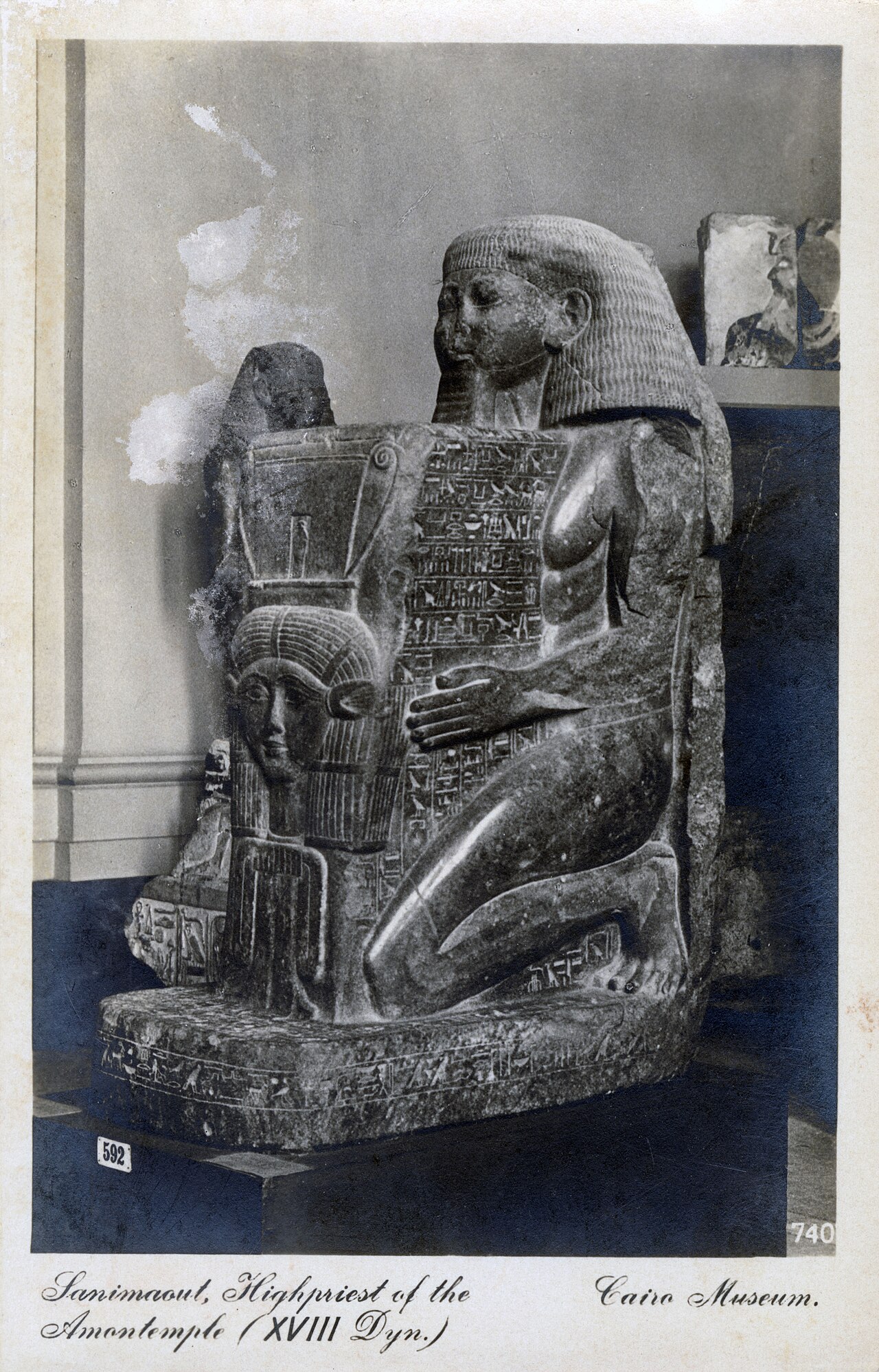 Italy
Turin
Grand cafés, chocolate and the Egyptian Museum.
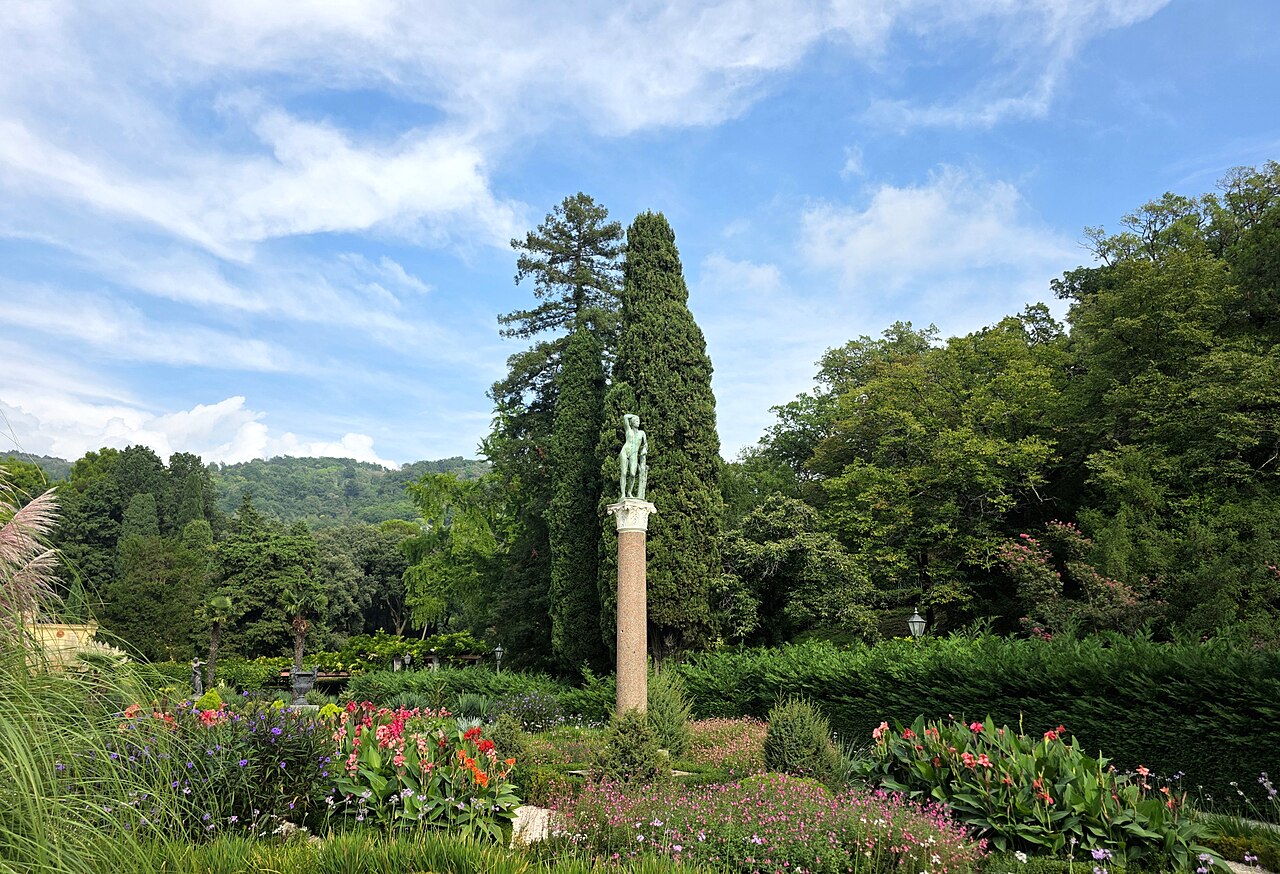 Italy
Trieste
Habsburg coffee houses on the Adriatic.
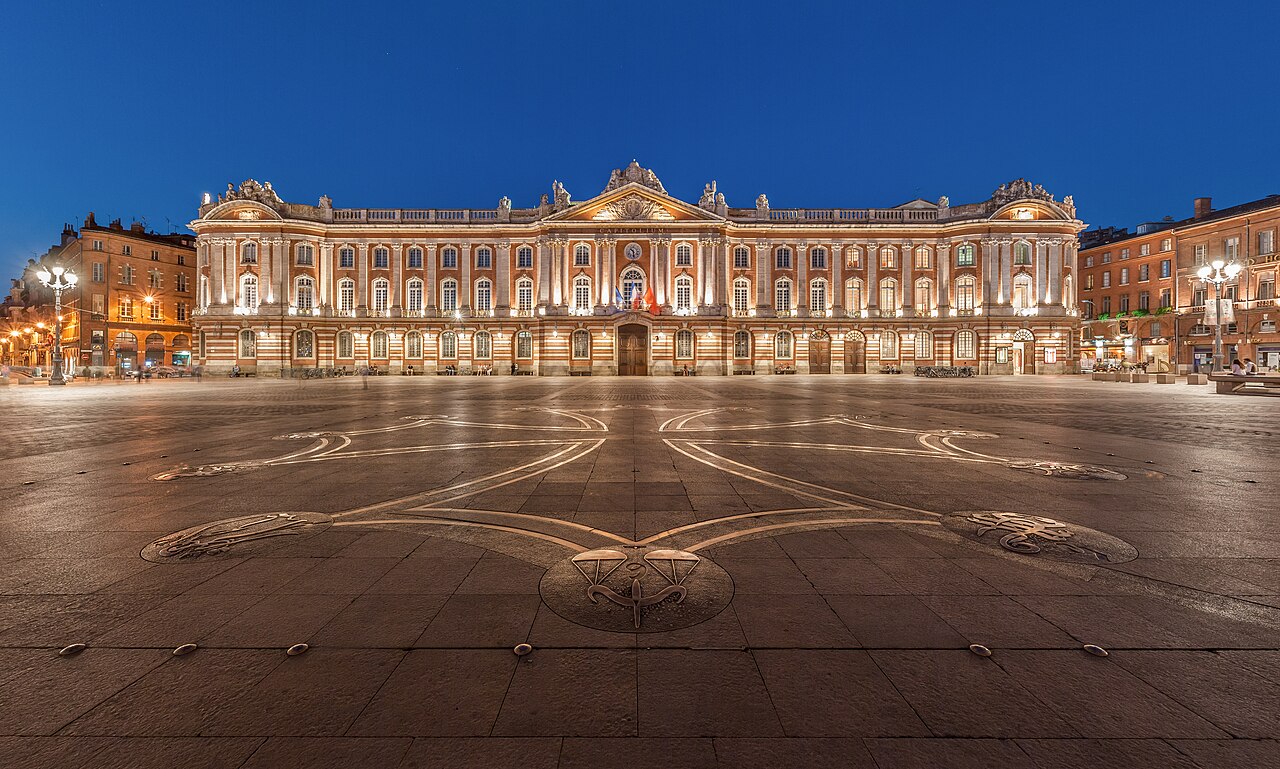 France
Toulouse & Carcassonne
The pink city of brick and aerospace.
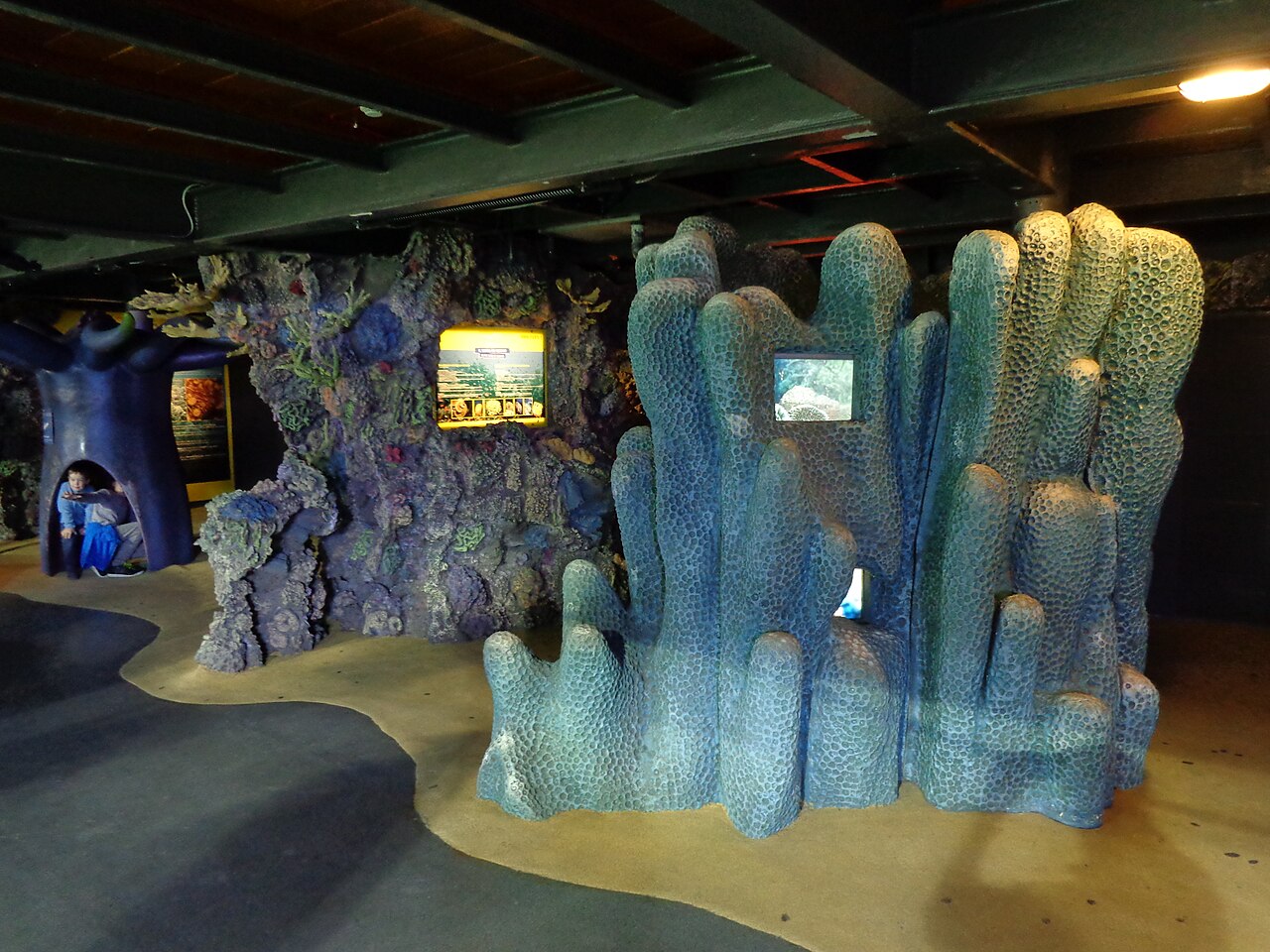 Italy
Genoa
Painted palaces and the best pesto.
Eastern Europe & the Caucasus
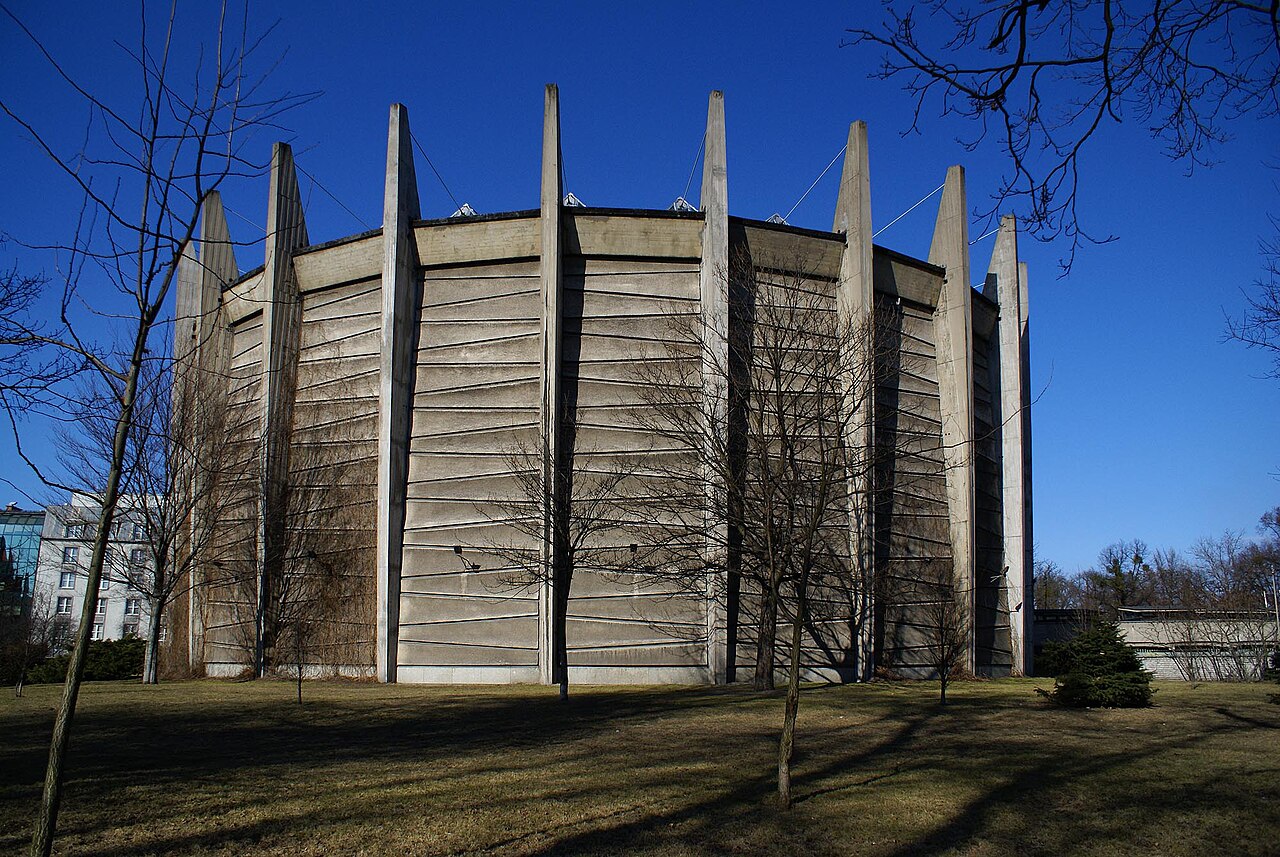 Poland
Wrocław
A colourful market square and hundreds of bronze dwarfs.
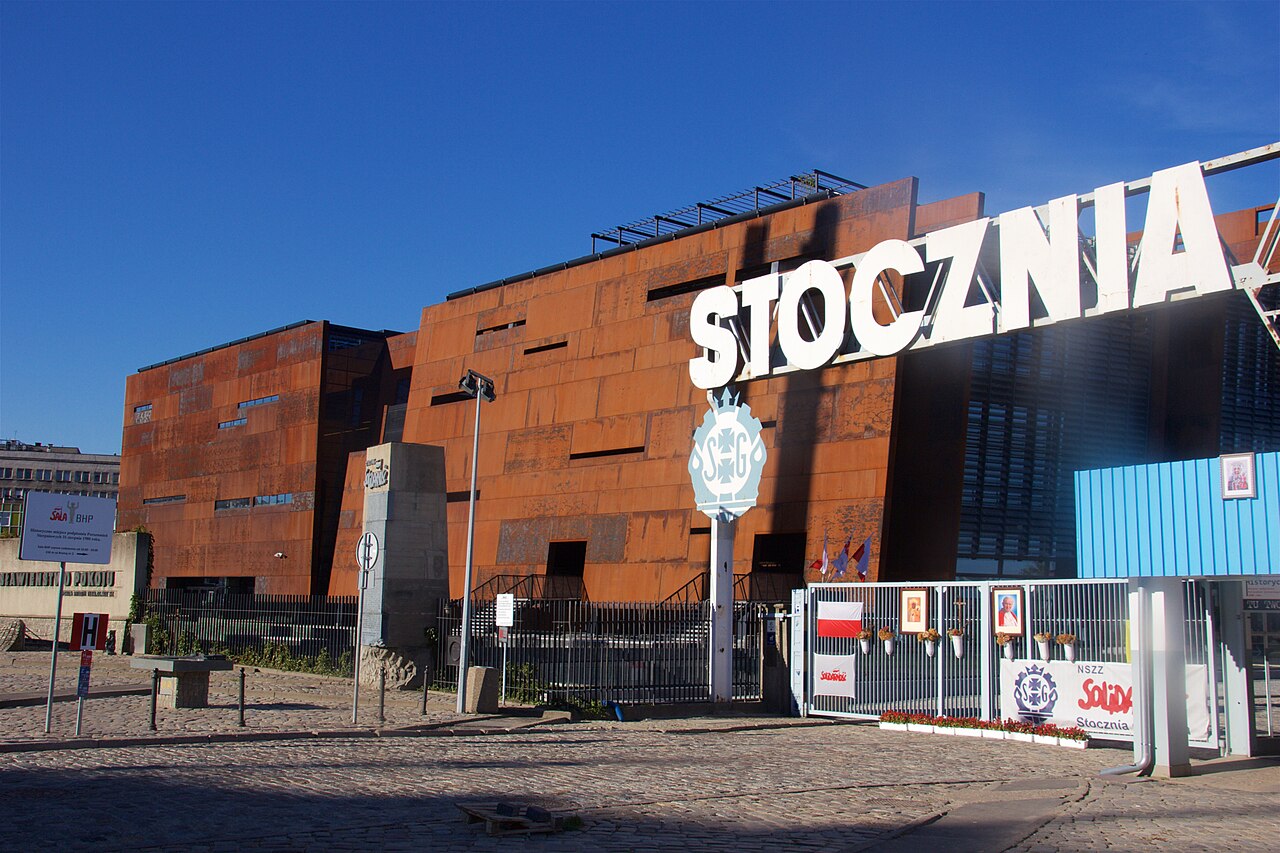 Poland
Gdańsk
Hanseatic gabled houses on the Baltic.
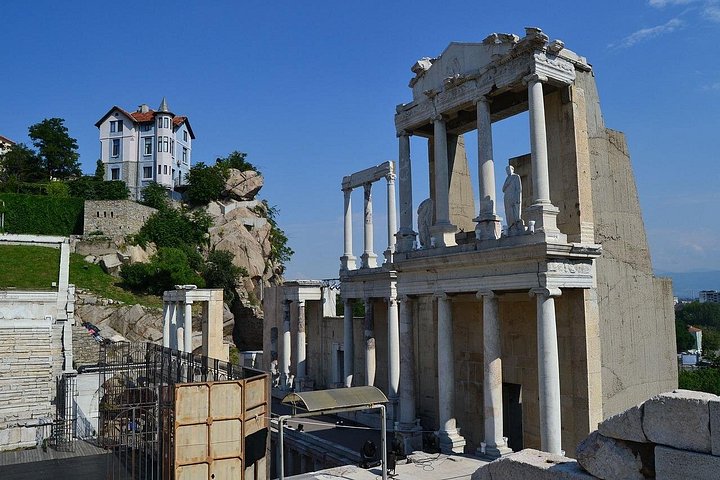 Bulgaria
Plovdiv
A Roman theatre in the middle of town.
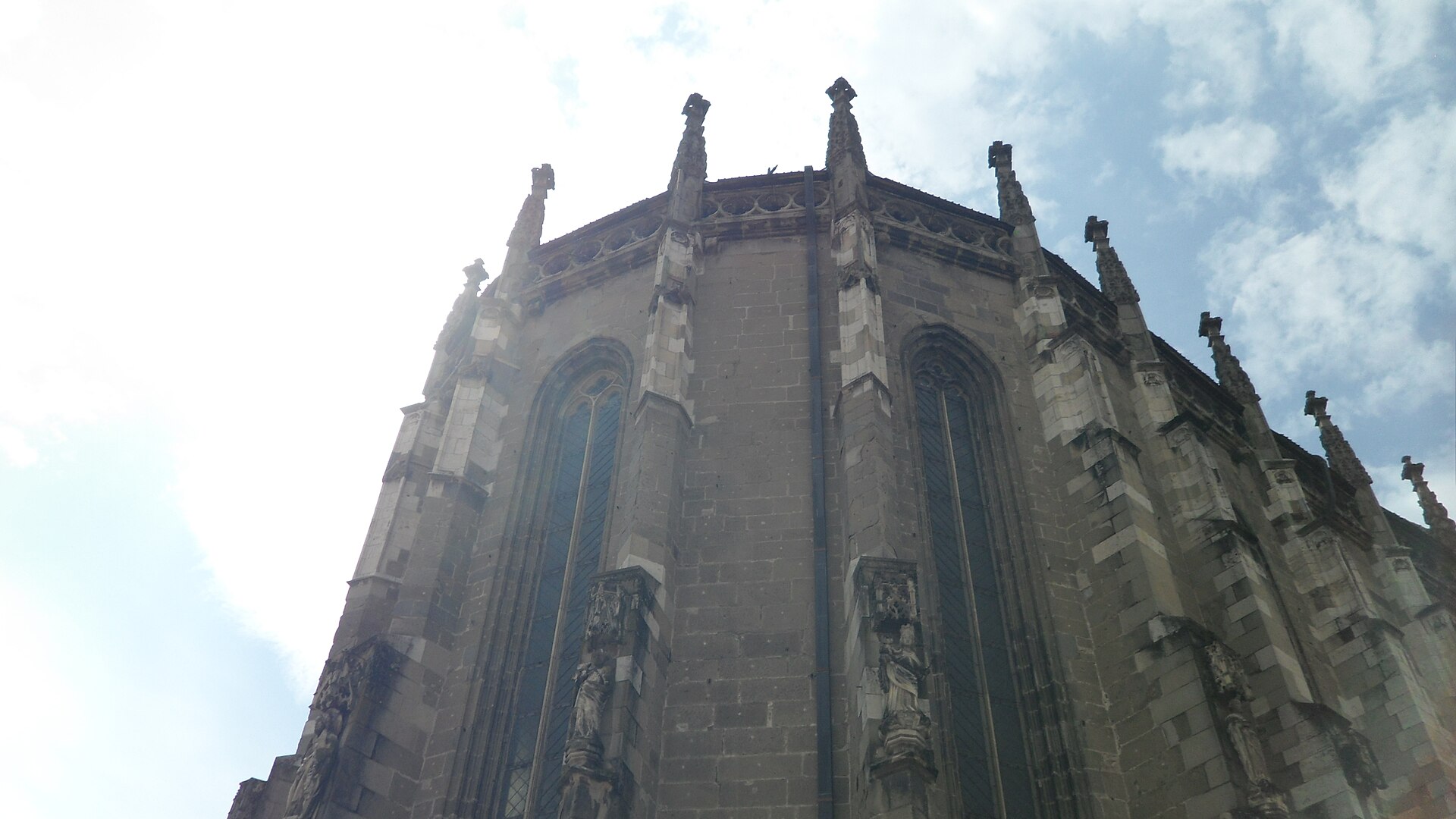 Romania
Brasov & Transylvania
A Saxon old town under the Carpathians.
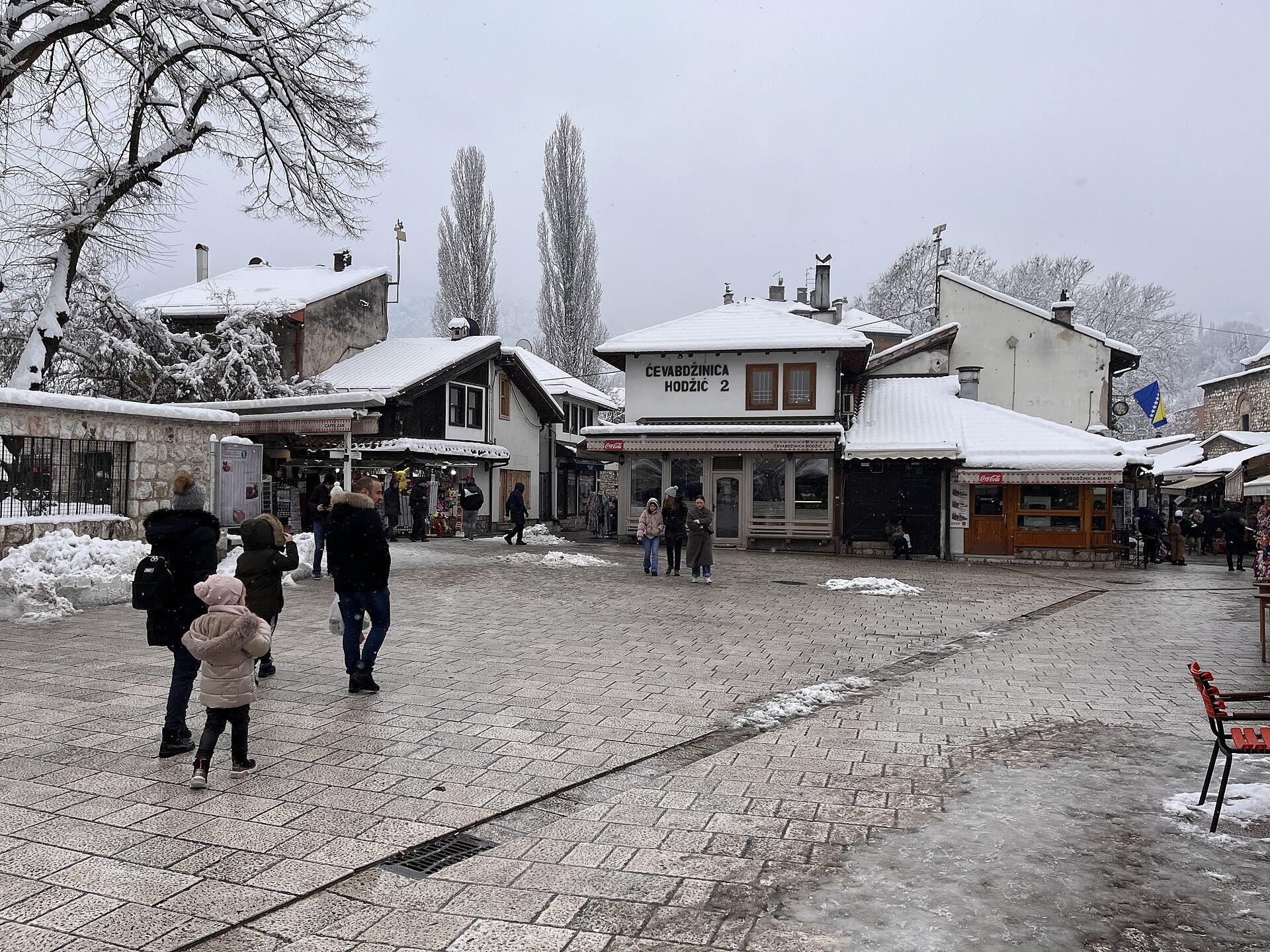 Bosnia and Herzegovina
Sarajevo & Mostar
Ottoman bazaars and Austro-Hungarian avenues.
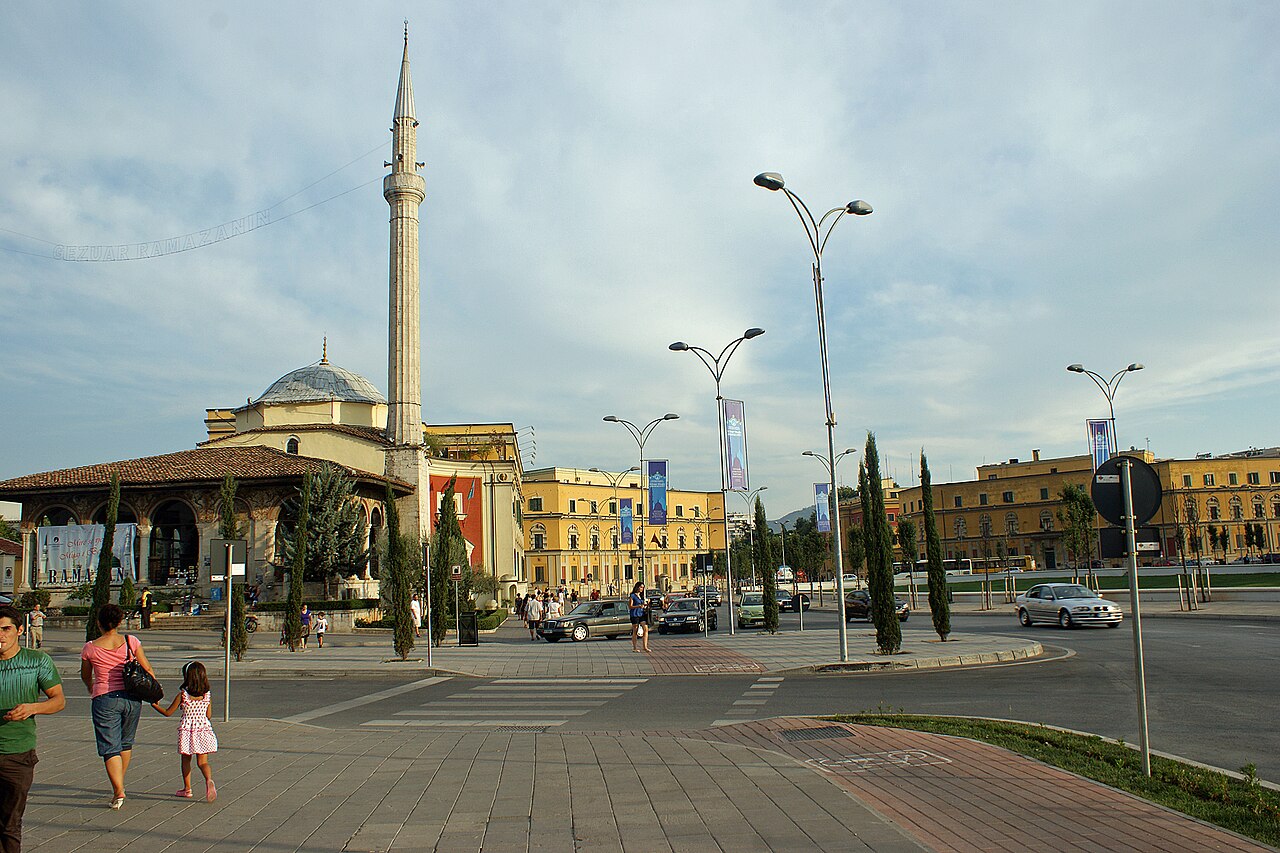 Albania
Tirana
Colourful buildings and a fast-changing capital.
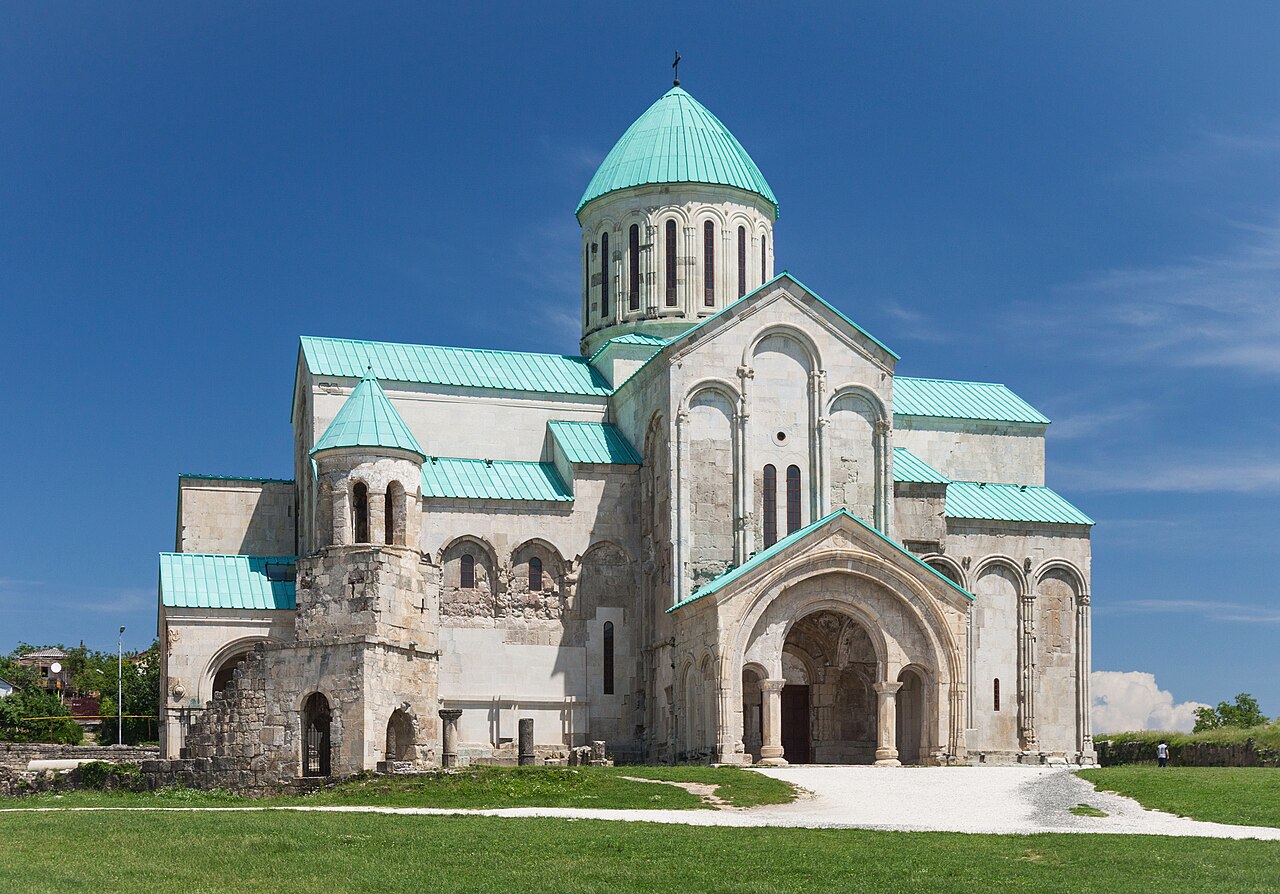 Georgia
Kutaisi and Western Georgia
Monasteries and caves in western Georgia.
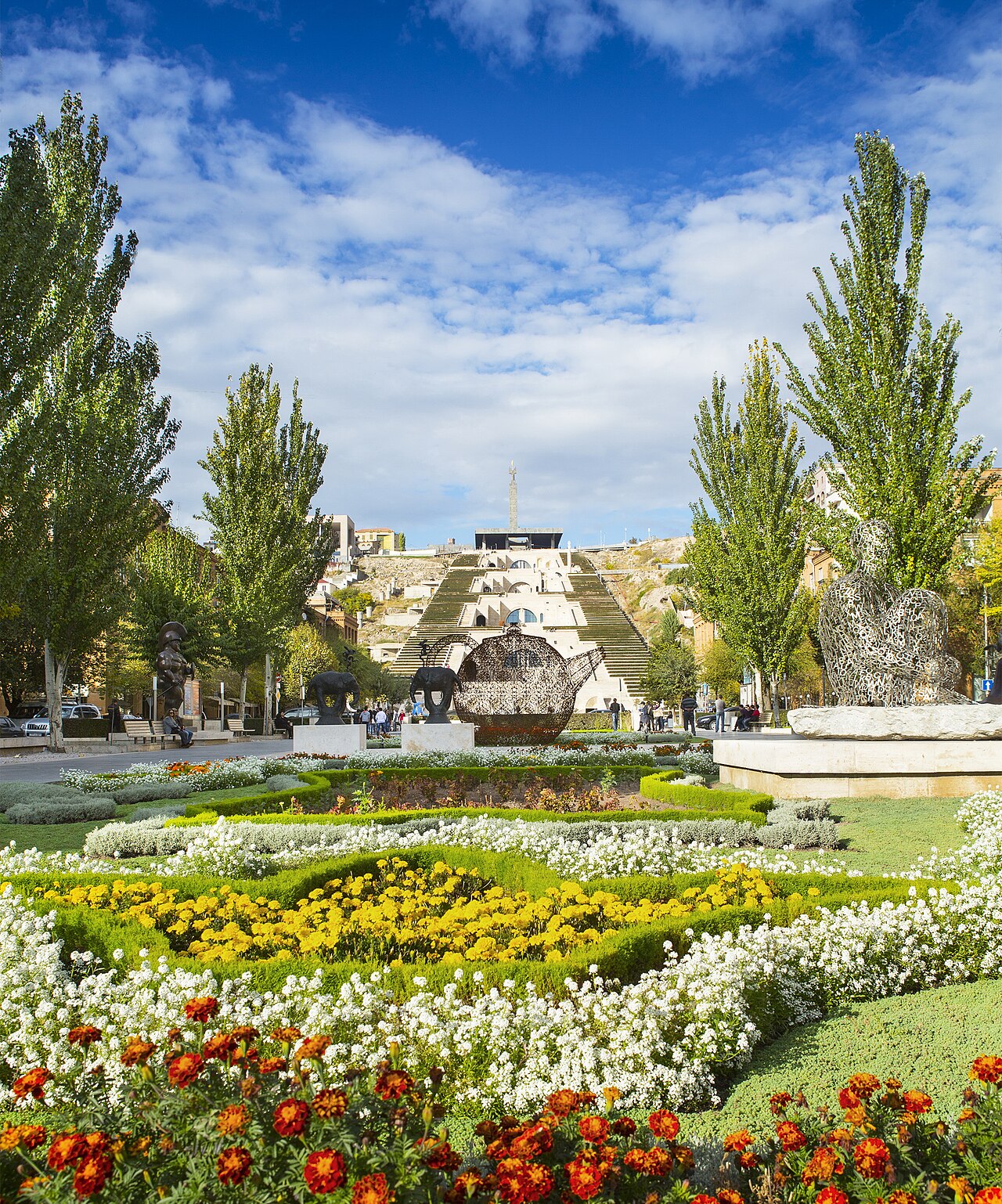 Armenia
Yerevan
The pink-stone city under Mount Ararat.
Planning tips
The idea behind this page is simple: choose a smaller city and you usually get history, food and architecture with shorter queues and a more local feel. Which one suits you depends on what you enjoy. For art, universities and baroque grandeur, Coimbra, Braga and Granada are hard to beat, while Cordoba and Cadiz suit travellers who want Moorish and maritime history in warm, walkable cities. Girona is a good pick for food lovers and for anyone planning a longer Catalan trip.
In northern and western Europe, Ghent is a calmer alternative to Bruges, Rotterdam suits architecture fans, and The Hague with Delft pairs great museums with easy day trips. Luxembourg is compact and works well as a stopover. In Italy, Turin and Trieste are for café culture and museums, Genoa for its old port and harbourfront streets, and Toulouse in France for pink brick and a lively student scene.
Further east, Wroclaw and Gdansk make good city breaks for travellers who want colourful squares and a strong sense of history on the Baltic coast, and Brasov is a base for the Carpathians and Transylvanian castles. Plovdiv and Kutaisi suit slow travellers with a taste for ancient layers, while Sarajevo, Tirana and Yerevan are ideal if you want bustling capitals with a very different character from western Europe.
Two nights is enough for most of these cities, and three lets you add a day trip. Spring and autumn are usually the most comfortable, avoiding peak summer heat in the south and the heaviest crowds elsewhere, though winter can be lovely in cities with Christmas markets or cosy cafés. Many of these places pair naturally with a neighbour, such as Braga with Porto or Gdansk with other Baltic towns. Most are easy to reach by train or short flight, but check connections in advance, especially in the Balkans and the Caucasus, where buses and shared minibuses are often more practical than rail. Book accommodation in the old town if you want to walk everywhere. A common mistake is to treat these places as a day trip from a bigger name; stay overnight and you will see them at their best, in the quiet of the evening and morning.
Questions
When is the best time to visit underrated European cities?+
Spring and autumn are usually the best bet, with mild weather, comfortable sightseeing and thinner crowds. Summer can be very hot in southern cities such as Cordoba and Granada, though it suits Baltic and northern spots well. Winter is quiet and good value, and some places, especially in central Europe, are particularly atmospheric around the festive season.
How many days do I need in a smaller European city?+
Two nights is enough to see the main sights of most smaller cities at a relaxed pace. Three nights lets you add a day trip or a slower look at museums and food. If a city is a gateway to wider scenery, such as Brasov, Girona or Kutaisi, extend to four nights to explore the surrounding area.
Are these cities cheaper than the famous ones?+
Generally they are better value than the big-name capitals, especially for food, drinks and local transport, though costs vary widely across the continent. Eastern Europe and the Caucasus tend to be the most affordable, while places such as Luxembourg are comparatively expensive. Staying outside the busiest streets and eating where locals do will keep spending down.
Which underrated city is best for a first visit to Europe?+
Granada, Ghent, Turin and Gdansk are easy first choices, with clear sights, good transport and plenty of restaurants. They offer the flavour of famous destinations with shorter queues. If you want something more adventurous, try Sarajevo or Yerevan, which feel quite different, and give you a story that is genuinely less common among visitors.