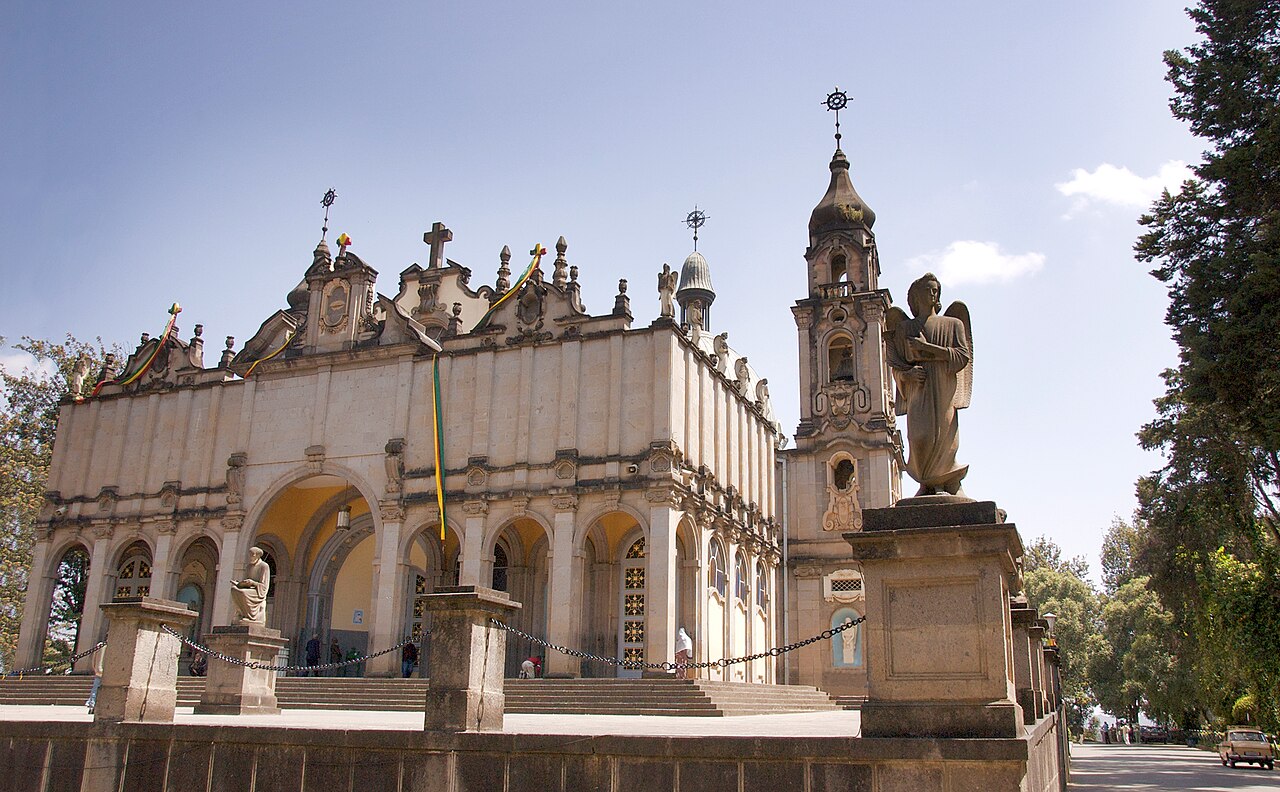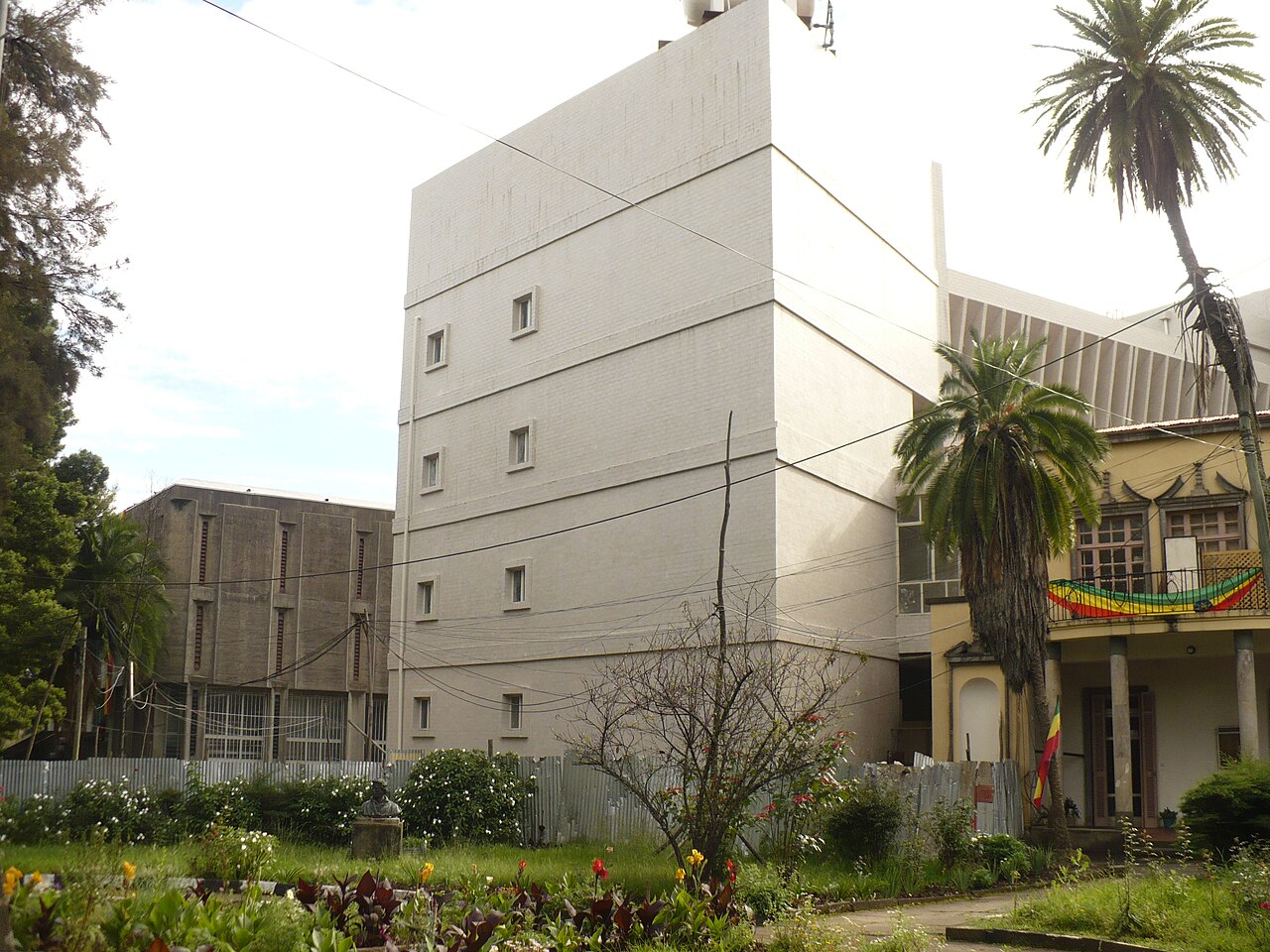
Addis Ababa is often called the political capital of Africa, and Africa Hall is the best place to see why. The hall belongs to the United Nations Economic Commission for Africa and was completed in the early 1960s in a confident modernist style. It is best known as the venue where African heads of state met in May 1963 to found the Organisation of African Unity, the forerunner of today’s African Union, whose headquarters now stand elsewhere in the city. Inside, a large stained glass window by the Ethiopian artist Afewerk Tekle fills the entrance hall with colour and depicts the struggles and hopes of the continent, and the building also contains a small exhibition about its history. Visits are not as casual as at the museums, because this is a working diplomatic site, but with a little planning it makes an unusual, thought-provoking stop for anyone interested in twentieth-century history, decolonisation and African politics.
What to see
The stained glass window is the highlight and the reason many visitors come, so allow time to study its symbolism. The main assembly hall, where the founding conference took place, and the exhibition on the hall’s history give context. Outside, you can look at the building’s clean lines and the surrounding grounds. The modern African Union headquarters complex, opened in 2012 with Chinese funding, is a short drive away, and your guide may offer a drive-by for photographs.
Visiting practicalities
Access arrangements are not the same as at a public museum. Visits are normally by prior arrangement or with a guide, with security checks and photo identification, and rules on photography and opening times can change. Ask your hotel, your guide or the venue before you go rather than turning up unannounced, and carry your passport or a copy. Dress neatly, as the setting is formal, and keep your bag light. Because it is a working site, parts of the building may be closed during conferences and events.
Making the most of it
Combine Africa Hall with a half-day in the centre, perhaps after the National Museum and before lunch, and give it about an hour. A guide who knows the history of 1963 and of the artist adds a great deal. If you have only a short time in the city, it is a rewarding alternative to a third church or museum, because it connects Ethiopia’s independent past to the wider story of the continent.
Choose a morning visit, and plan the route with your driver, since traffic in the diplomatic district can be heavy during summits.
What to expect
The experience
A short, usually arranged visit to a working diplomatic building, with a famous stained glass window and a small history exhibition.
Best time
Morning, after confirming access with your hotel or guide in advance.
How long
About an hour.
Tips
Carry photo identification, dress neatly, ask about photography rules and avoid turning up unannounced.
Quick picks
- Best for
- History and politics fans, and anyone curious about Addis Ababa as a diplomatic capital.
- Families
- Best for teenagers and adults interested in history; younger children may find it formal.
- Couples
- A quiet, thoughtful stop that makes a change from churches and markets.
- Pair with
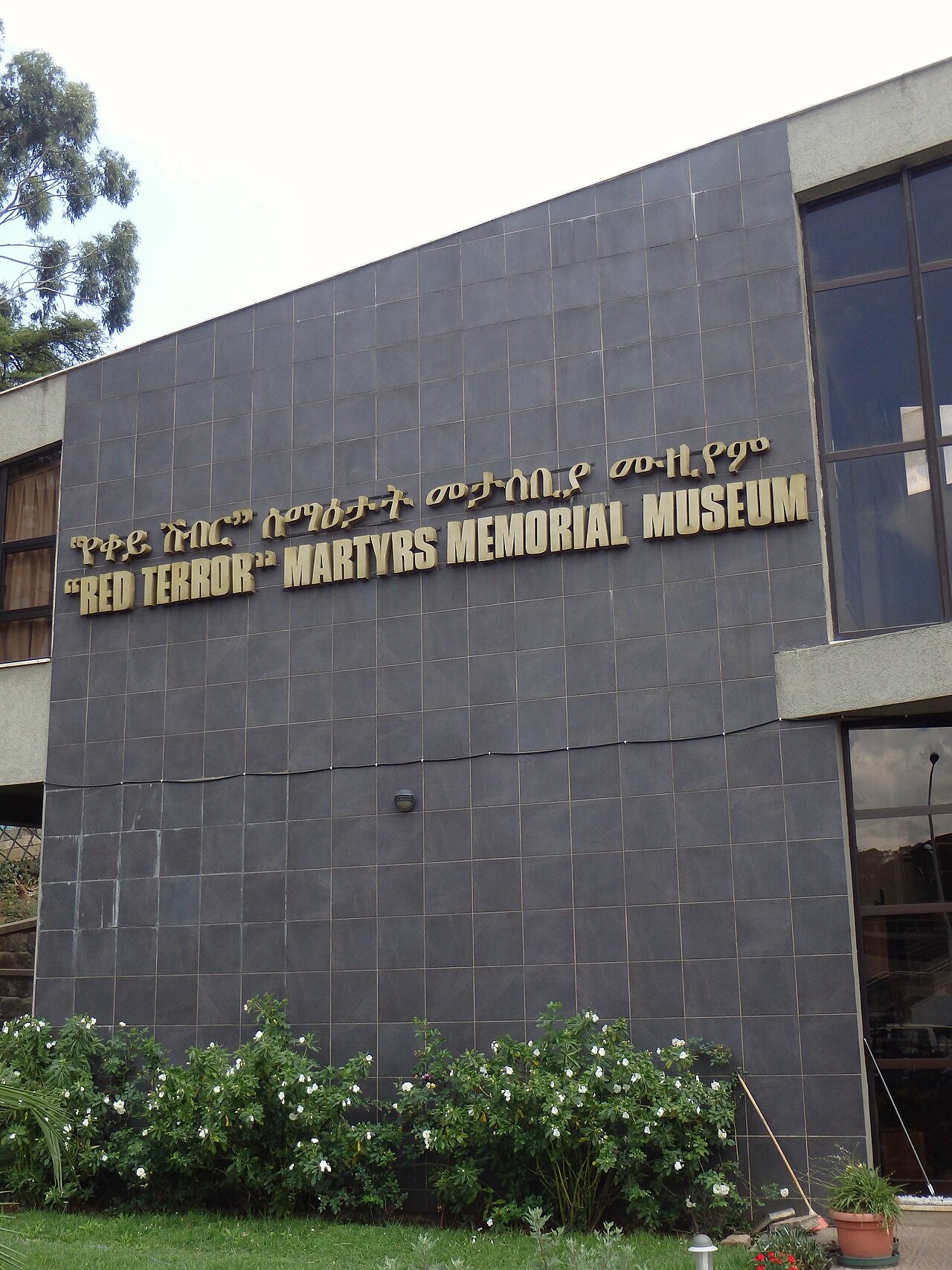
- The National Museum and the Red Terror Martyrs’ Memorial Museum for a day of modern history.
- Time needed
- About an hour.
Good questions
What happened at Africa Hall?+
African heads of state met there in May 1963 to found the Organisation of African Unity, the forerunner of the African Union.
Who made the stained glass window?+
It is the work of the Ethiopian artist Afewerk Tekle and fills the entrance hall with colour.
Can I just walk in?+
Not usually. It is a working diplomatic site, so visits are normally arranged in advance or with a guide, with security checks and photo identification.
Where is the African Union headquarters?+
The modern African Union complex, opened in 2012, stands elsewhere in the city. Your guide can include a drive-by for photographs.
Is it expensive?+
Costs vary with how the visit is arranged, so ask your guide or hotel. A guide for the day is the main expense.