Coffee is not simply a drink in Ethiopia. It is a form of hospitality, a reason to sit down with friends and a source of national pride. Ethiopia is widely regarded as the birthplace of coffee, and in Addis Ababa you can experience that heritage on every street, from a smoky roadside stall to a polished cafe with an espresso machine. This guide explains how the culture works, so you can enjoy it with confidence and bring home something worth drinking.
The coffee ceremony
The traditional ceremony is a slow ritual. A host spreads fresh grass or leaves on the floor, burns incense and washes green beans before roasting them over a small flame in a flat pan. Guests smell the smoke and the aroma as the roasted beans are passed around. The beans are then ground, traditionally by hand, and brewed in a round clay pot called a jebena with a narrow neck. The coffee is poured from a height into small cups in three rounds, usually called abol, tona and baraka, and each round gets weaker. It is polite to stay for all three, and the pause to talk is the point. Popcorn, bread or small snacks often accompany the cups. If you are invited to a ceremony, accept, and take your time.
Where to find a ceremony
Many hotels and restaurants offer a ceremony, and some tours include one in a family home or a cultural venue. Our bean to cup coffee tour is built around the experience, and the best of Addis Ababa tour pairs a ceremony with Lucy and the city highlights. If you want to see how the ritual is done at street level, look for cafes where a woman sits with a charcoal brazier and a tray of cups; these small spots are where coffee is part of daily life.
Cafes and everyday coffee
Addis Ababa has a lively cafe scene. Alongside traditional spots you will find modern cafes serving macchiato, espresso and filtered coffee made with local beans. The macchiato, influenced by the Italian era, is a local favourite and a good first order. Cakes and fresh juices often sit alongside the coffee. Everyday cafes are modest in price, and sitting for an hour with a cup is perfectly normal. Piassa and Churchill Avenue are good areas for an old-fashioned coffee house, and Bole and Kazanchis have newer cafes.
Regions and flavour
Ethiopian coffee is grown in several regions with different characters. Beans from the south and south-east are often prized for floral and tea-like notes, while others are fruitier or heavier in body. Processing matters too: washed coffees tend to taste clean and bright, and natural coffees tend to taste fruity and winey. You do not need to memorise this, but knowing the vocabulary helps when you talk to a seller or a barista. A cupping session teaches the language of tasting in a structured way and is a rewarding half day for coffee lovers.
Buying beans
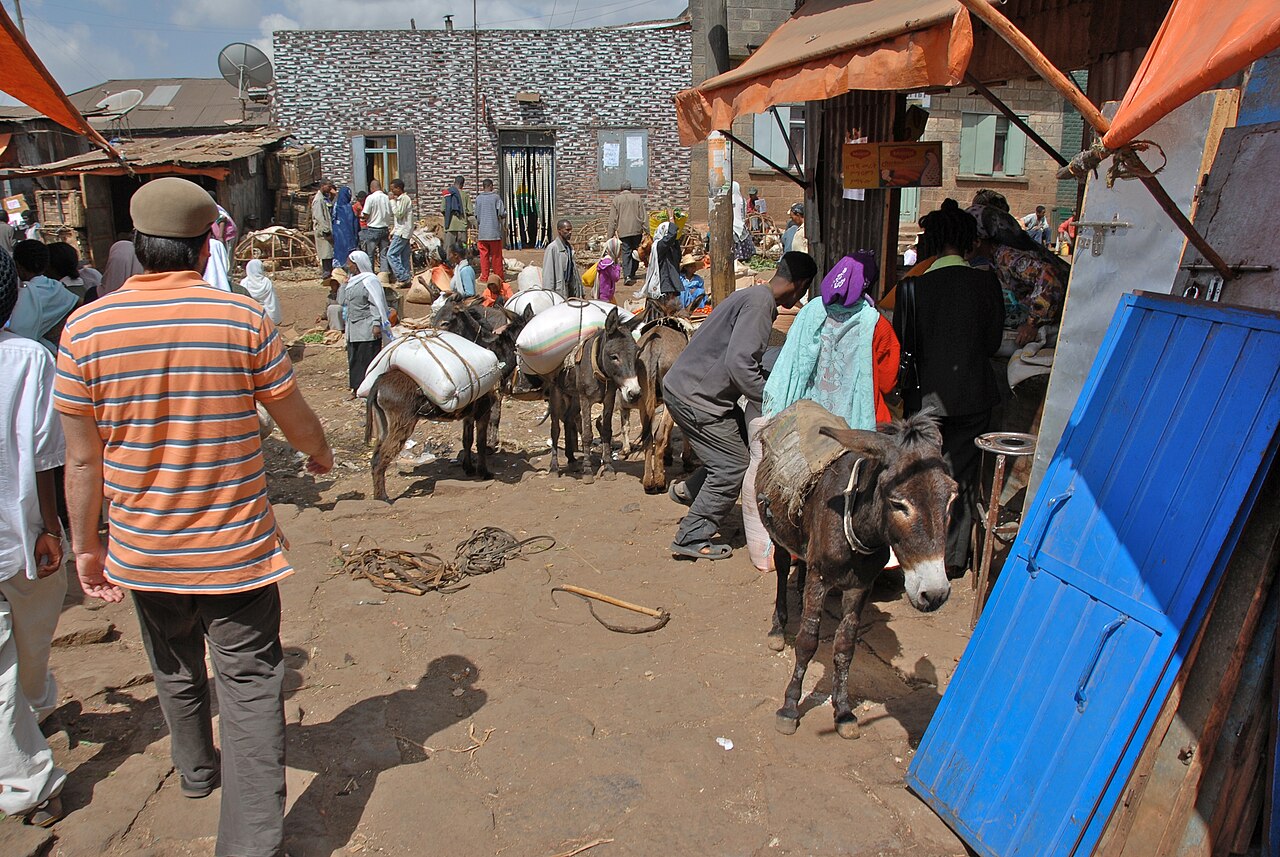
Coffee is sold roasted and green in markets and shops across the city. Merkato, the sprawling market, has sellers of green beans in large sacks, and a guide can help you choose and avoid mistakes. Roasted beans are best bought in small quantities and used within a few weeks, because the flavour fades. Ask for a recent roast date and look for beans that smell sweet rather than stale. If you want souvenirs with a story, our shopping tour covers coffee along with textiles, baskets and crafts.
Bringing beans home
Rules differ by country, so check what you can bring through customs. Roasted beans travel well in sealed bags and are usually allowed, while green beans may face stricter limits in some destinations. Pack beans in your hand luggage or a hard-sided case, keep them away from strong smells and avoid heat. Grinding at home just before brewing makes the biggest difference to the cup.
Etiquette
Accept a cup when offered, and take at least the first two rounds if you can. Do not rush the host. Compliment the aroma and ask questions about the beans. A small tip for a service worker or a guide is appreciated. Dress modestly in homes and be ready to remove your shoes if invited indoors.
Planning coffee into your trip
A coffee ceremony fits comfortably at the end of a museum morning or after a market visit, when you want to sit and talk. A cupping works on a quieter day. Make one cafe visit a daily habit, because coffee is also a good excuse to rest at altitude. If you only have a short stay, pick one ceremony and one cafe, and leave time to enjoy both without rushing. Pair the coffee with a food tour and you have covered a large part of what makes the city special.