Three days is the ideal length for a first visit to Avignon. It is long enough to see the papal sights without rushing, to sit in the squares and to spend one day in the countryside, and short enough that nothing feels like a chore. The plan below moves from the monuments to the everyday city and then out into Provence, and it is easy to shuffle if weather or opening days change your plans.
Day one: papal Avignon
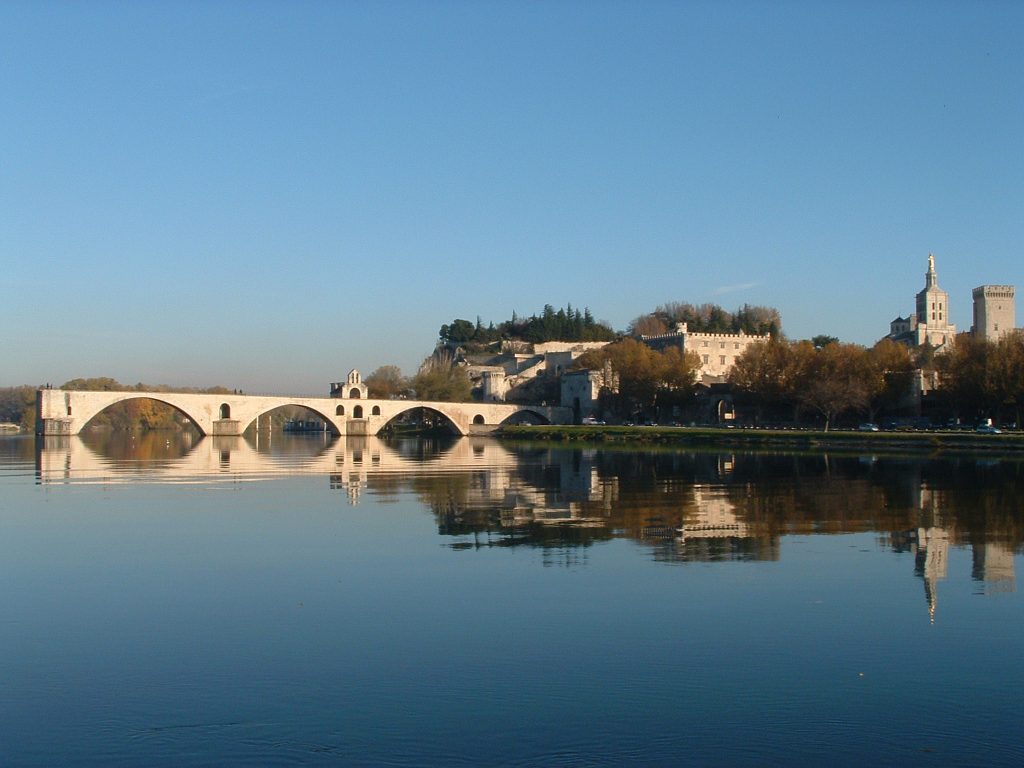
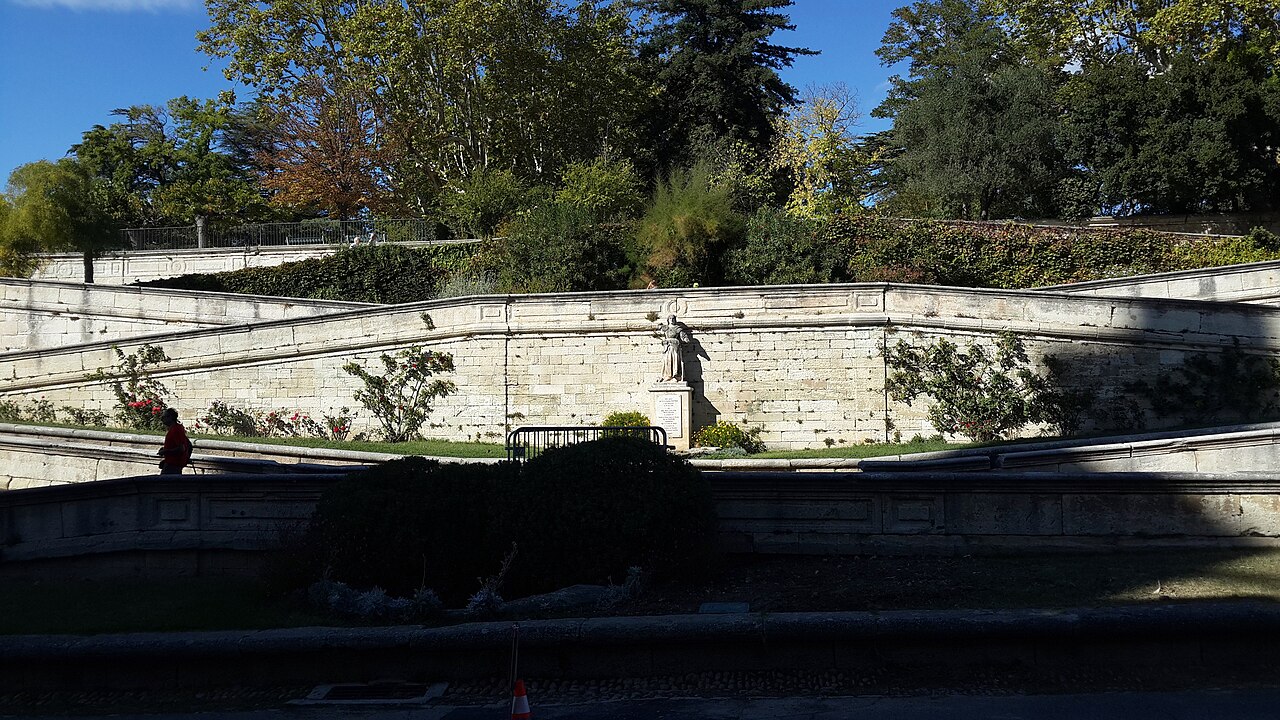
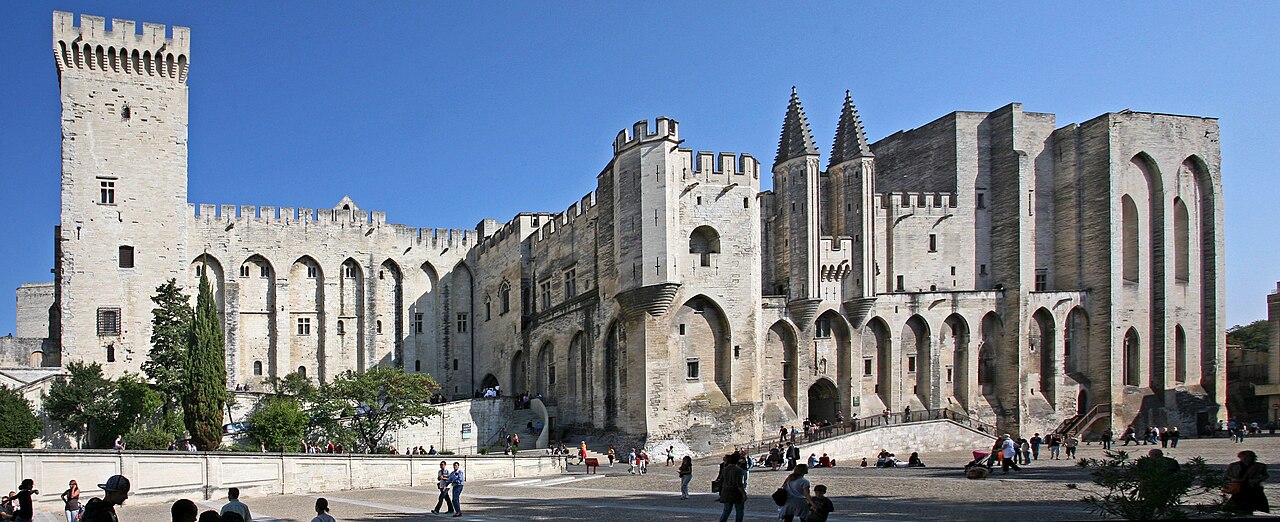
Start at the Palais des Papes as early as you can, with a timed ticket booked ahead. The palace is the largest Gothic palace in the world, and a visit with the audio guide takes about two hours. Come out onto the square and walk downhill to the Pont Saint-Bénézet, the famous half-bridge, where a combined palace and bridge ticket saves you from buying twice. Have a long lunch in the lanes below the palace, then climb to the Rocher des Doms gardens in the afternoon for the best view over the Rhône. If you still have energy, take a stroll through the Place de l'Horloge as the cafes fill up in the evening.
Day two: the living city
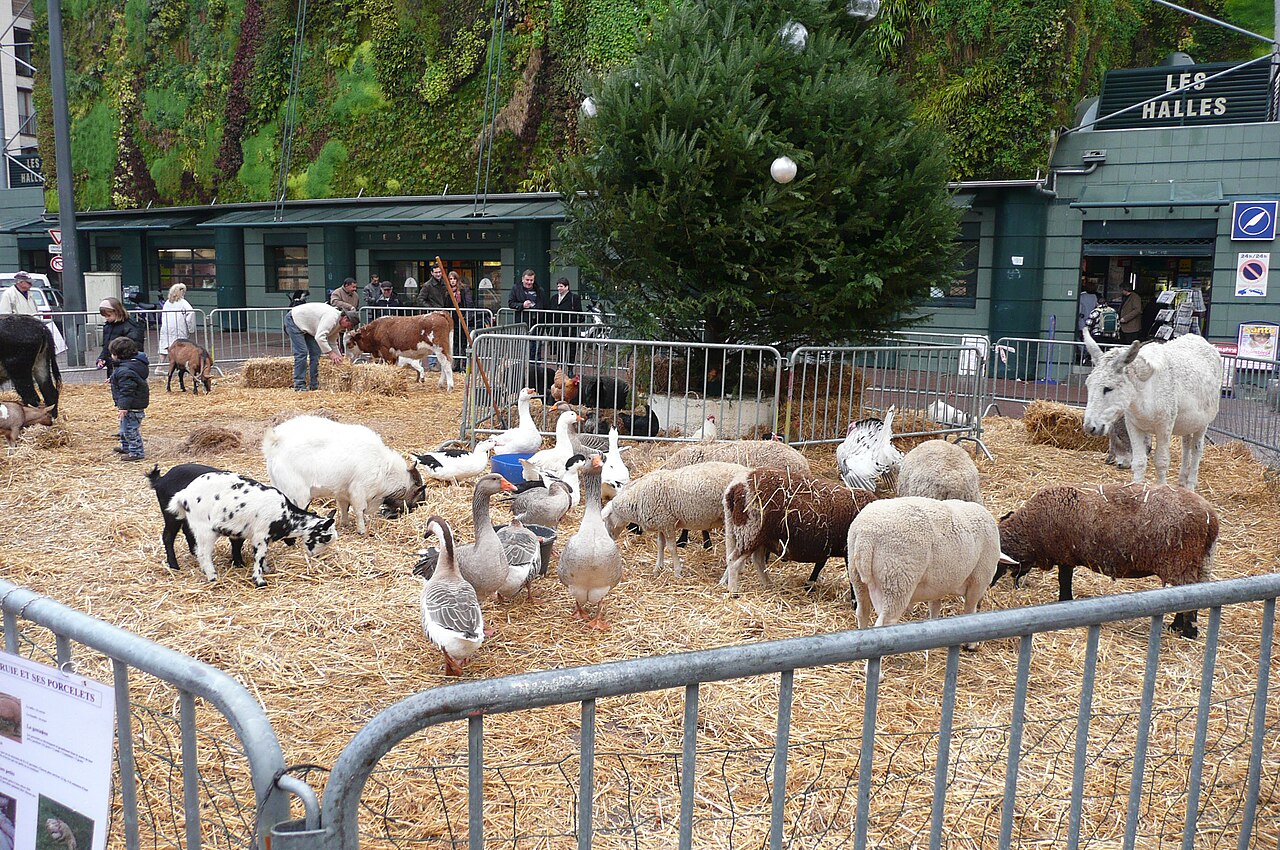
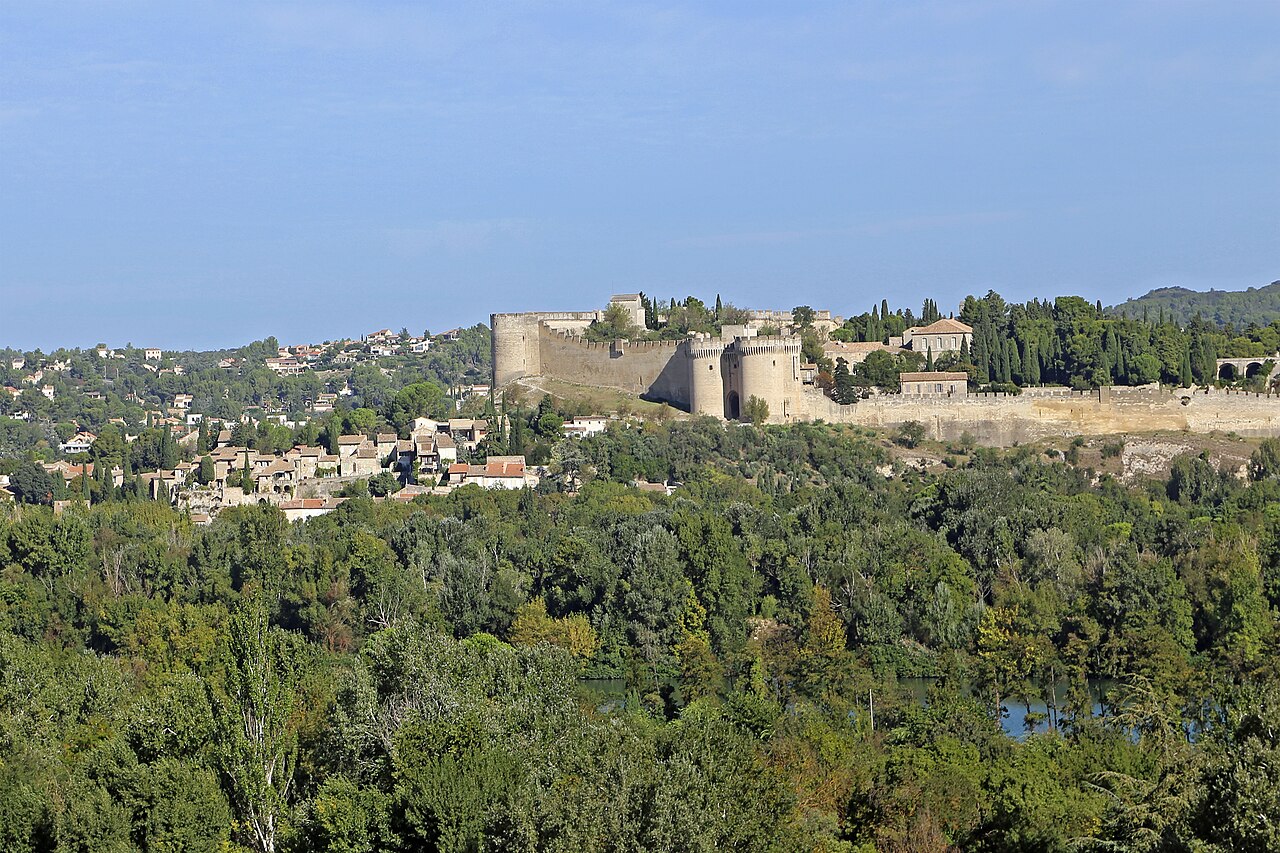
Begin at Les Halles, the covered market behind its green wall, which is open in the morning and closed on Mondays, and buy bread, cheese and fruit for a picnic. A guided walking tour or a culinary tour is a good way to spend the late morning, because a local voice explains the lanes and the food. After lunch, choose between the Collection Lambert, a contemporary art museum in two grand mansions, and a walk along the ramparts, which circle the old town for 4.3 kilometres and cost nothing. Check the museum's closing days, as it is closed on Mondays and Tuesdays in the colder months. Late in the afternoon, walk across the river to Villeneuve-lès-Avignon and climb to the Fort Saint-André, where the view back to the palace is the best in the area. A free walk with a sunset view is a lovely way to end the day.
Day three: choose your Provence
The great advantage of Avignon is its position, and you should spend one day outside the walls. Your choice depends on your tastes. For Roman history, the Pont du Gard is a beautiful aqueduct in a landscaped setting, and Orange and Nîmes make a strong alternative with theatres and temples. For hilltop villages and ochre cliffs, a Luberon tour to Gordes and Roussillon is the classic. For wine, a Châteauneuf-du-Pape tour visits the vineyards where the popes built their summer castle. For art and atmosphere, the Carrières de Lumières at Les Baux is an immersive show inside a former quarry, and a Van Gogh tour takes you to Saint-Rémy. In summer only, the lavender fields are an option. Guided tours avoid parking and driving, while trains reach Arles, Nîmes and Orange without a car.
Getting around
Avignon is walkable, and most of what you want is within twenty minutes on foot. The main railway station, Avignon Centre, is just inside the southern walls, and a separate high-speed station sits outside the city with a short shuttle link. Taxis are easy to find, and a bicycle is a pleasant way to see the ramparts and cross to Villeneuve. Cobbled streets and slopes mean comfortable shoes matter more than anything else you pack. In winter and spring, a windproof layer helps against the mistral, the cold dry wind from the north.
Where to stay
For a short visit, location counts. La Mirande and the Mercure Pont d'Avignon Centre put you beside the palace, the Hôtel d'Europe offers a mansion setting near the river, and the Hôtel d'Angleterre and Le Magnan are comfortable mid-range bases in the southern old town. The Avignon Grand Hotel and the Cloître Saint Louis have pools and parking, which suit families and drivers, and the Hôtel Boquier is the budget favourite. Book early for July, when the festival fills every room.
Adjusting the plan
If it rains, move the Collection Lambert and the Palais des Papes to the wet day and save the gardens and the ramparts for sunshine. If you have only two days, combine days one and two and skip the day trip. If you have four, add a second excursion. In July, evenings belong to the festival, and the old town is busy and loud, so start your sightseeing early and finish by mid-afternoon. In every season, leave some unplanned time, because the best moments in Avignon are often the ones you did not book: a glass of wine on a quiet square, a bookshop in a lane, the sound of bells from the palace hill.