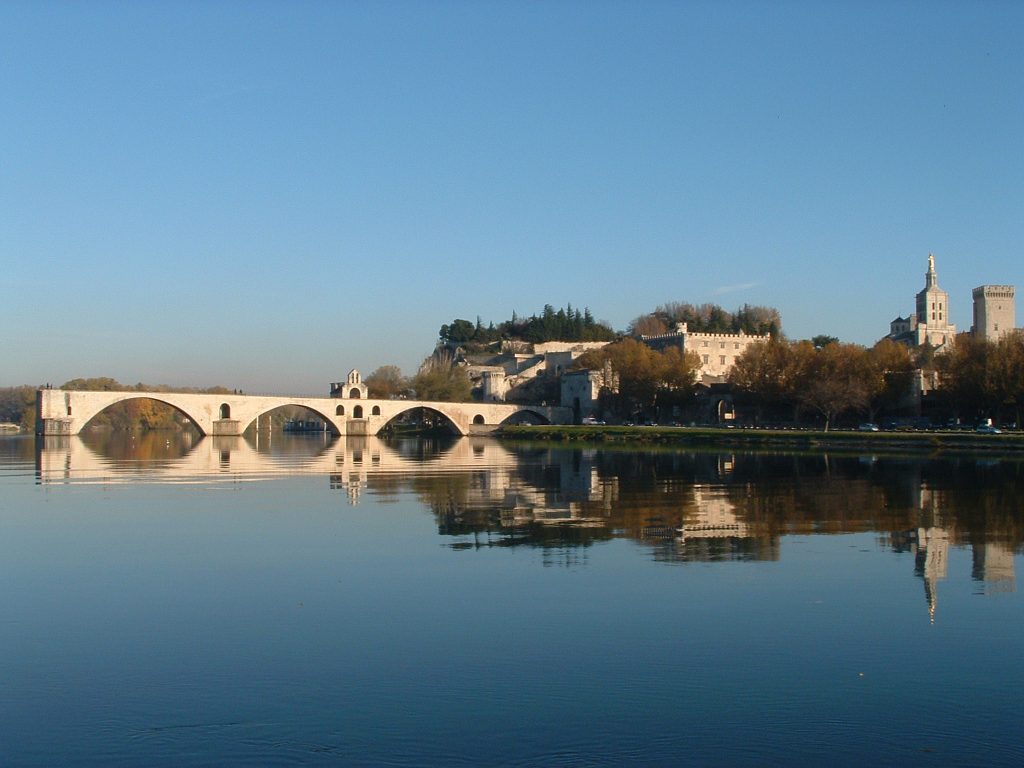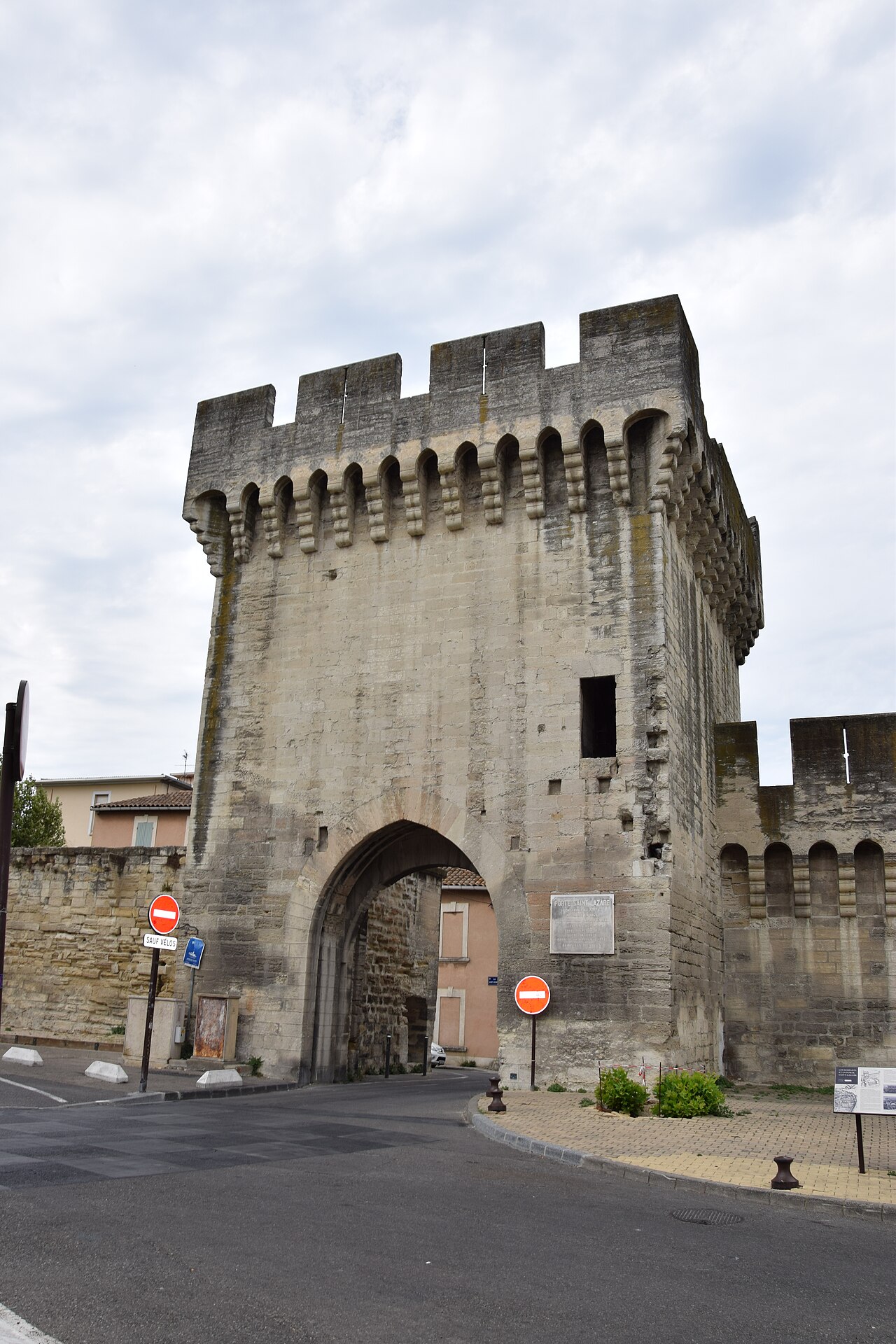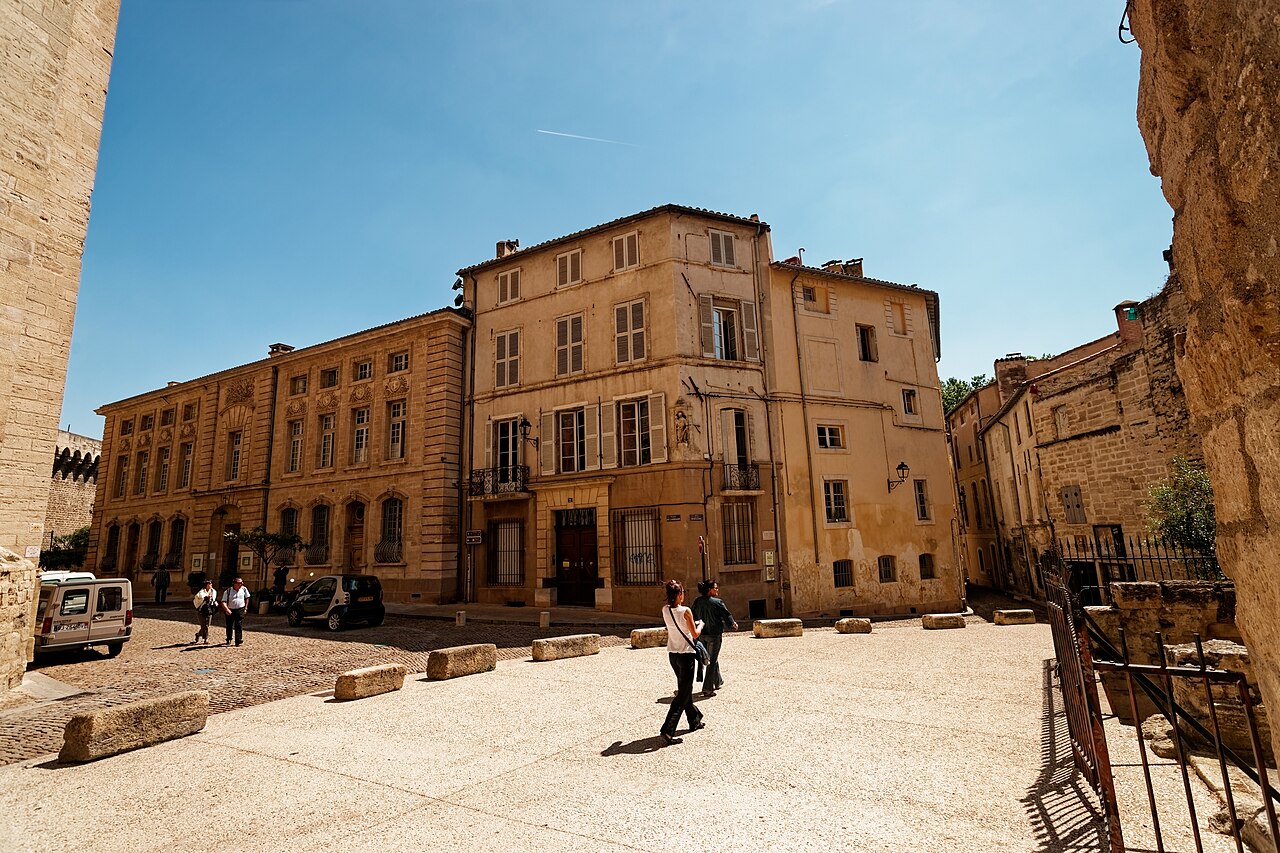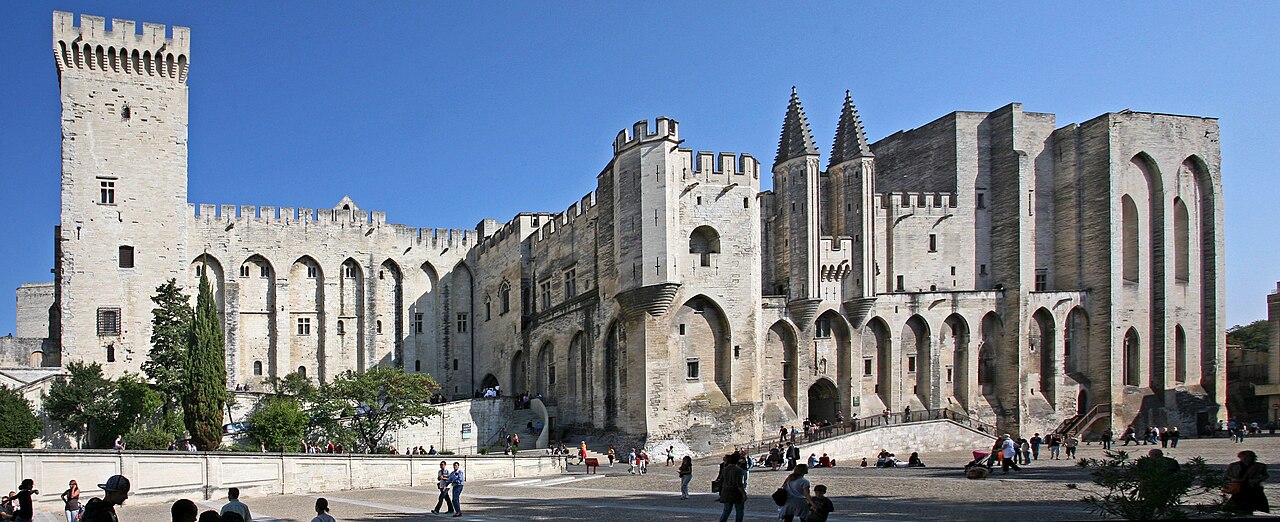
Avignon is small, walkable and packed with history. The old town sits inside four kilometres of medieval ramparts, the Palais des Papes crowns a rock above the Rhône, and almost everything you want to see is within a twenty-minute walk. That makes it an easy city to plan, but a few decisions are worth making before you arrive.
What to book ahead
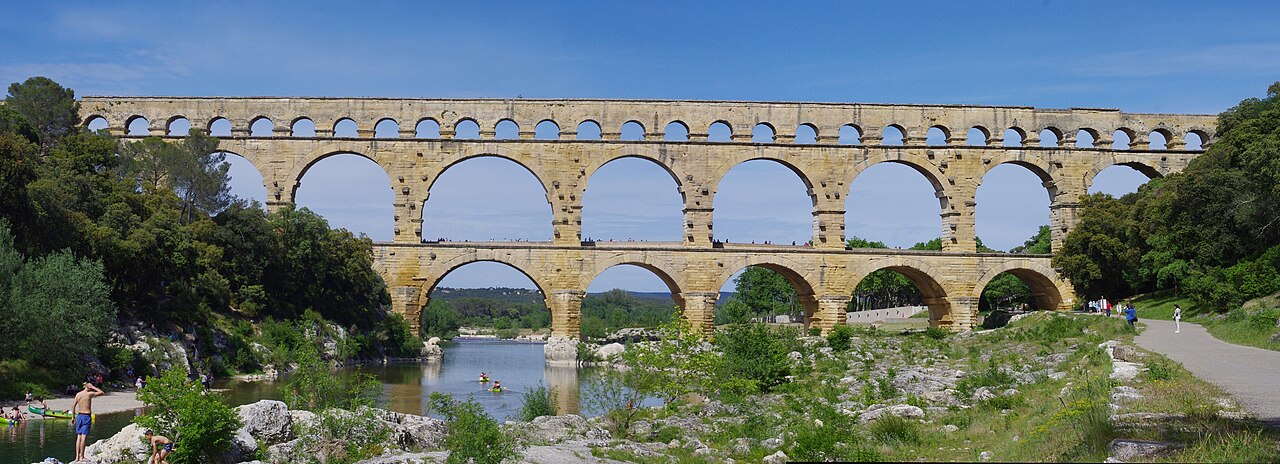
Start with the Palais des Papes, the largest Gothic palace in the world, and buy a timed ticket in advance, especially from spring to autumn and during the July festival. A combined palace and Pont d'Avignon ticket exists, includes an audio guide and suits most visitors because the sights are a short walk apart. If you plan day trips, book them early too: the Pont du Gard, the Carrières de Lumières at Les Baux, a Châteauneuf-du-Pape wine tour and a Luberon villages tour all run to schedules and fill up in high season. Check the Collection Lambert's opening days, because it is closed on Mondays and Tuesdays in autumn.
How many days
Two days covers the city: one for the palace, the bridge and the Rocher des Doms, and one for the ramparts, the Collection Lambert and a slow wander through the pedestrian streets around the Place de l'Horloge. Three or four days lets you add day trips, and that is where Provence opens up. A fifth day is useful for Arles, Orange or the Alpilles.
Getting around
Walk. The centre is compact and mostly pedestrian, and the ramparts make a pleasant loop. The railway station at Avignon Centre is just inside the southern walls, and the TGV station sits outside the city, linked by a short shuttle train. For day trips, guided tours from the centre avoid the stress of parking, while a hire car gives more freedom for the Luberon and the Pont du Gard. Hire a bicycle for the ramparts and the river island, and remember the mistral wind can be strong on exposed spots like the bridge.
Seasons
Spring and autumn are the best times for sightseeing, with mild weather and smaller crowds. July is the busiest month, with the Avignon Festival filling every courtyard and hotels booked solid, and it is also the lavender season, but lavender tours run in summer only, so if you visit in other months, choose the Luberon villages or a wine tour instead. Winter is quiet and cool, with shorter opening hours but easy access to the palace, and a few attractions close or shorten their days.
Where the headline sights fit
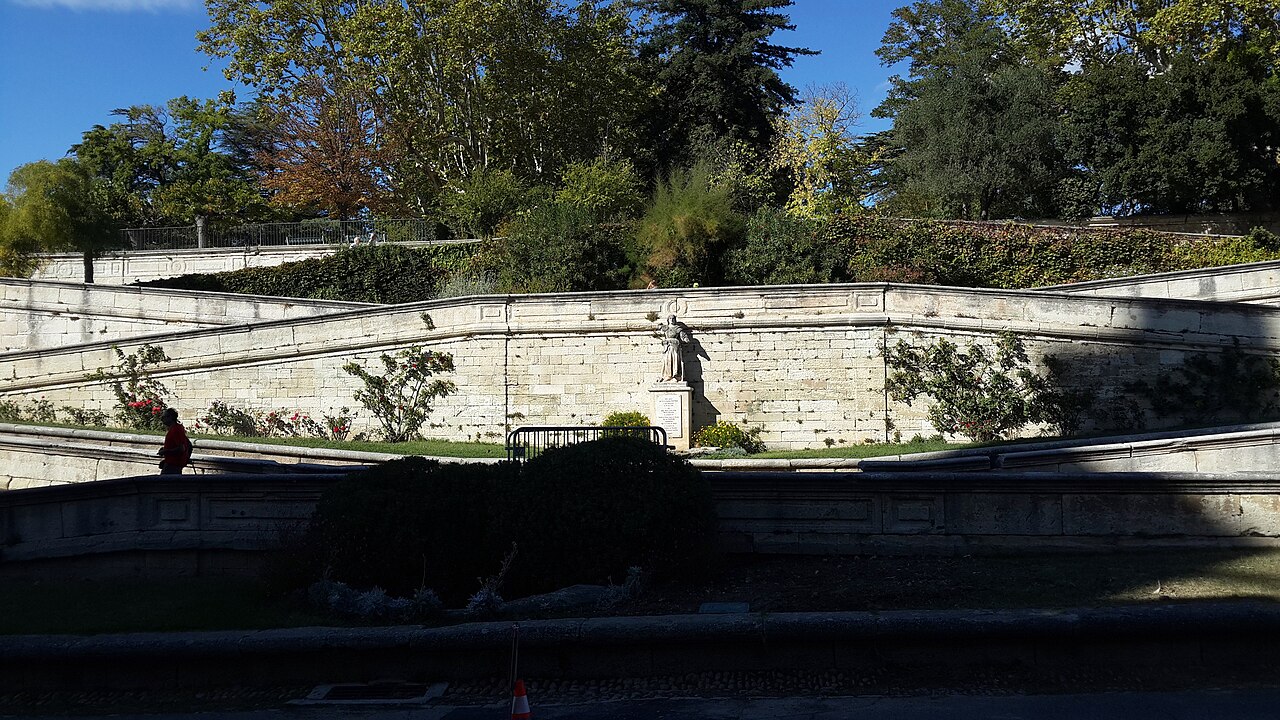
Begin at the palace in the morning, walk down to the bridge, and climb to the Rocher des Doms for the view in the afternoon. Use the evening for a stroll through the old town and dinner. Save the ramparts for a morning or sunset walk, and slot the Collection Lambert into a rainy afternoon. On a day trip, pair the Pont du Gard with Uzès or Nîmes, or the Luberon with a wine tasting, and leave the Carrières de Lumières for an afternoon when you want something atmospheric.
A simple three-day shape
Day one is papal Avignon: the palace in the morning, the bridge after lunch and the Rocher des Doms at sunset. Day two is a Provence outing, either the Luberon villages for hilltop scenery or Châteauneuf-du-Pape for wine, ideally by guided tour so nobody has to drive. Day three mixes the Pont du Gard or the Carrières de Lumières with a slow evening back in town. Swap in the Collection Lambert or the ramparts whenever rain or heat changes your plans.
Free and low-cost extras
Not everything needs a ticket. The ramparts and the Rocher des Doms gardens are free, Les Halles covered market is free to browse on any morning except Monday, and the quiet town of Villeneuve-lès-Avignon across the river has the best view back to the palace for the price of a walk. Spend your budget on the palace, one day trip and a good dinner, and fill the gaps with these. If you enjoy a guide, a walking tour or a food tour on your first morning helps you understand the lanes before you explore alone, and the rest of the day then feels easier.
Practical tips
Carry water and a hat in summer, and a light jacket in the shaded halls of the palace in winter. Opening hours change by season, so check on the day. Shops often close for a long lunch, and many restaurants shut on Sunday or Monday. Tipping is modest, and a few words of French go a long way.