Three days is the sweet spot for Bologna. It gives you time to walk the porticoed centre without rushing, to eat properly at least six times, and to spend one day outside the walls. The plan below keeps each day geographically tight, because the historic centre is flat and compact and the porticoes keep you dry if the weather turns. Swap days around freely, but keep in mind that the Archiginnasio is closed on Sundays and that many shops and small restaurants close for part of Sunday and Monday.
Day one: the heart of the city
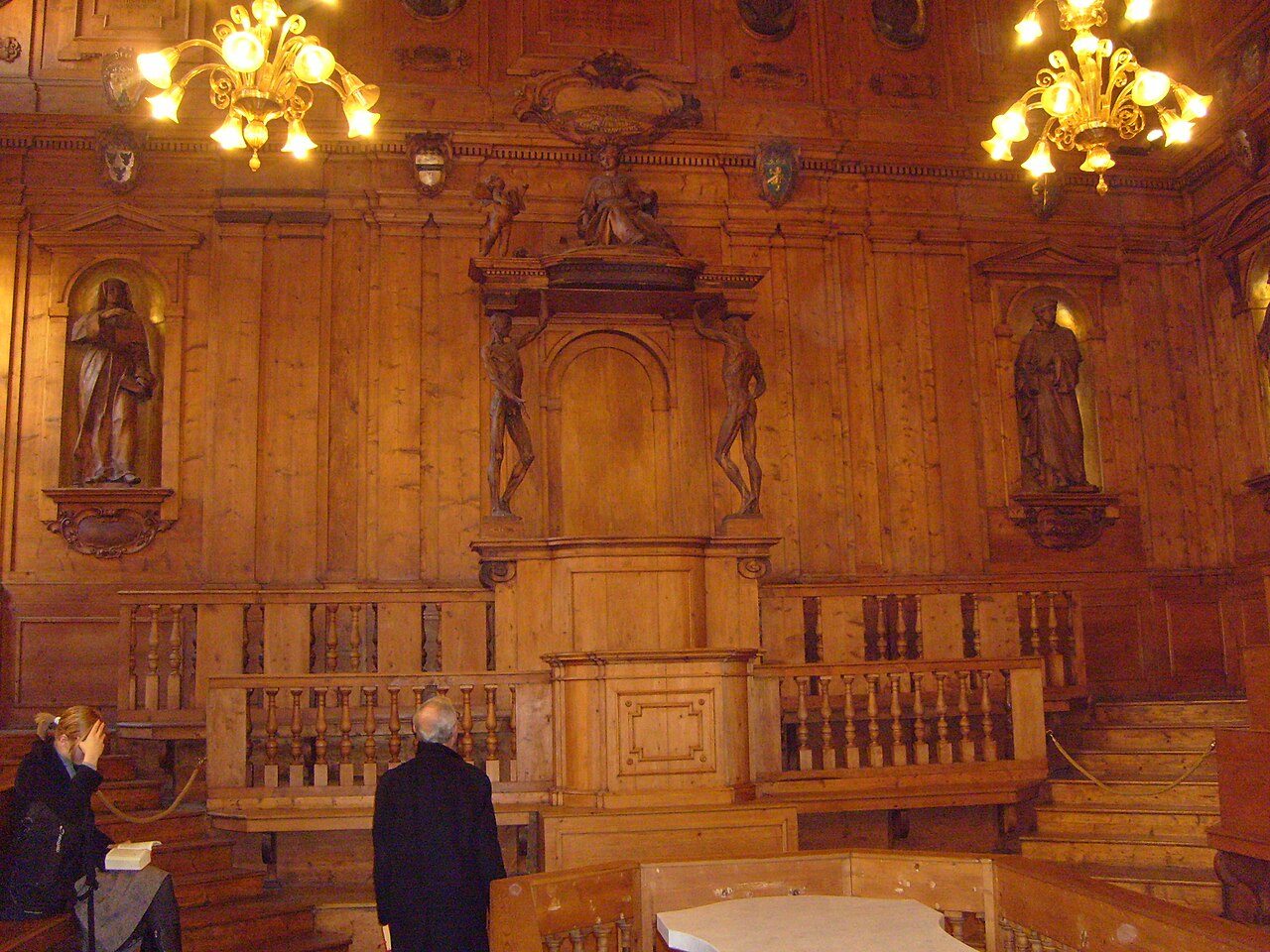
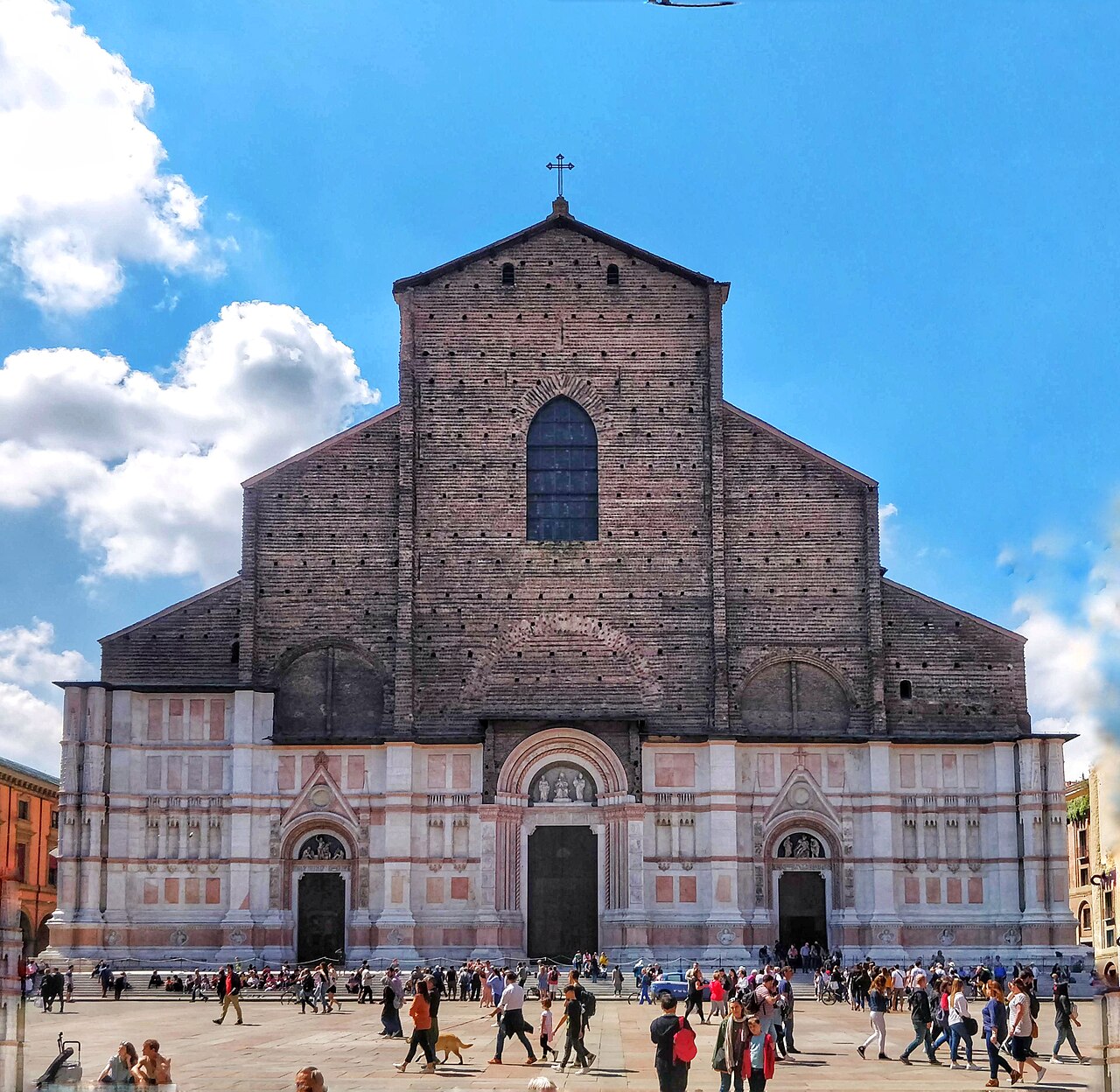
Begin on Piazza Maggiore, the great stage of Bologna, with the Neptune Fountain on one side and the vast, unfinished brick front of the Basilica of San Petronio on the other. Go inside the basilica first; entry is free, and the long nave and the sundial line laid into the floor are worth ten minutes of your attention. Then climb the Clock Tower of Palazzo d’Accursio for your view over the red roofs, remembering that entry is by timed slot, so book ahead rather than queueing. Spend the late morning in the Municipal Art Collections in the same palace if you like paintings, or cross to the Archiginnasio, the old university seat whose walls are covered in the coats of arms of thousands of students. The Anatomical Theatre, carved entirely from spruce, is the highlight. For the afternoon, join a food walking tour or simply graze through the Quadrilatero, the medieval market lanes behind the square, where shops sell fresh pasta, cured meats, cheese and fruit. End the day at Santo Stefano, a group of linked churches around a quiet piazza that feels like a different century.
Day two: porticoes and the hill
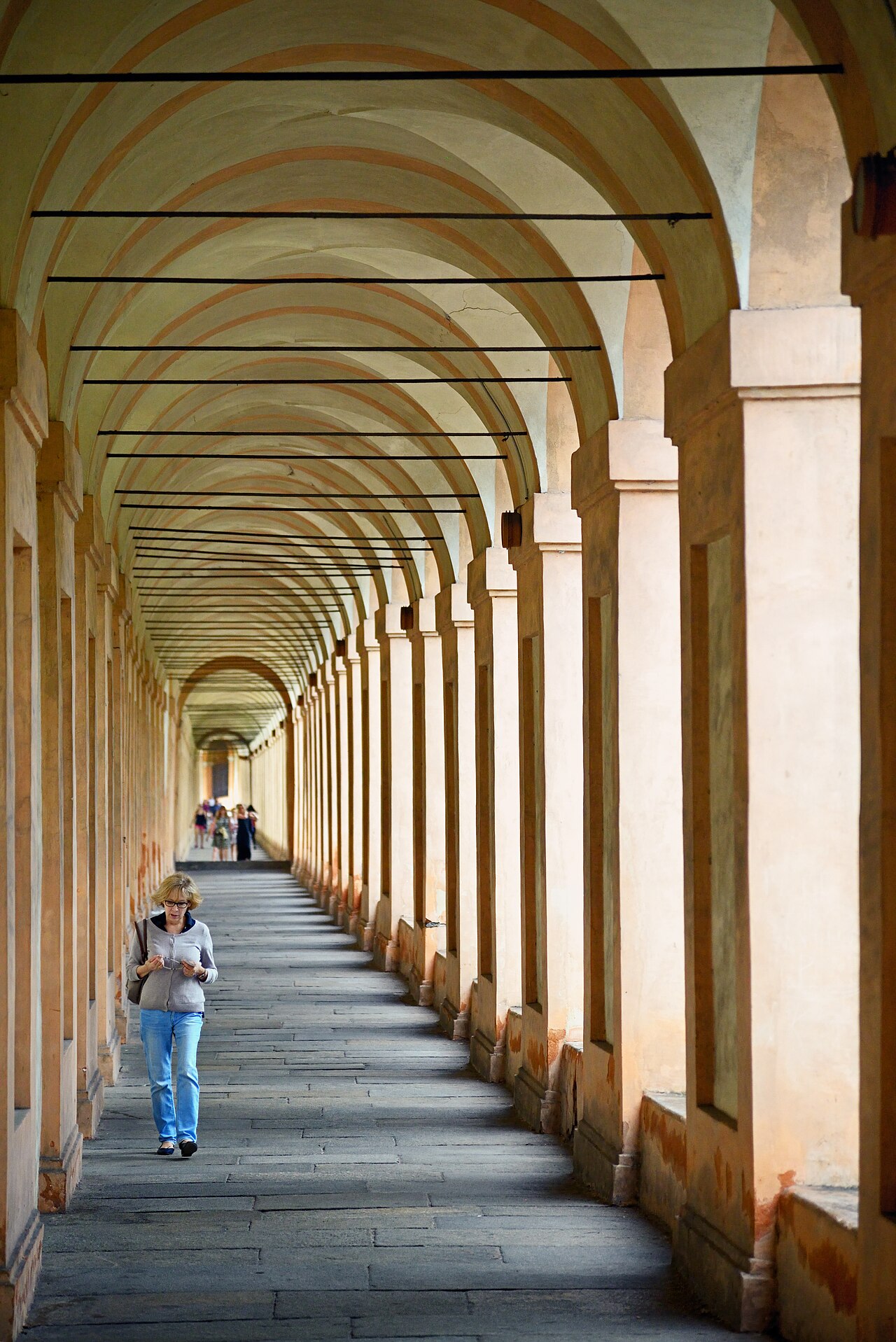
Start with the one climb that is open: the portico to the Sanctuary of San Luca. It runs for about four kilometres with 666 arches, and the sanctuary on the hilltop looks back across the city to the Apennines. If your legs or the weather say no, ride the San Luca Express sightseeing train from Piazza Maggiore instead; it is slower but you arrive fresh. Allow half a day. Come back down for a long lunch, then spend the afternoon in the university quarter around Via Zamboni, where bookshops, student cafés and the Pinacoteca give the district its character. Wander along Strada Maggiore and its beautiful porticoes, and then slip into Giardini Margherita, the city park, for a slow walk among the plane trees if the afternoon is warm. If you prefer a lighter pace, the guided bike tour covers a good deal of the flat centre in two hours. Do not look for the Asinelli Tower climb: the tower has been closed to visitors since October 2023 while the neighbouring Garisenda is stabilised, but you can still admire both towers from the nearby streets.
Day three: choose your outing
Bologna is a superb base because the regional railway fans out in every direction. Food lovers should take the short train to Modena for a balsamic vinegar acetaia visit and, if the timing works, a Lambrusco cellar or the house where Luciano Pavarotti lived. Motor enthusiasts can combine Maranello, the home of Ferrari, with the Enzo Ferrari museum in Modena, or visit the Lamborghini museum at Sant’Agata Bolognese and the Ducati museum, which is on the western edge of Bologna itself. If you love art and ancient history, go east to Ravenna, where the sixth-century mosaics glitter like the day they were laid. Each of these fits comfortably into a day, and the trains back are frequent, so you can still be in the Quadrilatero for aperitivo.
If you only have two days
Do day one as written, then merge day two with the Modena outing: climb to San Luca in the morning and leave for Modena after lunch, which works if you pick a single acetaia visit. You lose the university quarter but keep the highlights.
Eating along the way
Do not plan every meal. Bologna’s traditional places open for lunch from about midday and for dinner from roughly seven thirty or eight, and good small trattorias need a reservation on Friday and Saturday evenings. Ask your hotel to call for you. Choose tagliatelle al ragù, tortellini in brodo and a plate of mortadella at least once each; these are the dishes the city is proudest of.
Where to base yourself
For a three-day stay, sleep between the station and Piazza Maggiore, ideally within a ten-minute walk of the main square. Staying near Via Indipendenza means easy train access on day three, while the streets around Piazza Maggiore put the best evening atmosphere on your doorstep.
Practical notes
Wear comfortable shoes, as the porticoes have uneven stone and the San Luca climb is steep. Carry a refillable water bottle. Check opening days before you set out, since several museums close on Mondays, and book timed entries and small-group experiences a few days ahead.