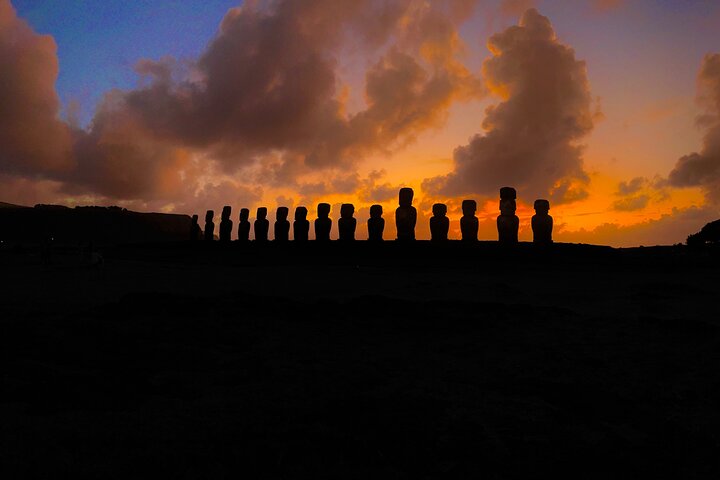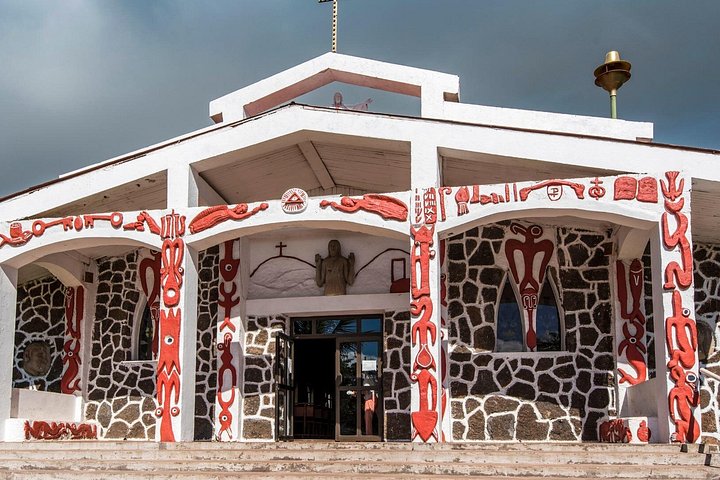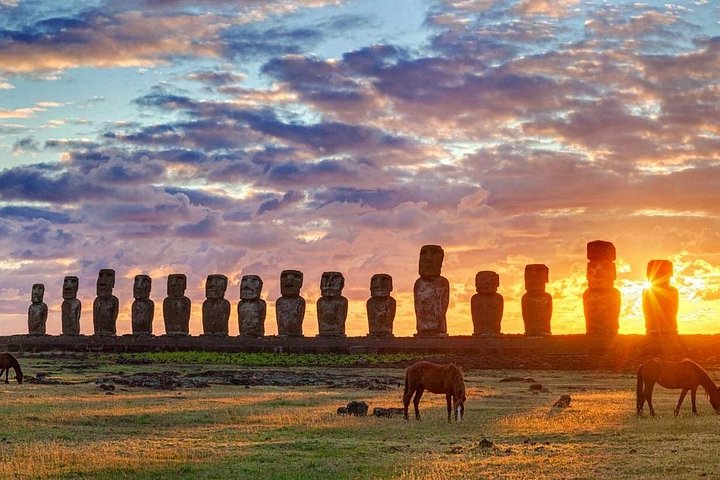
Easter Island, or Rapa Nui as its people call it, is a small island with a huge reputation. It lies about 3,500 kilometres off the Chilean coast, which makes it one of the most remote inhabited places on earth, and almost every visitor arrives on a flight from Santiago that takes around five and a half hours. The island is roughly triangular, about 24 kilometres across at its longest, and nearly everyone lives in the single town of Hanga Roa. That compactness is a gift: you can see the main sights in a few days, and the whole experience is shaped by a short list of places, led by Ahu Tongariki, Rano Raraku, Orongo and Anakena.
How long to stay
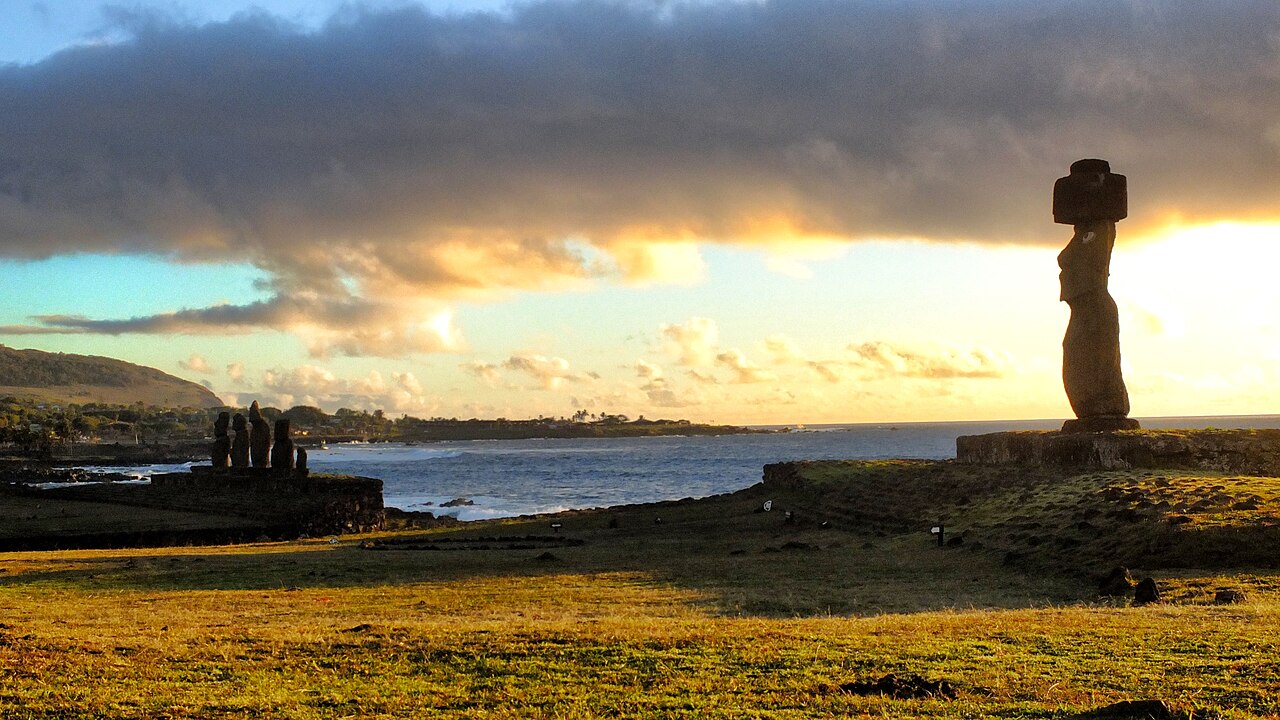
Three full days is the sensible minimum, and four or five is better. Two days is possible, but it forces you to hurry the east coast and skip the quieter interior and north coast. A good first trip combines one full-day highlights tour, one sunrise at Tongariki, one half day at Orongo and the crater, and one slower day for the interior, caves or a ride. Leave room for weather, because rain and wind can reshape a plan, and for the simple pleasure of an evening at Ahu Tahai watching the sun go down.
The park ticket and the guide rule
Most of the famous sites sit inside Rapa Nui National Park, which is managed by the Ma'u Henua Indigenous Community. You need a park ticket, which is individual and valid for ten days, and it allows one entry each to Rano Raraku and Orongo. Since 2022, visitors have also been required to be accompanied by an accredited local guide or a Rapa Nui host to enter park sites, with exceptions such as Tahai and Anakena beach. In practice this means that most people take a guided tour, which is also the easiest way to get around. Always check what your tour includes, and whether the park ticket is covered.
What to book first
Flights and accommodation come first, because both sell out in the high season from December to March, and the Tapati festival in early February is especially busy. After that, line up a full-day highlights tour, a sunrise tour to Tongariki, and a guide for Orongo. A dinner and dance show is a good first-night choice. Sunset at Tahai and a walk around Hanga Roa need no booking at all. Take cash, because some small places do not take cards, and bring any essentials from the mainland, since everything on the island is imported and costs more.
Eating and drinking
Fish is the star, especially tuna, served as ceviche, grilled, or in empanadas. Sweet potato, banana and tropical fruit appear on many menus, and you will find bakeries and cafes in town. Restaurants cluster along the harbour and the main street, and some close one day a week or in the afternoon. Prices are higher than on the mainland, so budget accordingly. Many hotels include breakfast, and a picnic lunch on tour days is normal.
Getting around
Hanga Roa is walkable. Beyond town, most visitors use guided tours, taxis or rental vehicles. Roads are paved in places and rough in others, distances are modest, and signs are limited, so be wary of driving yourself without a plan. Remember that park rules apply to wherever you go, and do not climb on statues or platforms or take stones.
Respect and responsibility
Rapa Nui people are the guardians of this heritage, and the moai are ancestors, not props. Keep to the paths, never touch the platforms, take your rubbish with you and listen to your guide. Ask before photographing people, and buy crafts from local artisans. A trip to the island is easier, and richer, when you treat it as a visit to a living community. With the right planning and an open mind, you will leave with far more than photographs.
Money and connectivity
Chilean pesos are the standard currency, although many tourism businesses will quote in dollars. Cash machines exist in Hanga Roa but can run out, so carry some cash. Mobile signal is patchy away from town, and wifi can be slower than at home. Download maps and tickets before you go, and tell your family that you may be out of touch for hours at a time.