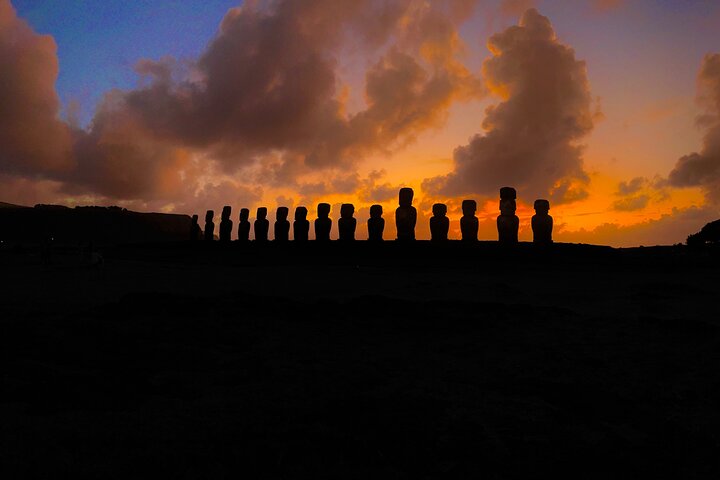
Three days is the sweet spot for a first trip to Easter Island. It is long enough to see the headline sites, to add a few quieter ones, and to absorb a little of the island's pace. The plan below is organised by geography, which keeps driving time low, and by light, so that each place is visited at its best hour. It assumes you arrive on a morning flight from Santiago, which is the usual pattern, and that you use guided tours for the park sites because the rules require it.
Day one: Hanga Roa and the west
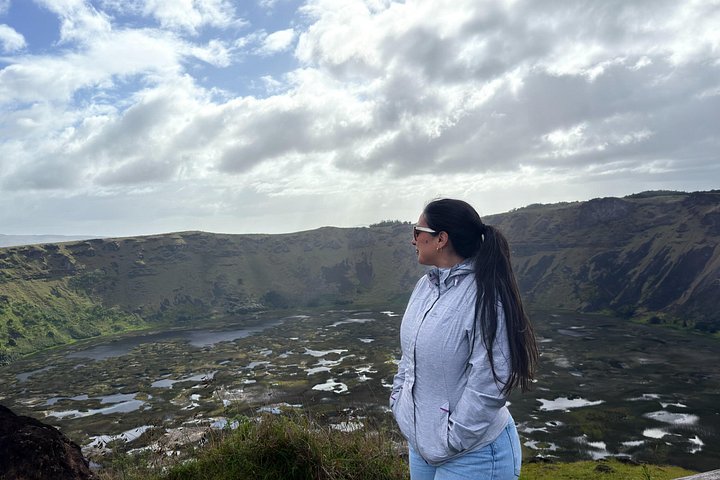
After you land and a flower-lei welcome at your hotel, spend the first hours in the town. Walk the harbour, visit the museum and see the church, then have a long lunch of fresh fish. In the afternoon, join a half-day tour to Orongo and the Rano Kau crater, which sits on the southwest tip of the island and is best before the afternoon cloud rolls in. Finish with sunset at Ahu Tahai, a short walk from town, and a relaxed dinner or a Rapa Nui dance show. It is a gentle first day that gets you oriented.
Day two: the east coast
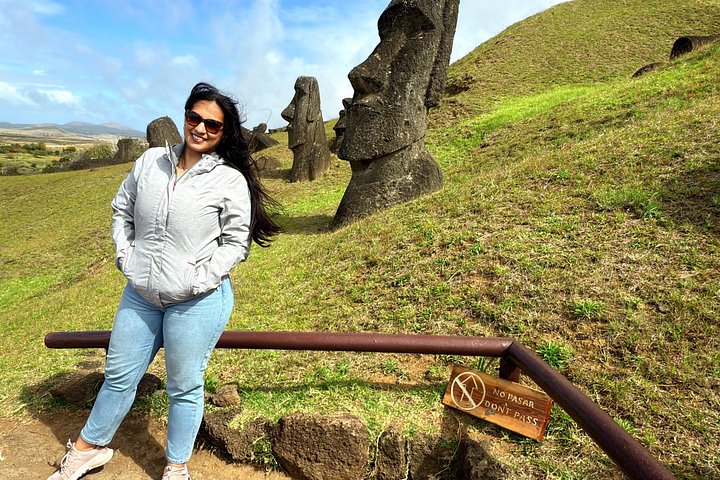
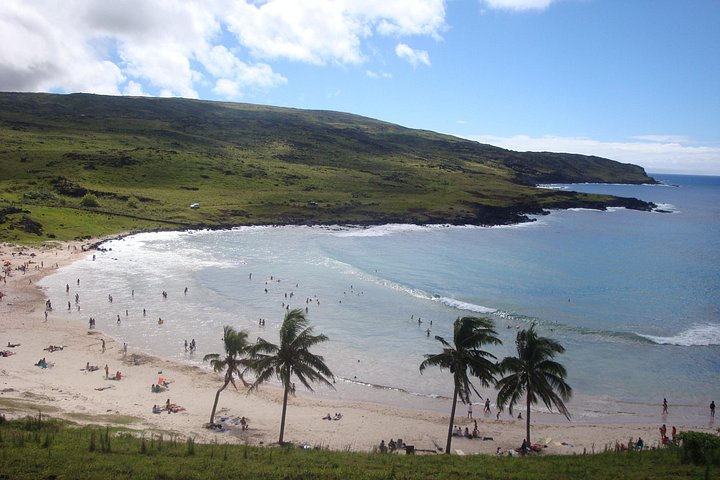
This is the big day. Start before dawn for the sunrise at Ahu Tongariki, with fifteen moai against the first light. After breakfast, continue to Rano Raraku, the quarry volcano, where hundreds of statues stand on the slope, and spend at least an hour and a half walking among them. In the afternoon, head across to the north coast for Anakena, where you can swim, picnic and see the restored moai of Ahu Nau Nau. Many full-day tours follow exactly this route, which makes it the simplest day to book. Return to town in the evening and rest.
Day three: the interior and the north
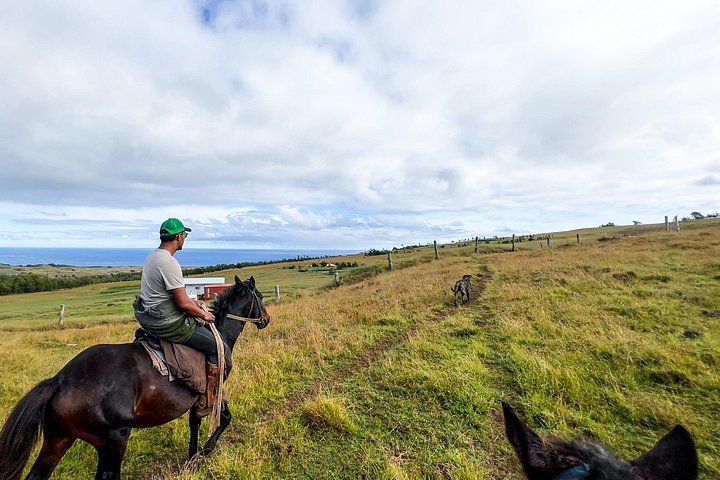
Spend the last day on something quieter. Options include a guided hike to the summit of Terevaka, a visit to Ahu Akivi and the Ana Te Pahu caves, a horseback ride, or a trip to the north coast and Te Pito Kura. If your trip leans toward adventure, the Poike peninsula offers silence and views. If you prefer the sea, a morning of snorkelling pairs well with a harbour lunch. In the evening, consider a stargazing tour, which makes a lovely last night if the weather is clear.
Swapping days for weather
The plan is flexible. If the east coast is clouded in on day two, swap it with day three and try again, because conditions often change within a day. The Orongo visit is best in clear weather, so be ready to move it. Remember that Rano Raraku and Orongo allow only one entry per park ticket, so do not waste your entry on a cloudy afternoon if you can wait for a better window.
What to book ahead
In the high season from December to March, book your Tongariki sunrise, your full-day tour and your dinner show before you arrive. Guides and drivers are limited, and the best fill up. In quieter months you can arrange tours the day before through your hotel. Always confirm pickup times and whether the park ticket is included.
If you have four days
Add a slower morning in town, a second visit to Tahai at sunrise, or a longer hike. If you have only two, combine day one's Orongo visit with a shorter east coast day, and skip the interior. Whichever version you choose, build in downtime. The island rewards patience, and some of the best moments are unplanned, such as a horse wandering past a platform or a rainbow over the harbour.
A note on pacing
Easter Island is a place to slow down, and a three-day plan works best when you leave gaps. Take a long lunch after a morning tour, nap in the afternoon heat, and return to the sites in the softer evening light. Keep your phone charged for photographs, but also leave it in your pocket for stretches and simply look. Talk to your guides about their families and their lives, because those conversations are as memorable as the monuments. Finally, build in a few minutes of silence at each major site, listening to the wind and the surf and imagining the people who lived and worked there long before the first visitors arrived.