Most of the sites that make Easter Island famous lie inside Rapa Nui National Park, which covers a large part of the island and is a UNESCO World Heritage Site. Since 2017 the park has been administered by the Ma'u Henua Indigenous Community, the organisation of Rapa Nui people responsible for protecting the heritage of their ancestors. Understanding how the ticket and the rules work will save you time and help you plan, and it is also a way of showing respect for the people who care for the place.
The ticket
The park ticket is individual and non-transferable, and it is valid for ten days from the first time it is checked. You should carry it at all times, because rangers can inspect it anywhere in the park. Prices change from time to time, and foreign visitors pay more than residents, so check the current price before you travel. Tickets can be bought online through the park, and in person at the community's office in Hanga Roa during opening hours. Some tours include the ticket and some do not, so always ask what is covered when you book.
One entry for two sites
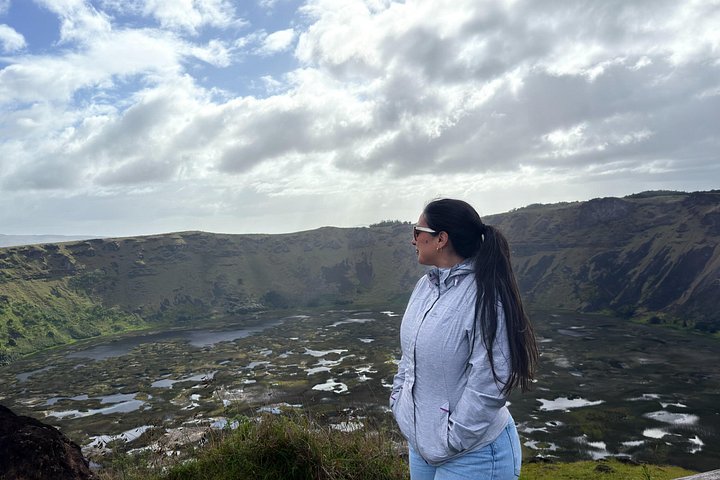
The two most visited sites, Rano Raraku and Orongo, can each be entered only once per ticket. Other sites have no limit. This rule means you should plan these two visits with care. Choose a clear day for Orongo, since the view into the crater is a large part of the experience, and give yourself at least an hour and a half at Rano Raraku. If you want a second visit, you would need a new ticket, so it is better to make the first count.
The guide requirement
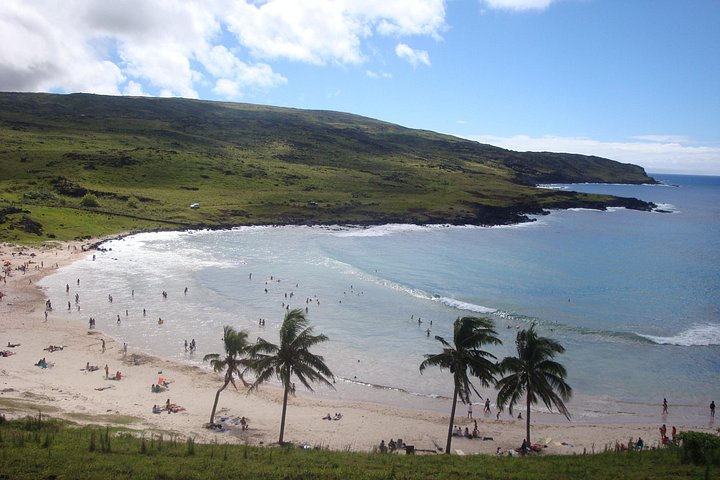
Since August 2022, visitors have been required to be accompanied by an accredited local guide or a Rapa Nui host over eighteen years old to visit park sites. There are exceptions, including the Tahai complex and the Anakena beach area, though not the Ahu Nau Nau sector. In practice most visitors join a guided tour, which is also the easiest way to reach remote sites. Choose guides who are accredited and, if you can, from the community, since their stories add depth that no sign can match.
Opening hours
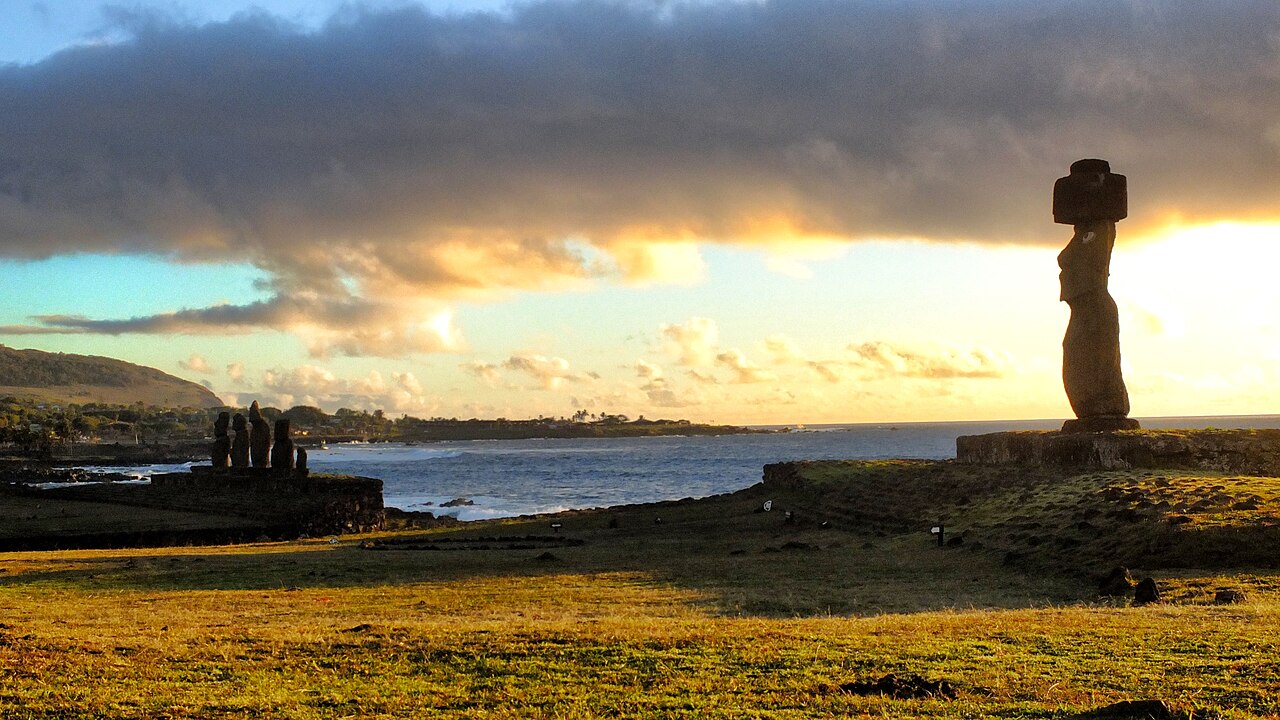
The park is generally open daily from morning to early evening. Ahu Tongariki opens from sunrise, which is why sunrise tours are possible, and Tahai stays open until sunset. Hours can change with the season or for conservation work, so check on the day, especially for Orongo, which may close in bad weather.
Rules for visitors
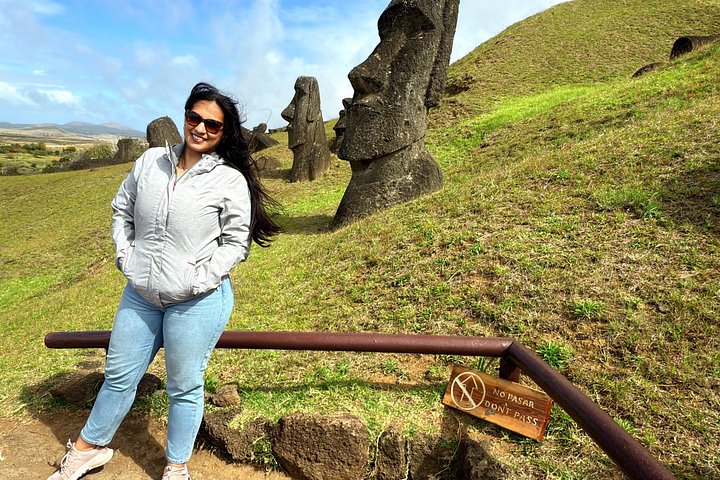
The key rules are simple and important. Do not climb on, walk on or damage the ahu, moai, petroglyphs or other structures. Do not remove stones or archaeological objects. Stay on the marked paths and out of restricted areas. Camp only in authorised places, and carry your rubbish back to town. Damage to a site can lead to fines and even imprisonment under national monument law, and rangers do enforce the rules. Drone use and commercial photography may require permission, so ask before you fly or film.
Why it matters
These rules protect fragile sites that have survived centuries of weather and conflict, and they support the community that cares for them. When you pay the ticket and follow the guide, you contribute directly to the preservation of the island. It also helps to keep expectations realistic: the paths are simple, the sites are open to the elements, and the best way to enjoy them is to move slowly and listen. Rules and prices can change, so confirm the latest details with the park or your tour operator before you travel.
Tips for a smooth visit
Keep your ticket in a waterproof pouch and take a photo of it in case it is lost. Carry your passport or a copy, since rangers may ask for identification. Charge your phone, bring a power bank, and download maps for offline use, as signal can be poor. If you hire a guide independently, ask to see their accreditation and agree the route and price in advance. If a site is closed, accept the decision with good grace and choose an alternative, because closures protect fragile places. A little patience and respect go a long way on the island.