Easter Island has a mild, subtropical climate moderated by the ocean on every side, so there is no truly bad time to visit. What changes through the year is temperature, rain, crowds and prices. The seasons are those of the southern hemisphere, which means summer runs from December to March and winter from June to August. Understanding the pattern helps you choose between warm swimming days and a quieter, cooler island with lower rates.
Summer, December to March
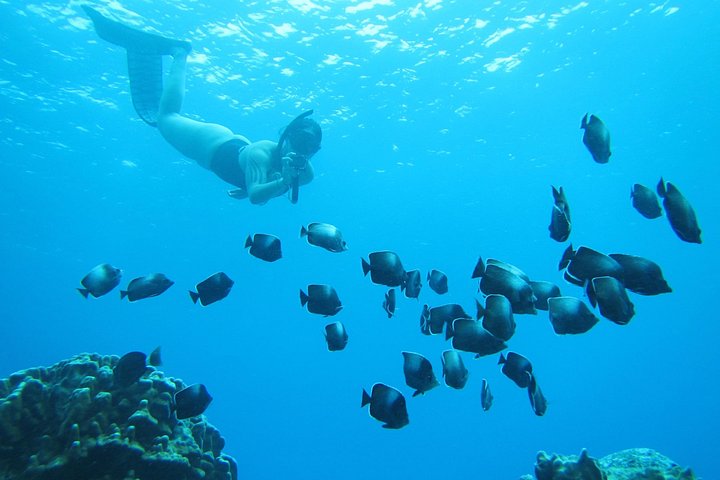
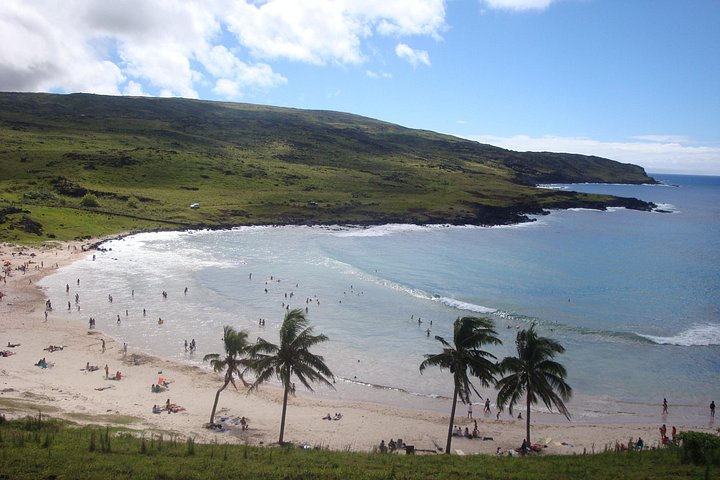
This is the high season and the best time for beaches and long days. Temperatures are warm and often reach the high twenties Celsius, the sea is comfortable for swimming and snorkelling, and the days are long, which gives you more daylight for tours. It is also the busiest time, with higher prices and rooms and tours that fill early. Book flights, hotels and key tours several months ahead. Humidity can be noticeable, and showers still occur, so pack a light rain layer.
Tapati Rapa Nui, early February
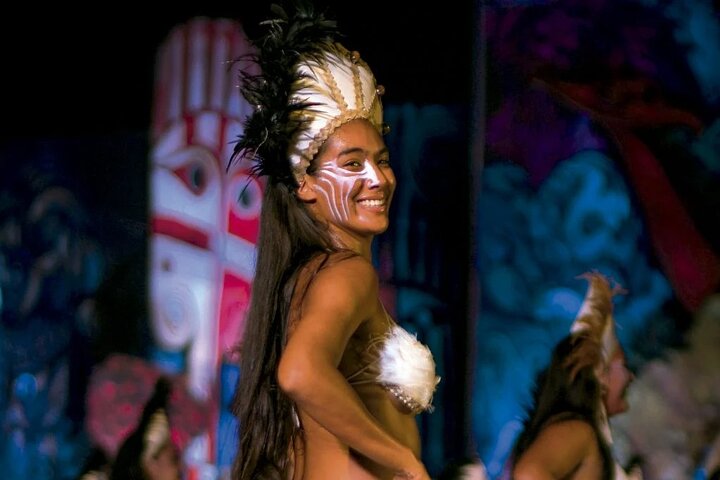
The island's great annual festival takes place over about two weeks in early February, and it is the best time to see Rapa Nui culture in action. Clans compete in singing, dancing, carving, body painting and sporting events that include traditional contests, canoe races and horse events. The island fills with visitors, so accommodation and flights are the most expensive and the hardest to book of the year. If you want to attend, reserve very early and be flexible, and treat it as a cultural event rather than a spectacle.
Autumn, April and May
This is a wonderful shoulder season. The summer crowds fade, temperatures remain pleasant, the sea is still warm enough for a swim, and the light is soft and golden for photography. Rates fall, and you are more likely to find the platforms to yourself. Rain becomes more frequent as the season advances, so keep plans flexible. The equinox in March and September has a special meaning at sites such as Ahu Akivi, where the platform aligns with the setting sun.
Winter, June to August
Winter is cooler, wetter and windier, but it is also the quietest season. Daytime temperatures are typically in the high teens to low twenties Celsius, evenings are cool, and the sea is cold enough that a wetsuit is useful for snorkelling. Showers are common, but they often pass quickly, and a clear winter day can be spectacular. Prices are lower, tours are easier to book, and sites are less busy. Bring warm layers, a waterproof jacket and good shoes, since paths can be muddy.
Spring, September to November
Spring is another excellent shoulder season. The island is green, wildflowers appear, and temperatures rise gradually. Crowds are smaller than in summer, and you can often find good rates. The weather is changeable, so build flexibility into your schedule. Sunrise at Tongariki is particularly beautiful when the air is clear after a spring shower.
Planning around weather
Whatever the season, conditions can change within hours. The windward east coast can be cloudy when the west is clear, and Orongo may close in strong wind or rain. Build in a spare day if you can, remember that Rano Raraku and Orongo allow only one entry per park ticket, and use local advice on the day. Swim only when the sea is calm, and always carry a windproof layer and sun protection. With sensible planning, you can enjoy the island in any season, and the choice comes down to whether you value warmth, quiet or festival energy most.
A quick summary
For beaches and long days, choose summer; for culture, choose early February; for quiet and value, choose winter; for balance, choose April, May, September or October. What to pack for each season. In summer, bring light cotton clothing, a sun hat, sunglasses, swimwear and reef-safe sunscreen, plus a thin waterproof jacket. In winter, add a warm fleece, long trousers, a windproof shell and shoes that handle mud. In every season, bring comfortable walking shoes, a refillable water bottle, a small day pack and a torch. Insect repellent is rarely needed, but a hat and a scarf help in the wind. Pack as light as you can, because many small planes and hotels have limited space, and remember that you can buy basics in Hanga Roa at higher prices.