Fes sits inland, away from the moderating influence of the coast, and its weather is more extreme than many visitors expect. Summers are hot and dry, winters can be cold and wet, and the best weather comes in two relatively short windows. Choosing the right season matters for the walking, the day trips and your comfort in a riad. Here is how the year breaks down.
Spring: the favourite season
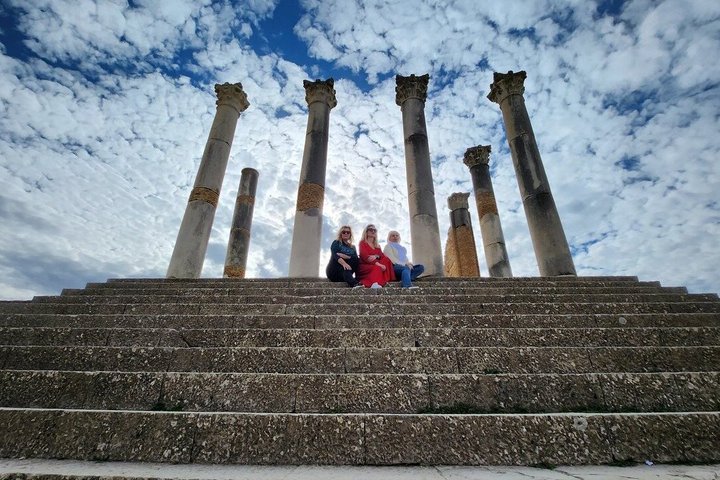
Spring, from March to May, is the most popular time to visit. Days are warm without being punishing, the countryside around Fes and the Middle Atlas is green, and the lanes are pleasant for long walks. Evenings can still be cool, so pack a layer. This is the busiest period for riads, so book early. It is also the best season for Volubilis, where the ruins are surrounded by fields and wildflowers, and for Chefchaouen, where the hills are fresh.
Summer: plan around the heat
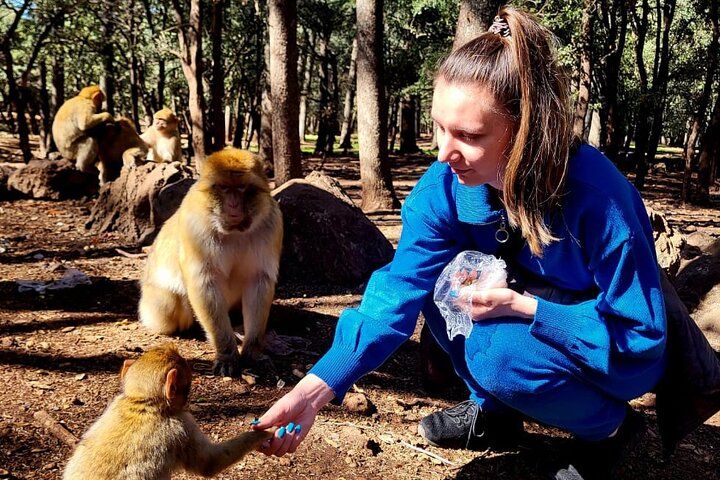
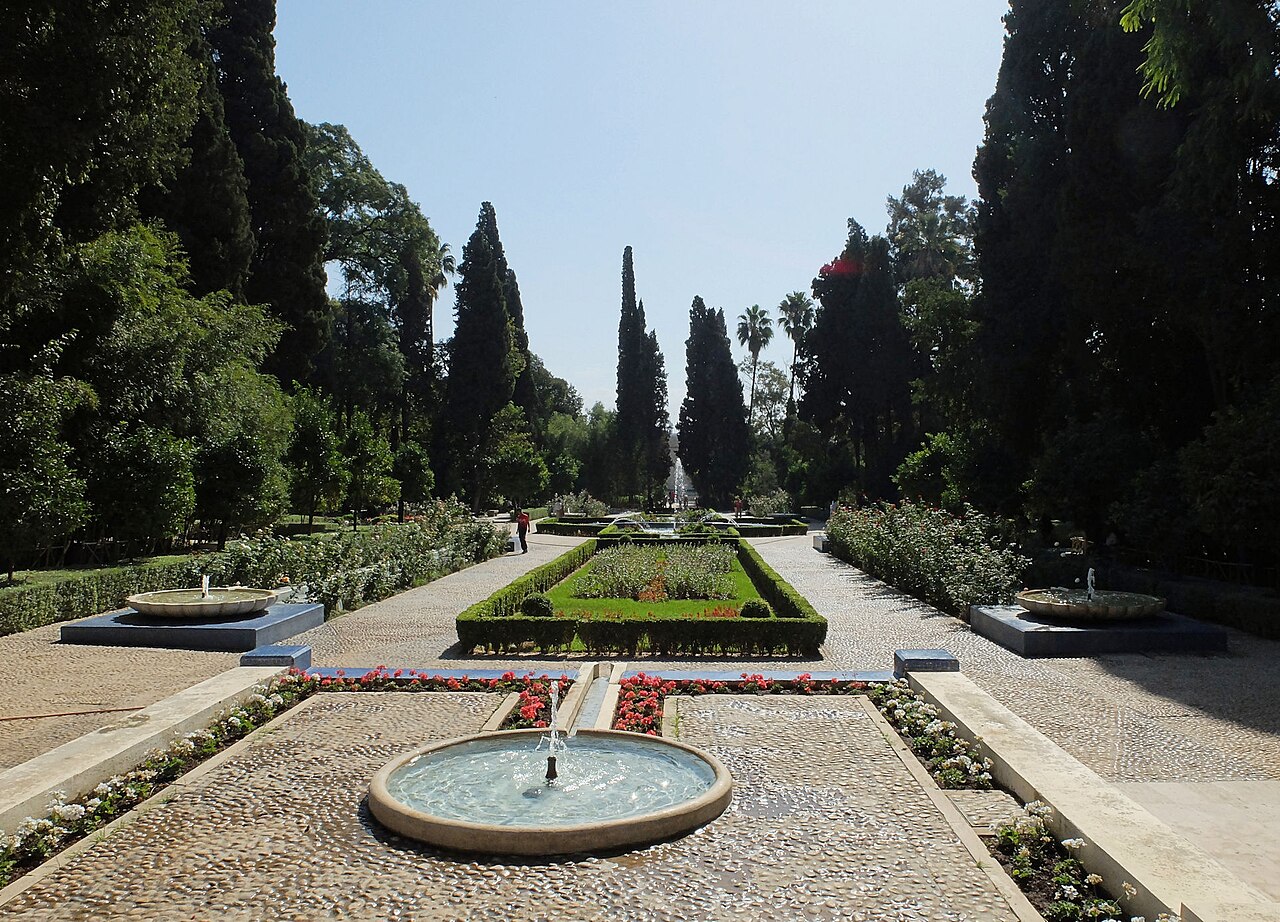
From June to August Fes is very hot, and the heat in the medina can be intense at midday. The practical approach is to sightsee early in the morning, rest indoors in the afternoon and go out again at dusk. Thick-walled riads with courtyards and pools are cooler than you expect, and the Jnan Sbil Gardens offer shade. Summer is a good season to choose a riad with a pool, or a hillside hotel such as Hotel Sahrai. Day trips are less comfortable in the middle of the day, so choose cooler destinations such as the cedar forests near Ifrane and Azrou, and avoid a Sahara overnight unless you are prepared for very high temperatures. Carry water, wear a hat and use sun protection.
Autumn: the second window
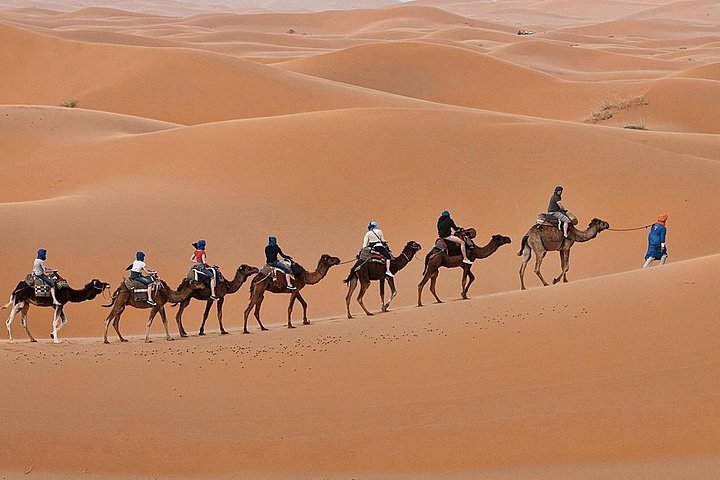
September to November is the other comfortable season. Early autumn can still be warm, while October and November bring mild days and cooler nights. The light is lovely for photography, the tannery looks its best in clear weather and the crowds are a little lighter than in spring. This is a very good time for a Sahara overnight, because the desert is cooler and the dunes are more comfortable to climb.
Winter: cold, quiet and underrated
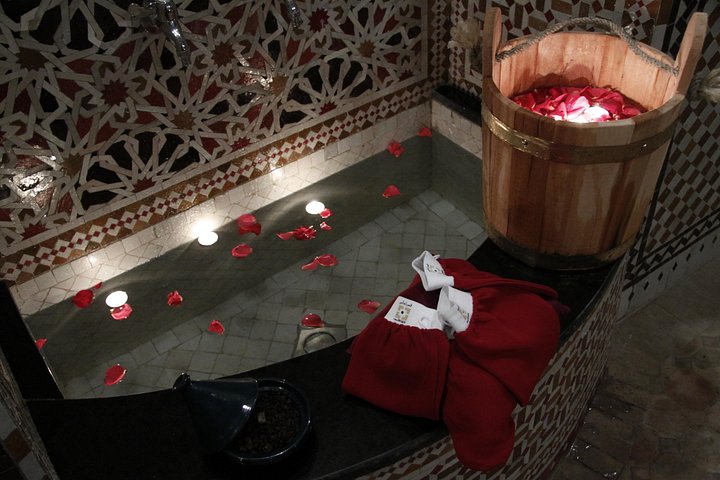
From December to February Fes is cold, damp and sometimes rainy, and the Middle Atlas around Ifrane and Azrou can see snow. Many older riads and houses are poorly heated, so ask about heating before you book and pack warm clothing for the evenings. The compensation is fewer visitors, lower prices at many properties and a more atmospheric medina, with the smell of wood smoke and warm bread. Rain can make the lanes slippery, so bring shoes with good grip and a waterproof jacket. Winter is also a fine time for hammams, cooking classes and museums such as Dar Batha, which fill rainy days well. Desert nights are very cold, so a Sahara overnight needs warm layers.
Ramadan and holidays
Ramadan moves earlier each year, so check the dates before you book. During the month, Muslims fast from dawn to sunset, and the city runs on a different rhythm. Many restaurants close during the day, shops may open later and the streets are quiet until the evening, when the mood becomes festive after the fast is broken. Visiting is rewarding but requires flexibility and discretion about eating and drinking in public. The Eid holidays that follow bring family travel and busy transport, so book trains and hotels well ahead.
What to pack
Pack layers in all seasons, because a cool morning can become a warm afternoon. Bring flat shoes with a good grip for uneven stones, a scarf or light shawl for modest dress and sun cover, a refillable bottle and a small day bag that closes securely. Modest clothing, covering shoulders and knees, suits every season and every visitor.
Using the weather in your plans
If you are visiting in a hot month, book the cooking class or hammam for the afternoon, when the lanes are least comfortable. In a cold or wet month, move museums and workshops to the worst weather and keep the open-air views for clear mornings. Flexibility is the real secret, so avoid pre-paying for too many fixed activities on the same day.
The short answer
Choose April, May, October or early November if you can. Choose winter if you value quiet and do not mind the cold, and choose summer only with a plan for the heat.