Three days is the right length for a first visit to Fes. It is enough to see the headline sights without rushing, and enough time to get lost in the medina on purpose, which is half the point. The plan below keeps the walking in the cooler hours, puts the big viewpoints at sunset and leaves the third day for either more of the city or a trip into the countryside. Treat it as a frame rather than a timetable, because the best moments in Fes tend to be the ones you did not schedule.
Day one: the heart of Fes el-Bali
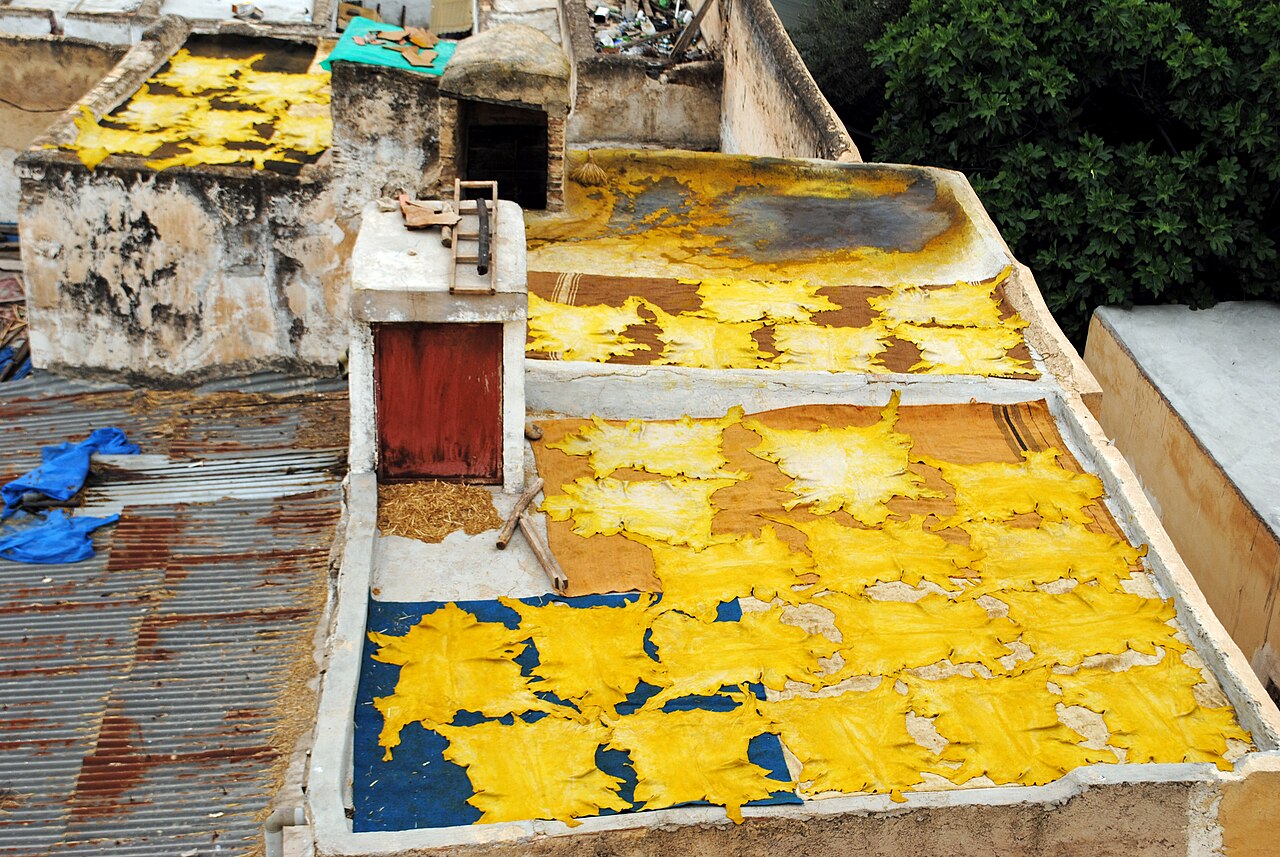
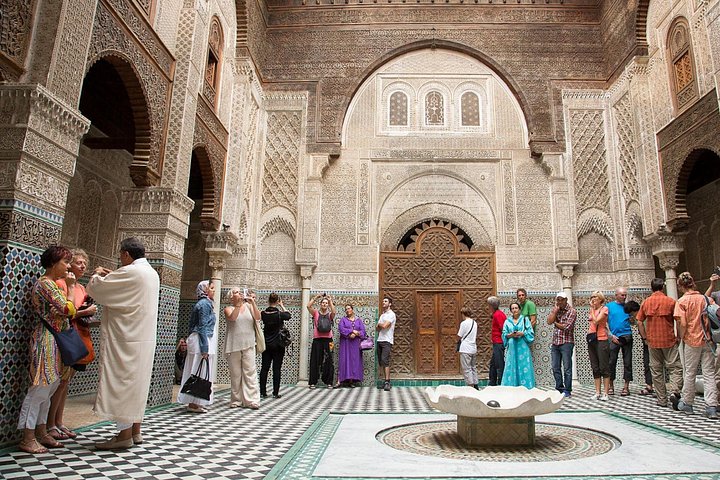
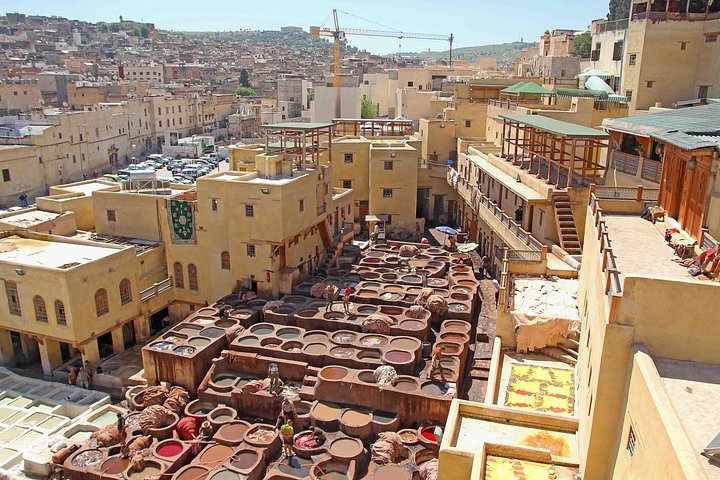
Start in the morning with a licensed guide, because the medina is a genuine labyrinth and the first hours are the hardest. The Fes el-Bali medina walk gives you the layout, the trades and the stories, and it usually finishes with a view over the Chouara tannery, where hides are still dyed in stone vats as they have been for centuries. Plan on an hour for the tannery and its terraces, and expect to be handed a sprig of mint to soften the smell. After a long lunch, step into the Bou Inania Madrasa, one of the most beautiful pieces of Marinid architecture in Morocco, with carved cedar, stucco and zellige tilework around a quiet courtyard. Finish at Bab Bou Jeloud, the Blue Gate, as the light fades and the cafes along the lane fill up.
Day two: craft, quarters and royal Fes
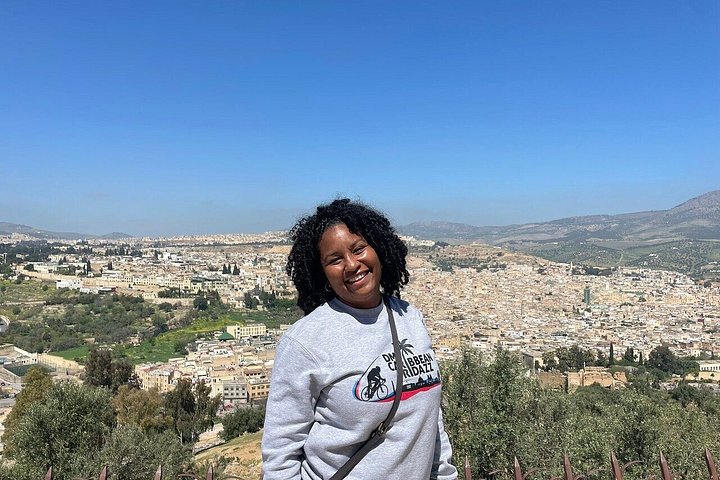
Begin with the Al-Attarine Madrasa and the Nejjarine quarter, where the woodworkers once worked and a fine fountain still stands. This is a calmer corner of the medina and it rewards a slow look at the doors and the tilework. If you want to make something rather than only watch it, the pottery and zellige workshop is a good late-morning stop, since Fes has long been Morocco's centre for glazed ceramics. In the afternoon take a petit taxi to Fes el-Jdid, the 13th-century royal quarter, for the brass doors of the Royal Palace and the Mellah, the old Jewish quarter with its distinctive balconies. The palace itself is closed to visitors, so this is an exterior visit, and it is quick. Then continue to Borj Nord and the Merenid Tombs on the northern hill, which is the best place in the city to watch the sun go down over the medina roofs.
Day three: choose your pace
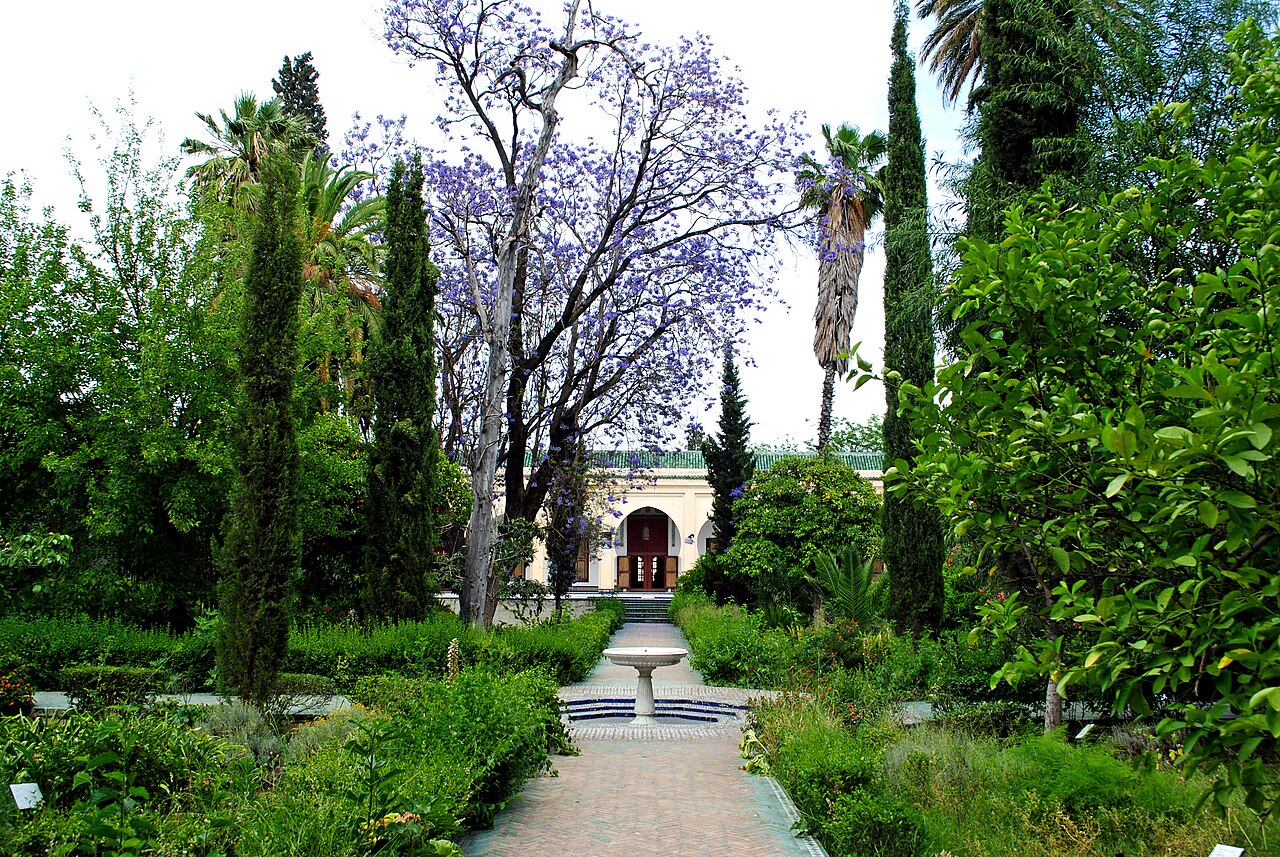
If you want to stay in Fes, spend the morning at Dar Batha, the museum of Moroccan arts in a former palace with an Andalusian garden, then walk the Jnan Sbil Gardens, a green and shaded escape from the medina. Late in the afternoon sit down for the Palais Amani cooking class or a hammam, both of which are a gentle way to end a trip. If you would rather leave the city, the Volubilis, Moulay Idriss and Meknes day trip is the most rewarding single excursion, combining Roman mosaics, a holy hillside town and an imperial city in one long day. Chefchaouen is the alternative, but it involves a lot of driving for a single day, so be honest about how much time you want to spend in a vehicle.
Pacing and practicalities
Fes is hilly and the lanes are uneven, so wear flat shoes with good grip and carry water. Most visitors find that one major activity in the morning and one in the late afternoon works better than a full day of sightseeing, with a long lunch and a rest in between. Cash in Moroccan dirhams, in small notes, makes tipping and small purchases easy, and cards are accepted in better restaurants and larger shops but not in the lanes. Dress modestly, covering shoulders and knees, and ask before photographing people. Friday is the main day of prayer, so expect some shops to close or open late around midday, and plan your sightseeing flexibly. Opening days and hours for individual sights change, so confirm them when you book your guide.
Where to base yourself
Sleeping inside the medina saves time and gives you the evening atmosphere, while a hillside hotel is easier with a car and quieter at night. Our where to stay guide compares both. Whichever you pick, arrange a meeting point with the property before you arrive, because cars cannot reach the lanes.
A note on guides
Even if you explore alone on day three, a guide on day one pays for itself, because it teaches you how the lanes connect. After that, many travellers find they can wander confidently between landmarks such as Bab Bou Jeloud and the madrasas, using the main arteries as a spine.
If you only have two days
Combine days one and two, keep the medina walk, Bou Inania, the tannery and the sunset at Borj Nord, and skip the day trip. You will miss the quieter pleasures, but you will see the essentials.