Fes has a reputation as the culinary capital of Morocco, and it is a reputation the city defends. Fassi cooking, as it is known, grew out of a long history as a royal and scholarly city, with refined dishes, careful spicing and a love of the sweet and savoury together. You can eat very well here at every budget, from a stand in the lanes to a candlelit riad dining room. This guide explains what to look for and how to make the most of it.
The dishes to know
Pastilla is the dish the city is proudest of: layers of thin pastry around spiced meat, traditionally pigeon but often chicken, finished with almonds, cinnamon and a dusting of sugar. The mix of sweet and savoury surprises first-timers and wins most of them over. Couscous is the traditional Friday meal across Morocco, steamed to a light fluff and served with vegetables and meat, and many families and restaurants still keep that tradition. Tagines are everywhere, with lamb and prunes, chicken with preserved lemon and olives, or vegetables with spices. Harira, a tomato and lentil soup, breaks the fast during Ramadan and appears on menus throughout the year. Bissara, a thick fava bean soup, is a cheap and filling breakfast, and you will see it served in bowls with olive oil and cumin in the lanes.
Street food and snacks
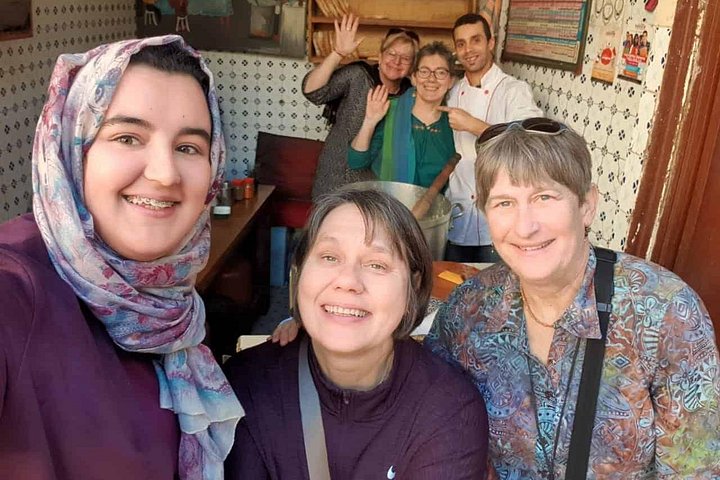
The medina is a good place for simple food, and a guided food tour is the safest way to taste it. The Fes street food tour is built around this idea, linking small stalls and local favourites that are hard to find alone. Expect grilled skewers, sandwiches stuffed with spiced meat, freshly baked bread from communal ovens, olives, nuts, pastries and fresh orange juice. The usual advice applies: choose busy stalls with a quick turnover, look for food cooked in front of you and carry hand sanitiser. Pace yourself, because portions add up faster than you expect.
Learning to cook
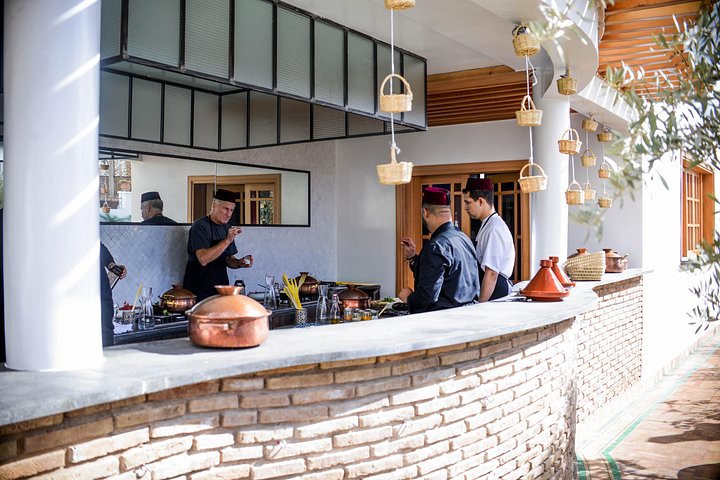
If you want to take something home, the cooking class at Palais Amani is a good fit. A class usually begins with a market visit or a discussion of ingredients, then moves to hands-on preparation of a few dishes, and ends with you eating what you made. It is one of the best ways to understand how spices are balanced and why timing matters in a tagine. Book ahead, because classes are small.
Mint tea and sweets
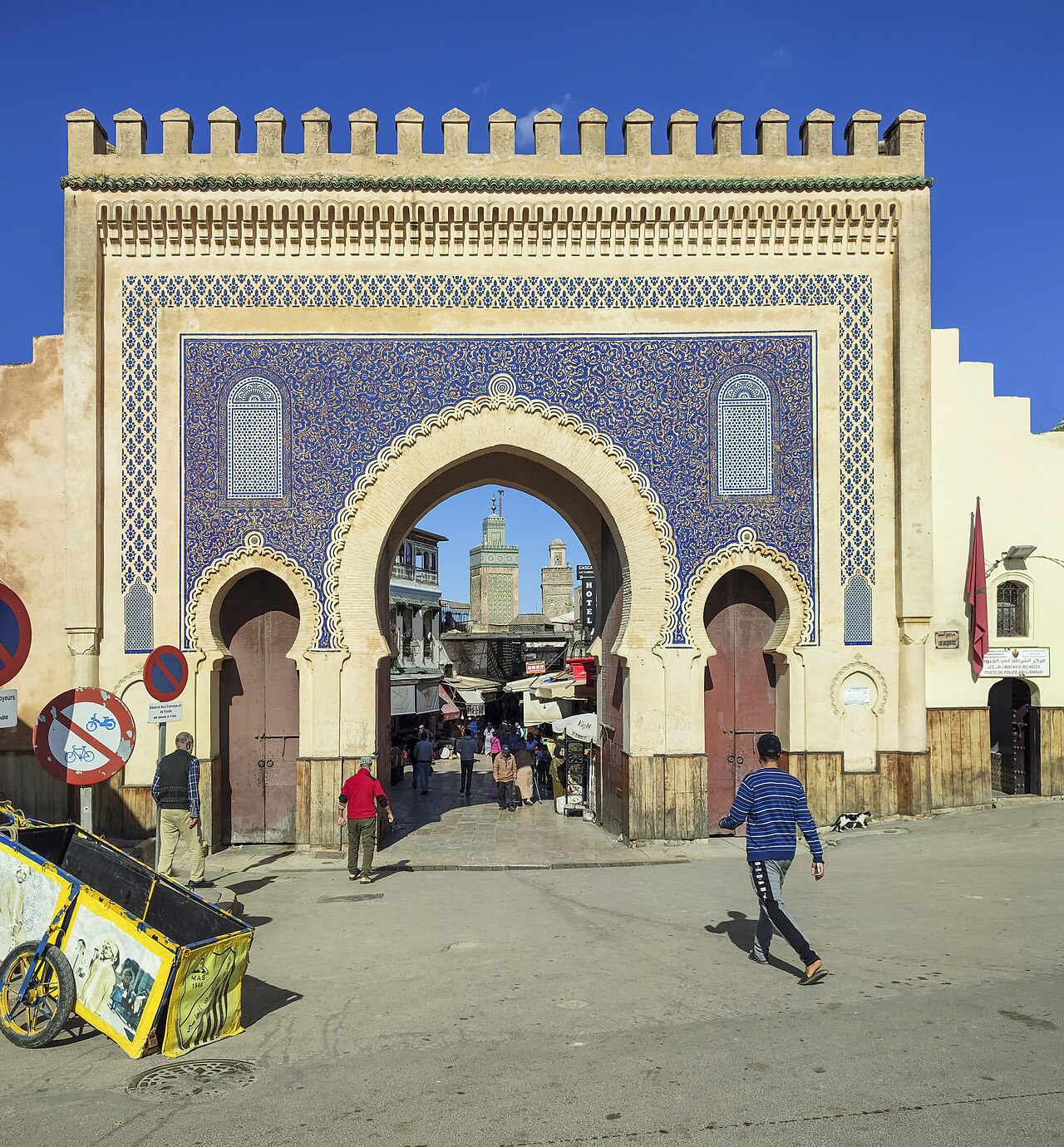
Mint tea is the drink of welcome across Morocco, poured from a height into small glasses and sweet by default. If you prefer less sugar, ask for it with less sugar when you order. Pastry shops sell almond and honey sweets, and a few pieces make a good gift. Fresh juice stands and cafes around the Blue Gate are good places to rest between sights.
Where to eat
Inside the medina you will find traditional restaurants in restored riads, many with a set menu of salads, a main dish and dessert. These are the best places for pastilla and slow-cooked dishes, and they are usually quiet and atmospheric. Reserve ahead for dinner, particularly in busy seasons, and ask your riad for a recommendation. For lunch, small local places near the main lanes are inexpensive and good. Rooftop cafes offer views and tea, but food can be average, so treat them as a pause rather than a meal.
Alcohol, Ramadan and etiquette
Morocco is a Muslim country, and alcohol is not served in most medina restaurants, though some hotels and larger restaurants in the new town do serve it. During Ramadan, many restaurants close during the day and open after sunset, so plan meals accordingly and be discreet about eating in public. Eat with your right hand when sharing a dish, and accept tea with thanks.
Sweet endings and bakeries
Fes is also a city of bread and pastry. Neighbourhood ovens bake the round loaves that families bring from home, and you will see trays of dough carried through the lanes by children. Look for sellers of msemen, the flaky pan-fried flatbread eaten with honey or butter, and for stalls frying fresh doughnuts and fritters in the morning. They cost very little and make a satisfying breakfast between sights.
A simple food plan
Start the morning with bissara or bread and olives, spend the afternoon on a food tour or a cooking class, and book one proper dinner in a riad for pastilla. Staying in a riad with a good kitchen, such as Palais Amani, makes this easy.