Jaipur can be a wonderful city for families. It has castles on hills, a palace with peacock gates, an observatory of giant stone instruments, bazaars full of colour and a range of hands-on activities that children remember long after the trip. It can also be hot, crowded and tiring, and a day of monuments is a lot for a small traveller. This guide suggests how to pitch a family visit, which sights work best and what to prepare.
Pace the days
The most important rule is to do less. Plan one main sight in the morning, a long lunch and a rest at the hotel in the middle of the day, then a lighter activity in the late afternoon. Children do better with variety, so mix a fort with a craft session or an animal encounter rather than visiting three palaces in a row. Early starts help, since the sights are quieter and cooler before ten, and an afternoon swim in the hotel pool can restore everyone.
Forts and palaces that work
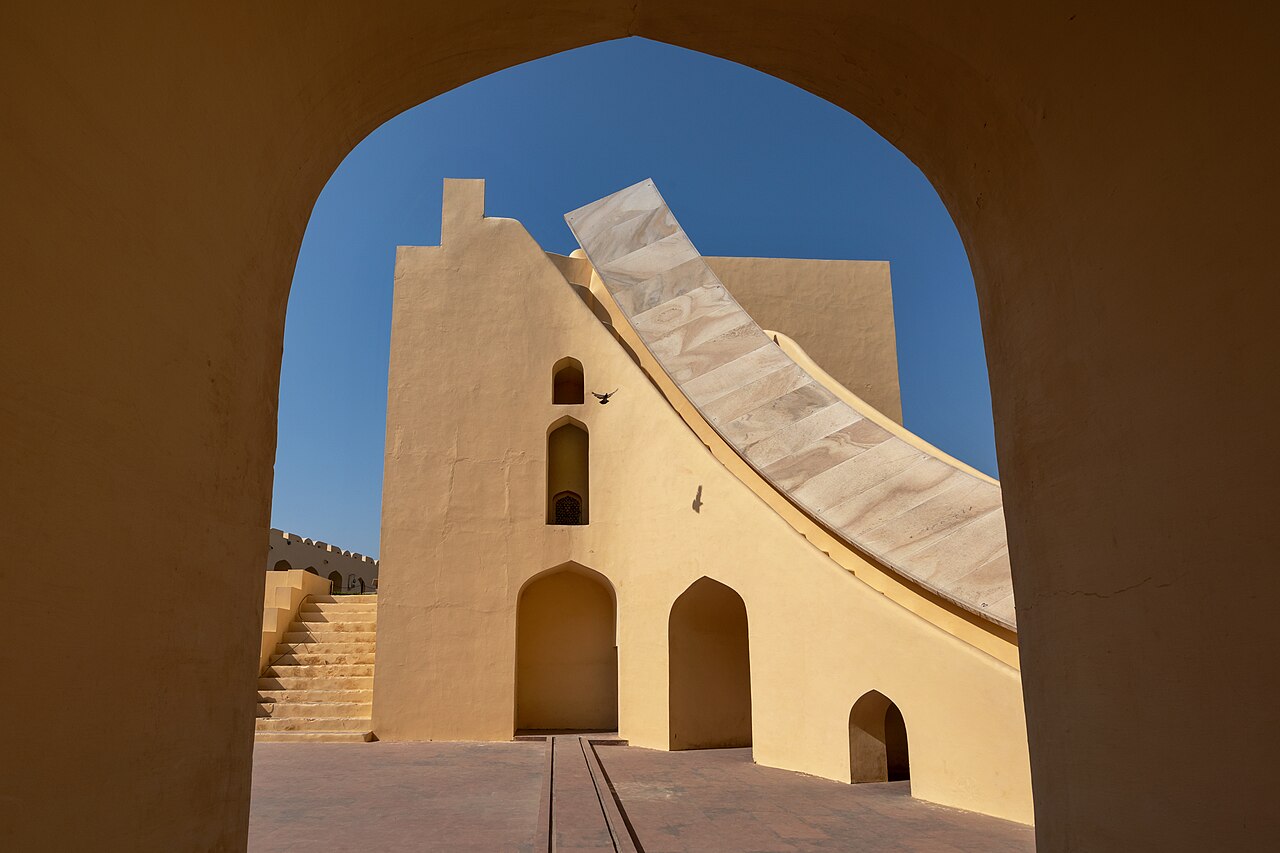
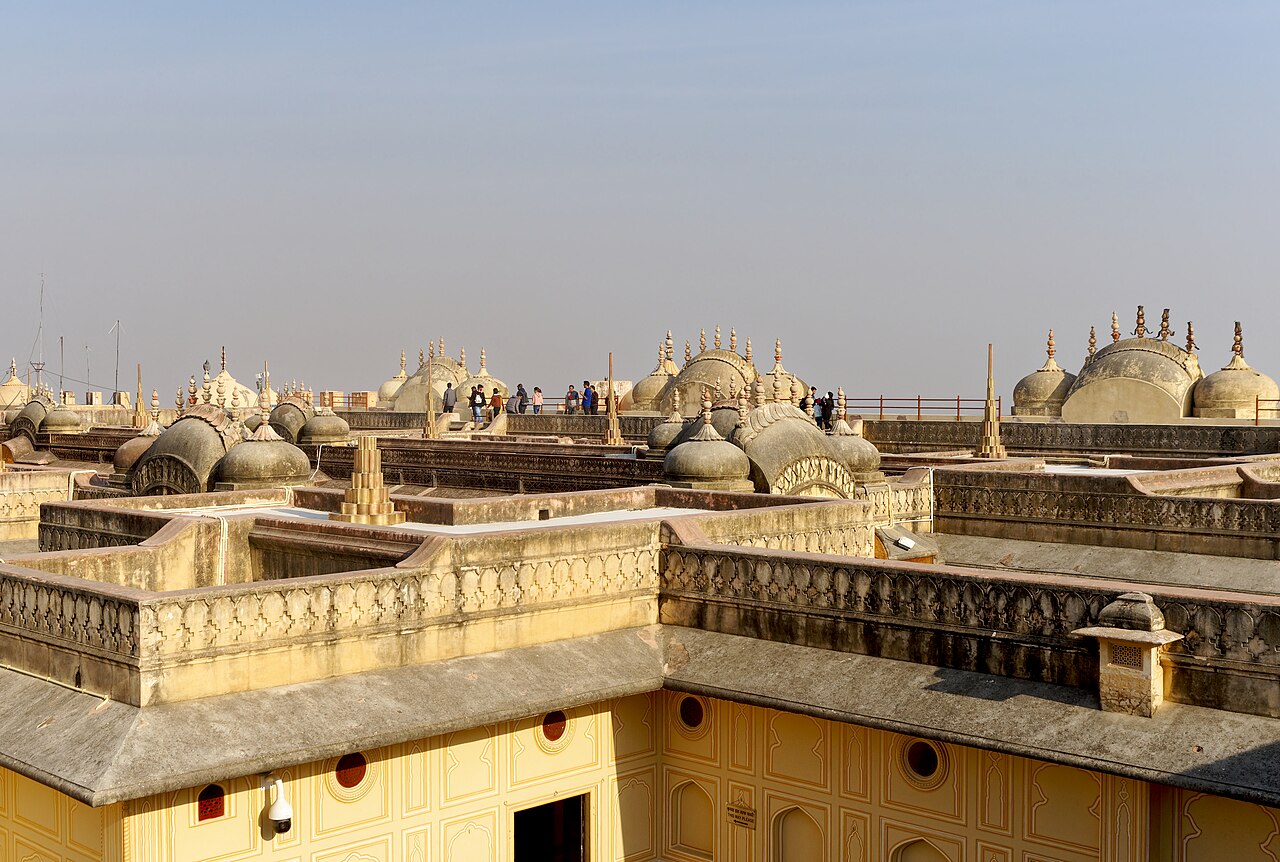
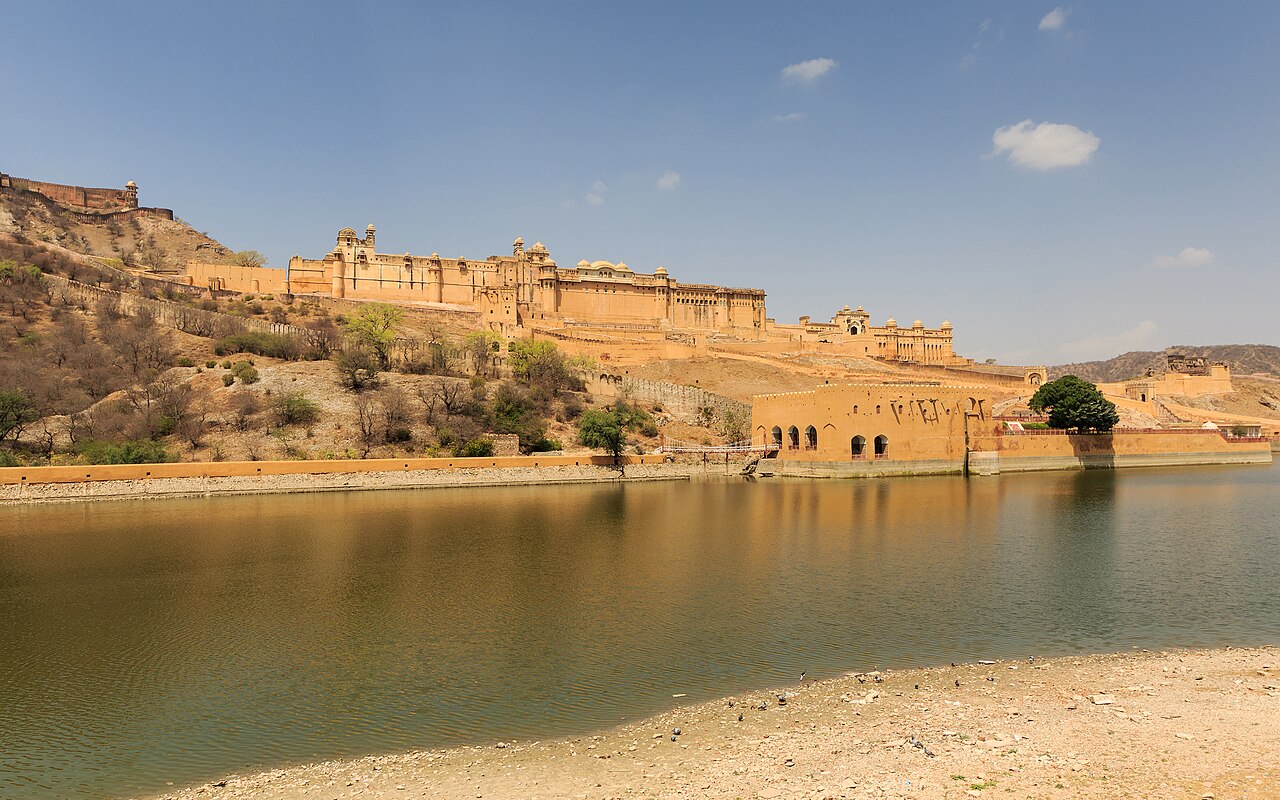
Amber Fort is the star, with its ramparts, courtyards and mirror hall, and a guide who tells stories rather than dates will hold children's attention. Nahargarh Fort is good at the end of the day, with space to run and big views at sunset. Jantar Mantar surprises many children, since the giant sundial and the zodiac instruments are enormous and invite exploring, and Hawa Mahal is a short stop with a photogenic facade. City Palace has costumes, weapons and a gallery of carpets that keep children interested, especially with a guide.
Hands-on activities
Jaipur is unusually good for activities that involve making something. A block-printing workshop lets children stamp their own fabric, a cooking class lets them roll dough and mix spices, and a blue pottery or miniature painting session gives older children a quiet creative challenge. These activities also break up the day and give a break from walking. Check minimum ages, since some workshops involve fine tools or heat.
Animals, done responsibly
Children often hope to ride an elephant at Amber. Many travellers now prefer to avoid rides on welfare grounds, and there are alternatives. An elephant sanctuary that does not offer riding allows children to feed and walk alongside the animals, and a gentle horse ride in the countryside suits older children. For wildlife, the Jhalana leopard reserve on the edge of the city offers a jeep safari with a decent chance of sightings, while Ranthambore is the place for tigers, though the journey is long and best attempted with older children. Ask operators about how their animals are cared for.
Food for fussy eaters
Indian food has plenty for children who dislike spice, including plain rice, dal, naan, paratha, yoghurt, mild paneer dishes and fresh fruit. Ask for dishes to be made mild, eat in busy restaurants where food is cooked fresh, and drink bottled or filtered water. Street snacks are tempting but can upset small stomachs, so introduce them gradually, and carry hand sanitiser. Many hotels and restaurants will prepare simple meals on request, and a village-style dinner with music and puppet shows is a fun evening for all ages.
Heat, health and comfort
The hot months from April to June are tough for children, and the monsoon brings humidity. October to March is the most comfortable season. Use sunscreen, hats and light long sleeves, carry water, and plan indoor stops in the middle of the day. Bring a basic medical kit, including rehydration salts and any regular medicines, and check vaccination advice with a travel clinic before you go. A car with air conditioning and a driver for the day makes a big difference with young children, and many families choose a driver for the whole stay.
Safety and etiquette
Crowds can be dense, so agree a meeting point and keep hold of younger children's hands in bazaars and at temples. Dress modestly at religious sites, remove shoes as required and explain beforehand that some places are quiet and respectful. Be ready for attention: children, especially blond or fair-haired ones, may be asked for photographs. You can politely decline.
Where to stay
Hotels with a pool and garden make a real difference, since children can burn off energy while adults rest. Larger resorts outside the centre offer space and facilities, while heritage hotels with lawns give a more atmospheric stay. Ask about family rooms or connecting rooms and check the age policy at any palace hotel before you book.
Sample day
Start with an early visit to Amber Fort, return for a swim and lunch, then spend the late afternoon on a block-printing workshop or an elephant sanctuary visit, and finish with an early dinner and a folk music and puppet show. It is a full but varied day, and it leaves everyone with stories to tell.