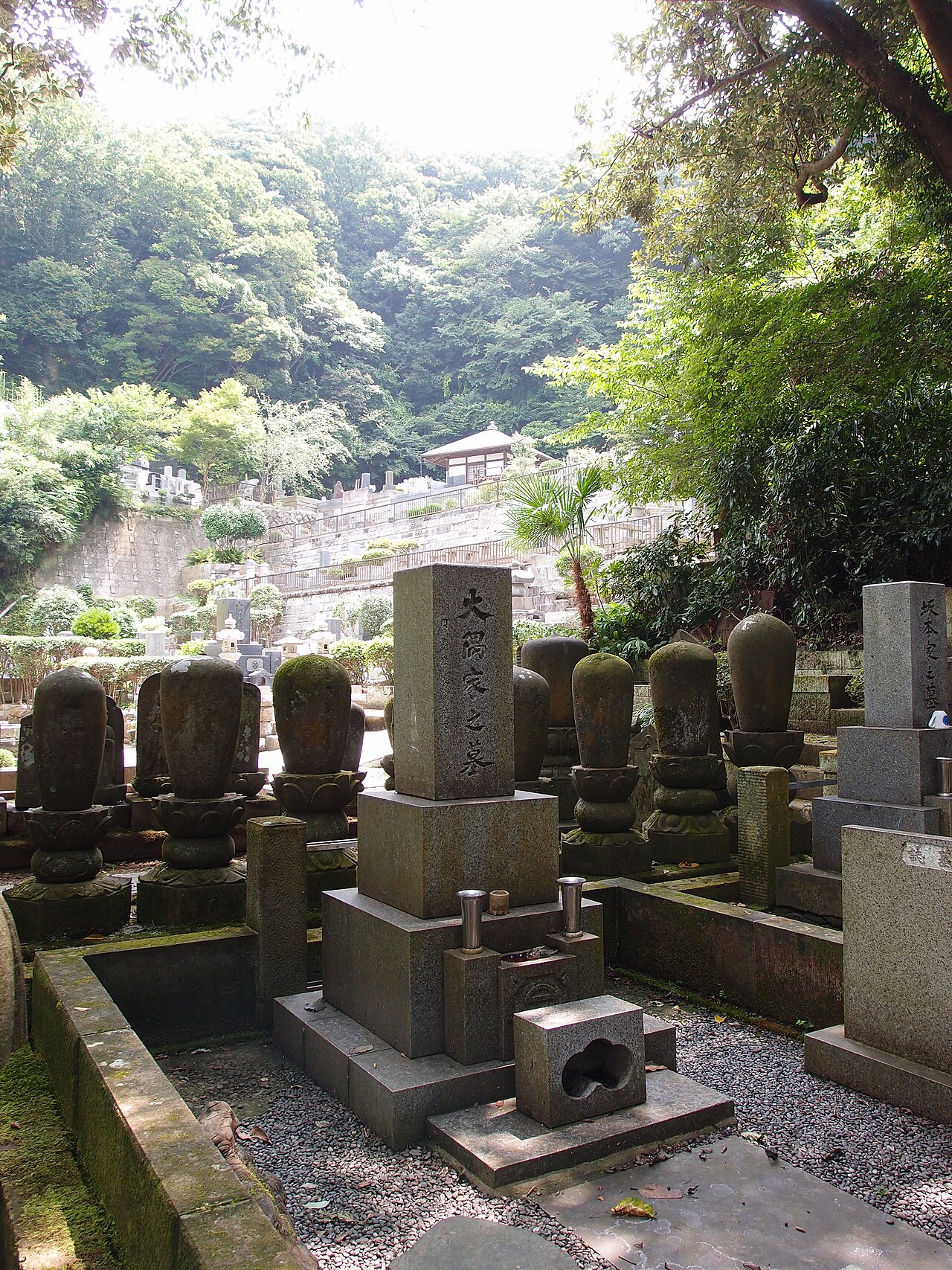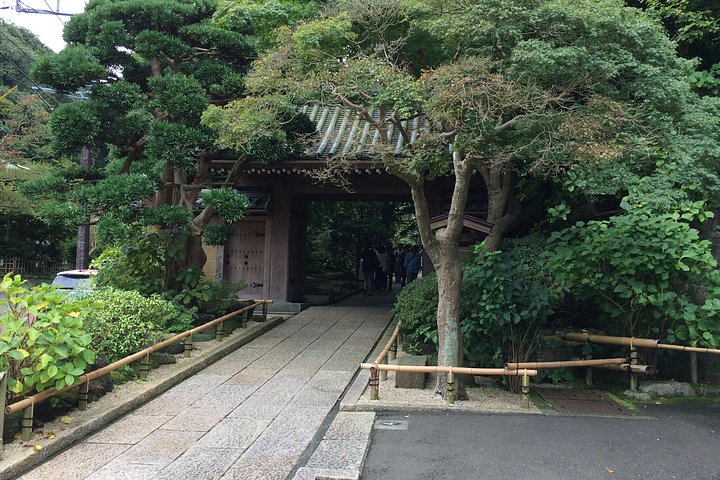
Meigetsu-in is a small Zen temple in a wooded valley a ten minute walk from Kita-Kamakura Station, and it is known across Japan as the hydrangea temple. In June, thousands of blue hydrangeas line the approach and the stairs, and crowds arrive from early morning to see them. The rest of the year the temple is quieter and arguably lovelier. Its most famous feature is the Round Window in the main hall, a circular opening that frames the garden beyond like a living scroll, changing with the seasons from fresh green to autumn red. The grounds also hold a quiet moss garden, a cave tomb carved into the hillside, a small bamboo grove and a back garden planted with irises that opens to visitors for a limited season. There is an entry fee that is modest by Kamakura standards.
Allow an hour to ninety minutes for a normal visit, or longer in hydrangea season, when the queue can stretch back into the lane and a visit takes the best part of a morning. Come as early as the gates open on a weekday if you want the blooms without the crush. Outside June, the temple is a calm place to sit, with benches in the main garden, a small tea shop and a hall where you can admire the Round Window in silence.
Photographers will find it hard not to take the same picture as everybody else, so look for details instead: stone lanterns, fallen leaves on moss, the shapes of the paper doors.
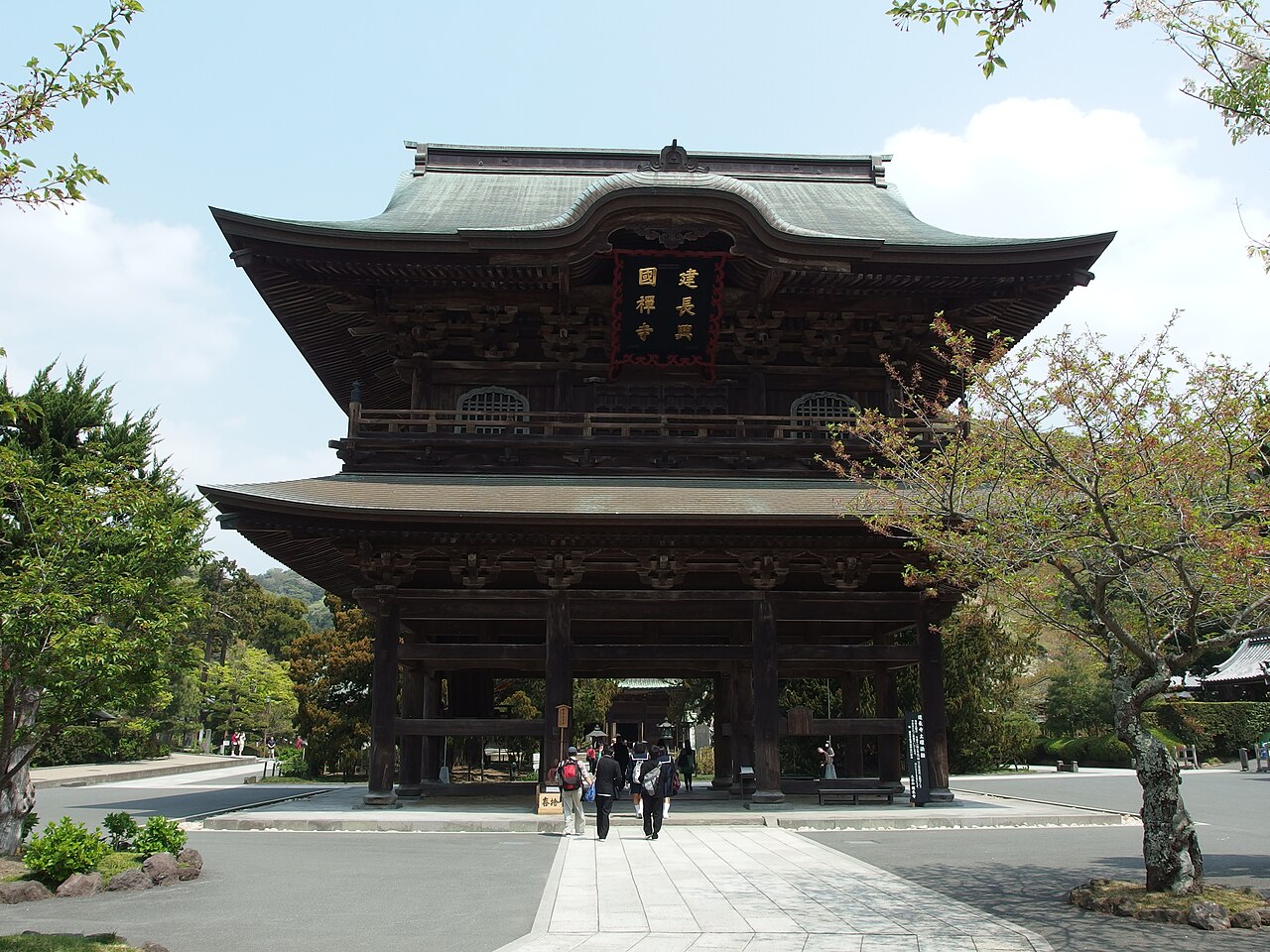
Autumn brings another reason to go. Maples around the pond and in the back garden turn red in late November and early December, and they make a striking frame for the window and the paths. Spring has azaleas and fresh green, and winter has quiet and clear air, with the occasional light dusting of frost. The temple belongs to the Rinzai school of Zen, like its famous neighbours Kencho-ji and Engaku-ji, so it works well as one stop on a Kita-Kamakura walk.
To get there, take the JR Yokosuka line to Kita-Kamakura and walk about ten minutes along the quiet road. Pair it with Tokei-ji, a short walk back towards the station, and with Engaku-ji, which stands beside the station itself. In June, some visitors prefer to visit on a weekday and avoid weekend dawns altogether, because the route fills long before midday. Respect the temple by keeping to marked paths, staying off the moss and speaking softly.
Tickets are bought at the gate, and an extra fee applies for the back garden when it is open. Hours, closing days and the dates of the iris garden vary by season and weather, so check the temple's current information before you travel. Comfortable shoes are useful, because the paths are uneven and the steps can be wet after rain. Bring coins for the entrance and the donation box.
For a different rhythm, visit on a rainy weekday outside the busy season, when the stones darken, the moss glows and the round window frames a garden full of raindrops. Many regular visitors say this is when the temple is at its most beautiful. Dress for wet paths, bring a small towel for the camera and allow time to sit rather than hurry between viewpoints.
What to expect
The experience
A self-guided visit to a small Zen temple with a famous round window, a moss garden and, in season, thousands of hydrangeas.
Best time
Early on a weekday, especially in June for the hydrangeas and late November for the maples.
How long
One to one and a half hours, longer in hydrangea season.
Tips
Arrive at opening in June, bring coins for the entrance, stay off the moss and combine with Tokei-ji and Kencho-ji.
Quick picks
- Best for
- Garden lovers and photographers, especially in June and autumn.
- Families
- Pleasant if children like gardens, but June queues are long.
- Couples
- Sit by the Round Window and share a quiet tea.
- Pair with
- Tokei-ji, Kencho-ji and Engaku-ji.
- Time needed
- About ninety minutes.
Good questions
Why is Meigetsu-in called the hydrangea temple?+
Thousands of hydrangeas line its approach and stairs, and they bloom in June, drawing large crowds.
What is the Round Window?+
A circular opening in the main hall that frames the garden beyond, and it changes colour with the seasons.
How do I get to Meigetsu-in?+
Take the JR line to Kita-Kamakura and walk about ten minutes along the quiet road.
When is the quietest time to visit?+
Weekday mornings outside June are calmest. In hydrangea season, arrive as soon as the gates open.
Is there an entry fee?+
Yes, a modest fee is paid at the gate, with an extra fee for the back garden when it is open.