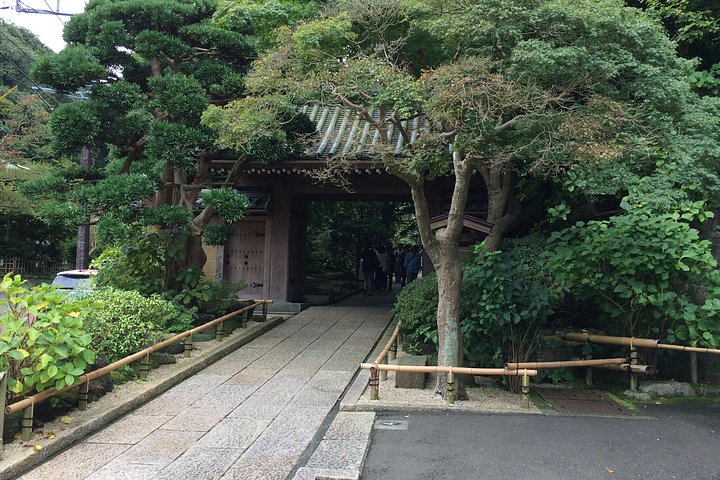
Tokei-ji is a small temple a couple of minutes' walk from Kita-Kamakura Station, and its story is one of the most memorable in Kamakura. Founded in the late thirteenth century by a widow of the Hojo regent, it became a place where women could end a marriage in an age when only husbands had that right. A woman who spent a set number of years within its walls was considered divorced, which earned it the nickname of the divorce temple. Today it is a peaceful garden temple, reached by a moss-covered stone stairway beneath a thatched gate. The grounds are planted for the seasons, with plum blossom in late winter, irises in early summer, hydrangeas and autumn leaves, and a small hall holds a statue of the Water-Moon Kannon. A small fee is charged at the entrance.
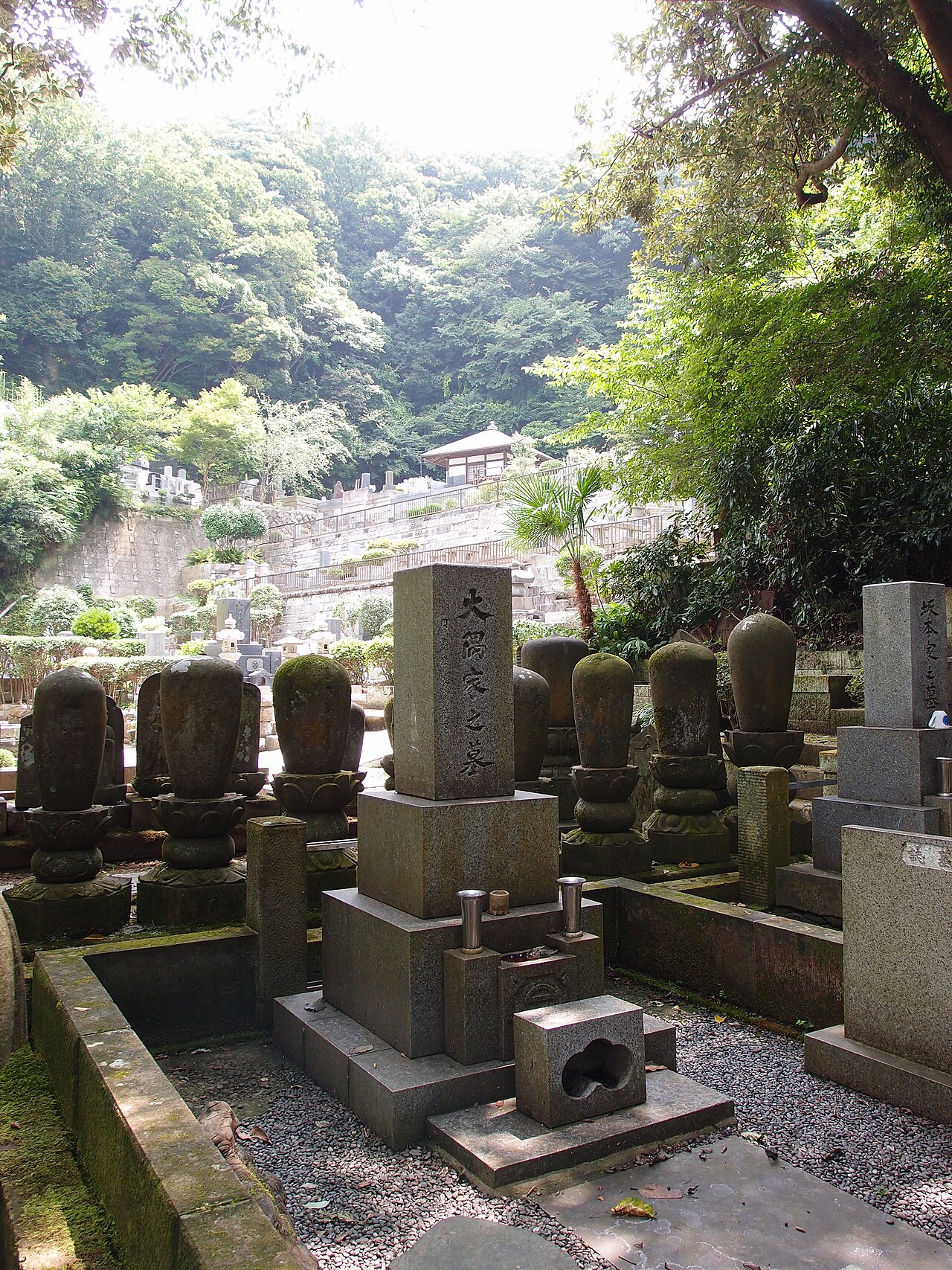
The visit is short and gentle. Climb the stairs, pause under the gate and wander the garden paths past stone lanterns and mossy corners. A small teahouse serves matcha and sweets with a view of the garden, which is a good reason to slow down. Behind the main buildings, a hillside cemetery holds the graves of several well-known figures, including a renowned scholar of Zen, and visitors are asked to walk through quietly and treat it as the burial ground that it is. A small treasure hall displays temple objects on a changing schedule.
The temple's history gives it a particular atmosphere. It was a convent for centuries, and until the Meiji era it was run by nuns, and the sense of enclosure and refuge still colours the place. Even on busy days the garden feels tucked away. Spring and autumn are the most colourful times, but winter plum blossom against bare branches is quietly beautiful, and summer offers shade and cicadas. Tokei-ji is a small stop, so pair it with its neighbours rather than making a separate trip.
Getting there is simple
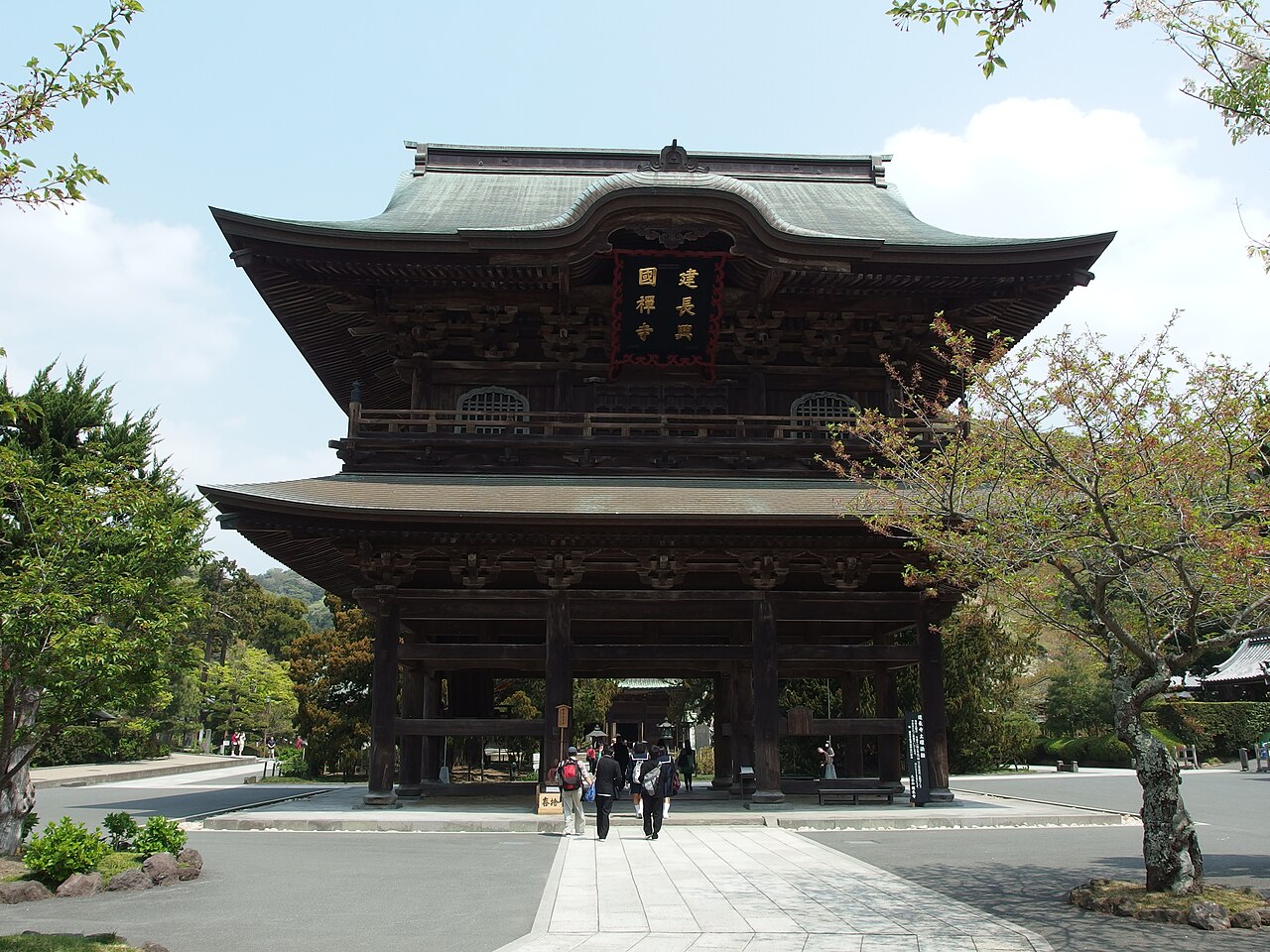
Ride the JR Yokosuka line to Kita-Kamakura Station, cross the tracks and the temple is right there. That makes it the easiest stop on the Kita-Kamakura walk, and the one you can fit in when your feet are tired. Walk on to Meigetsu-in, Kencho-ji and Engaku-ji, or reverse the route. A modest entry fee is collected at the gate, and visitors are asked to be respectful in the cemetery area.
Allow forty-five minutes or so, an hour with tea. Opening hours vary by season, and the temple may close around the turn of the year, so check before you go. Wear shoes that handle damp stone, and bring a small amount of cash for the entrance and the teahouse. Early mornings and weekdays are the quietest, and the light on the moss stairs is at its best before the tour groups arrive. A guided walk through Kita-Kamakura can add detail about the temple's history and the people it sheltered.
The temple works especially well at the end of a long Kita-Kamakura morning, when you want something gentle after the larger monasteries. Sit with a bowl of matcha, read the short history on the signs and let the garden do the rest. Visitors who like quiet gardens often rank it among the most memorable small stops in town, and it asks for very little time in return.
What to expect
The experience
A short self-guided visit to a small garden temple with a mossy stairway, a teahouse and seasonal flowers.
Best time
Weekday mornings, with plum blossom in late winter and irises and maples in other seasons.
How long
Forty-five minutes to an hour, longer if you stop for tea.
Tips
Walk quietly through the cemetery, bring cash for the entrance and the teahouse, and pair with Meigetsu-in.
Quick picks
- Best for
- History lovers and anyone who wants a quiet garden stop beside the station.
- Families
- Fine for older children who enjoy stories, though there are stairs and a cemetery.
- Couples
- Share matcha at the teahouse after wandering the garden.
- Pair with
- Meigetsu-in, Kencho-ji and Engaku-ji.
- Time needed
- About an hour with tea.
Good questions
Why is it called the divorce temple?+
For centuries it sheltered women who wished to end a marriage, and a woman who stayed a set time was regarded as divorced.
Where is Tokei-ji?+
Right beside Kita-Kamakura Station on the JR line, a couple of minutes on foot.
Is there an entry fee?+
Yes, a small fee is paid at the entrance.
When is the best season to visit?+
Late winter for plum blossom, early summer for irises and hydrangeas and late autumn for maples.
Can I have tea there?+
Yes, a small teahouse serves matcha and sweets with a view of the garden.