Kathmandu can be visited in every month, but the season you choose changes what you see, how comfortable you are and which activities work. The valley sits at roughly 1,300 meters, so it is cooler than the plains, with four fairly distinct seasons. Here is how to choose, and how to plan around the weather.
Autumn, October and November: the peak
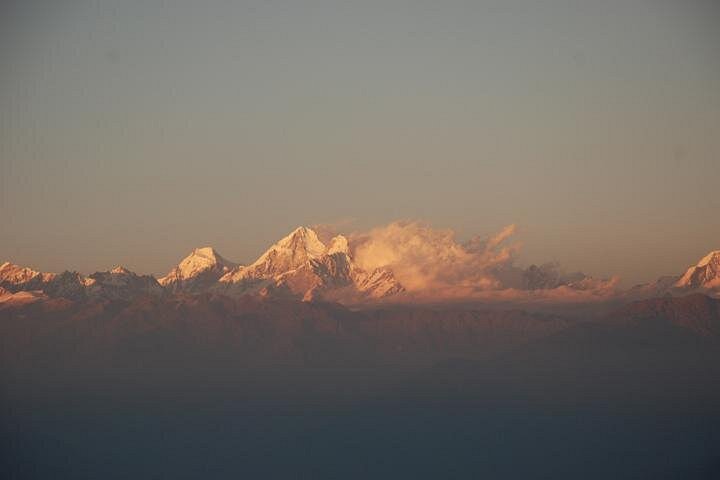
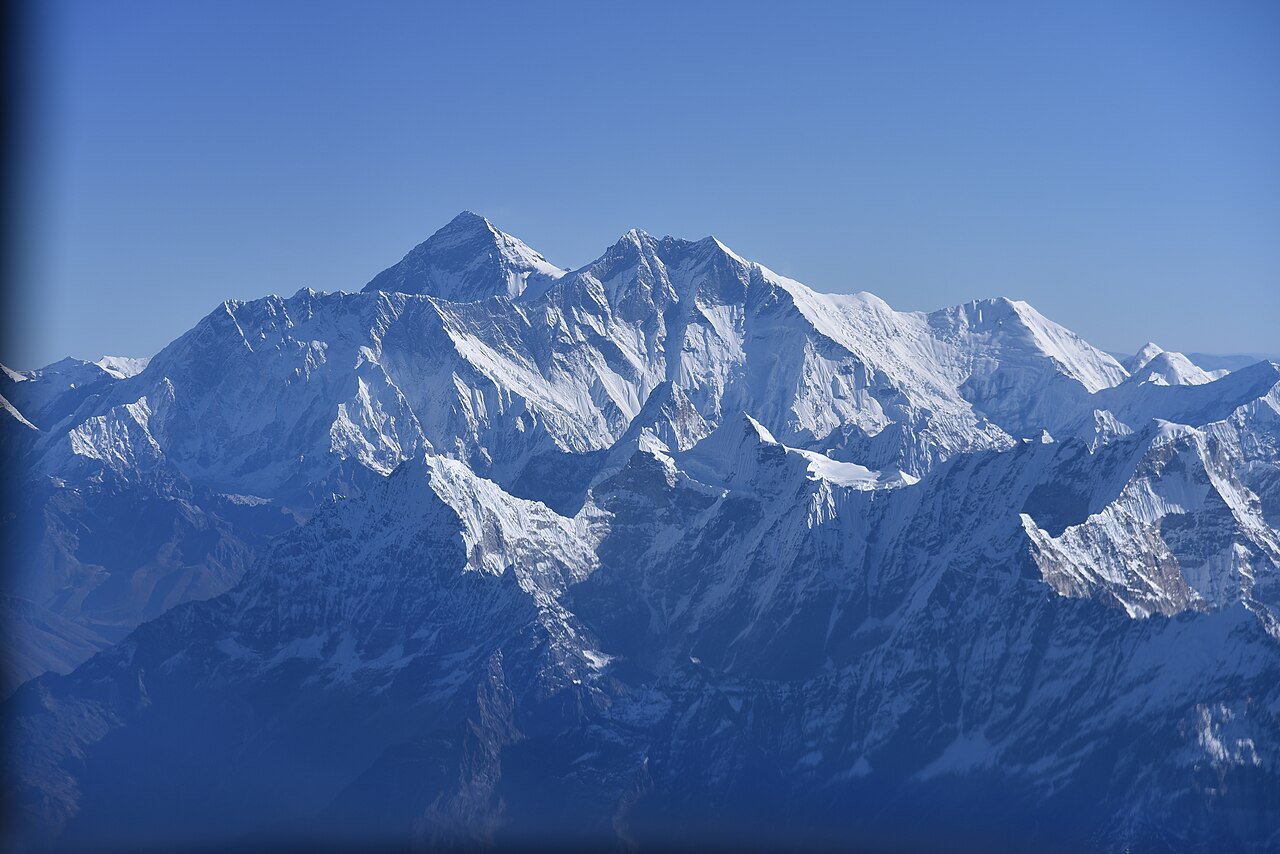
This is the classic window. The monsoon has washed the air, skies are often clear, days are warm and evenings are crisp, and the snow peaks stand out sharply on the horizon. It is the best time for the Everest mountain flight, the Nagarkot sunrise and any hill walk, and it coincides with the biggest festivals, so the city feels lively. The tradeoff is demand: hotels, flights and guides fill early, so book well ahead, especially for The Dwarika's and Hotel Shanker.
Winter, December to February: crisp and quiet
Mornings and nights are cold, and most hotels have limited heating, so bring layers and ask about blankets or heaters. Daytime is often sunny, and mountain views can be excellent, particularly in December and January. Valley fog can delay morning flights and cover viewpoints at dawn, so keep a spare day. The crowds thin, prices soften and the light on the old squares is lovely, which makes winter a strong choice for travelers who do not mind the chill.
Spring, March to May: warm and colorful
Temperatures rise quickly, rhododendrons bloom on the hills and the days are long. Haze and dust build up in the valley, so distant mountain views are less reliable than in autumn, and air quality can be poor at times, which matters for sensitive travelers. Spring is still a good time for temples, villages and forest walks, and it brings several festivals. Early spring is the more comfortable part, while May can be hot and heavy before the rains.
Monsoon, June to September: green and wet
Rain arrives most afternoons and evenings, mornings are often clear, and the hills turn a deep green. Clouds hide the mountains for most of the season, flights can be disrupted and some roads and trails are muddy or blocked by landslides, so day trips need flexibility. On the other hand the crowds are small, hotel rates are friendly and the valley feels fresh. If you travel then, focus on cultural sights, museums, cooking classes and short outings, and carry a light rain jacket.
Festivals
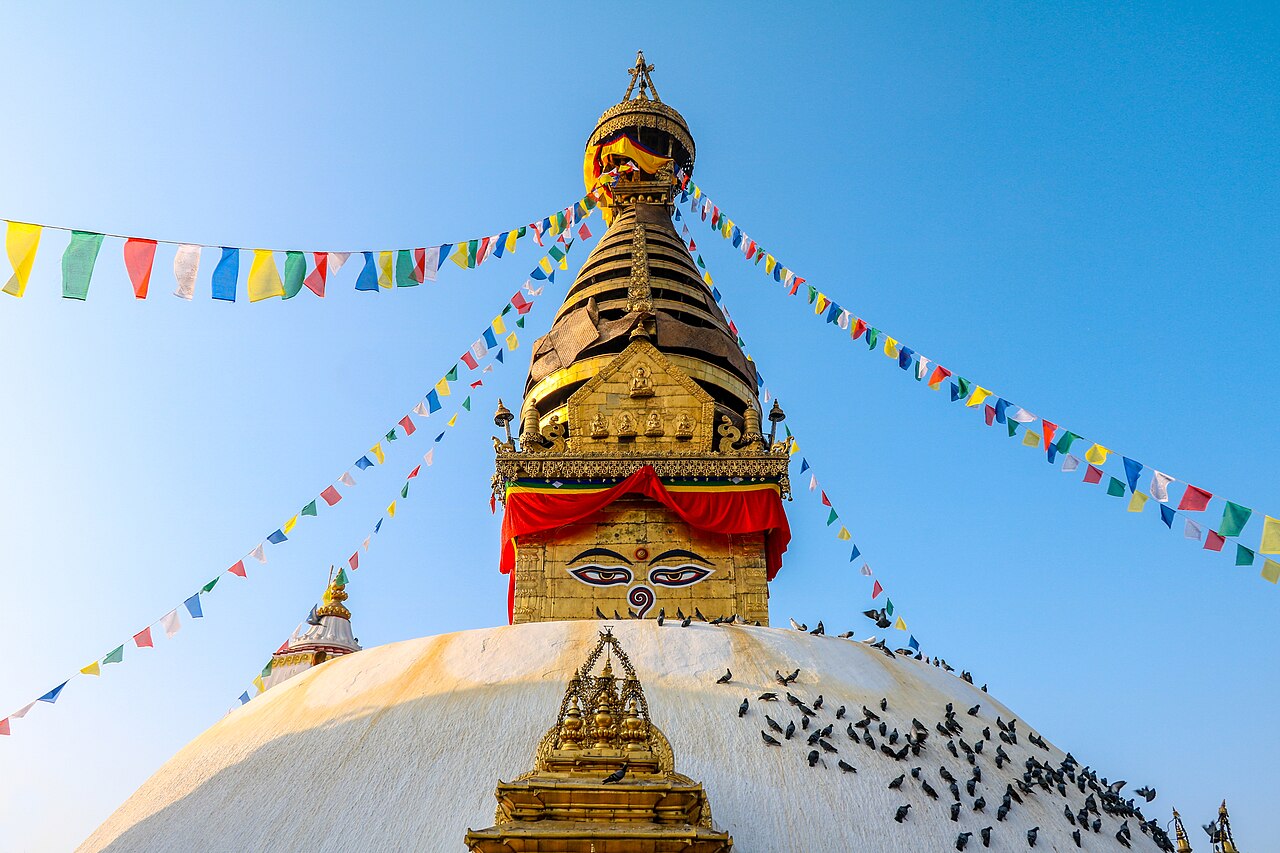
Nepal's calendar follows lunar dates, so festival days shift from year to year, but the seasonal pattern is steady. Dashain, the great autumn festival, and Tihar, the festival of lights that follows, fill the autumn with family gatherings, kite flying, lamps and markets. Holi brings colored powder in late winter, Buddha Jayanti draws crowds to Swayambhunath and Boudhanath in spring, and Bhaktapur's New Year celebrations and chariot processions are a spring highlight. Several Newar processions in the old squares happen in the monsoon, and the great chariot festival of Rato Machhindranath in Patan is a major event. Festivals can close roads and fill hotels, so check dates when you plan.
Mountain views by month
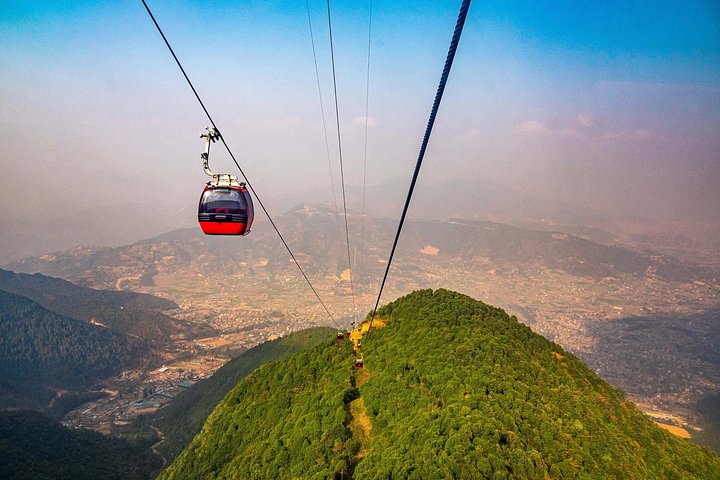
For the best chance of clear Himalayan views, aim for October through early December, or the clear days in January and February. Flights and viewpoints work best in the morning, before clouds build, and no season guarantees visibility, so schedule the flight early in the trip and leave a spare morning. Nagarkot gives panoramic views when conditions are right, and Chandragiri's cable car adds a ridge-top vantage on good days.
Heat, cold and packing
In autumn pack light layers and a fleece for evenings. In winter add a warm jacket, hat, gloves and thermal base layers. In spring bring sun protection, a hat and breathable clothing, plus a mask if dust bothers you. In the monsoon bring a rain jacket, quick-dry clothing and shoes with good grip. Year-round, carry a scarf or light shawl for temple visits, a refillable bottle and a small day bag.
Which should you choose?
If clear views and comfortable days matter most, choose October to early December and book early. If you prefer quiet streets and softer prices, consider late winter or early spring and accept some haze. If you love festivals, plan around the lunar calendar and book generously in advance. If you can handle rain, the monsoon offers a quieter, greener valley with fewer travelers.
A planning tip
Whenever you go, build one flexible day into the middle of your schedule. Weather affects flights, viewpoints and road trips, and a spare day turns a disappointment into a second chance. Check your government's current travel advice for Nepal before you book, and consider travel insurance that covers delays and weather disruptions.