Kathmandu is one of the most affordable capitals in Asia, and a little planning stretches your money far. The aim is not to skip the sights but to spend where it counts and save where it does not. Here is how to do it.
Where to stay
Thamel has a huge range of guesthouses and small hotels, from simple rooms to garden properties, and competition keeps prices friendly. Kathmandu Guest House is a long-established budget-friendly landmark with gardens and several room types, and Hotel Thamel House offers a mid-range step up with a terrace and parking. Prices drop outside October and November, so travel in winter or spring if you can, and ask for discounts on longer stays. Compare cancellation terms and check what is included, such as breakfast and airport pickup.
What to eat
The best bargain is dal bhat, a plate of rice, lentils, curry and pickles with free refills at most local restaurants. Momos, noodle soups and fried snacks are cheap and filling, and bakeries sell good breakfast items. Eat where locals eat, choose busy places and drink bottled or filtered water. Tourist rooftop restaurants cost more, so treat them as an occasional pleasure rather than a daily habit. A cooking class can be both a meal and an activity.
Getting around
Walking is free and often the best way to see Thamel, the old bazaars and the Durbar Square area. For longer trips, taxis and ride-hailing apps are affordable, but you should agree the fare in advance or insist on the meter. Local buses and micro-vans are cheapest, but they are crowded and confusing, so use them only if you are confident. For day trips, sharing a private car or joining a small group tour usually costs less per person than hiring separate transport.
Sights and entry fees
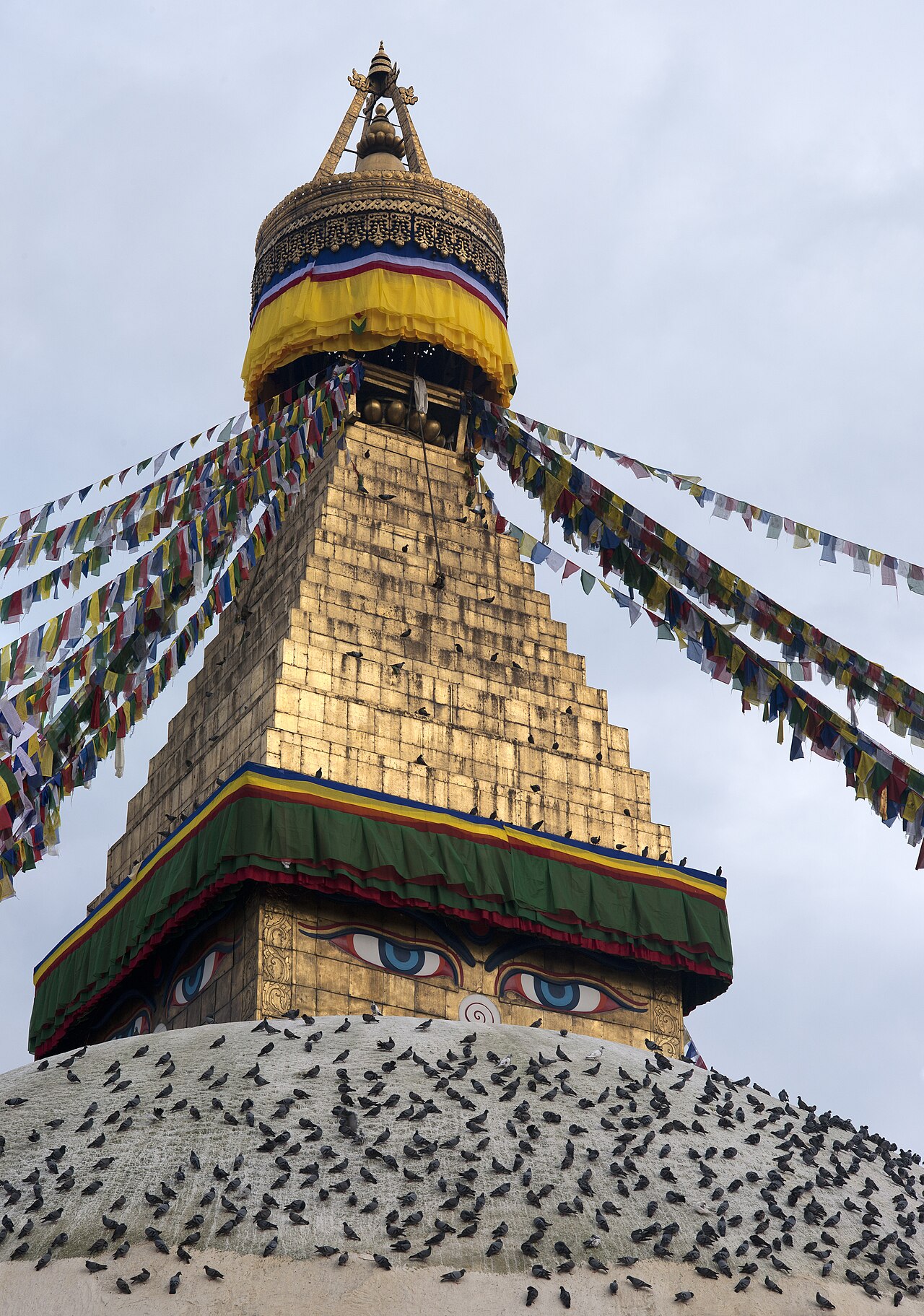
Many major sites charge foreign visitors a modest entry fee, paid in cash at the gate, and these add up over a few days. Prioritize the sights you care about most, and combine places on the same day to share transport. Some experiences cost nothing: wandering the lanes of Thamel and the old city, circling Boudhanath at dusk, watching the evening light from a temple platform and exploring the markets. Walking Patan's side streets and Bhaktapur's pottery square costs little beyond the entry ticket.
Tours and guides
A licensed guide adds a lot to places like Kathmandu Durbar Square, but the cost can be high if you hire one for every site. Consider a single guided day for the main squares and explore other places on your own. Group day tours that bundle several UNESCO sites are often better value than private cars, and they save the work of arranging fees and transport. Book through reputable operators, and check what is included before you pay.
Money tips
Carry some Nepali rupees in small notes for tickets, snacks and taxis, since cards are not accepted everywhere. Use ATMs in secure locations and be aware of fees. Always confirm prices before taking a taxi, buying a souvenir or accepting a service, and be wary of anyone who offers help and then asks for payment. Bargaining is common in markets, so stay friendly and walk away if the price is wrong.
Big-ticket items
Mountain flights, safaris and rafting trips are the main splurges. Decide which one matters most and book it with a reputable operator. If you want the Everest view, a flight is far cheaper than a trek, and it takes only a morning. For wildlife, a one-night Chitwan trip is more affordable than a longer stay, and rafting is a good value adventure for a day.
Free and cheap pleasures
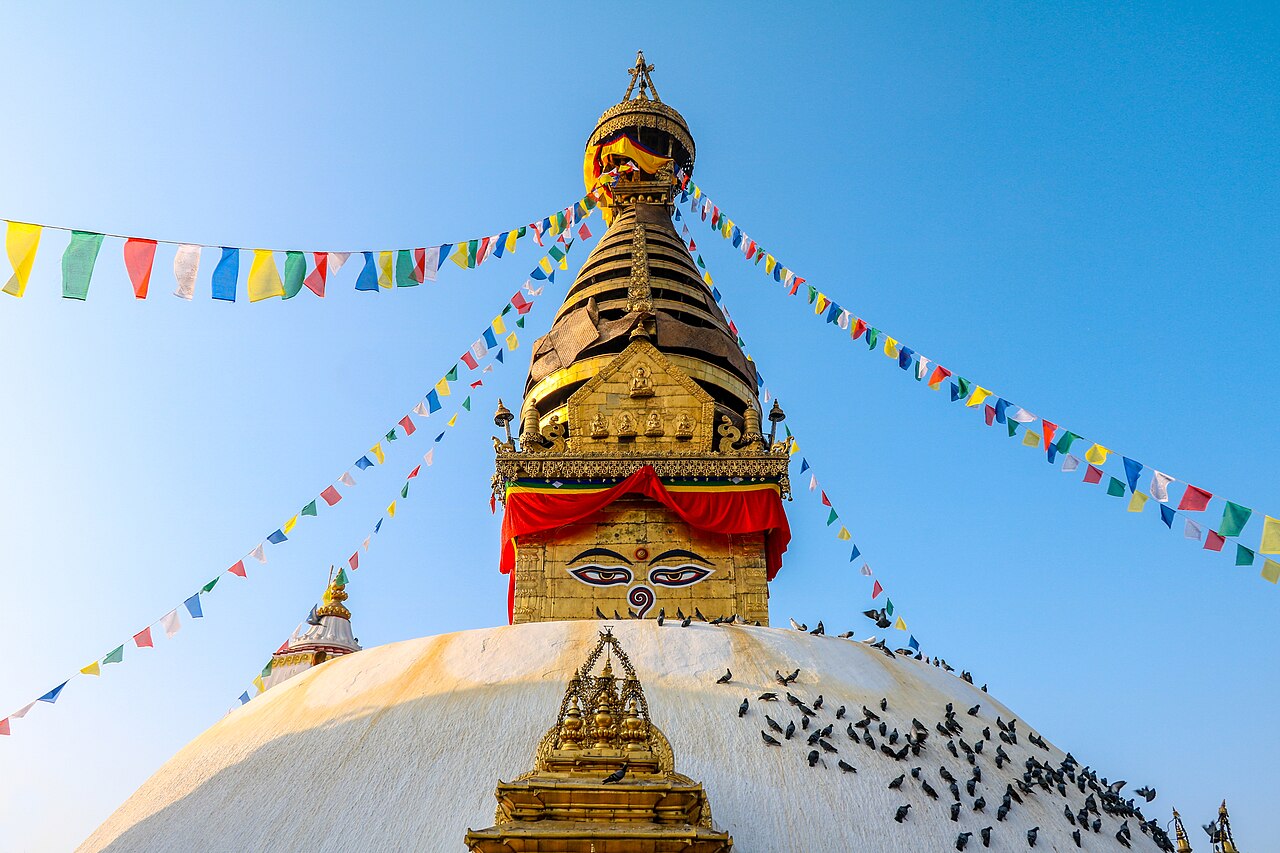
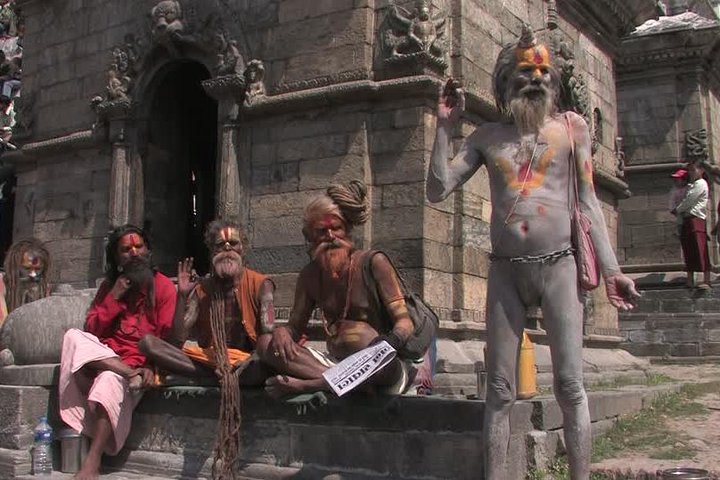
Some of the best moments cost almost nothing. Climb the steps of Swayambhunath at dawn, join the morning circuit around Boudhanath, sit on the temple platforms at the old square at dusk, or follow the river lanes near Pashupatinath on a quiet afternoon. A day with a good map and a flexible mind can cost little more than a meal and a few entry tickets.
Saving with the seasons
Prices for rooms, flights and tours peak in autumn, so shoulder seasons can save a lot. Winter brings cold nights, so bring a warm layer, and the monsoon brings the lowest rates but also the most weather risk.
The balance
A budget trip to Kathmandu works best when you mix free pleasures with a few well-chosen paid experiences. Eat simply, walk often, choose one or two special activities and let the city do the rest.