Kathmandu's food is a blend of Himalayan, Tibetan, Newar and Indian influences, and it is one of the best reasons to linger in the valley. You can eat very well on a modest budget, but a few guidelines help you find the best dishes and stay healthy. Here is how to eat and drink your way through the city.
Dal bhat: the daily meal
Dal bhat, a plate of rice with lentil soup, vegetable curry, pickle and often a side of greens or meat, is the national dish, and locals traditionally eat it twice a day. At most restaurants refills are part of the deal, so you can ask for more rice, dal or curry. It is filling, good for vegetarians and a smart lunch before a long afternoon of sightseeing. The Thakali set, from a mountain community of western Nepal, adds ghee, spiced pickles and sometimes meat, and is worth seeking out.
Momos: the favorite snack
These dumplings arrive steamed, fried or in a spicy soup called jhol momo, filled with buffalo, chicken, vegetables or cheese. They are served with a tomato chili sauce and are a good test of a restaurant's kitchen. Look for places that are busy with locals, ask for the steamed version first and add a cup of milk tea. Thukpa, a Tibetan noodle soup, is another warming dish, especially in winter.
Newari cuisine: the valley's own
The Newar people of the valley have a rich feasting tradition, and a Newari meal is a highlight. Beaten rice, called baji, is served with small plates: spiced buffalo or soybeans, potato salad, lentil patties known as bara, pickles and egg. Chatamari, a rice-flour crepe often called Newari pizza, is a good vegetarian starter. Choila, spiced grilled meat, and samay baji sets are classic, and in the old towns you can also taste juju dhau, the creamy king curd of Bhaktapur, in a clay pot. A cooking class or food tour is the easiest way to try many dishes safely.
Street snacks and sweets
Walk through the old bazaars and you will find vendors selling samosas, fried lentil cakes, sel roti, a ring-shaped rice bread fried in oil, and sweets made from milk and sugar. Fresh fruit stalls sell oranges, papaya and pomegranate in season. Eat where food is cooked in front of you, choose busy stalls and avoid raw salads or ice if your stomach is sensitive.
Tea, coffee and drinks
Milk tea, cooked with spices and sugar, is everywhere, and many cafés now serve excellent Nepali coffee grown in the hills. Lassi, a yogurt drink, is a good cooling companion to spicy food. Traditional alcohol includes raksi, a distilled spirit, and tongba, a warm millet drink sipped through a bamboo straw from a wooden vessel and topped up with hot water. Nepali beer is easy to find, and some restaurants brew their own. Drink bottled or properly filtered water, and avoid tap water and ice from unknown sources.
Where to eat
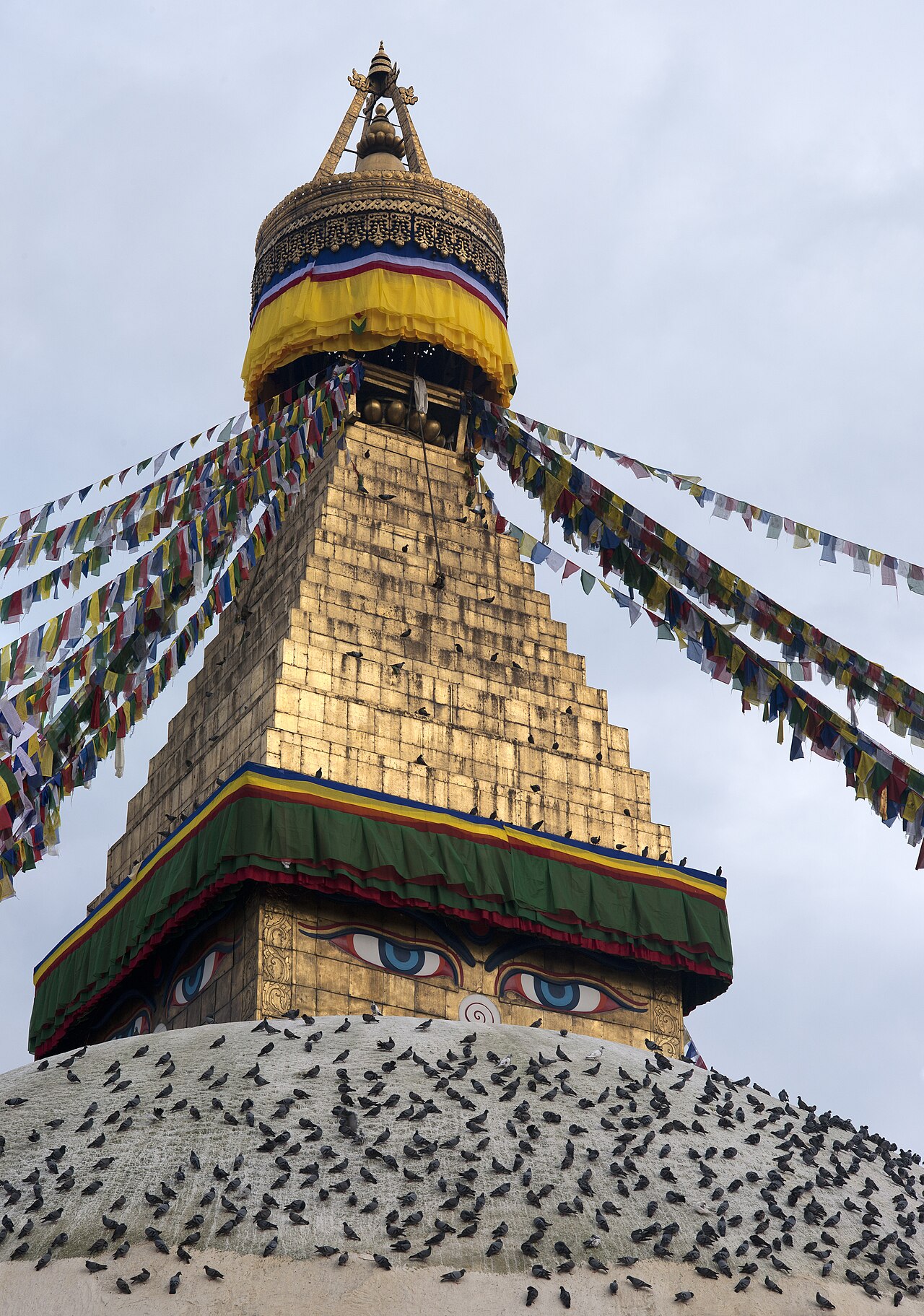
Thamel has the widest range, from tourist-friendly rooftops and bakeries to small family places, and it is the easiest place for a first meal. Durbar Marg and Lazimpat have more upscale restaurants. Boudha is the place for Tibetan food, with rooftop cafés that overlook the stupa. Patan and Bhaktapur have good Newari kitchens, and many travelers plan lunch around their sightseeing. For a special meal, The Dwarika's Krishnarpan restaurant serves a famous Nepali tasting menu, and it usually needs advance booking.
Cooking classes and food tours
A morning market visit followed by a cooking class is a strong way to understand the cuisine, and food walking tours through the old lanes cover a lot of ground in a few hours. Both are good for solo travelers, because you taste many dishes without ordering a full portion of each. Ask about vegetarian options and allergies in advance.
Health and etiquette
Wash or sanitize your hands before eating, and use your right hand if eating with your fingers. Carry tissues and hand sanitizer, since facilities vary. Take it slowly at first, and give your stomach a day to adjust to spicy food. If you have dietary restrictions, learn the words for meat, egg and onion, and most cooks will adapt. Beef is rarely served, since cows are sacred, while buffalo is common.
A simple eating plan
Start the day with tea and a bakery breakfast, have dal bhat at lunch, a momo snack in the afternoon and a Newari or Tibetan dinner. Add one cooking class and one food tour, and you will taste most of what the valley offers.