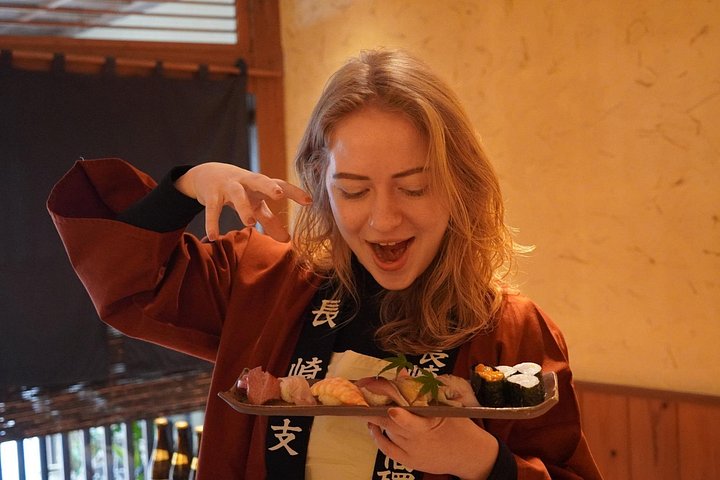
Nagasaki's fishing ports supply some of the freshest seafood in Kyushu, so it is a good place to learn how sushi is made. In a small-group class a chef demonstrates how to prepare rice, cut fish and shape nigiri and rolls, then guides you as you try it yourself. At the end you eat your creations with miso soup. Classes are friendly and suitable for beginners. Chefs speak English or use clear demonstrations, and explain the fish, regional ingredients and etiquette as you go.
A typical session begins with a talk about ingredients, such as seasonal fish, vinegared rice and wasabi. You learn how to wash and cook rice, mix the vinegar, and shape it by hand. Knife skills follow, with guidance on slicing, and then you assemble different kinds, from simple nigiri to maki rolls. The chef corrects your technique with patience.
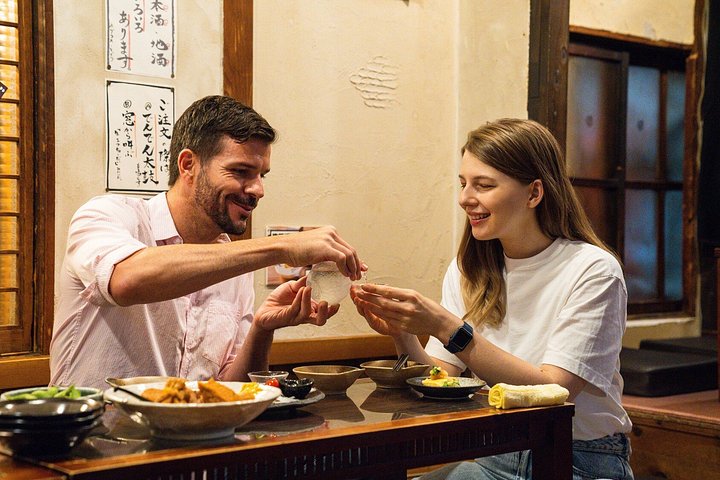
The meal at the end is the reward. You sit down with your sushi and soup, and usually tea, and discuss what you learned. Many classes include recipe notes so you can try again at home. Some venues also offer vegetarian options if requested in advance.
Classes run for about two hours. Wear clean clothes, tie back long hair and remove hand jewellery for hygiene. Tell the host about shellfish or gluten allergies when you book. This activity suits rainy days and adds a hands-on contrast to a day of sightseeing. After class, wander nearby streets or take the tram to Dejima. Book early in peak seasons.
What you learn travels well. Chefs show how to judge freshness by sight and smell, how to cut across the grain, and how to lightly press nigiri so the rice holds but stays airy. Nagasaki's fish markets supply a wide range of seafood, including horse mackerel, yellowtail, squid and sea bream, and the class often highlights whatever is in season. Many chefs share a simple technique for making vinegared rice that you can repeat at home with ordinary supermarket ingredients.
You may also learn how to prepare tamagoyaki, the sweet rolled omelette, and how to make miso soup from scratch with kombu and bonito stock. Classes are usually small, so there is time for questions about Japanese food culture, tipping and etiquette, and where to eat afterwards. Vegetarian classes can sometimes be arranged with cucumber, avocado, egg and pickles, so ask in advance.
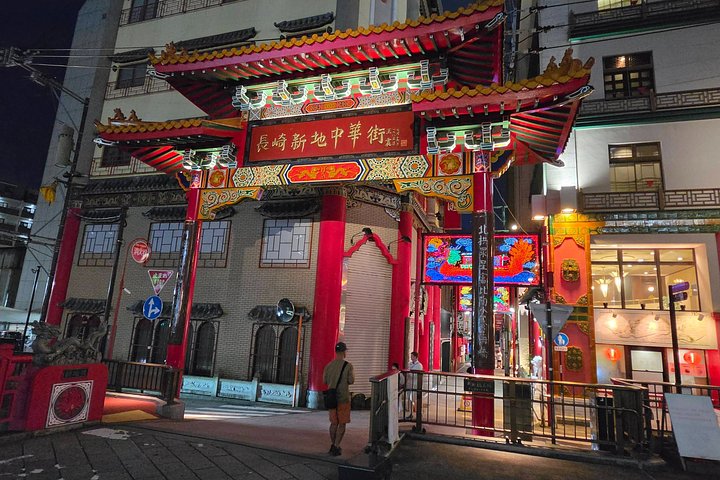
Choose your class with a few things in mind. Check whether the venue is central, since some classes are held in private homes or small studios away from the main tram lines, and ask about group size, language support, and vegetarian or halal options. Morning classes work well before afternoon sightseeing, while evening classes combine nicely with a walk through Chinatown or a night view.
Students receive instructions in simple English, and demonstrations are visual, so language is rarely a problem. Expect to wash your hands thoroughly, wear an apron and use a damp cloth for the rice, which sticks to dry fingers. At the end, ask for tips on where to buy knives, bamboo mats and good soy sauce to take home.
Think about timing around other plans. A midday class makes a good lunch and leaves the afternoon for Dejima or Glover Garden, while an early evening class doubles as dinner before the ropeway at dusk. Cancellation terms matter, so read them when you reserve.
What to expect
The experience
A small-group hands-on class with a chef, finishing with a meal.
Best time
Midday or early evening.
How long
About two hours.
Tips
Share allergies when you book, wear clean clothes and arrive on time.
Quick picks
- Best for
- Food lovers and families who enjoy hands-on activities.
- Families
- Children usually enjoy shaping their own sushi.
- Couples
- A fun shared activity.
- Pair with
- The Chinatown food tour or an evening view.
- Time needed
- Two hours.
Good questions
Do I need experience?+
No, the class is for beginners.
Is raw fish used?+
Yes, though alternatives may be available if requested.
Can I take recipes home?+
Most classes provide notes.
What should I wear?+
Clean, comfortable clothes.
How long is the class?+
Around two hours.