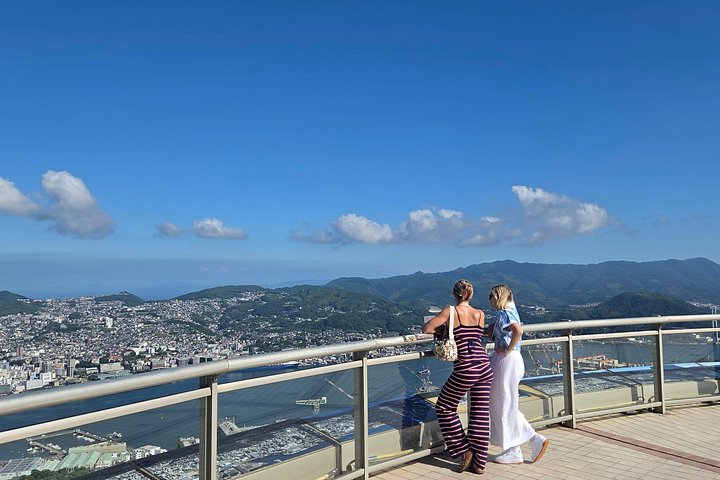
Nagasaki has a humid subtropical climate, with four distinct seasons shaped by the sea and the surrounding hills. There is no bad time to visit, but the experience changes a lot, and a few events draw large crowds. Here is how each season feels.
Spring
Spring is one of the two best seasons. Temperatures are mild, the air is clear, and cherry blossoms appear in parks and along rivers. Gardens such as Glover Garden bloom with azaleas, and the weather is good for walking the hills. Huis Ten Bosch shows off its tulips. The main drawback is crowding around national holidays in late April and early May, when hotels fill and prices rise.
Early summer
The rainy season brings humid, grey weather and frequent showers, though hydrangeas bloom beautifully. Indoor sights such as museums, covered arcades and food tours work well, and crowds are thinner. Carry a compact umbrella and quick-drying clothes.
Summer
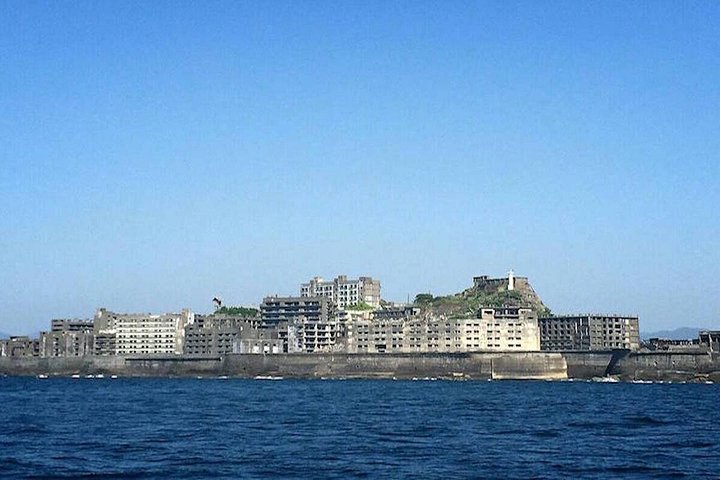
Summer is hot and humid, and sightseeing on the slopes can be tiring. Plan outdoor visits for the morning and evening, and use the afternoon for museums or a cooling snack. The Peace Park is at its most solemn around 9 August, when the city holds its annual ceremony, with large crowds and security. Visit that week only if you wish to attend, and book early. Late summer is also typhoon season, which can disrupt ferries, flights and the Gunkanjima cruise, so keep a flexible schedule and travel insurance.
Autumn
Autumn is the other prime season. The heat eases, the sky is clear, and leaves colour the hills. The Kunchi festival in the autumn brings dragon dances, floats and processions to the streets, and it is one of the city's great cultural events. Unzen and the Shimabara Peninsula are especially beautiful with autumn leaves. Crowds and prices increase around festival dates, so reserve early.
Winter
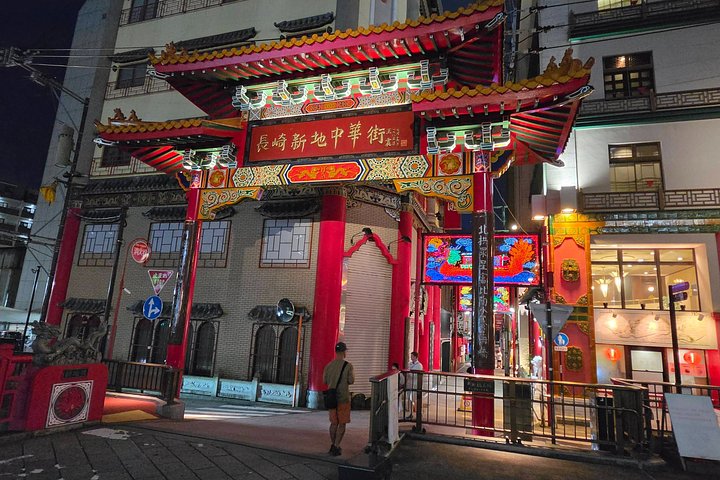
Winters are cool, often around the single digits Celsius at night, with occasional frost but little snow in the city. The big draw is the Lantern Festival around the Lunar New Year, when thousands of lanterns light the Chinatown and harbour area, with parades and performances. Huis Ten Bosch hosts huge illuminations, and the hot springs of Unzen are especially welcome. Crowds are lower outside festival days, and seafood such as oysters is excellent. Sea conditions can be rough, so the Gunkanjima cruise is more likely to be changed.
Weather planning
Bring layers in spring and autumn, light breathable clothes in summer and a warm coat in winter. Rain can arrive in any season, so pack a small umbrella. The hills are steep, so comfortable shoes matter more than any other item. Mount Inasa is cooler and windier than the city, so take a light jacket for the night view.
Crowds and prices
The busiest times are the national holidays in late April and early May, the summer school holidays, the New Year period and the festival dates. If you want quieter streets and lower prices, aim for early spring, early summer outside the holidays, or late autumn after the leaves peak.
Our pick
For the best balance of weather and events, choose spring or autumn. For atmosphere, choose the Lantern Festival season, and for a reflective trip, consider the days around 9 August, but only if you are prepared for crowds. Whatever the season, book the Gunkanjima cruise with some flexibility, and leave a day free for weather changes.
Festivals to know
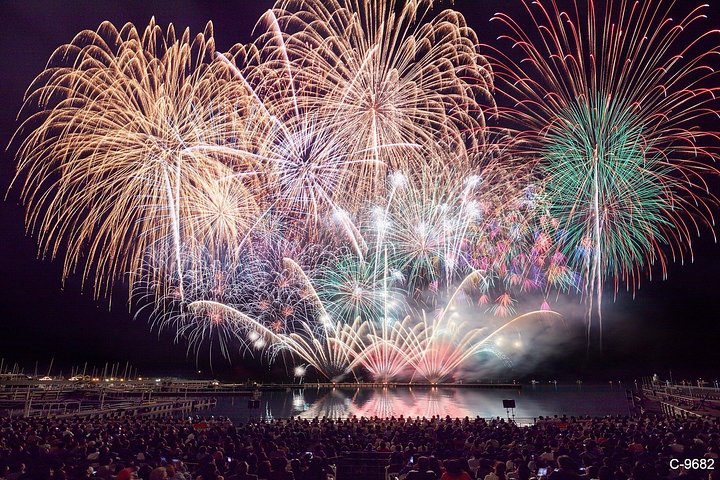
Besides the Lantern Festival and Kunchi, Nagasaki hosts a lively spring festival season, firework displays in summer and the solemn 9 August ceremony. Each event changes the mood of the city, so decide whether you want celebration, reflection or quiet. Dates move each year, and some events need advance tickets for viewing areas, so check schedules once you have your travel dates. Hotels near the festival areas sell out first, so look at neighbourhoods a short tram ride away if you are late booking.
Day length and light
In summer the sun rises early and sets late, giving long days for sightseeing and a late sunset at Mount Inasa. In winter the sun sets early, so plan outdoor sights for the middle of the day and save museums for the late afternoon. Spring and autumn offer the best balance for photography, with long golden hours and clear air.