Nagasaki's food is unlike any other city's in Japan, and the reason is history. For two centuries it was the only port open to foreign trade, so Chinese, Portuguese and Dutch ingredients and techniques worked their way into local kitchens. Add the fish from the surrounding seas and the vegetables of Kyushu, and you get a cuisine that is hearty, varied and full of surprises.
Champon
The signature dish is a bowl of thick noodles in a milky broth made from pork bones and seafood, loaded with cabbage, squid, shrimp and fish cake. It was created to feed hungry students from China, and it remains a filling, affordable meal. Every restaurant has its own version, so try more than one.
Sara udon
The dry sister of champon uses thin, crispy fried noodles topped with the same hot, glossy vegetable and seafood sauce. Some places offer a softer noodle version. It is a great dish to share, and the contrast between crunch and sauce is the point.
Castella
Introduced by Portuguese traders, castella is a dense, moist sponge cake with a caramelised crust. Shops across the city sell it in boxes, and old family bakeries have made it for centuries. Buy a small box fresh and eat it with green tea, and take a larger one home as a gift.
Turkish rice and other oddities
Turkish rice is a plate of pilaf, pork cutlet and spaghetti with sauce, a comfort-food invention found only in Nagasaki. Kakuni manju is a soft steamed bun filled with braised pork belly, ideal for walking. Shippoku is a banquet style that arranges Japanese, Chinese and western dishes on a shared table, and it is still served in a few traditional restaurants for special occasions.
Seafood and local ingredients
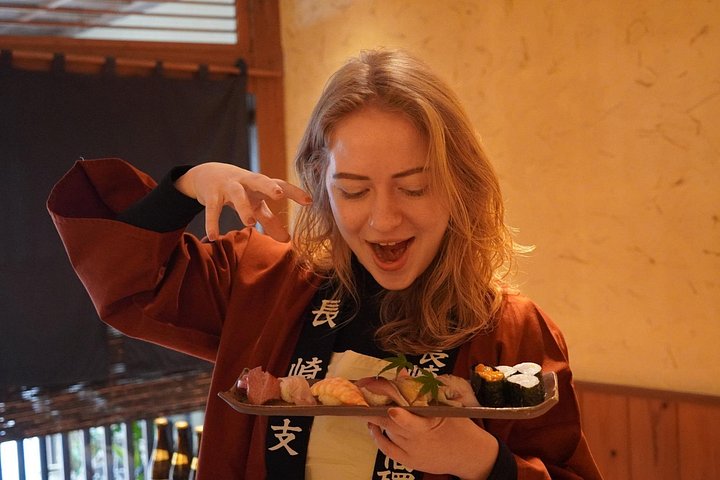
The nearby seas provide horse mackerel, sea bream, squid and many shellfish. Sushi and sashimi are excellent, and a class or tasting is an enjoyable way to learn. Goto udon, a thin hand-pulled noodle made with camellia oil, is worth seeking out, as are the oysters of nearby bays in colder months.
Where to eat
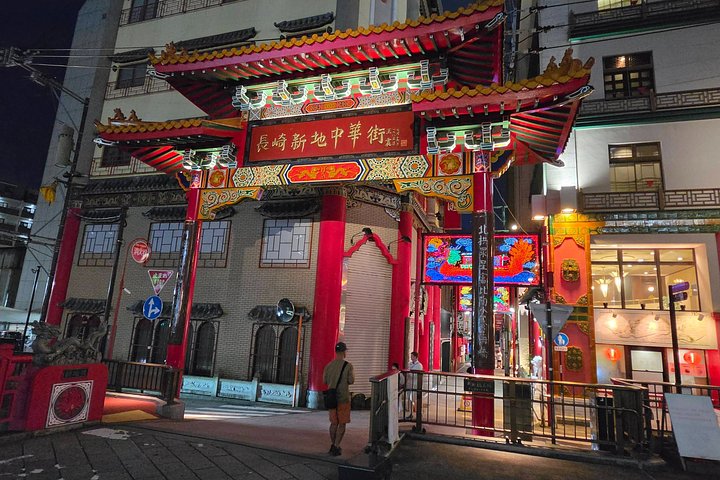
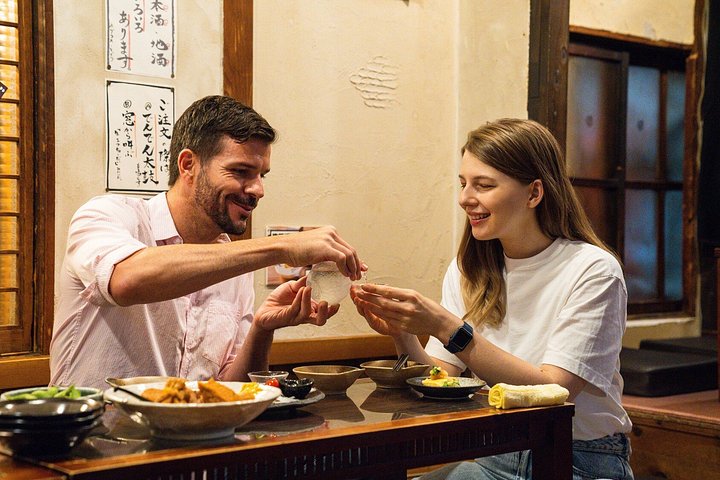
Chinatown has the highest concentration of noodle shops, and the Hamanomachi arcades offer a mix of cheap eats and fine dining. Shianbashi and nearby alleys are the place for izakaya and late evenings. Station buildings and department-store food halls are useful for quick meals and takeaway.
Drinks
Kyushu is shochu country, and you will see the spirit made from sweet potato, barley or rice on every izakaya menu. Local sake and craft beer are also available, and some tours include pairing sessions. Non-drinkers can find plenty of tea, including green tea served with sweets.
Tips
Many restaurants are small and close between lunch and dinner or one day a week, so check the day. Cash is still common in small places. Menus are often in Japanese, but pictures and plastic food displays help, and food tours remove the guesswork. If you have allergies, learn the Japanese words for shellfish, wheat and pork, because those ingredients appear everywhere. Tipping is not expected.
A simple food plan
Take a food tour on your first full day to learn what to order, try a different champon shop on the second day, and finish with a sushi class or an izakaya evening. Keep room in the suitcase for castella and sweets from the arcades.
Breakfast and quick bites
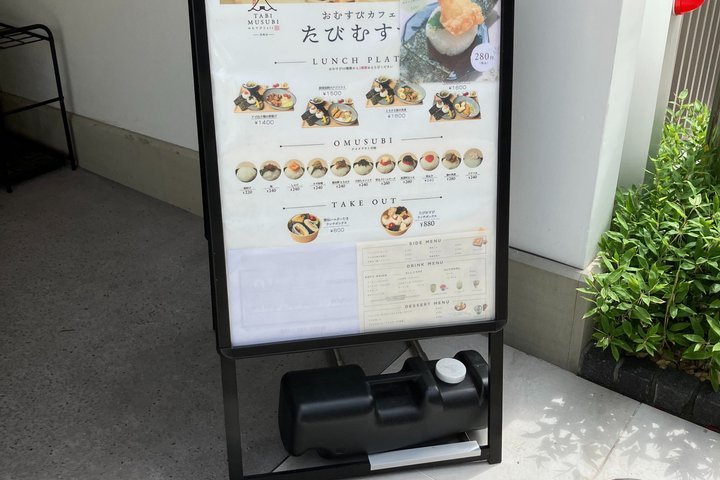
Most hotels serve Japanese or western breakfasts, but bakeries and coffee shops near the station and arcades offer fresh bread, sandwiches and the city's own pastries. Convenience stores sell surprisingly good onigiri and sandwiches for early starts. At midday, look for set lunches, which often include a main dish, rice, soup and pickles at a fixed price and are cheaper than dinner. Street snacks in Chinatown and the arcades, such as fried fish cake, dumplings and sweet buns, make a good light lunch between sights.
Etiquette and ordering
Say itadakimasu before eating and gochisosama afterwards, never stick chopsticks upright in rice, and slurp noodles without embarrassment. Many places have ticket machines at the door, where you choose a dish, pay and hand the ticket to staff. Water is usually free, and a small cover charge at izakaya is normal. If you are unsure, point to a neighbour's dish or use the plastic display. Staff are patient and appreciate a smile and a few words of Japanese.