Nagasaki is a compact, hilly port city on the western edge of Kyushu, and it packs an unusual amount of history into a small area. It is best known around the world for the atomic bombing of 9 August 1945, and the Peace Park and museum remain the emotional centre of any visit. But the city is also Japan's old window on the world, with a Dutch trading post, a Chinatown, a hillside of foreign merchants' houses, hidden Christian heritage and a food culture that blends Japanese, Chinese and Portuguese traditions. A good first visit holds all of these threads together.
How many days
Two full days cover the headline sights without rushing, and three days leave room for a day trip or a slower pace. One day is possible if you are passing through on a train or cruise, but you will need to choose between the peace sites and the old harbour district. Many travellers add a night in the hot spring town of Unzen or a trip to Huis Ten Bosch.
Start with the peace sites
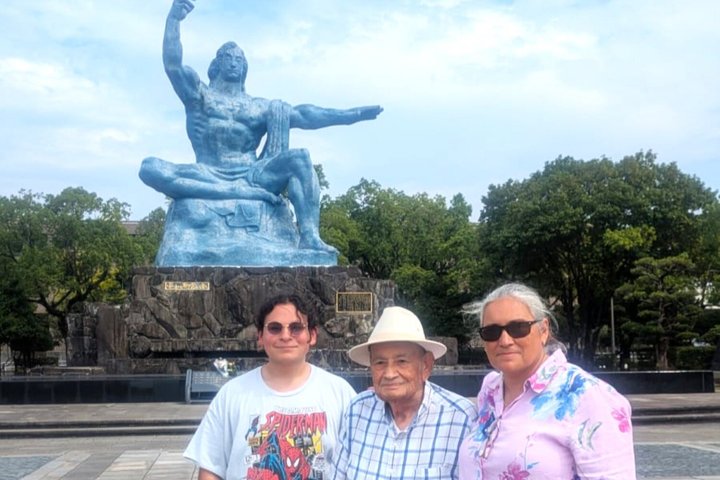
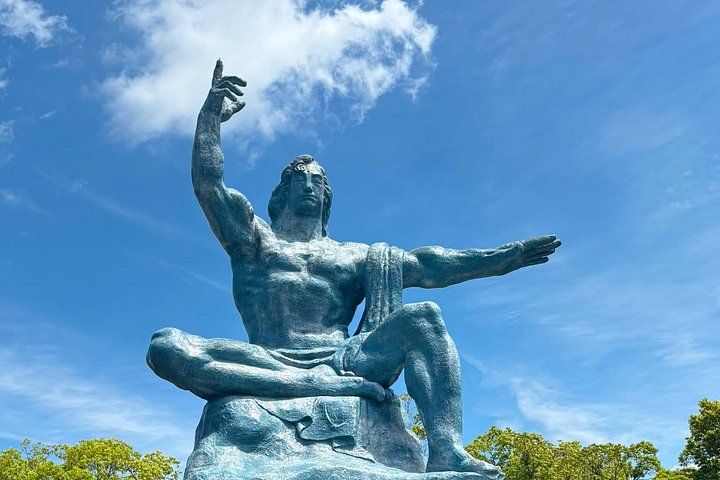
Plan the first morning for the Peace Park, the hypocenter and the Atomic Bomb Museum, which sit close together in the Urakami valley. Allow at least three hours, and give yourself a quiet break afterwards. If you want more depth, a guided walk through Urakami adds survivor stories, the rebuilt cathedral and small memorials that most visitors miss.
Then the harbour and the old settlement
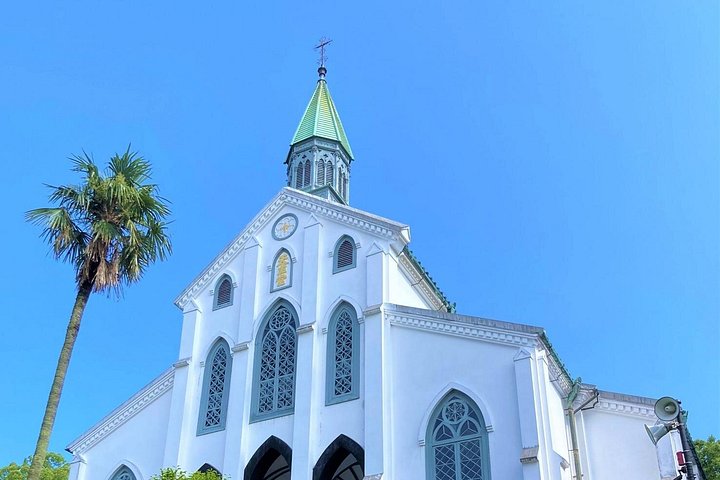
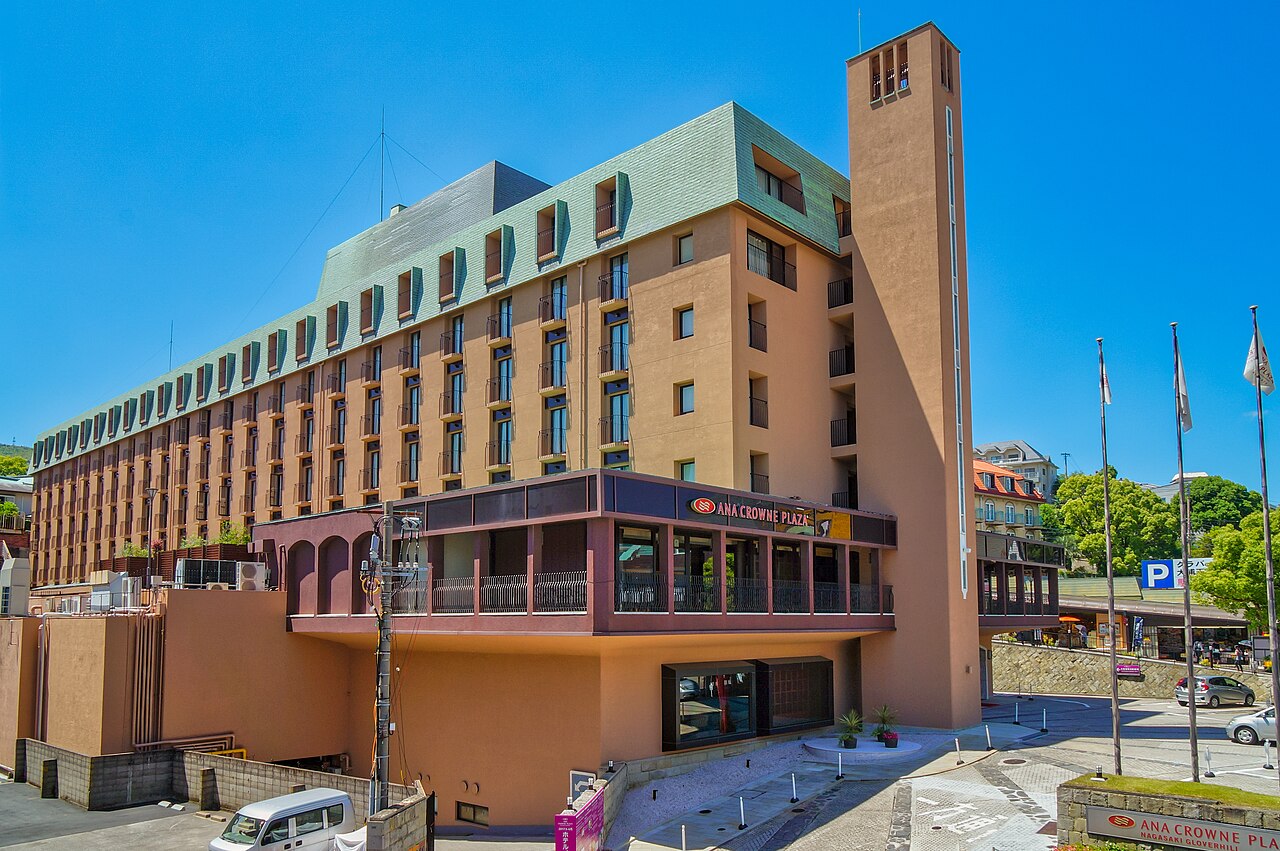
In the afternoon or on day two, ride the tram south to Dejima, Megane Bridge and Chinatown, then climb the hill to Glover Garden and Oura Church. This is the part of Nagasaki that explains how the city became Japan's international gateway. Try to reach Glover Garden in the late afternoon, when the light on the harbour is at its best.
Getting around
The streetcar network is the easiest way to move. Fares are low and flat, lines are colour coded, and a one-day pass is good value if you plan several rides. Stops are close to nearly every major sight, though hills mean you should wear comfortable shoes. Taxis are reasonably priced for short hops, especially up the slopes to Mount Inasa or the hillside hotels. Nagasaki Station is the hub for trains to Fukuoka, Sasebo and Huis Ten Bosch, and buses link the city with the airport and the Unzen area.
What to book ahead
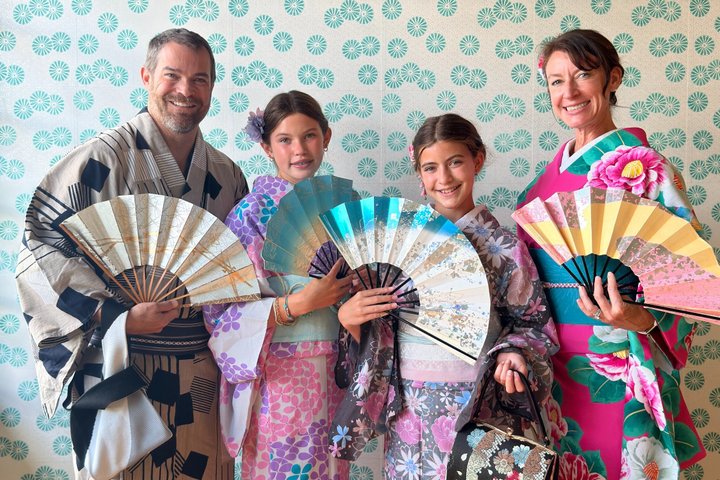
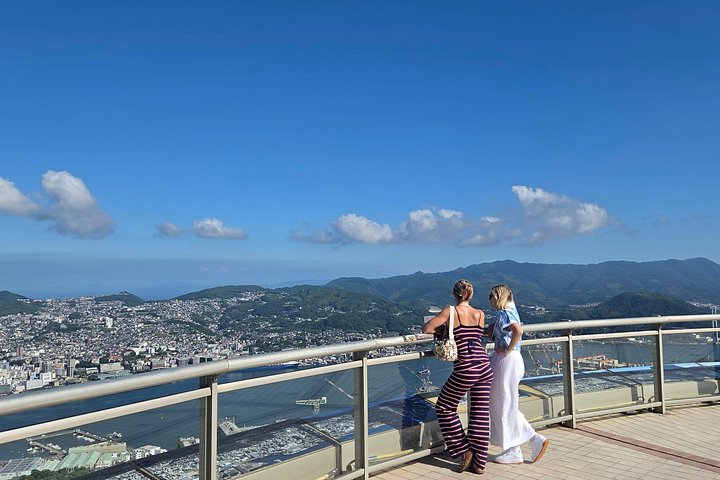
Very little in Nagasaki needs a long lead time, but a few things do. The Gunkanjima boat cruise sells out in peak seasons and depends on the weather, so book early and keep a flexible day. Kimono dressing sessions, cooking classes and evening food tours also fill up. For the Mount Inasa night view, you do not need a reservation, but arriving early on weekends avoids queues for the ropeway. If you plan to stay in Unzen or at a hillside hotel during a festival, reserve rooms well in advance.
Respect and pace
The peace sites are memorials, and many visitors are survivors' families or pilgrims. Keep voices low, avoid casual photography at the most sensitive displays and allow time to rest afterwards. Do not schedule a loud, hurried activity straight after the museum. Many travellers find it helps to do the peace sites in the morning and something lighter, such as a food tour or a tram ride, in the afternoon.
Food
Eat the local specialities. Champon, a noodle soup of pork, seafood and vegetables, and sara udon, crispy noodles with a thick sauce, are the classics, while castella is the cake to buy as a gift. Turkish rice, a plate of pilaf, pork cutlet and spaghetti, is a local oddity worth trying. Chinatown has the highest concentration of noodle shops, and the shopping arcades near Hamanomachi offer a wider mix.
Seasons and timing
Spring and autumn are the most comfortable times, with mild days and clear air. Summer is hot and humid, with the risk of typhoons in late summer, and winter is cool but rarely harsh. The Chinese Lantern Festival around the Lunar New Year fills Chinatown with lights, and the Kunchi festival in autumn brings dragon dances and processions to the streets. Check dates in advance, because crowds and prices rise.
What to skip or shorten
If you are short on time, skip the more distant day trips and focus on the peace sites, Glover Garden, Dejima and the night view. If history is not your main interest, a food tour and Mount Inasa may give you more. Conversely, history lovers can add the Twenty-Six Martyrs Memorial and a Christian heritage route. Whatever you choose, leave an hour of free time to wander the arcades, drink tea and watch the trams go by.