Three days is a comfortable length for Nagasaki. It lets you cover the peace sites, the old harbour district and the best views without hurrying, and adds a day for something further afield. This plan uses the tram for most movement and keeps the heaviest content early in the day.
Day one: peace and reflection
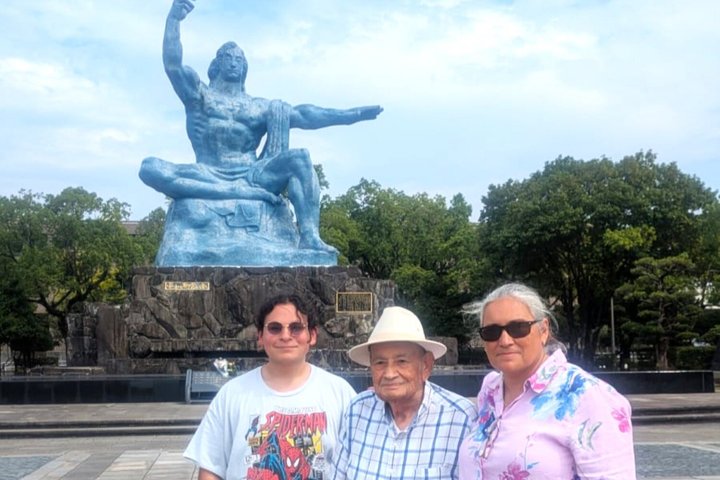
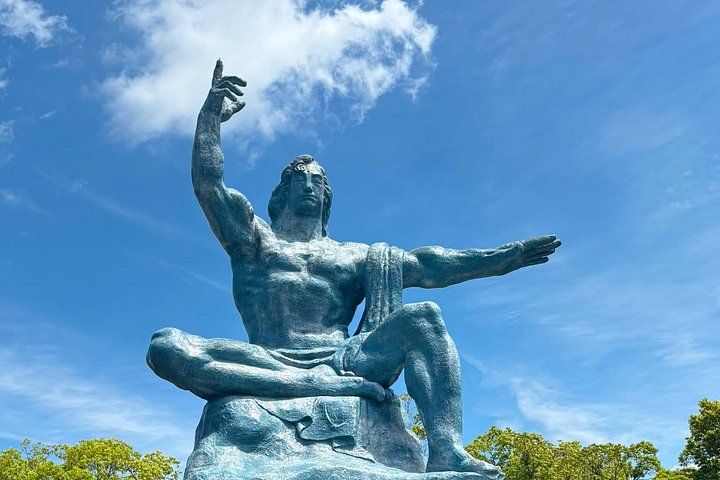
Start in the Urakami valley. Ride the tram to Hamaguchi-machi or Matsuyama-machi and begin at the hypocenter, then walk uphill to the Peace Park with its statue, fountain and monuments. Move on to the Atomic Bomb Museum and allow at least two hours. If you want more context, add the National Peace Memorial Hall or a guided walk through Urakami to see the rebuilt cathedral. Have a quiet lunch nearby, then take the afternoon more lightly: ride south to Chinatown for a bowl of champon, wander the shopping arcades and rest.
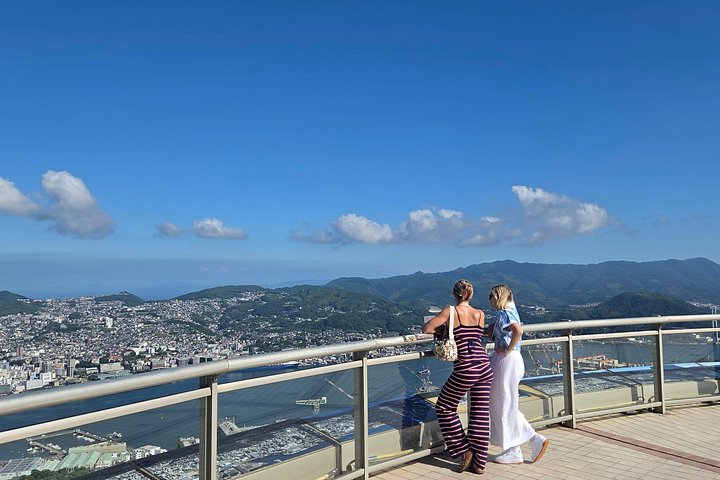
In the evening, take the Mount Inasa ropeway for the night view. Aim to arrive about an hour before sunset to see the colours change. After the lights come on, descend and enjoy a casual dinner downtown. This closes the day with beauty after a serious morning.
Day two: the old harbour
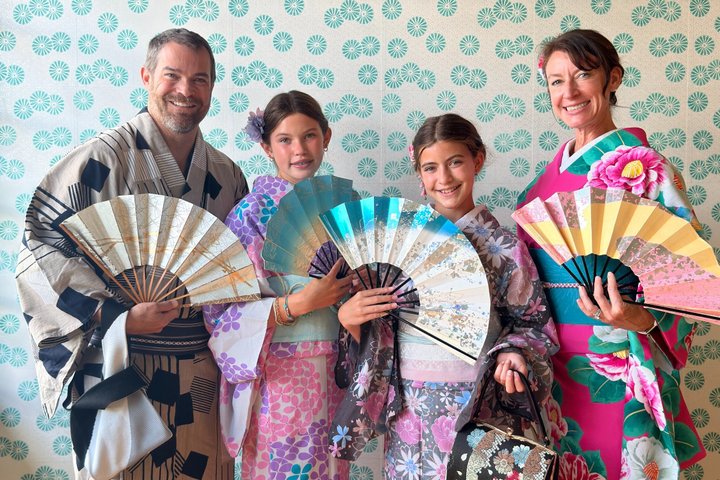
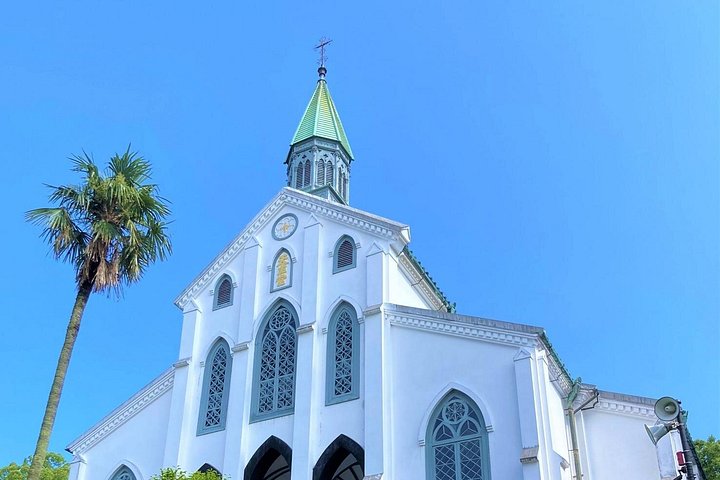
Begin at Dejima, the restored Dutch trading island, and consider a kimono session if you enjoy dressing up. Walk to Megane Bridge and along the Nakashima River, passing temples and cafes. After lunch, head to the hillside foreign settlement. Glover Garden and Oura Church take up to three hours, and the views over the harbour are the reward for the climb. If you have energy, add the Twenty-Six Martyrs Memorial on Nishizaka Hill, a short tram ride away, to complete the Christian history thread.
For the evening, try a food and bar hopping tour or a self-guided izakaya evening in the Shianbashi district. This is the time to taste small plates of local seafood, kakuni and regional sake. Reserve a tour early if you want a guide.
Day three: choose your day trip
Options depend on your interests. For industrial history and dramatic scenery, take the Gunkanjima boat cruise, which takes about three to four hours and depends on the weather. For families and couples, Huis Ten Bosch is a full day of canals, gardens and, in season, great illuminations. For rest, Unzen offers volcanic hells and hot spring baths, ideally with an overnight stay. For something quieter, the Goto Islands reward patient travellers with church visits and volcanic walks, though they need more time.
If you pick Gunkanjima in the morning, you can still visit the Peace Park or a sushi class in the afternoon. If you choose Huis Ten Bosch, start early and return by train in the evening.
Rainy-day swaps
Nagasaki's shopping arcades are covered, so a food tour or sushi class fits a wet day. The museum, Dejima's indoor exhibits and the Twenty-Six Martyrs museum are all indoors. Save Mount Inasa for a clear evening and check the forecast the night before. If the sea is rough, the Gunkanjima cruise may be changed or cancelled, so keep a flexible slot.
Practical notes
Buy a tram day pass on the days you plan many rides, wear comfortable shoes for hills, and carry some cash for small shops and stalls. Leave time for rest in the afternoons, particularly in summer, and eat early in the evening because many small restaurants close before late night. If you arrive late on day one, shift the peace sites to the second morning and keep the harbour for the afternoon.
If you have only two days
Combine day one and day two as above, and skip the day trip. If you have four days, add Unzen with a night in a ryokan and a slower morning on the day you return.
Pacing and energy
The first day carries emotional weight, so keep the afternoon light and avoid booking a demanding activity straight after the museum. The second day involves the most walking and hill climbing, so start early and take tram rides between clusters of sights. The third day depends on the trip you choose, and boat or train days often involve waiting, so bring a book, snacks and a charger. If the group includes children or older relatives, trim the plan to one major sight in the morning and one in the afternoon, and use taxis for the steepest stretches.
Evening ideas
Besides the ropeway and the izakaya evening, you can stroll the lit-up riverbanks near Megane Bridge, have dessert in an arcade cafe, or soak in a hotel bath. In winter, the lantern displays make every evening atmospheric, and in summer, outdoor beer gardens appear on rooftops. Check last tram times, which are earlier than in larger cities.