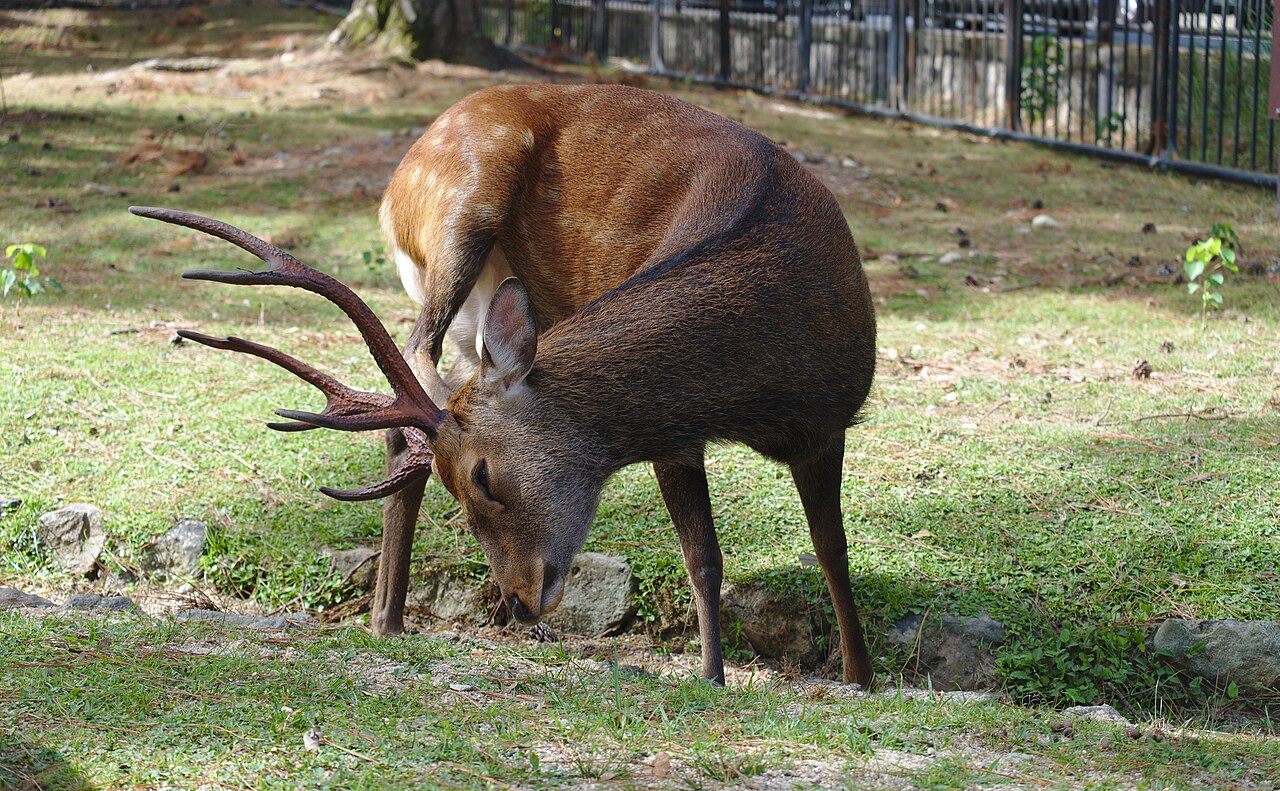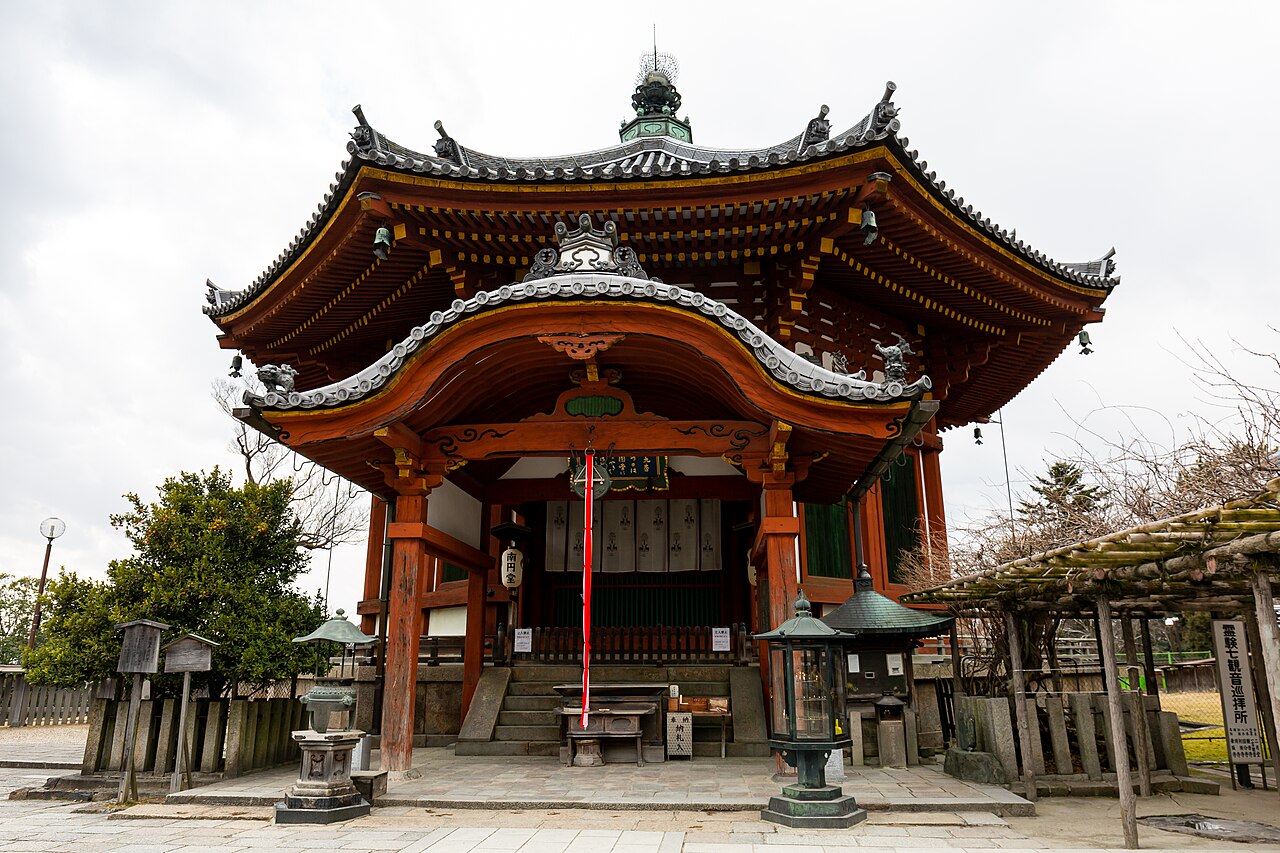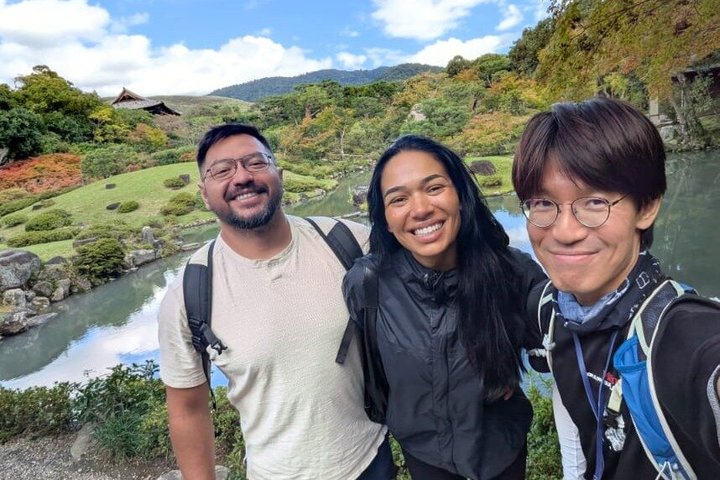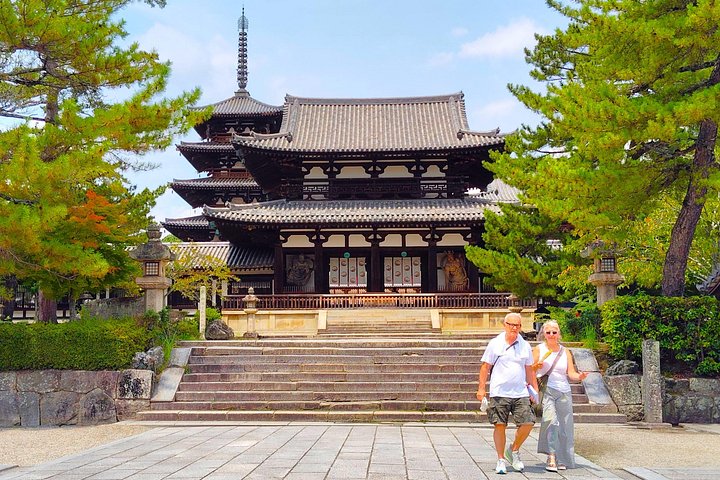
Nara is made for kimono photography. The stone lanterns, vermilion shrine gates, ancient trees and quiet lanes look like a film set, and wearing traditional dress turns an ordinary sightseeing day into something more memorable. A kimono experience here usually includes the outfit, accessories such as an obi sash and bag, and a hairstyle to match, all arranged by staff who dress many guests every day. Choosing a pattern is half the fun, with colours and designs that suit the season, from bright florals in spring to deeper reds and golds in autumn. Once you are dressed you step out into the old town, where the paths around Nara Park, Kasuga Taisha and Naramachi offer a constant supply of backdrops. Locals and other visitors often stop to smile, and the deer are a natural part of the scene.
What to expect
The fitting takes some time because a kimono has many layers and ties, so arrive at the start of the booked time and let the staff guide you. Men's and children's options are often available as well as women's, and groups can match or contrast their outfits.
Walking in a kimono is slower than in everyday clothes, with small steps and a gentle posture, and the staff will show you how to sit, climb steps and avoid trailing sleeves in food. Most sessions let you wander for several hours before returning the outfit.
Where to go
The stone-lantern paths to Kasuga Taisha, the pond at Sarusawa with the pagoda behind it, the lanes of Naramachi and the lawns of Nara Park are all within a pleasant walk of each other. Go early or late in the day for fewer crowds and softer light. Remember that deer may nibble loose fabric, so keep sleeves and obi tails out of reach and feed them only the crackers made for them.
Planning the visit
Choose comfortable underlayers and wear socks, since you will be wearing traditional sandals. Summer outfits can be warm and winter ones need an extra layer, so check the forecast. Tell the studio if you have mobility concerns or a long walking plan in mind. Use Get tickets to view outfit options, times and whether hair styling and a photographer are included.
What to expect
The experience
A fitting in a traditional kimono with accessories and hair styling, followed by a few hours to explore and photograph the old town before returning the outfit.
Best time
Morning for soft light and thin crowds, or late afternoon for a golden glow on the lanterns and lawns.
How long
A half day including dressing, wandering and return.
Tips
Arrive on time for the fitting, wear socks and comfortable layers, keep sleeves away from deer and food, and check the return time before you head out.
Quick picks
- Best for
- Visitors who want photographs and a memorable cultural moment rather than just another temple visit.
- Families
- Many studios dress children as well; deer and lanterns make a charming family photo, but small kimono and sandals can be hard to walk in.
- Couples
- A romantic way to wander lantern-lined paths and take portraits together.
- Pair with
- Kasuga Taisha, Nara Park, Sarusawa Pond and Naramachi.
- Time needed
- Allow three to four hours including dressing and wandering.
Good questions
Is hair styling included?+
The experience is offered with hair styling, but options can vary by outfit and session, so check the details when you book.
Can men and children wear kimono too?+
Most kimono studios offer men's and children's outfits, but availability can vary. Confirm sizes and options when you book.
Can I walk around the park in a kimono?+
Yes. Many guests wander Nara Park, Kasuga Taisha and Naramachi in kimono. Take small steps and keep sleeves away from deer.
What should I wear underneath?+
Comfortable, close-fitting underlayers and clean socks. Staff will advise on what works with the outfit.
Will the weather affect my kimono day?+
Rain can make hems and sandals awkward, so ask the studio about rainy-day options and cancellation terms.