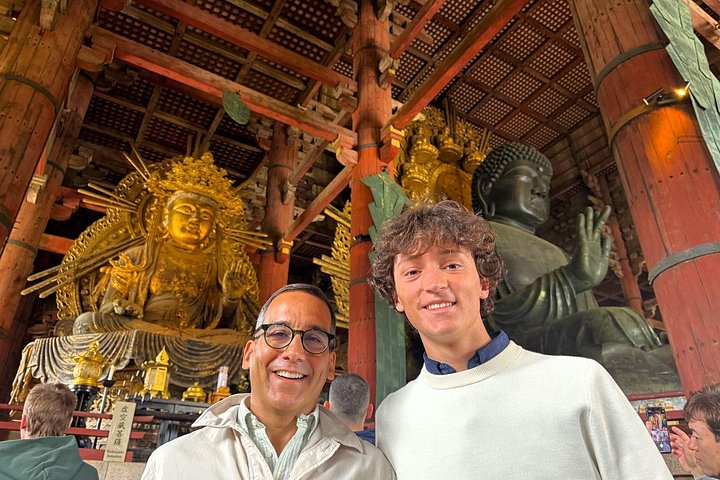
The temple that holds Japan's most famous Buddha: a bronze Vairocana seated inside one of the largest wooden buildings on earth, behind a gate guarded by two fierce wooden giants. It is the single sight no first visit to Nara should skip.
1.5-2 hours$$Get tickets → 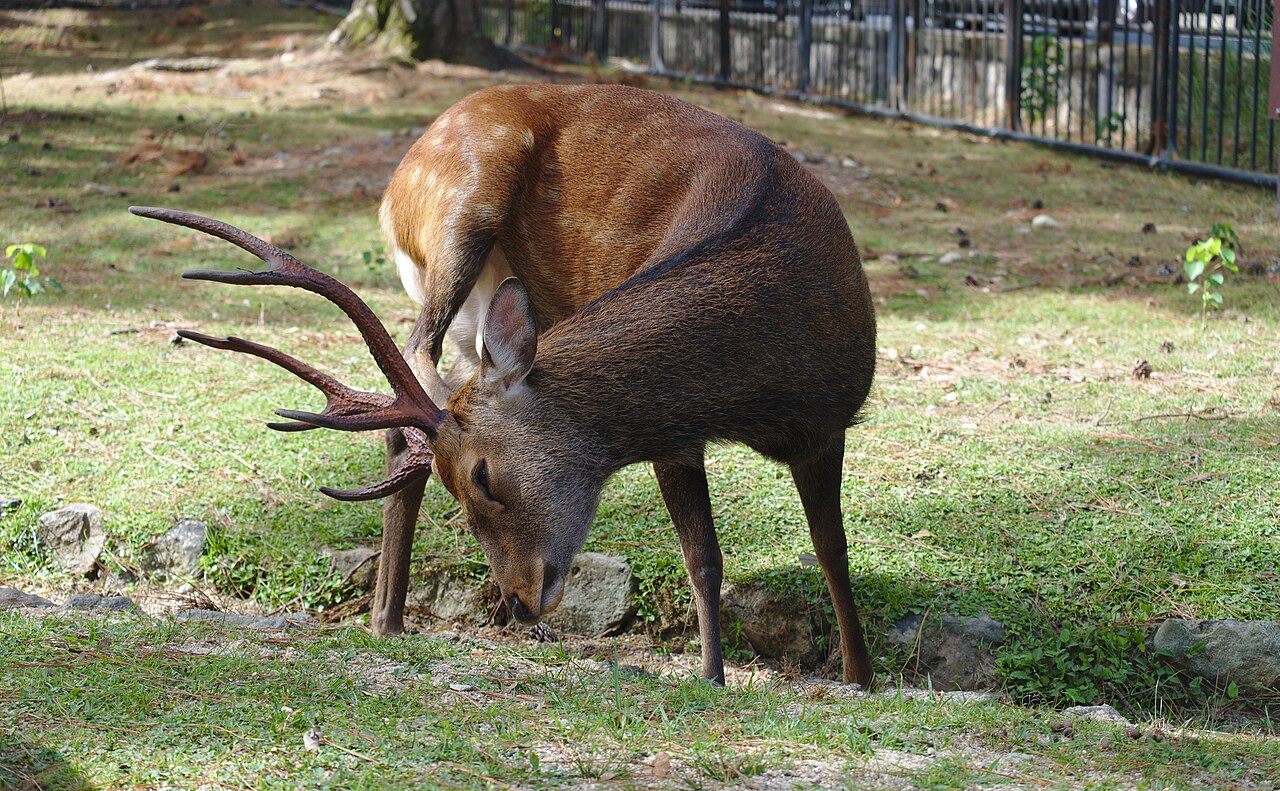 Free
A free, open park of about 660 hectares where roughly 1,300 wild deer wander among temples, shrines and ancient forest. Buy a pack of deer crackers, expect a bow or two, and enjoy one of Japan's most memorable animal encounters.
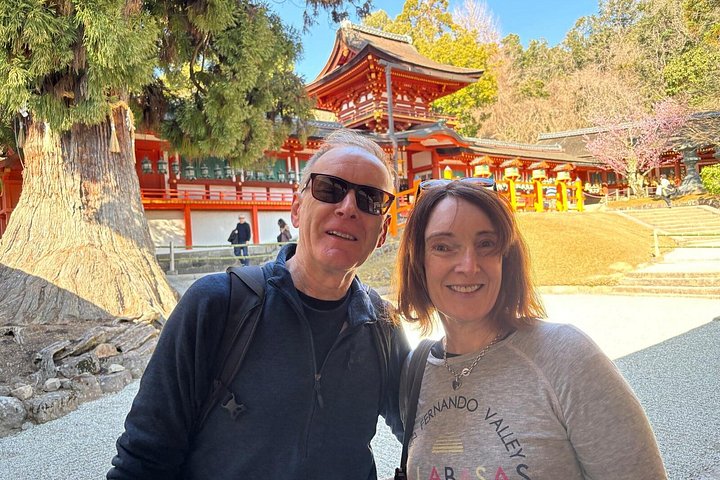
A vermilion shrine in the forest at the foot of Mount Kasuga, famous for thousands of stone and bronze lanterns lining its approach and hanging from its eaves. Quiet, atmospheric and sacred to the deer that roam the grounds.
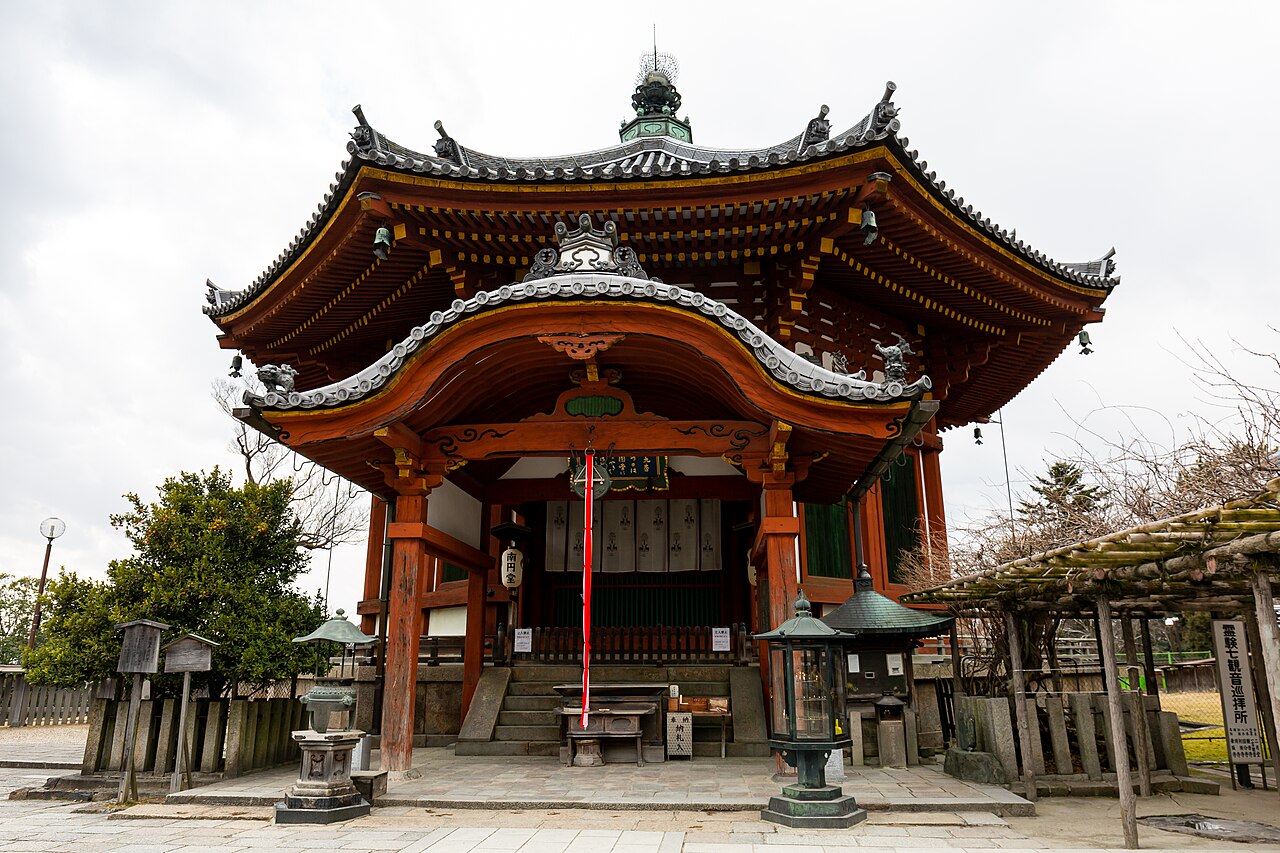
The Fujiwara family temple whose pagoda has anchored Nara's skyline for centuries, with a restored Central Golden Hall, the Eastern Golden Hall and a treasure hall of National Treasure statues, including the famous Ashura. Five minutes from Kintetsu Nara Station.
FreeA grid of narrow lanes lined with wooden merchant townhouses, small museums, craft shops, sweet shops and cafes, just south of Nara Park. Free to wander, and the best place in the city for a slow, human-scale afternoon.
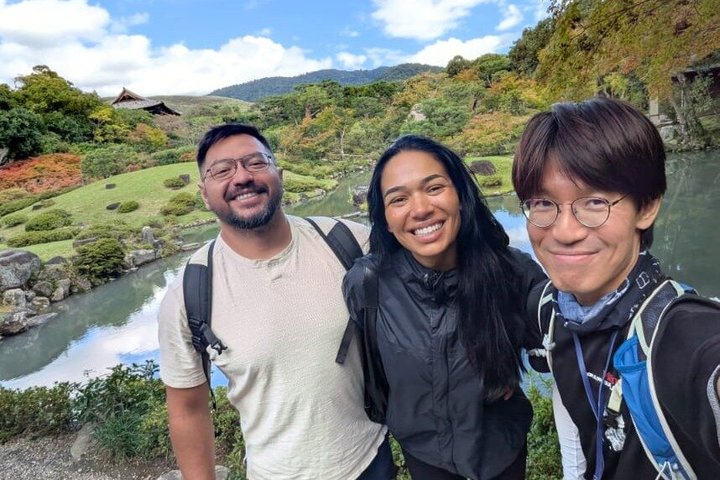
A Meiji-era stroll garden that borrows the view of Mount Wakakusa and the roof of Todai-ji's Great South Gate, with tea houses, a pond and a museum of Asian art. Calm, photogenic and rarely crowded.
1-1.5 hours$$Get tickets → 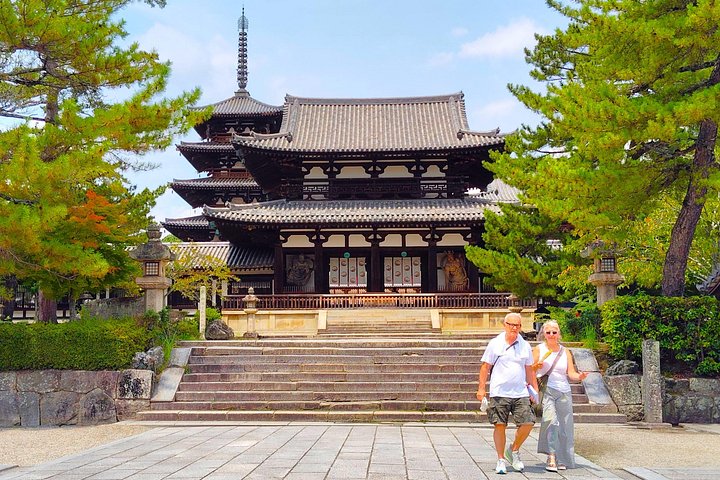
Home to some of the oldest wooden buildings in the world, founded by Prince Shotoku around 607 in the village of Ikaruga. A short rail ride west of Nara, and the best next stop for travellers who love early Buddhist art.
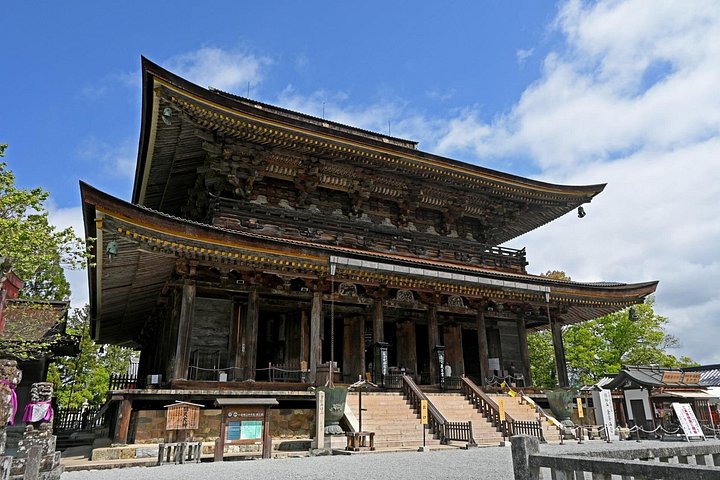
A World Heritage mountain south of Nara, famous for cherry trees that blanket the slopes in spring and for the huge wooden Zao-do hall of Kinpusen-ji. In November it is a quieter, golden-leaved alternative to the spring crowds.
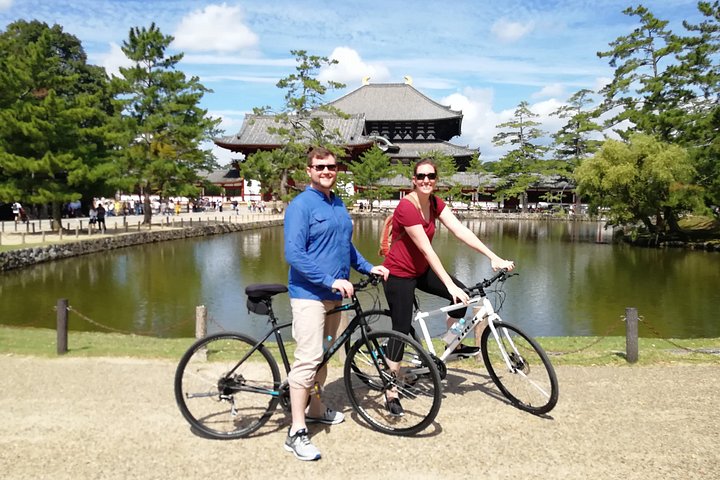
A guided cycle ride of three to four hours that links Todai-ji, Kasuga Taisha and Nara Park by quiet lanes, with bikes, helmets and all fees included. A fun way to cover more ground without tiring your legs.
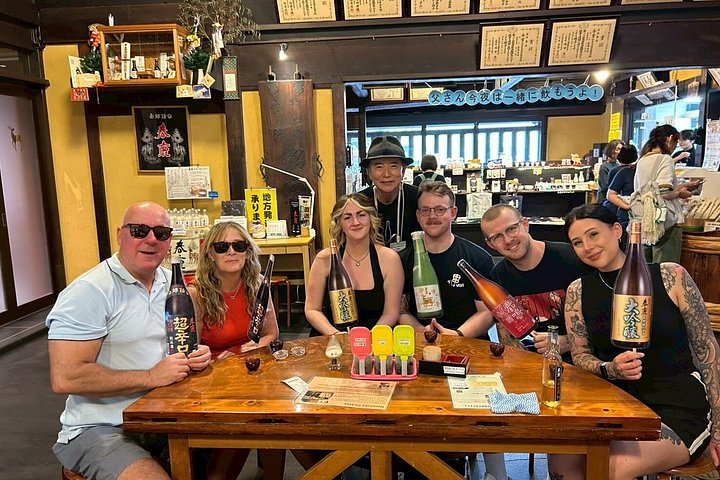
A three-hour small-group walk through Naramachi with about ten local sakes at two breweries and a neighbourhood sake shop, led by certified sake professionals. No sake knowledge needed, and a very good way to taste the city.
Two World Heritage temples in quiet western Nara, a short walk apart: Yakushi-ji with its famous eighth-century East Pagoda and Toshodai-ji with the great hall of the monk Ganjin. Far fewer crowds than the park, and some of the most graceful old architecture in the region.
A gentle climb to a grassy hilltop above Nara Park for the best free panorama in the city, with deer on the slopes and the whole basin laid out below. Famous each winter for its ceremonial hillside burning.