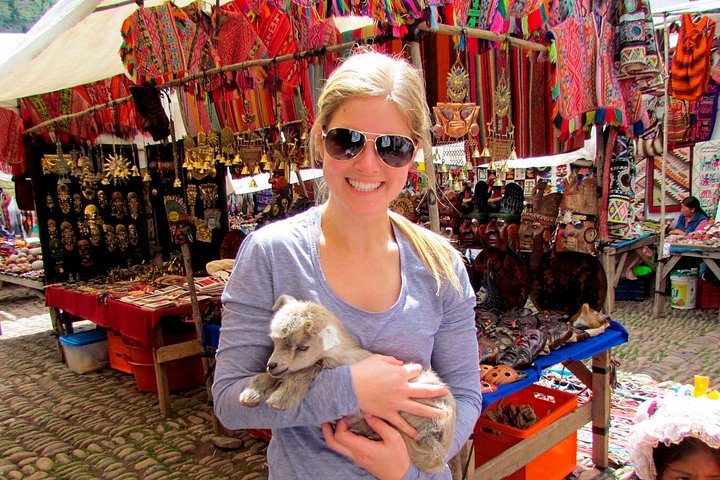
The Sacred Valley is a living craft region, and shopping here is as much about meeting makers as buying souvenirs. Markets, weaving cooperatives and small workshops sit beside the ruins, so you can combine sightseeing with something you will use for years. A little knowledge makes the difference between a pleasant purchase and an expensive disappointment.Pisac market. The best known market takes over the town square, with larger days on Sunday and smaller ones on Tuesday and Thursday. Stalls sell alpaca sweaters, scarves, ponchos, ceramics, silver jewellery, painted gourds and woven belts. Go late in the morning, once the stalls are fully set up, and wander the side streets, where small shops and bakeries are often calmer than the central square. The famous wood-fired clay ovens in town bake empanadas and bread, which make a tasty break.Chinchero and the weaving cooperatives. Chinchero is the best place to see how textiles are made. Women in traditional dress demonstrate spinning, natural dyeing with plants and insects, and weaving on backstrap looms, and then sell the finished pieces. Prices are often fairer here than in tourist streets because buyers meet the makers and understand the hours that go into each cloth. A demonstration is not a hard sell, and you are welcome to watch and ask questions without buying anything.Ollantaytambo and Urubamba. The streets of Ollantaytambo hold boutiques and artisan shops that sell ceramics, jewellery and contemporary alpaca clothing, and the plaza has a lively craft market near the fortress entrance. Urubamba has a local market for food, with fruit, corn and breads, and workshops nearby sell pottery and tiles. These are quieter than Pisac and good for unhurried browsing.Telling quality apart. Fibre matters. Baby alpaca is soft and warm but expensive, regular alpaca is sturdy, and cheaper acrylic is often passed off as natural wool. Look at the label, feel the fabric against your cheek and ask the seller directly. Hand-woven pieces have small irregularities in the pattern, while machine-made textiles are uniform and often lighter. Natural dyes produce earthy, deep colours, and a vendor who can explain the process is usually trustworthy. A quick test is to rub a dark item on a pale cloth; colour that runs is a bad sign.Silver, ceramics and chocolate. Genuine silver should carry a stamp such as 925, and a magnet will not stick to it. Ceramics are heavy and fragile, so choose small items you can wrap in clothing. Chocolate and coffee make excellent gifts that travel well, and a bean-to-bar workshop is a good way to taste before you buy.Bargaining manners. Polite negotiation is normal in markets, but it should stay friendly and modest. Ask the price, smile, offer a little less and settle on something both sides feel good about. In cooperatives and fixed-price shops, bargaining is not expected. Do not haggle hard over amounts that mean little to you but a lot to a maker. Carry small notes and coins in soles, since vendors often cannot change large bills.Photographs and respect. Many vendors and weavers in traditional dress are happy to be photographed, but ask first and expect to leave a small tip or buy something. Animals dressed for photographs are another case where you should think about welfare before paying.Getting purchases home. Alpaca textiles pack flat and are easy to carry. Wrap ceramics in clothing, keep silver in your hand luggage, and check your airline's rules about food, since some fresh items cannot enter other countries. Ask shops to ship larger pieces if you are worried about weight. Keep receipts for anything valuable.Supporting makers fairly. The best purchases put money in the hands of the people who made the item. Buy directly from weavers and cooperatives where you can, ask who made a piece and how long it took, and be wary of stalls that sell dozens of identical items at suspiciously low prices. Chinchero also holds a lively Sunday market where local families trade produce and goods, and it is more of a village gathering than a tourist show. A good textile is an investment, so buy one meaningful piece rather than a bag of cheap ones.Planning your day. A sensible shopping route starts with Chinchero in the morning, where the demonstration and the Inca terraces are on one site, moves on to the ruins and market at Pisac, and finishes with a relaxed evening browsing in Ollantaytambo. Leave time for lunch between stops, and remember that altitude makes shopping tiring, so build in breaks.
Sacred Valley guide
Markets and Crafts in the Sacred Valley
A guide to shopping in the Sacred Valley: Pisac and Chinchero markets, Andean textiles, ceramics and silver, how to tell quality, bargaining manners and getting purchases home.
Mentioned in this guide
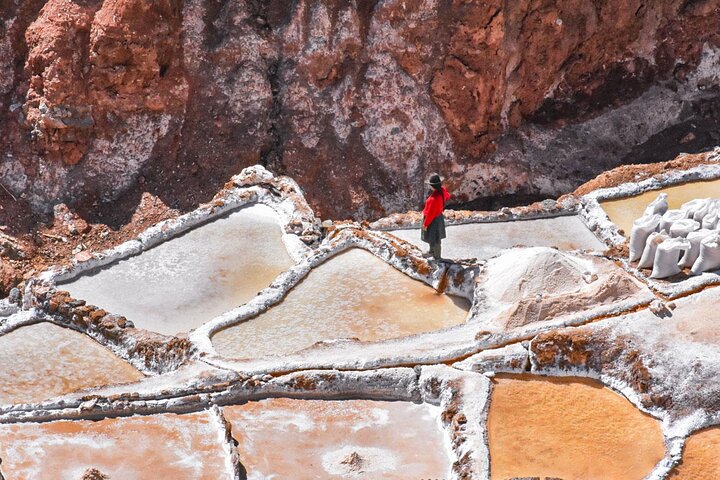
DoPisac Ruins and Market
A sweeping Inca citadel of terraces and temples on a spur above the valley, with a craft market in the town below. A private half-day tour takes the stress out of the steep road and the timing.
 Do
Chinchero Weaving Village
A high Andean village with an Inca-era plaza, a Spanish colonial church and weaving cooperatives where women demonstrate natural dyeing and backstrap weaving. A half-day tour links it with Moray and Maras.
 Do
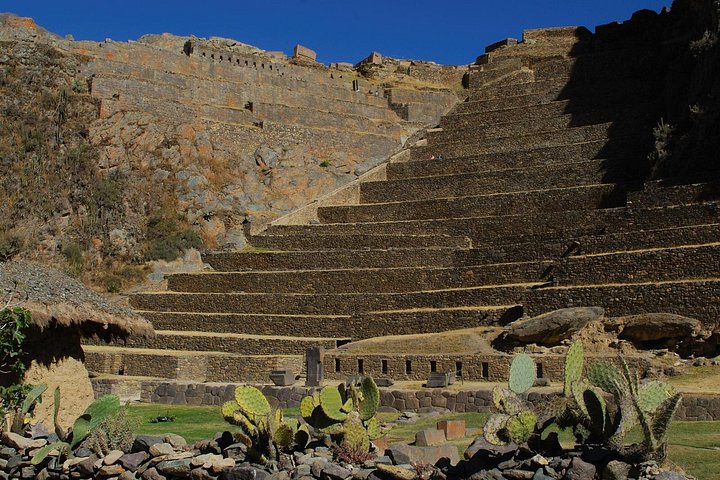
Ollantaytambo Fortress and Town
A massive stone fortress above one of the last living Inca towns, where the streets still follow the original grid. The valley's best ruins and the usual starting point for the train to Machu Picchu.
Urubamba and the Valley Floor
The valley's easygoing hub, with a leafy plaza, a good market, restaurants and farms along the river. A relaxed, lower-altitude base for the whole valley.
 Do
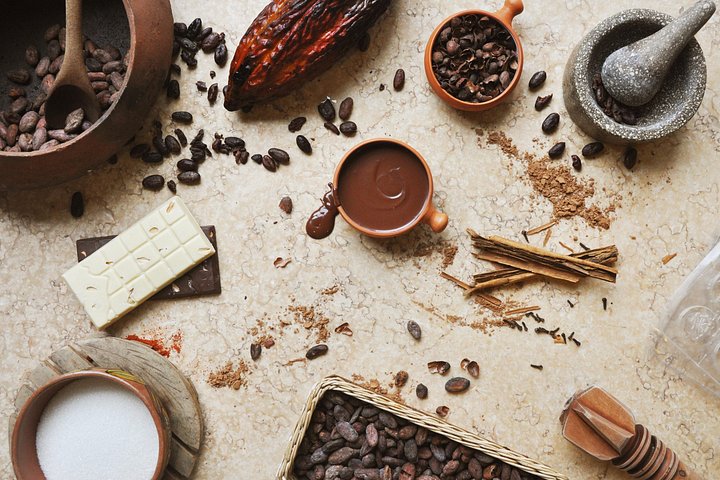
Bean-to-Bar Chocolate Workshop in Ollantaytambo
A hands-on two-hour workshop in Ollantaytambo that follows cacao from bean to bar, ending with chocolates you made yourself. An easy, rewarding rest from ruins and steep steps.
Casa Patacalle Bed and Breakfast
A small, friendly bed and breakfast a few minutes from the Ollantaytambo plaza, with generous breakfasts and views of the ruins. A budget-friendly base for a night or two.
Sauce Hotel Boutique
A small boutique hotel right on the Ollantaytambo plaza with views of the ruins, free breakfast and a restaurant and winery on site. The best location in town for a short stay.
Sol Ollantay Exclusive Hotel
A central Ollantaytambo hotel a few minutes' walk from the plaza, the fortress and the train station, with a free breakfast buffet, a rooftop terrace and a wide choice of room types.