Altitude shapes every plan in this part of Peru. Cusco sits at about 3,400 metres, the Sacred Valley floor is roughly 2,800 metres, the high plateau around Moray and Maras exceeds 3,500 metres, and Machu Picchu lies lower still at around 2,400 metres. Understanding how those numbers fit together lets you arrange a trip that feels comfortable rather than exhausting.Why the order of stops matters. Many travellers fly into Cusco and are tempted to stay there. A smarter plan is to head straight down to the valley, where Urubamba and Ollantaytambo are 600 metres or so lower and the air feels noticeably easier. Spend your first two nights there, walk gently, then climb to Cusco or the high plateau once your body has adjusted. Machu Picchu is lower than the valley, so it tends to feel kind, which is why people who have struggled elsewhere often revive in Aguas Calientes.What altitude feels like. Mild symptoms are common in the first day or two: a light headache, a faster heartbeat when climbing stairs, poor sleep, dry lips and a little breathlessness. They usually pass as you adapt. Move slowly, take stairs one at a time and avoid heavy exertion on arrival day. Plan a light first itinerary, such as a stroll through a town or a market, rather than a long hike.Daily habits that help. Drink water steadily through the day, ideally more than you would at home, and carry a bottle that you can refill. Eat lighter meals at first, with plenty of carbohydrates such as potatoes, rice and corn. Go easy on alcohol, because it hits harder at altitude and worsens sleep and dehydration. Many hotels offer coca tea at breakfast and reception, and locals have drunk it for centuries; it is a pleasant warm drink, though it is not a cure. Wear sun protection even on cloudy days, since ultraviolet exposure is stronger at height.Medication and advice. Some travellers ask a doctor about preventive medicine before they leave. That is a personal medical decision, so talk to a health professional well before departure, especially if you have heart, lung or blood conditions, are pregnant or are travelling with children. Over-the-counter remedies sold in pharmacies in Cusco are widely used, but you should not rely on them to push through serious symptoms.Choosing activities by altitude. Gentle sights such as the Pisac market, the Ollantaytambo streets, a chocolate workshop or a cooking class suit your first days. Save the steeper climbs, the Moray and Maras plateau, and any trek for later in the stay. If you plan a multi-day route such as the Lares Trek, the Short Inca Trail or the Huchuy Qosqo trek, arrive in the region at least two days beforehand and keep your first nights at the lower end of the valley. Horseback riding and quad bike days across the plateau also feel more comfortable once you have had a few nights of rest.Sleeping well. Many people sleep lightly for the first two nights. Choose a hotel with good heating, avoid a big late dinner, keep your room slightly cool and have a glass of water by the bed. Ollantaytambo is lower than Cusco, so many guests find it a better base for the first part of the trip. If a property is on a high hillside, ask about stairs before you book.Children and older travellers. Children can adapt well, but they cannot always describe how they feel, so watch for unusual tiredness, loss of appetite, vomiting or irritability. Older travellers should plan shorter days and more rest. A calm first day benefits everyone, and nobody has to prove anything on arrival.Warning signs. A persistent severe headache, repeated vomiting, confusion, loss of balance, a wet cough, breathlessness at rest or unusual drowsiness are not normal. They are reasons to stop climbing, tell your guide or hotel, and descend to a lower elevation, then seek medical help. Do not ignore symptoms to stay on schedule. The valley has clinics, and hotels and guides can arrange help, so ask early.A simple blueprint. Land in Cusco, transfer directly to the valley, spend two nights at the lower end, take a gentle first day, then add the ruins at Pisac and Ollantaytambo, followed by the high plateau and Cusco. Finish with Machu Picchu or a trek, depending on your plans. Build one spare day into the schedule so a slow morning does not cost you a booked tour. With that rhythm, most visitors feel good enough to enjoy the views, the food and the long evenings in the Andes.
Sacred Valley guide
Altitude in the Sacred Valley
How altitude affects a trip through Cusco, the Sacred Valley and Machu Picchu, with a sensible order of stops, daily habits, food and drink advice and signs that mean you should descend.
Mentioned in this guide
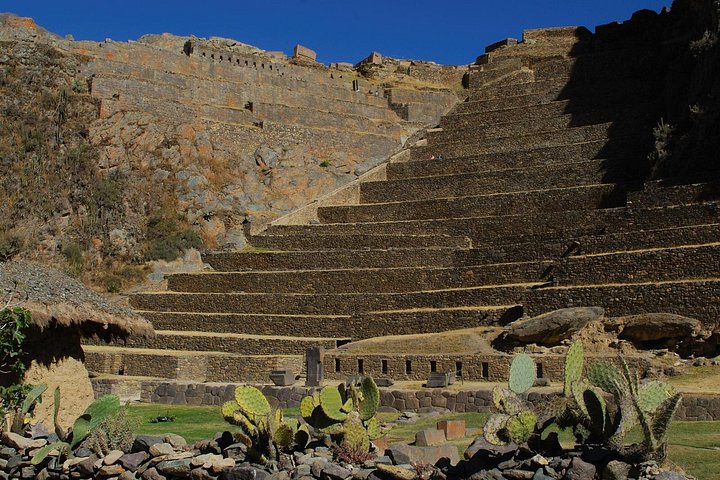
DoOllantaytambo Fortress and Town
A massive stone fortress above one of the last living Inca towns, where the streets still follow the original grid. The valley's best ruins and the usual starting point for the train to Machu Picchu.
 Do
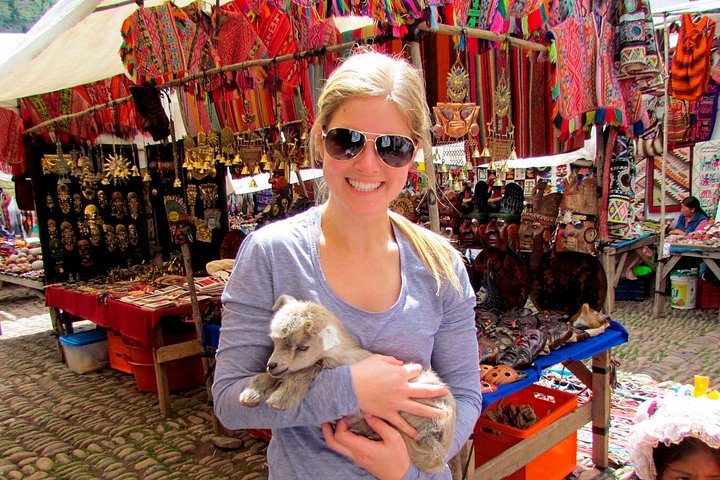
Pisac Ruins and Market
A sweeping Inca citadel of terraces and temples on a spur above the valley, with a craft market in the town below. A private half-day tour takes the stress out of the steep road and the timing.
 Do
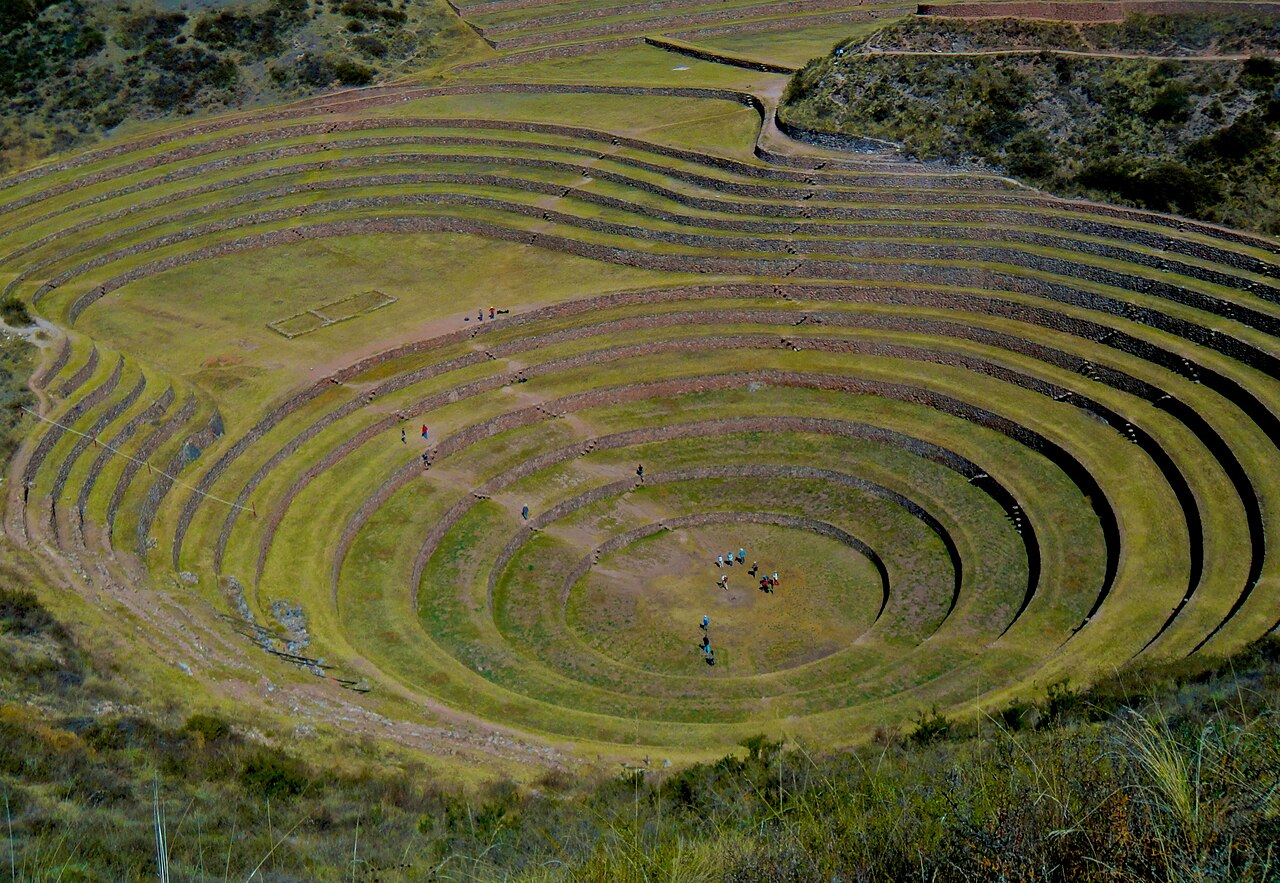
Moray Agricultural Terraces
Concentric circular terraces sunk into the earth like an amphitheatre, thought to be an Inca farming laboratory. A short, high-altitude stop, easily paired with the Maras salt pans on a half-day tour.
 Do
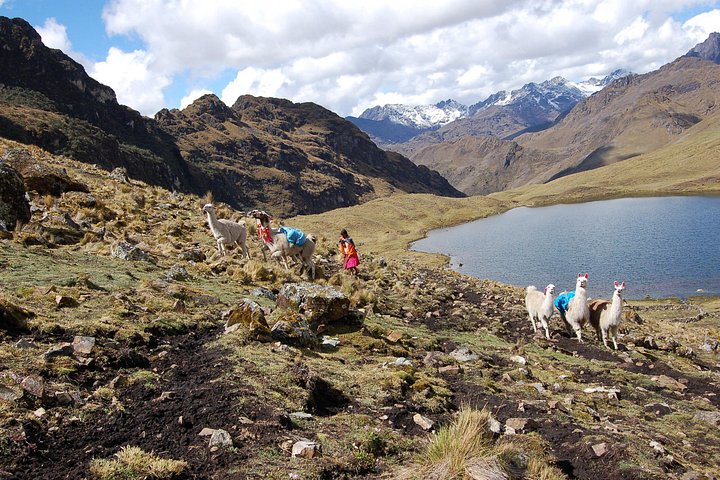
Lares Trek to Machu Picchu: Four-Day Trek
A four-day Andean trek through the Lares valley, with high passes, glacial lakes and weaving villages, finishing with the train to Machu Picchu. The cultural alternative to the crowded Inca Trail.
Peruvian Cooking Class in Ollantaytambo
A hands-on class in the Inca town of Ollantaytambo that turns Andean ingredients into a full meal you cook and eat yourself. A relaxed, tasty way to spend an afternoon between ruins.
Tambo del Inka, a Luxury Collection Resort and Spa
A large riverside resort a short walk from Urubamba plaza, with indoor and outdoor pools, a thermal spa circuit and a private train carriage service to Machu Picchu. The easy luxury choice in town.
Hotel Pakaritampu
A friendly mid-range hotel in Ollantaytambo with garden grounds, mountain views and a free shuttle to the train station. The sensible base for an early train to Machu Picchu.
Sol Ollantay Exclusive Hotel
A central Ollantaytambo hotel a few minutes' walk from the plaza, the fortress and the train station, with a free breakfast buffet, a rooftop terrace and a wide choice of room types.