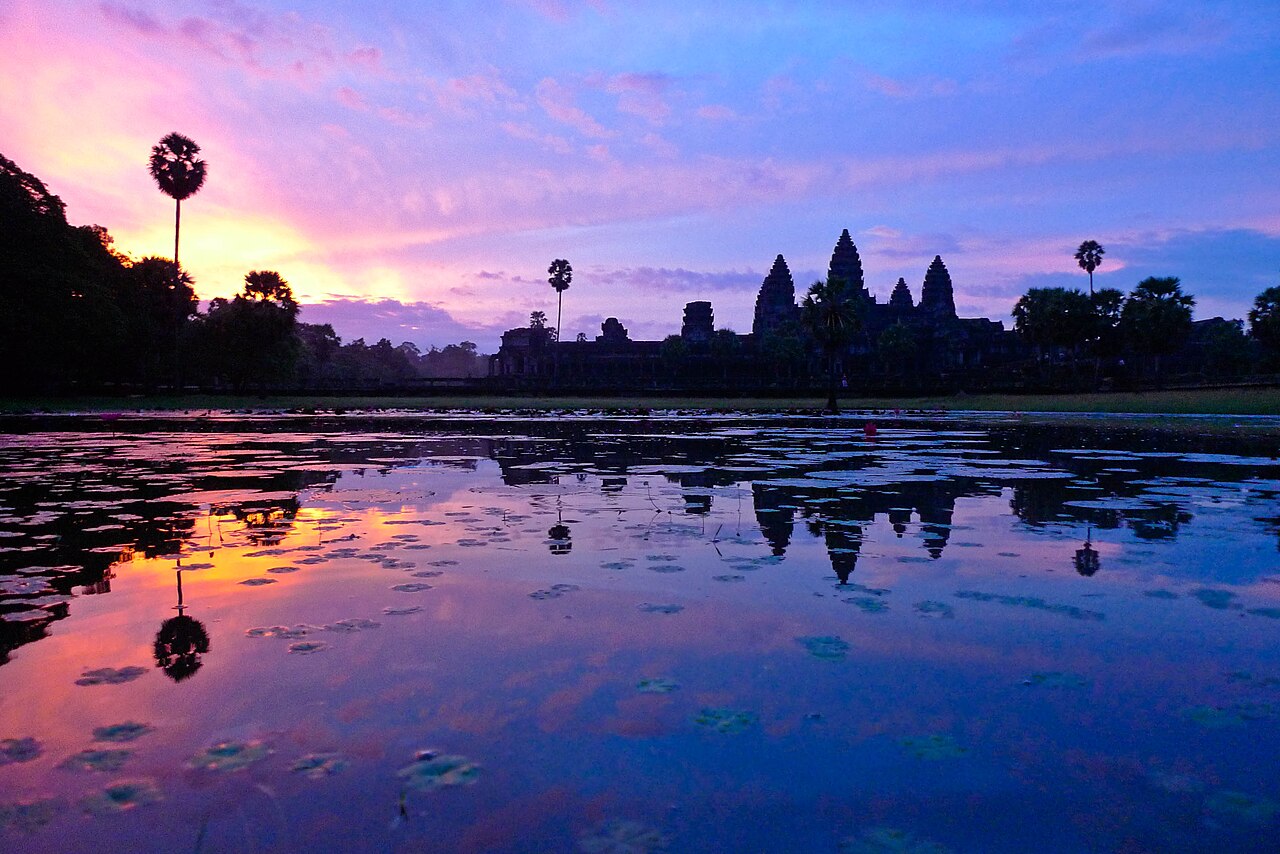
Angkor is the reason to come to Siem Reap, but it is rarely the only thing travellers remember. After two or three days of stairs, heat and carved stone, a change of pace makes the rest of the trip better. The good news is that Siem Reap is full of other things to do, from adventure in the countryside to craft workshops and wildlife on the lake. This guide groups them so you can mix and match around your temple days.
Adventure in the countryside
The land around Siem Reap is flat, green and ideal for outdoor activities. A quad bike tour takes you along dirt tracks between rice fields and villages, ending with a drink at sunset, while a countryside horse ride covers the same landscape at a gentler pace. For a thrill, the Angkor zip line course runs through the forest canopy beside the park, with cables, platforms and bridges that suit teenagers and adults. These activities are best done in the late afternoon, when the air is cooler and the light is soft, and they pair well with a morning at a temple.
The Tonle Sap and its people
The great lake is one of the natural wonders of Southeast Asia, swelling and shrinking with the seasons. Kampong Phluk is the nearest stilt village and an easy half-day, and it is especially good at sunset. Kampong Khleang is larger and more traditional, and the sunset Vespa tour shows another stretch of the shore. If you want to be on the water yourself, a kayaking trip takes you through a floating village at the pace of a paddle. The Prek Toal Bird Sanctuary, in the dry months, is a day for birdwatchers, with pelicans, storks and ibis nesting in the flooded forest.
Crafts and food
Cambodia’s crafts are being revived, and Siem Reap is a good place to see them. The Lotus Silk Farm shows silk and lotus-fibre weaving from mulberry leaf to finished scarf, a pottery class lets you try the wheel, and Artisans Angkor trains young people in carving, painting and lacquer. A Khmer cooking class and the evening food tour introduce the cuisine, and a sombai cocktail class or a pub crawl adds a lighter note after dark. These activities make good rest-day plans, and they put money directly into local hands.
History and meaning
Cambodia’s recent history deserves time too. The Cambodia Landmine Museum tells the story of landmines through the eyes of a former child soldier, and the APOPO visitor centre introduces the rats that detect them. The War Museum and Wat Thmei give context on the decades of conflict and the Khmer Rouge period. These stops are sobering but not gloomy, and they leave many visitors with a deeper understanding of the country. Go with an open mind, dress modestly and give yourself quiet time afterwards. A monk blessing ceremony offers a calm, hopeful counterpoint.
Day trips further afield
If you have extra days, two longer trips are worth the drive. Battambang is Cambodia’s charming second city, with the bamboo train, the hill of Phnom Sampeau and the evening bat flight, about three hours away. Sambor Prei Kuk, the UNESCO-listed pre-Angkorian capital, is a similar distance east, with octagonal brick towers in the forest. Both are long days, so schedule a rest day after each, and consider an overnight stay if you want a gentler pace.
A splurge
For a special occasion, the helicopter flight over Angkor combined with a ground visit to Angkor Wat and a Khmer lunch is one of the most memorable experiences in the region, and a photography tour with a local expert turns your pictures into keepsakes.
Putting it together
A balanced four-day plan might run like this: day one, sunrise at Angkor Wat and the Small Circuit; day two, Banteay Srei and the Grand Circuit; day three, a slow morning with the silk farm or pottery class, a late-afternoon quad ride and dinner on Pub Street; day four, Kampong Phluk at sunset or the Landmine Museum and APOPO. Add a Battambang or Sambor Prei Kuk day if you have five or six days. Whatever you choose, book the early starts for the cooler mornings and the active tours for the afternoons.
Practical notes
Wear modest clothing for religious sites, bring a hat and sun protection and drink plenty of water. Always ask permission before photographing people, and favour community-run or social enterprise stops where you can. The rainy months, from about June to October, bring lower prices, fewer crowds and green scenery, but some activities, such as unpaved countryside tracks, can be muddy. In the dry season, book popular tours a few days ahead.