Angkor is not one temple but a landscape, and almost every first-time visitor is confused by the names that guides and drivers use. The key to planning is the road system. Two loops, known as the Small Circuit and the Grand Circuit, cover most of the park’s best-known temples, and a handful of outer sites lie beyond them. Once you understand how the loops fit together, you can build an itinerary that fits your energy, your budget and the light.
The Small Circuit
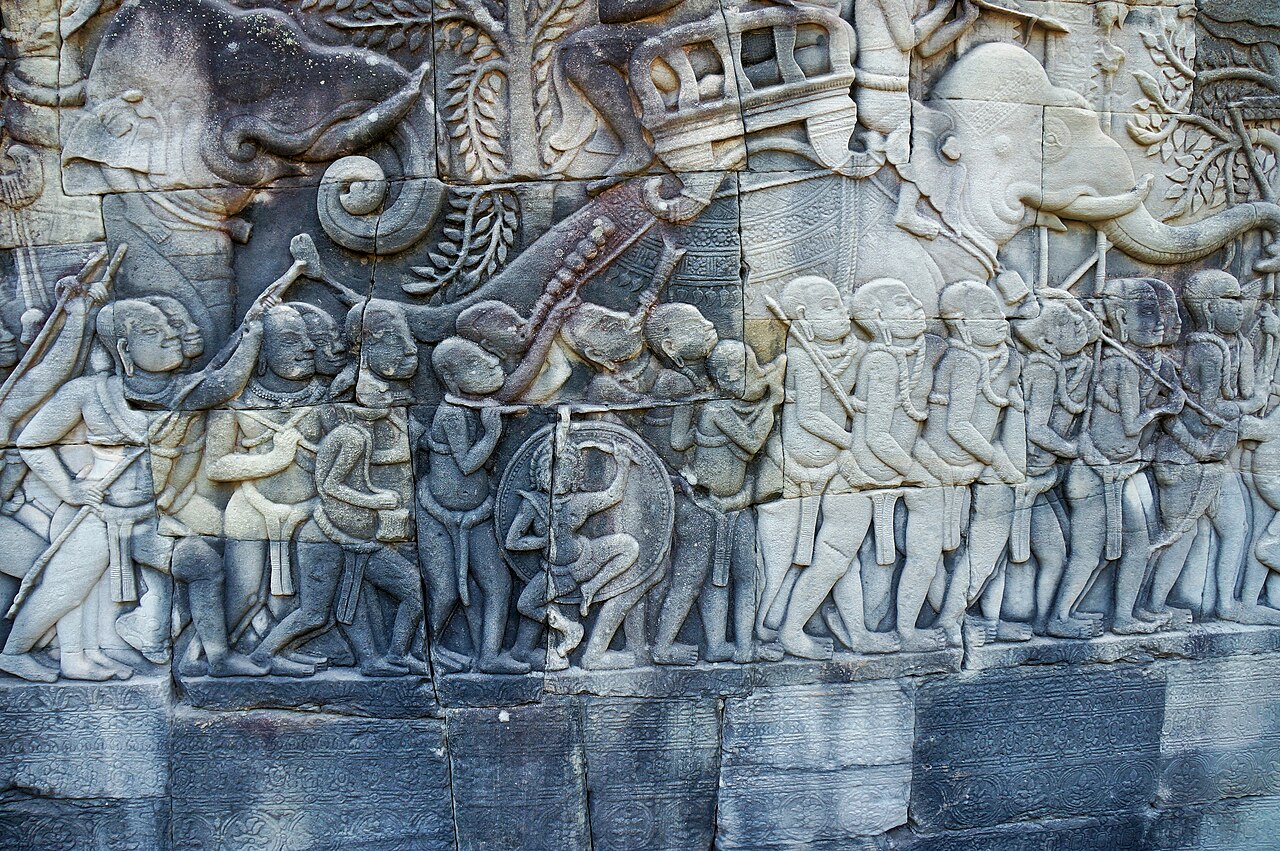
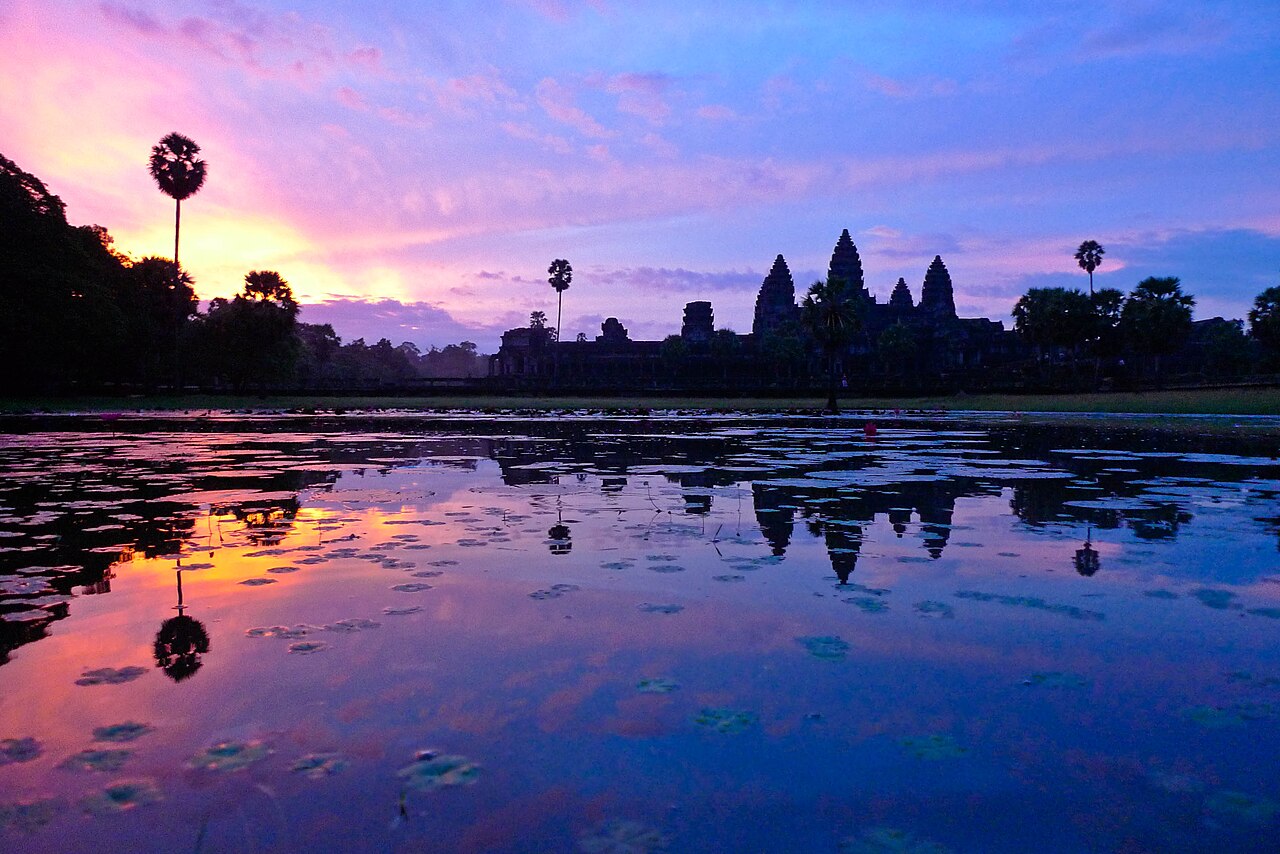
The Small Circuit, or Petit Circuit, is the classic first day. It starts at Angkor Wat, the largest temple, then runs north to Angkor Thom, the walled royal city, where the Bayon, the Terrace of the Elephants and the Terrace of the Leper King can be covered in a morning. It continues east to Ta Prohm, the temple wrapped in giant tree roots, and often adds Banteay Kdei and Sra Srang. The distances are short, and the route suits a tuk-tuk, a bicycle or a guided tour. Most travellers start with sunrise at Angkor Wat and finish with a late lunch and a rest at the hotel.
The Grand Circuit
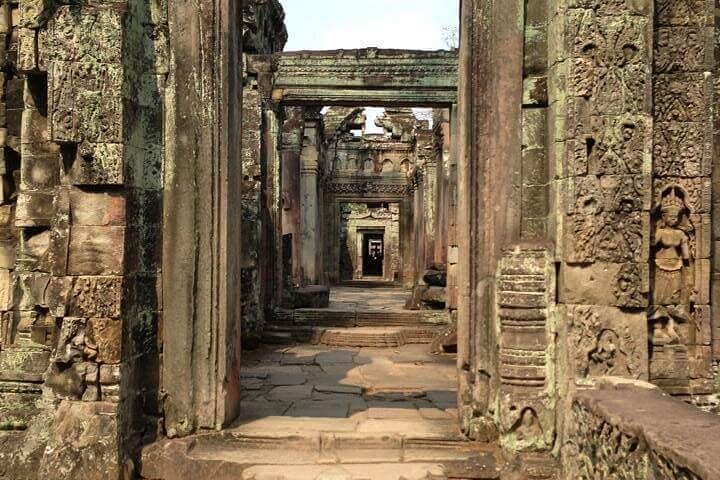
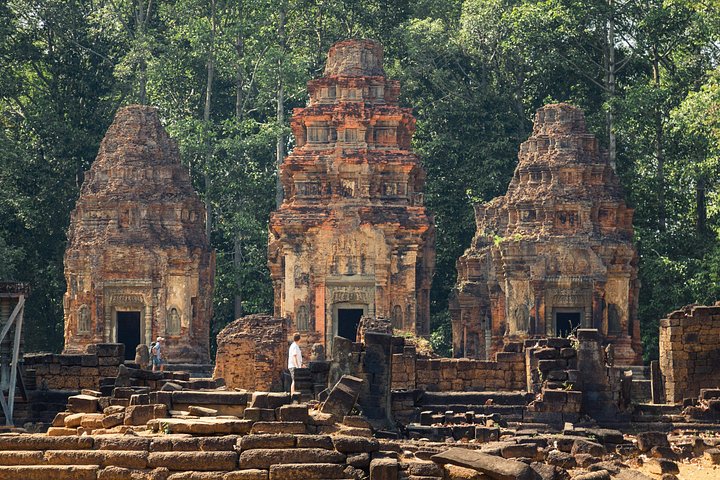
The Grand Circuit is a longer loop to the north and east of Angkor Thom, passing quieter temples such as Preah Khan, Neak Pean, Ta Som, East Mebon and Pre Rup. It has far fewer visitors, which means you often have corridors and courtyards to yourself. The loop takes about half a day to a full day depending on how long you linger. Our Grand Circuit half-day tour and the full-day Big Circuit tour with a Phnom Bakheng sunset both follow this route, and Preah Khan and Neak Pean make a shorter outing on their own.
The outer temples
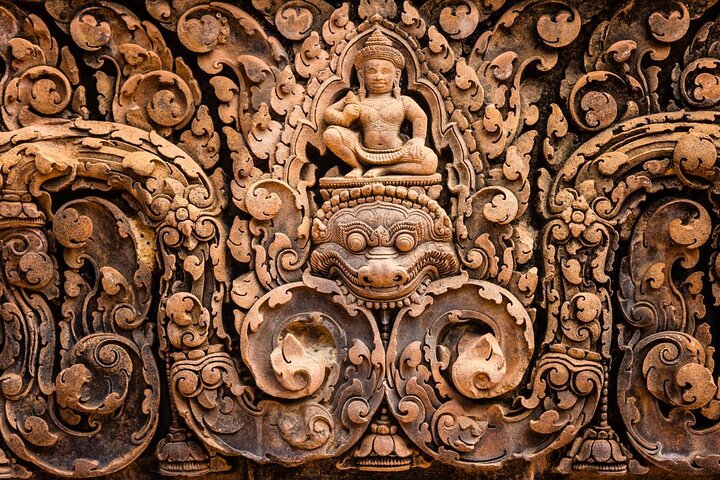
Beyond the loops, several sites reward a separate trip. Banteay Srei, about 35 kilometres north-east, is the small pink-sandstone temple with the finest carving in the region, and it is usually combined with Kbal Spean, the river of a thousand lingas in the forest. The Roluos Group, south-east of town, holds the earliest Angkor-period monuments, including Bakong and Preah Ko. Beng Mealea and Koh Ker lie further out, and Phnom Kulen, the sacred mountain, has a waterfall and a reclining Buddha. Beyond the Angkor area, Sambor Prei Kuk shows the pre-Angkorian tradition in brick.
One day, two days, three days
With one day, do the Small Circuit with a sunrise start. With two days, add the Grand Circuit or Banteay Srei and Kbal Spean. With three days, add the Roluos Group or Beng Mealea and Koh Ker, and keep an afternoon free for a rest. A seven-day pass is rarely needed unless you are a keen archaeology fan or a photographer. Every visitor needs an Angkor Pass, which is sold only by the park’s authorised seller and comes in one-day, three-day and seven-day versions, so choose the one that matches your itinerary.
Timing and light
Angkor Wat looks best at sunrise and late afternoon, when the stone warms to gold. The Bayon is at its finest in the early morning, when the light hits the faces from the east. Ta Prohm is atmospheric in the soft light of early morning or late afternoon, and in the middle of the day the shade of the trees is welcome. Pre Rup glows red at sunset, and Phnom Bakheng is the classic sunset hill, though access to the summit is limited and queues form. Banteay Srei is best early, before the tour buses arrive. Try to be at the main sights before 9:00 and rest between 11:00 and 14:00.
Getting around
Tuk-tuks are the most popular way to cover the circuits, offering shade, air flow and a driver who waits at each site. Air-conditioned cars are more comfortable in the hottest months, and bicycles or electric bikes suit the flat Small Circuit for fit travellers. Guides add enormous value: they explain the bas-reliefs, the Hindu and Buddhist symbolism and the history of the kings who built each temple. Many travellers book a guide for the first day and a driver for the second.
What to wear and bring
Cover shoulders and knees at every temple, and bring a hat, sunscreen, insect repellent and plenty of water. Wear shoes with good grip for steep stairs, and carry your pass at all times, since it is checked at each major site. Early starts mean light layers in the dark morning and a swim in the afternoon.
Pacing your visit
The most common mistake is to try to do too much. Temple fatigue is real, and the carvings blur after a few hours. Mix big sights with quiet ones, and add a different kind of activity between temple days, such as a food tour, a cooking class, a Phare circus show or a floating village. Our guide to the best time to visit explains how the seasons change the experience, and our first-timer guide explains tickets and logistics.