Tbilisi is a year-round destination, but the experience changes with the season, and the best time depends on whether you want mountains, vineyards, long terrace evenings or quiet streets. The city sits in a river valley with a continental climate, which means warm to hot summers, cool but not extreme winters and two short, glorious shoulder seasons. Here is how each season plays out, and how to plan around it.
Spring: April to June
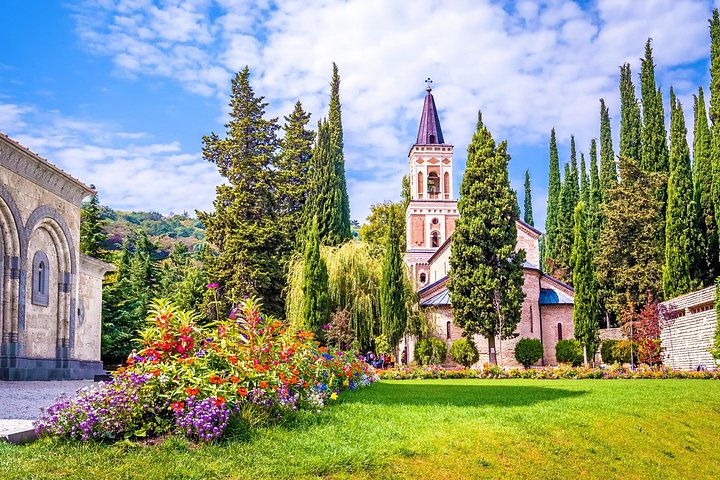
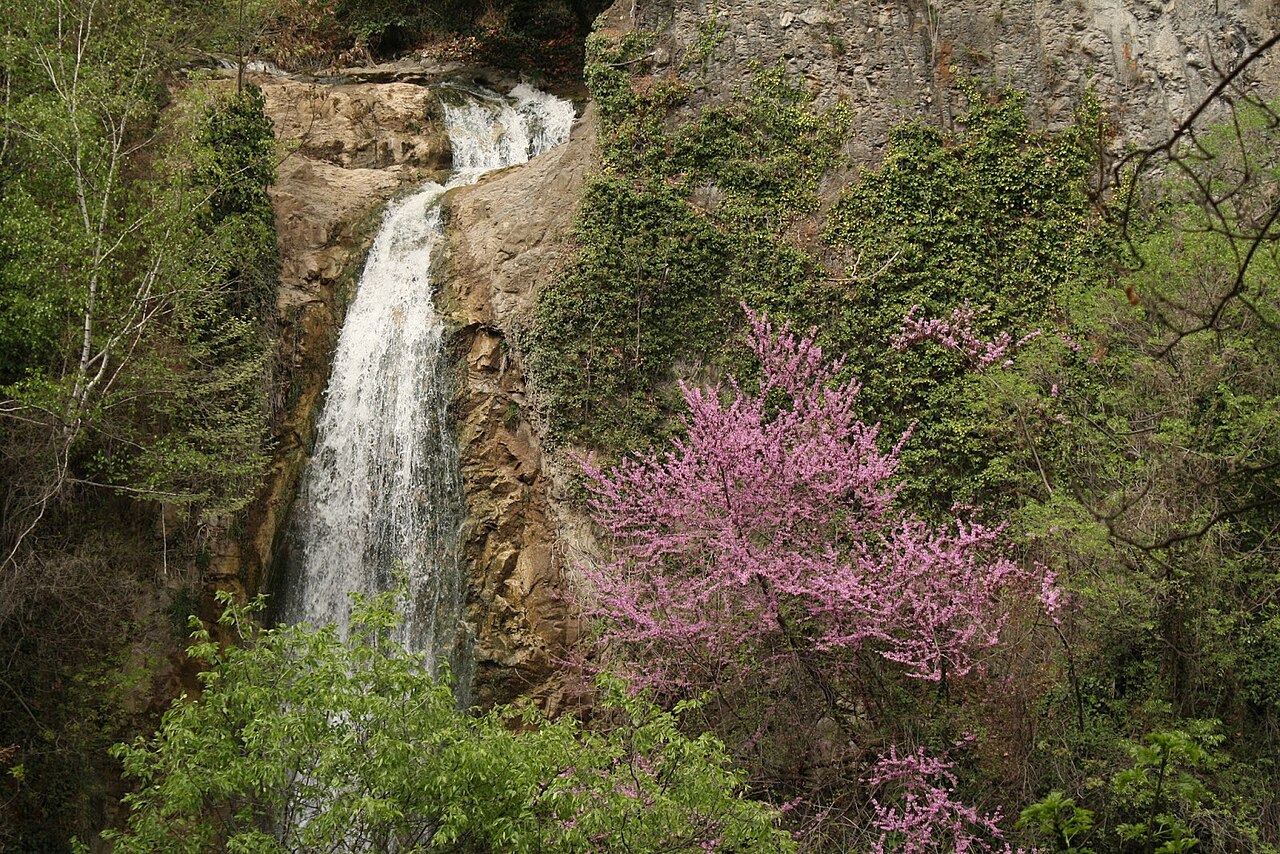
Spring is one of the two best times to visit. The hills turn green, orchards and gardens flower, and temperatures are comfortable for walking the old town and the fortress. Rain showers are common, especially in the early part of the season, so carry a light waterproof and shoes with grip for wet cobbles. The mountains are at their freshest, and the Kazbegi road is generally clear, although high-altitude viewpoints can still be cold and windy. Wildflowers appear on the steppe around David Gareja, and Kakheti’s vineyards are bright green. Easter in the Georgian Orthodox calendar is a major holiday, and churches are busy.
Summer: July and August
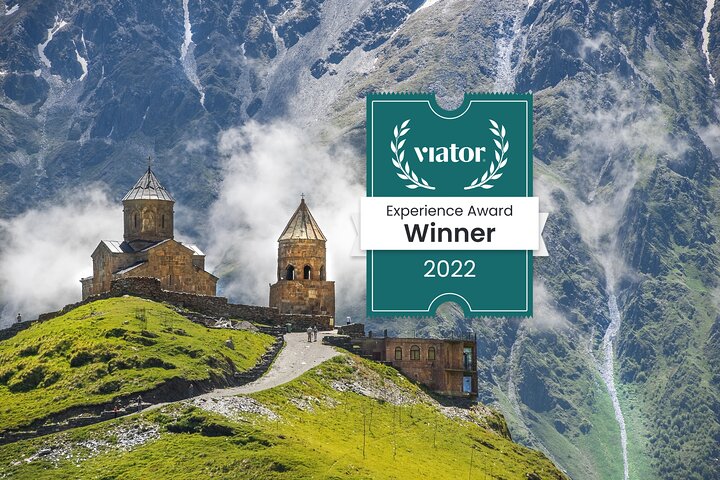
Summer is hot, and the city centre can feel airless in the afternoon. Plan sightseeing for the morning and the evening, take a break at midday and use the shade of the botanical garden or the cool of a museum. Evenings are long and lively, with terraces full, and Mtatsminda Park is cooler than the centre. This is peak season for visitors, so book popular tours, the baths and hotels ahead. Day trips to the mountains are especially attractive, since Kazbegi is much cooler than the capital, while desert-like sites such as David Gareja are best visited very early. Lowland tours to Uplistsikhe and the south can be very hot, so bring water and a hat.
Autumn: September and October
Autumn is the other prime window, and many regular visitors consider it the best. The heat fades, the light turns golden and the wine harvest begins, which fills Kakheti with activity as grapes are picked and pressed, and cellars welcome visitors. Wine festivals and city celebrations take place in the autumn, including a popular city festival in early October, and the Svetitskhoveli feast in Mtskheta falls in mid October. Trees in the botanical garden and the hills colour up, and walking weather is ideal. Hotels fill up, so book early.
Winter: November to March
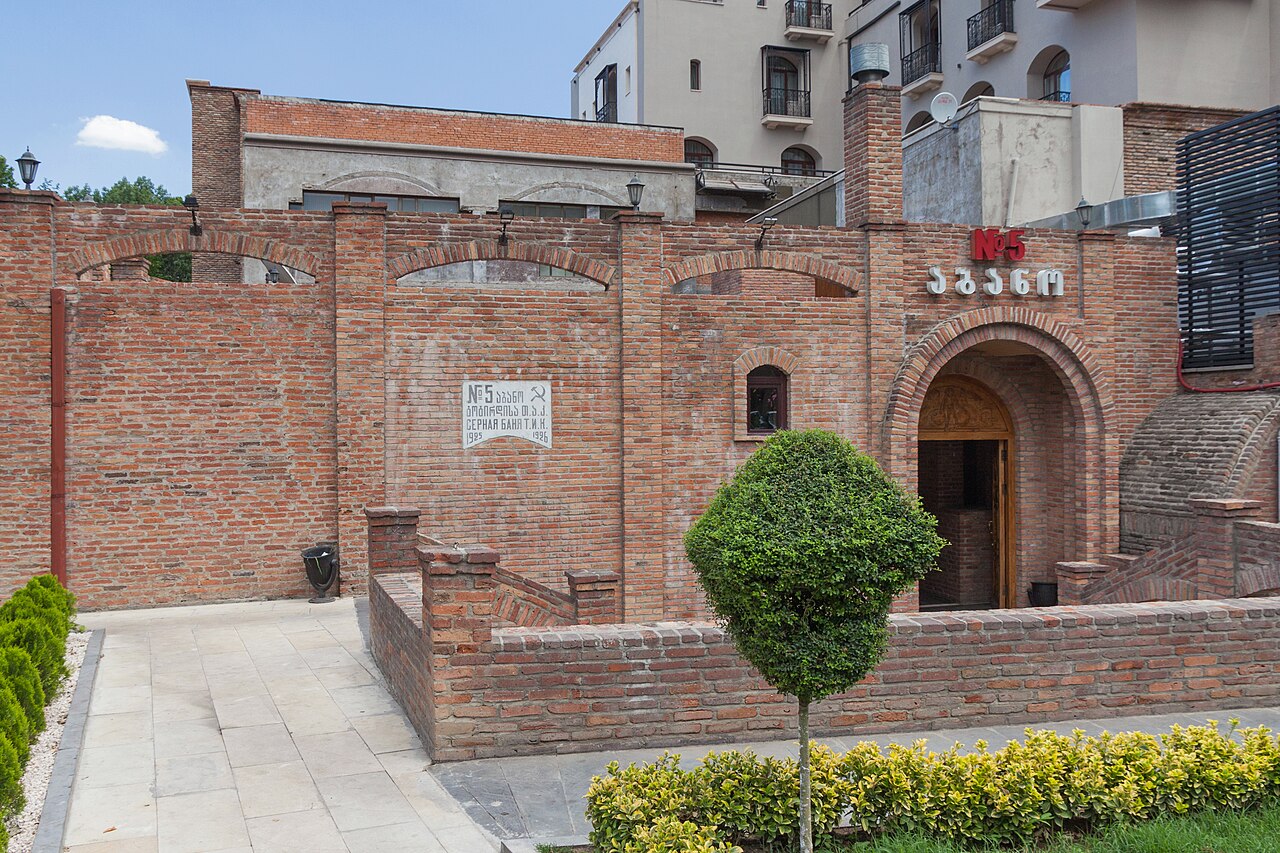
Winter is quieter, cheaper and more atmospheric. Days are cool to cold, with occasional snow in the city, and the old town looks beautiful with a dusting of white. The sulfur baths are at their most appealing, the cafes and wine bars feel cosy and prices drop. Bring a warm coat, gloves and boots with grip. The key caveat is the Kazbegi road: it stays open all winter, but the Jvari Pass can close temporarily for snow and avalanche risk, usually for a few hours and occasionally for a day or more, so schedule that trip early in your stay and keep a spare day. The cable car and some attractions run shorter winter hours, so check times. Ski resorts such as Gudauri and Bakuriani operate in the snowy months, and Orthodox Christmas on 7 January and New Year are celebrated with feasts.
Choosing by interest
For walking and photography, choose May, June, September or October. For wine and harvest atmosphere, go in September or early October. For mountain scenery without snow, aim for June to September. For skiing, go in the middle of winter. For low prices and quiet streets, choose the colder months and accept some weather risk.
Shoulder-season tip
If you can choose, aim for the first half of October or the second half of May. Both give mild temperatures, good light for photography, open mountain roads and lively cellars, without the peak-summer crowds or the winter closures. Midweek visits are quieter still, and hotel rates are often kinder outside July, August and the harvest weekends.
What to pack
In every season, bring shoes with grip, a scarf or shawl for church visits and a small bag for cash. In summer add sun cream and a hat. In winter add thermal layers, gloves and a warm hat. In spring and autumn pack layers, since mornings and evenings are cooler than afternoons.
Crowds and booking
Tbilisi never becomes overwhelming, but summer and autumn weekends are busy, and popular tours sell out. Reserve a few days ahead in those seasons, and be flexible in winter when weather can change the plan.