Three days is enough to fall for Tbilisi without rushing. The city is compact, the best sights cluster along the river, and the pace of life invites long lunches and slow evenings. This itinerary links the old town, the grand avenues and the green hills into a loop that avoids backtracking, leaves room for meals and keeps the hardest climbs for the cooler parts of the day. If you have a fourth day, add one of the big excursions described in our day-trips guide.
Before you start
Wear shoes with grip, because the old town is a mix of cobbles, steep steps and polished stone that gets slippery after rain. Carry some cash in lari for markets, baths and small cellars, although cards work in most restaurants and shops. The metro is cheap and simple, ride-hailing apps are reliable, and the centre is walkable. Dress modestly for churches, with shoulders and knees covered and a scarf for women.
Day one morning: the old town
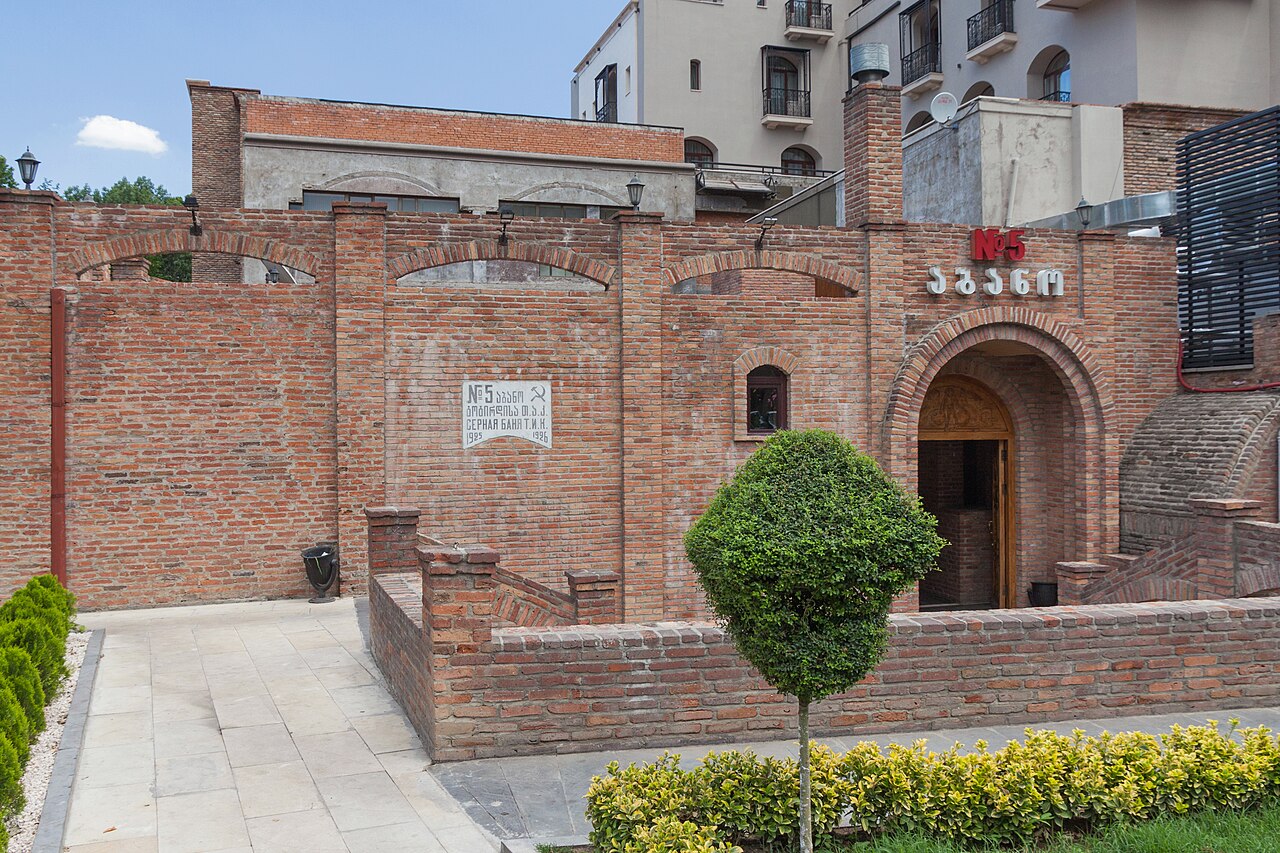
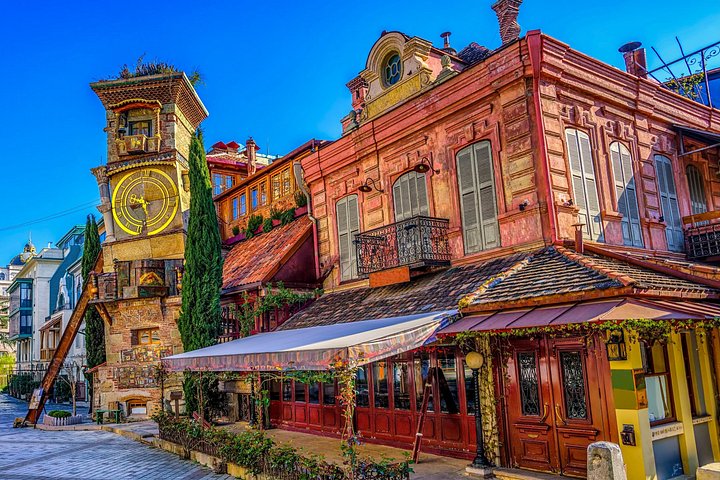
Start with the guided walking tour, which covers Metekhi Church, the cable car up to Narikala Fortress, the Mother of Georgia statue along the ridge and the brick domes of the sulfur bath district. A local guide turns the maze of lanes into a story, and the tour ends close to lunch. If you prefer to go alone, ride the cable car from Rike Park in the morning light and wander along the walls, then walk down through the old town.
Day one afternoon: baths and balconies
Book a private room at the sulfur baths in Abanotubani for the afternoon. The water is naturally warm and smells of sulfur, which is part of the experience, and a private room lets you soak at your own pace. After that, wander the lanes between the baths and Shardeni Street, and linger over dinner in the old town. For a more structured evening, the Georgian dinner and dance show offers food, wine, folk dance and music in one sitting.
Day two morning: Rustaveli and the museum
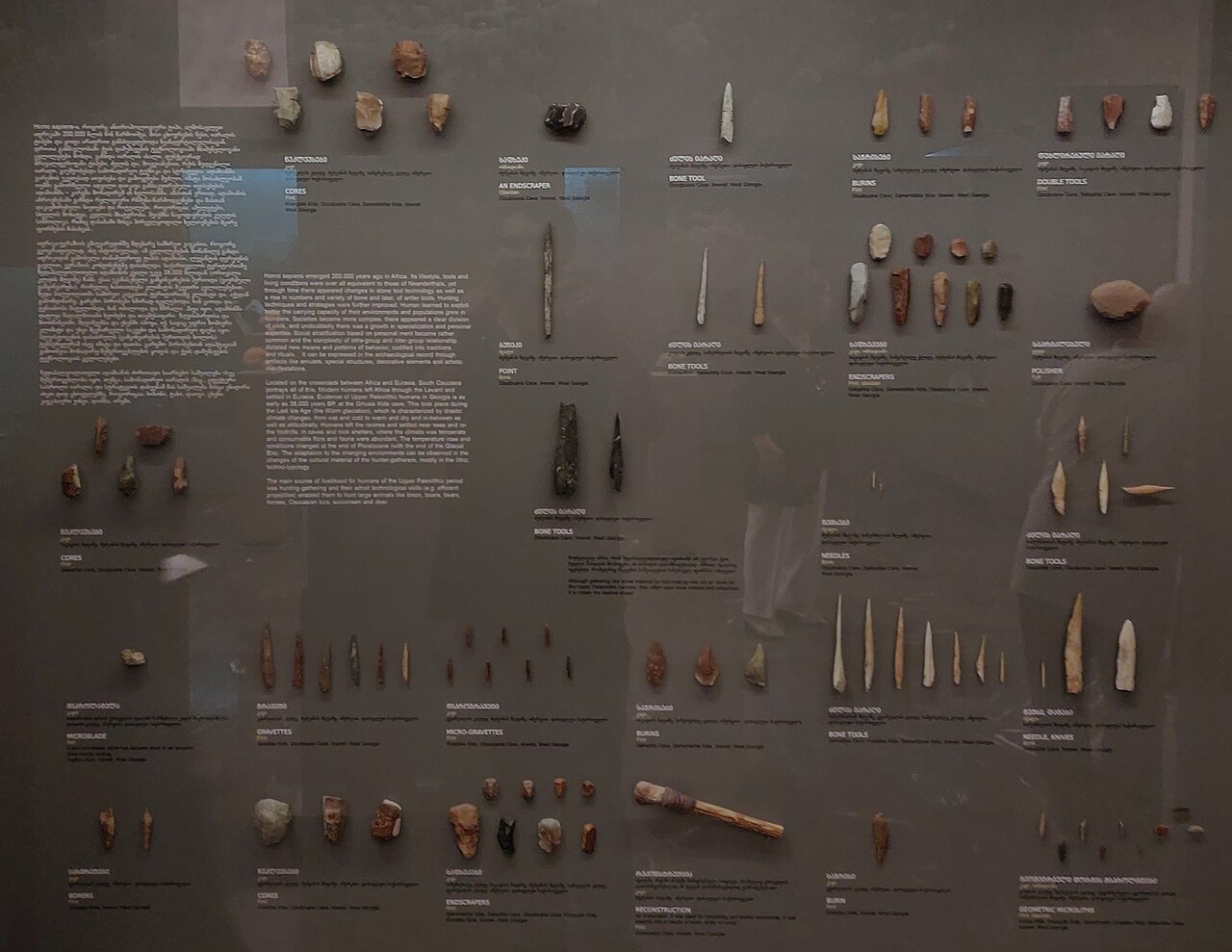
Walk the length of Rustaveli Avenue, the city’s grand boulevard, past the opera house, theatres and cafes. The Georgian National Museum is the highlight, with gold and archaeology and a sobering exhibition on the Soviet occupation. It is closed on Mondays, so plan accordingly, and allow about two hours. If a Monday falls on your visit, swap the museum for the Dry Bridge Market and a long coffee stop.
Day two afternoon: the market and the hill
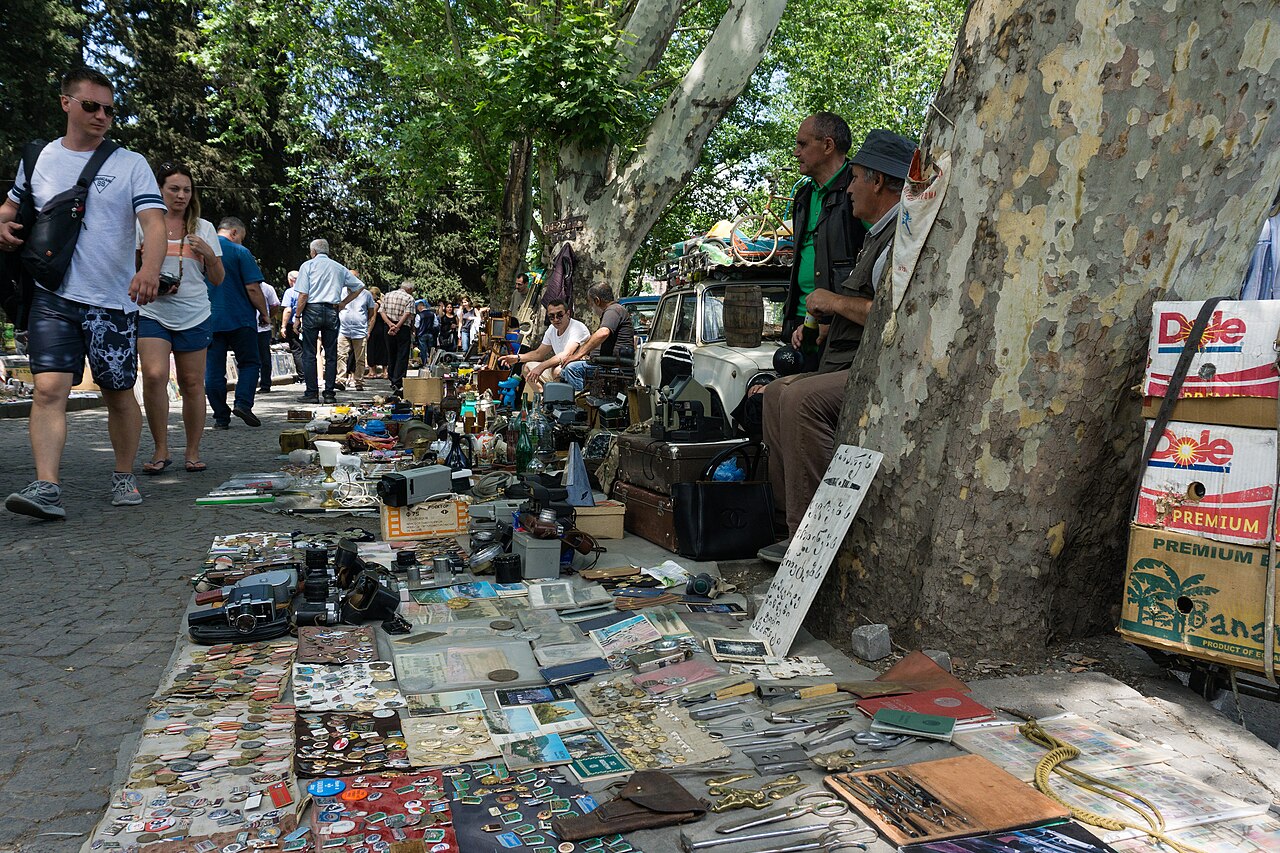
Browse the Dry Bridge Market for Soviet memorabilia, art and antiques, then take the funicular up Mount Mtatsminda in the late afternoon. The park at the top gives the widest view of the city and a chance to watch the lights come on at dusk. Come down for dinner in Sololaki, where wine bars and restaurants occupy elegant old houses, and try a flight of amber qvevri wines.
Day three morning: Mtskheta
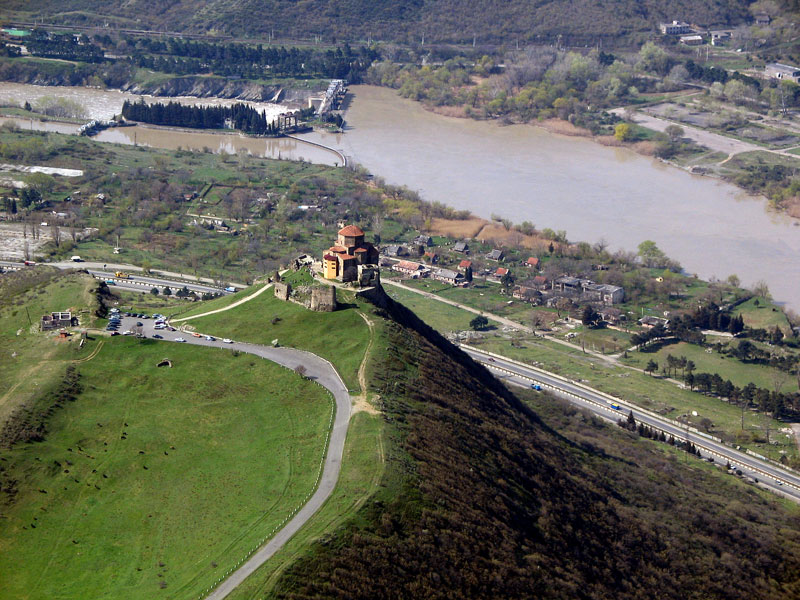
Take the half-day tour to Mtskheta, the ancient capital, about half an hour from the city. Jvari Monastery looks down on the meeting of two rivers, and Svetitskhoveli Cathedral is the burial place of Georgian kings. The tour usually adds the Chronicles of Georgia monument and a wine cellar, and returns in time for a late lunch.
Day three afternoon: cathedral and garden
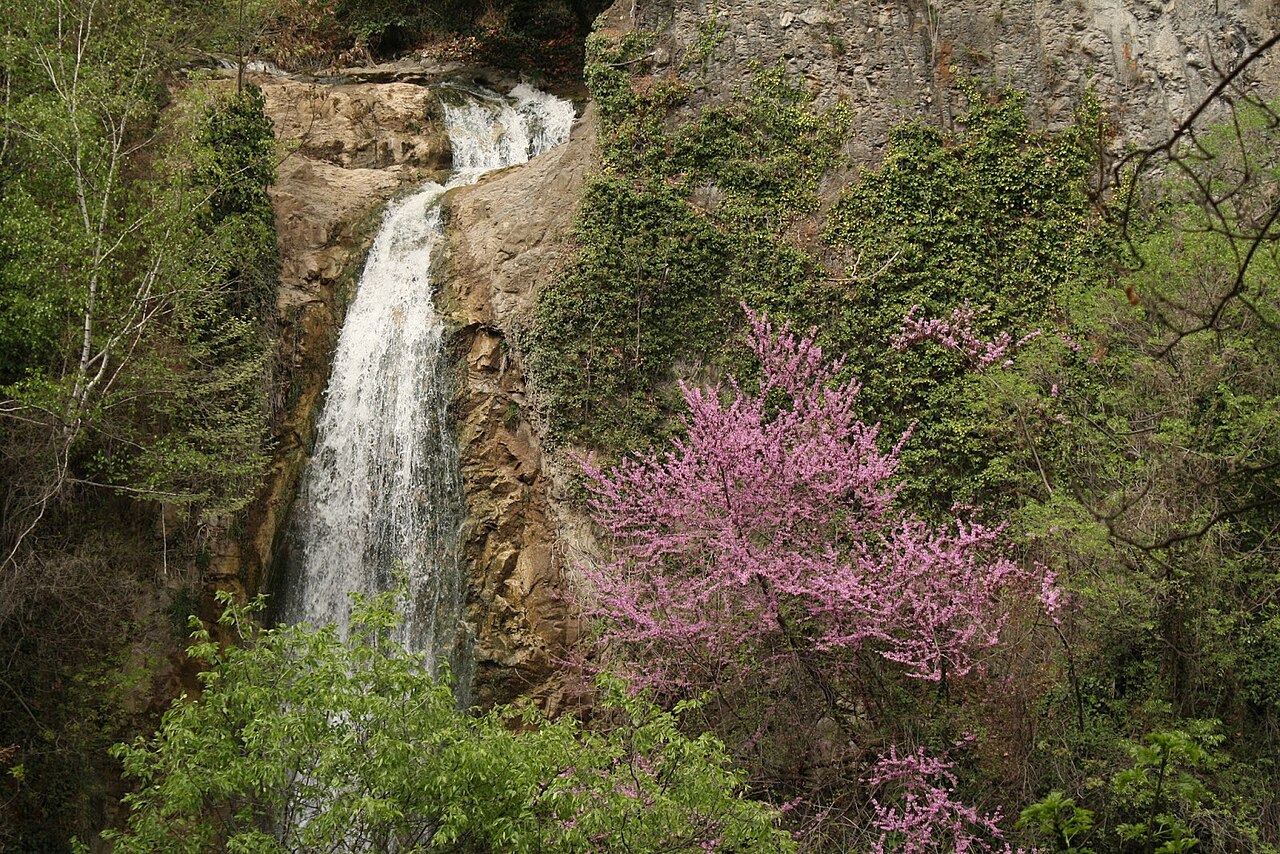
Visit Holy Trinity Cathedral on its hill across the river, which is free and rewards you with views, then spend an hour in the Botanical Garden behind Narikala, reached from the baths or from the fortress ridge. The paths follow the river up to a waterfall, and the shade is welcome in summer. End the trip with a long Georgian supper, sharing khachapuri, khinkali and grilled meats.
Booking and timing
Reserve the walking tour, the baths and the dinner show a few days ahead, especially at weekends and in summer or autumn. Most other sights are free or sold at the gate. Keep an hour of slack each day for spontaneous detours, because the best moments in Tbilisi are often an unplanned courtyard, a basement bakery or an invitation to a table.
If you only have two days
Combine days one and two, skipping the botanical garden and moving Mtskheta to the morning of day two. With four days, add Kazbegi or Kakheti. Whatever you choose, plan a slow final evening, because the city rewards lingering.