Tbilisi sits at a crossroads between Europe and Asia, and its history is layered like the strata in a cliff. Within a few hours of the capital you can stand at the site where early humans lived about 1.8 million years ago, walk through a medieval battlefield memorial, visit a royal citadel and a cathedral from the eleventh century and compare Soviet concrete with older stone. For a traveller who loves history and culture, this is one of the richest corners of the Caucasus, and the key is to arrange the pieces in an order that makes sense. This guide proposes a way to do it.
Start with the museum
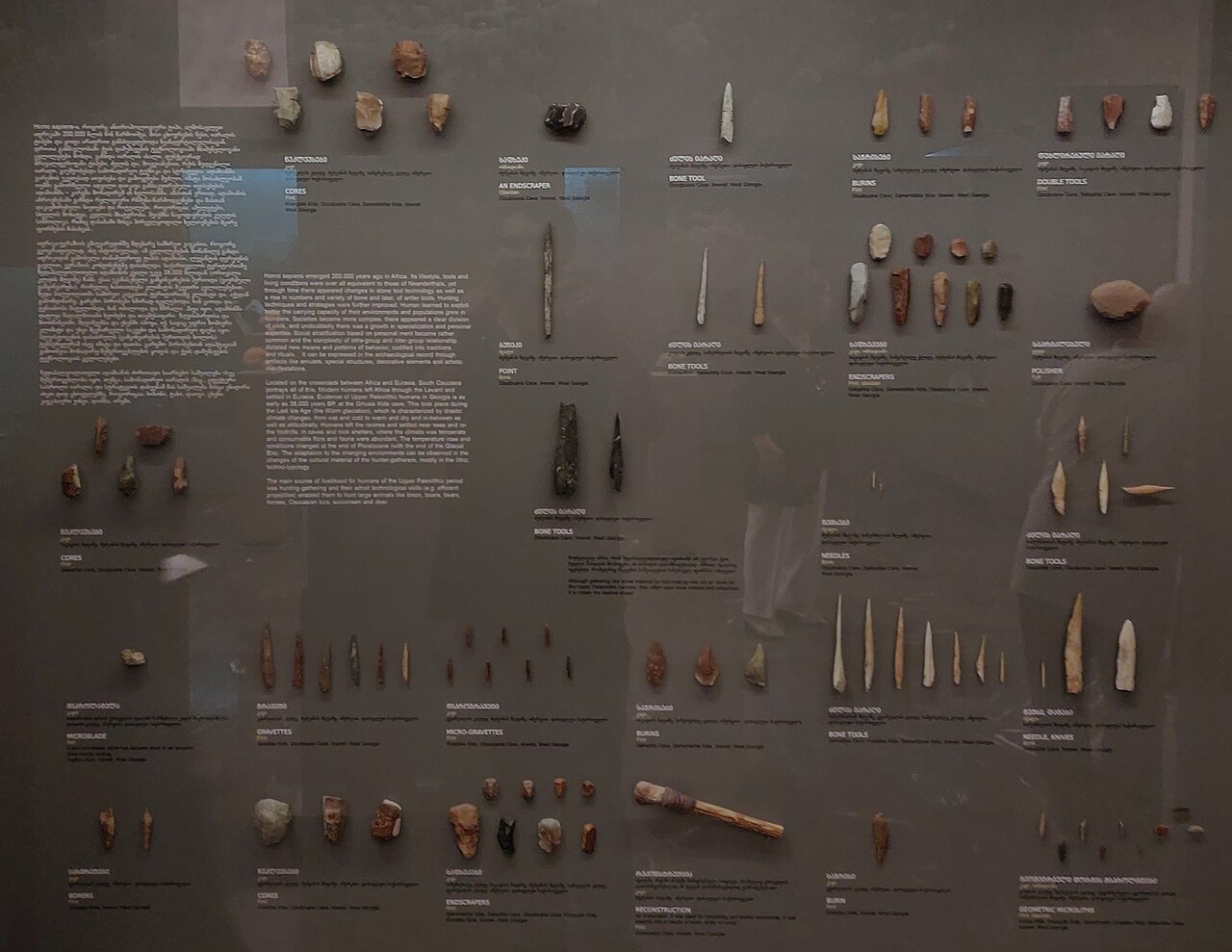
The Simon Janashia Museum of Georgia on Rustaveli Avenue is the best single introduction to the country’s past. Its Archaeological Treasury holds ancient gold from the burial grounds of Colchis and Kartli, the Dmanisi gallery shows fossil skulls of some of the earliest humans found outside Africa, and the upper floor tells the story of the Soviet occupation. It is closed on Mondays, so plan accordingly, and allow about two hours. A visit on your first day gives you the themes that the rest of your trip will develop.
Go deep into prehistory at Dmanisi
A day trip to Dmanisi and Bolnisi takes you to the site where the finds were made, with a museum and an excavation area, and then to a fifth-century church and the houses of German settlers who arrived in the nineteenth century. It is a rare chance to see a place where world science changed, and it works well after the museum, because you recognise the objects in context.
Follow the medieval kings
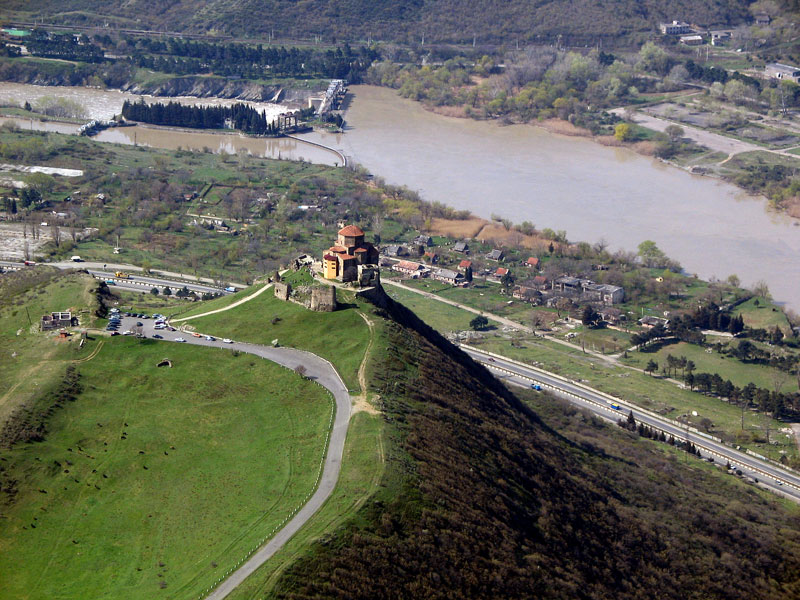
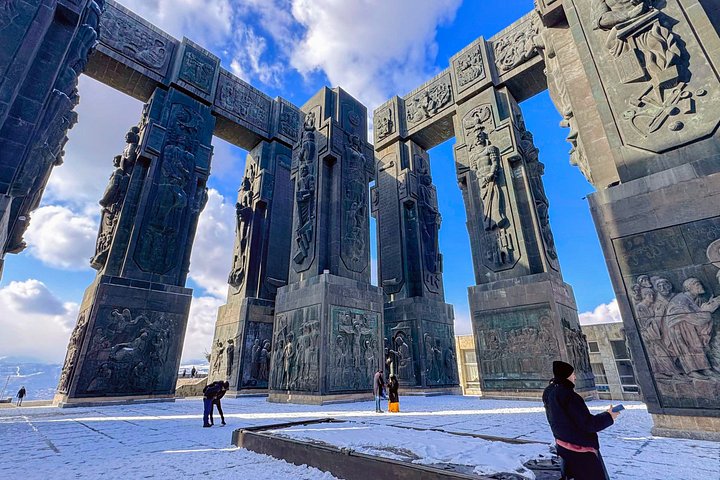
Georgia’s golden age came in the twelfth and thirteenth centuries, under David the Builder and Queen Tamar, and several sites bring it to life. The Didgori memorial and the Chronicles of Georgia monument, on a half-day trip, tell the story of the great victory of 1121 and the wider sweep of the nation’s history. Mtskheta, the ancient capital, has Jvari Monastery and Svetitskhoveli Cathedral, both on the UNESCO list, while Vardzia, the cave city in the south, was founded under Tamar’s rule. Together they form a medieval trail that is easy to cover in two or three days.
Explore the kingdom of Kakheti
For a different perspective, the day trip to Telavi, Alaverdi, Ikalto and Gremi covers the royal history of the eastern kingdom, with an eleventh-century cathedral, a monastery academy and a sixteenth-century citadel. A wine tasting at the end is a natural reward, and the contrast with a Sighnaghi wine day is useful, since the first is more about history and the second about the hilltop town and cellars.
Read the old town as a text
The old town of Tbilisi is a lesson in coexistence, with churches, a mosque and synagogues within a few minutes’ walk of each other. A Jewish heritage walking tour traces one of the world’s oldest communities through its streets, and a general walking tour adds the story of the baths, the fortress and the balconied houses. Take the walks early in your stay so that you read the city differently on later days.
Meet the Soviet layer
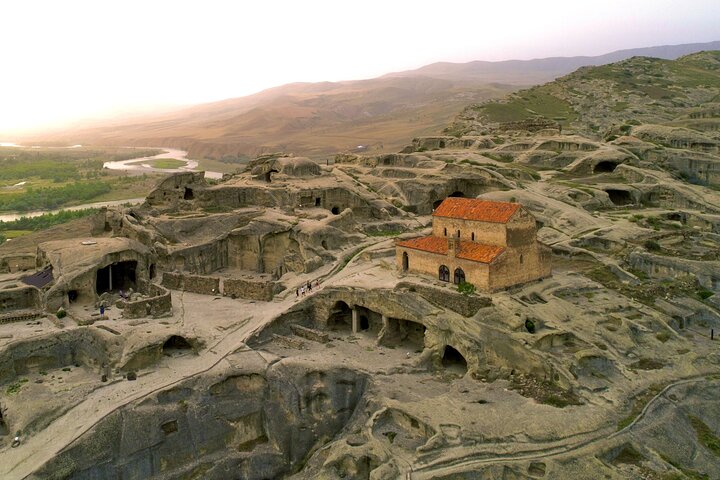
The twentieth century left a dramatic mark. A tour of Soviet architecture explores the concrete monuments, the metro stations and the housing blocks, with stories of the people who lived in them. The museum’s occupation gallery and the Stalin museum in Gori add depth and demand a critical eye, and a visit to the cave town of Uplistsikhe on the same trip balances ancient and modern. It is helpful to approach this layer with questions, because the guides often have family stories to share.
Add culture, not just sights
History is lived in the arts and the table. A folk dance class or a dinner and dance show reveals traditions that go back centuries, a supper with a toastmaster shows how the feast continues to shape social life and a visit to a family winery in Kartli or Kakheti illustrates the qvevri tradition that is thousands of years old. These evenings give meaning to the monuments you see by day.
A sample plan
With five days, spend the first on the museum and the old town, the second on Mtskheta and the medieval monuments, the third on Dmanisi and Bolnisi, the fourth in Kakheti and the fifth on the Soviet layer and a supper. If you have fewer days, combine Mtskheta with Gori and Uplistsikhe on a single trip and leave the museum to a rainy morning. Keep a spare day in winter, because the mountain roads can close.
Practical tips
Dress modestly for churches, with shoulders and knees covered and a scarf for women. Carry small notes in lari for entrance fees, candles and cellar purchases. Guides are the key to understanding, so choose small groups or private tours when you can, and ask questions freely. Georgians are proud of their history and delighted by curiosity, and a good conversation with a guide is often the most memorable part of the day.