Tbilisi comes alive in the evening. The heat of the day fades, the lanes of the old town fill with the glow of lanterns and the smell of grilled meat and fresh bread, and the city’s wine bars, cellars and theatres open their doors. Georgians treat dinner as the main event of the day, often lasting for hours, and the visitor who plans a few good evenings will understand the country far better than one who spends every night in a hotel restaurant. This guide sets out the best ways to spend an evening, from the traditional to the contemporary, and how to pace them across a stay.
The traditional supper
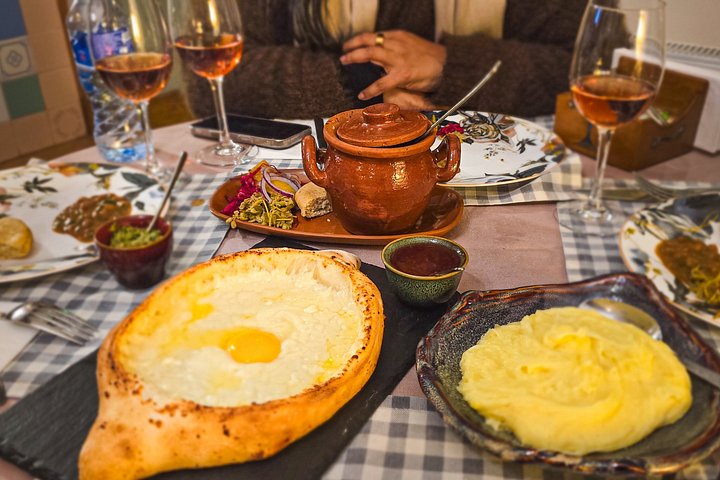
The supra is the heart of Georgian hospitality, a long feast with dishes arriving in waves and a tamada, or toastmaster, guiding the table through a sequence of toasts to peace, family, friends and the departed. A supper arranged for visitors, with a tamada who explains the customs, is the best way to experience this without needing an invitation to a home. Eat steadily, join the glasses, learn the word gaumarjos, which means cheers, and do not be alarmed if a toast lasts several minutes. Plan nothing afterwards, because a good supper runs late, and arrange a taxi home.
Dinner with a dance show
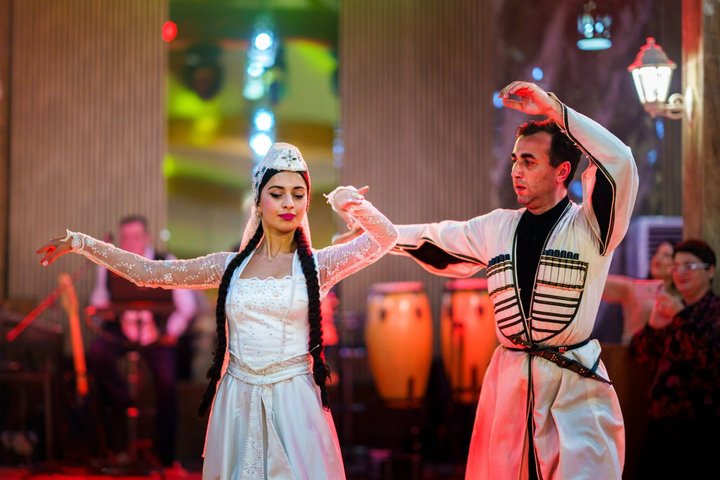
For a more theatrical evening, a dinner and dance show combines a Georgian meal with a performance of folk dance, song and music in costume. The dances, with their leaps, spins and swordplay, are a highlight of any trip, and the show is a good choice for families, first-timers and groups who want a lively, easy evening. Book ahead for weekends and arrive on time to get a good table.
Try the steps yourself
If watching makes you want to join in, a dance class with a professional teacher turns the evening into a participatory one. You learn the posture and basic steps of the main styles, laugh a good deal and gain a new respect for the dancers. A class early in your stay makes the later show more rewarding, and it is a good rainy-day activity as well.
Wine and cheese at a table
For a quieter evening, a seated tasting of Georgian wines paired with local cheeses is a pleasant introduction to qvevri amber wines, saperavi reds and the country’s dairy traditions. It suits couples, solo travellers and anyone who wants to learn without a long commitment. Do it before a day trip to Kakheti or Kartli so that you arrive at the cellars with a few words of wine vocabulary, or after, to compare notes.
The social night out
Tbilisi’s bar scene has grown quickly, with candlelit cellars, rooftop terraces and cocktail rooms scattered around the old town and beyond. A guided pub crawl is a low-effort way to see several in one night, meet other travellers and sample chacha, the strong grape spirit, and craft beer. It is a good choice for solo visitors and friends, and the guide takes care of the route. Drink water between rounds, eat beforehand and agree on a ride home.
Cooking as an evening
A cooking class in a local home combines learning and dinner in a single outing, and it is a rewarding option for families or couples. You make khinkali and khachapuri with your own hands, then sit down to eat them with a glass of wine. Book it for the early evening so that dinner is the reward.
The late soak
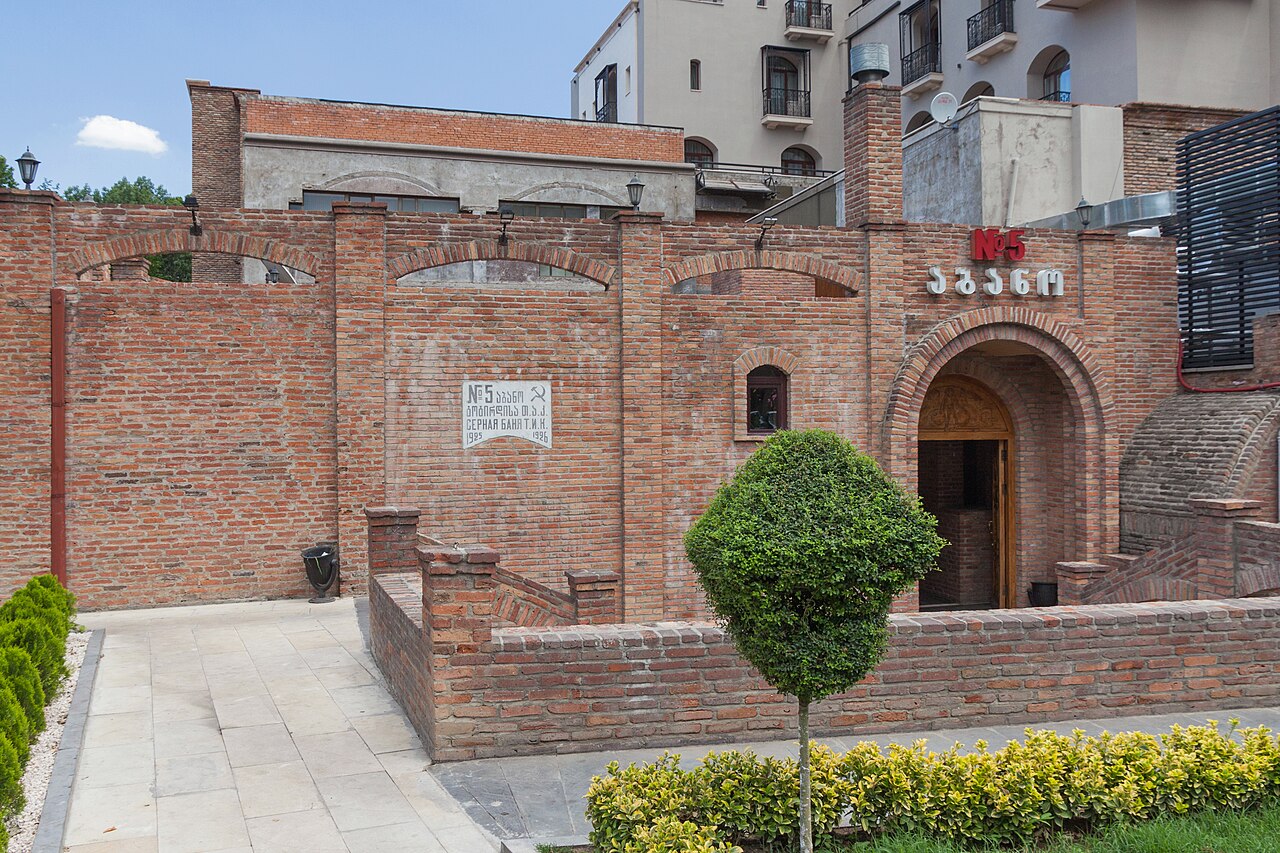
The sulfur baths of Abanotubani are open into the evening, and a late soak in a private room is the perfect way to end a day of walking. Book ahead for weekends, shower first, soak for short stretches and drink water. It is a gentle, restorative finish after a supper or a long day trip.
Pacing your evenings
Georgian food and wine are generous, so alternate big nights with quiet ones. A sensible plan for four evenings might be a supper with a tamada on the first night, a wine and cheese tasting on the second, a dance show or class on the third and a quiet dinner and soak on the last. If you are heading out on a long mountain or wine-country day, keep the night before light, and if you have a late night planned, keep the next morning free.
Getting around at night
Ride-hailing apps are cheap, quick and reliable, and they remove the guesswork of finding a taxi in the old town. The lanes are steep and cobbled, so wear shoes with grip, and carry a small amount of cash in lari for cellars and bakeries. Tbilisi is a relaxed city at night, but the usual precautions apply: keep an eye on your belongings in crowded rooms and let someone know where you are heading.
Where to sleep
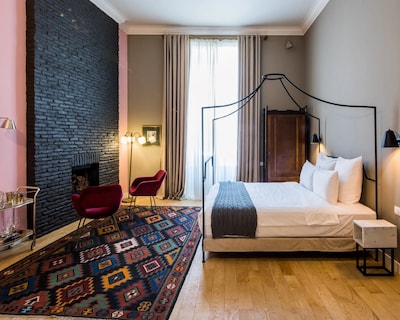
For evenings in the old town, stay close to the lanes so that the walk home is short. Hotels in Sololaki and the old town put you at the doorstep of the wine bars, while Rustaveli Avenue is better for theatres and the opera. Light sleepers should ask for an upper floor or a room facing a courtyard, because the old town is lively on weekends.