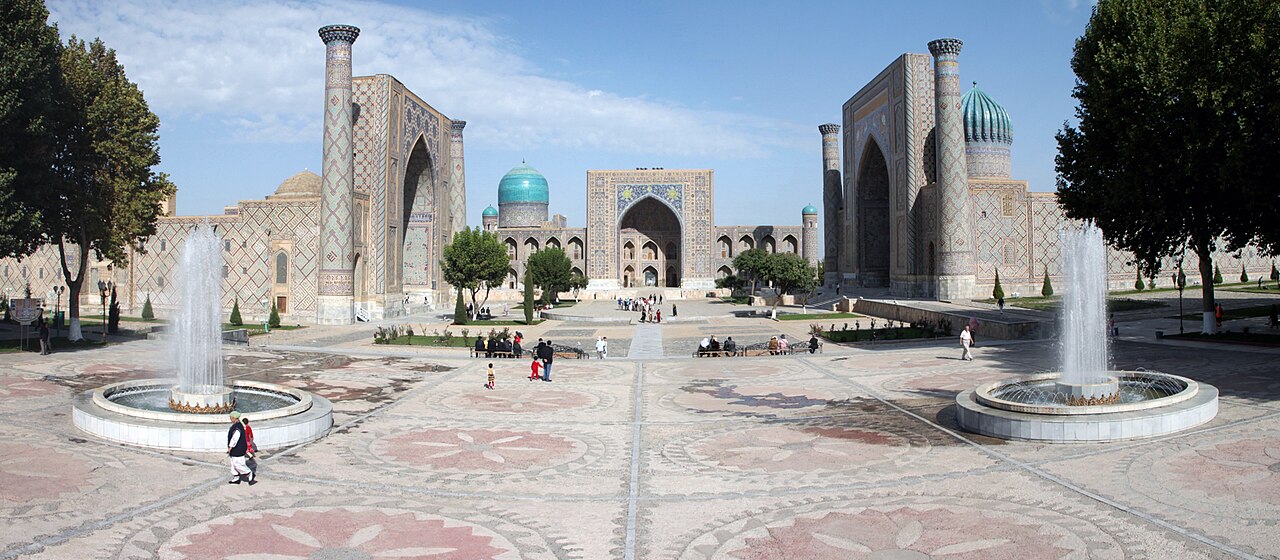
Uzbekistan has a continental climate, with hot summers, cold winters and two short, glorious shoulder seasons. The Silk Road cities are mostly outdoors, with courtyards, minarets and stone lanes, so the weather shapes your trip more than in many places. Here is how the year works and what to plan for each season.
Spring: March to May
Spring is a favourite season. Temperatures are mild, the countryside is green and fruit trees blossom. The festival of Navruz, the spring new year, falls around the equinox in March and brings celebrations, special food and a festive mood. April and May are ideal for sightseeing, with warm days and cool evenings. Showers are possible, particularly early in the season, so bring a light waterproof layer. Hotels fill in April and May, so book ahead, along with the Afrosiyob train.
Summer: June to August
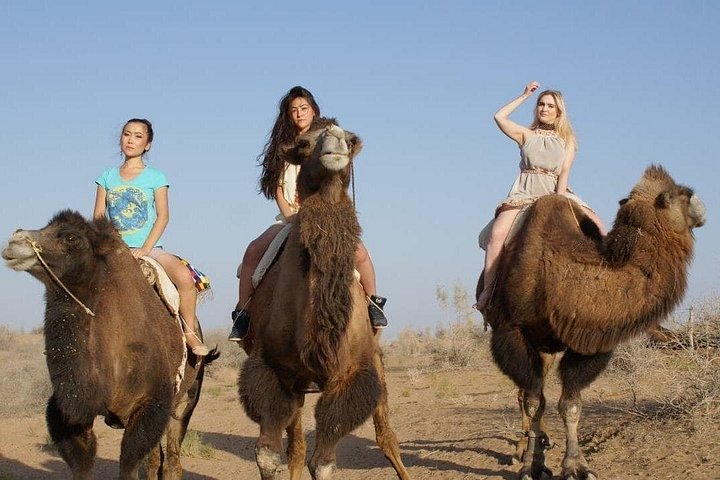
Summers are hot and dry, and July and August can be very hot indeed, especially in Bukhara and the desert. Sightseeing in the middle of the day is punishing, with little shade in the big courtyards. If you travel in summer, start early, rest from late morning to late afternoon, and return for the golden hour. A hotel with a pool is a real advantage, as are indoor activities such as a cooking class or a bread-baking visit. Carry water, a hat and sun protection, wear light cotton that covers shoulders and knees, and drink plenty. Registan and other sights keep longer summer hours, which suits a late visit.
Autumn: September to November
Autumn is the other excellent season. September and October are warm and settled, the fruit harvest is at its peak and melons, grapes and pomegranates fill the bazaars. Light is soft and crowds are moderate, making it a favourite of photographers. By November the weather turns cooler, with crisp mornings, and some sights shorten their hours. Pack a warm layer for evenings, since desert nights cool quickly. Autumn is a good time for the Aydarkul yurt camp, though evenings are chilly by the lake in the later months.
Winter: December to February
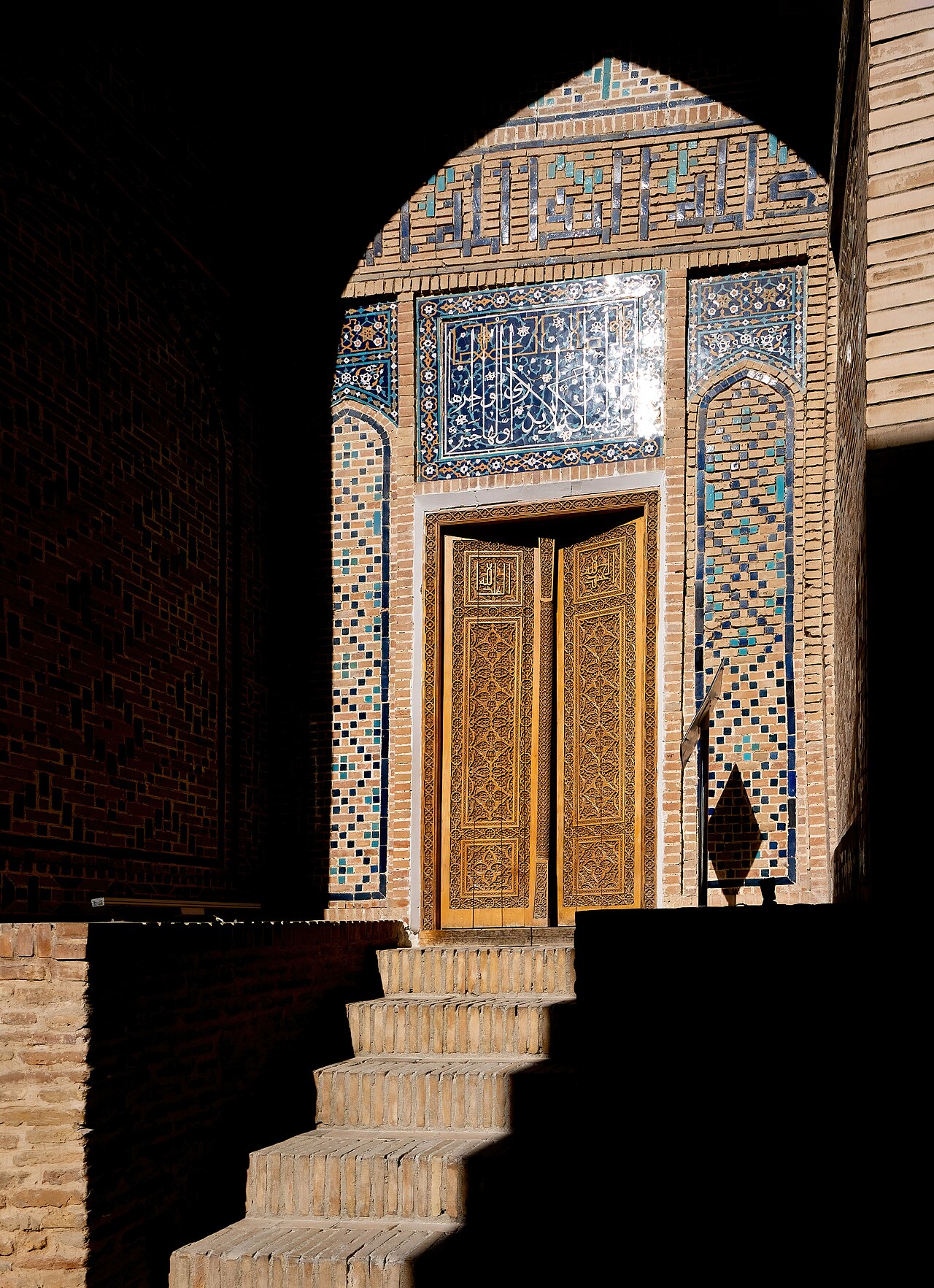
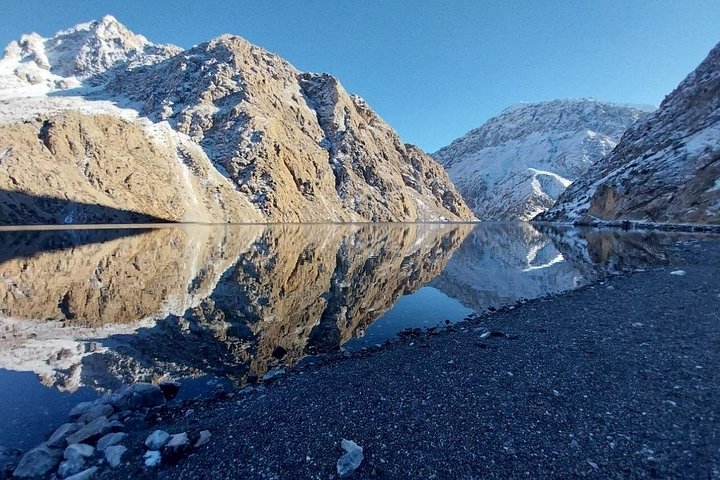
Winter is cold, and snow is possible in Samarkand and the mountains, while Bukhara and the desert can be bitterly cold at night. The tourist crowds vanish, prices drop and the tilework looks wonderful against a clear blue sky or a dusting of snow. Many sights keep shorter winter hours, so check opening times, and some mountain roads, including the route to the Seven Lakes, may be closed or difficult. Pack a proper coat, gloves and hat. A winter visit suits travellers who value quiet and do not mind the cold, and the Afrosiyob train is warm and comfortable.
Festivals, fasting and local rhythms
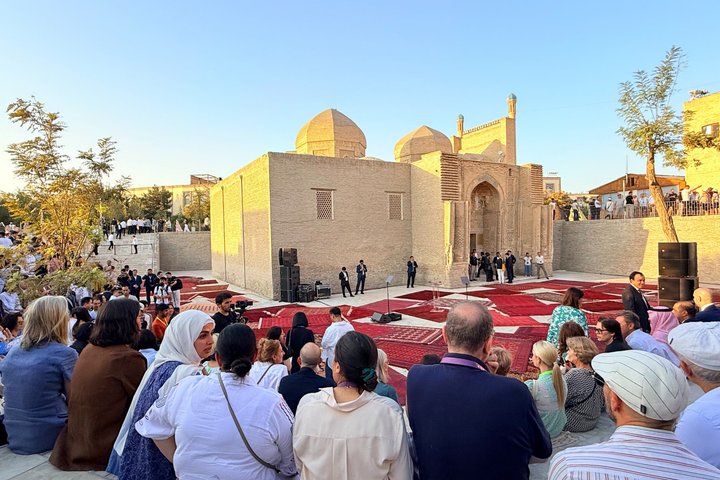
Navruz in March is the great public holiday, with markets, music and special dishes, and many families travel, so book early if you want to be there. During the fasting month of Ramadan, daytime life is quieter in conservative neighbourhoods and some small eateries open late, though tourist restaurants keep serving, and the evenings have a special atmosphere. The date of Ramadan moves each year, so check the calendar before you plan. Public holidays can close museums and bazaars, and weekly closing days vary by site, so confirm opening times locally rather than assuming. Weather can also change quickly in the shoulder months, with a warm afternoon followed by a cold night, so keep a layer in your daypack.
What to pack and book
In every season, dress modestly at religious sites, with shoulders and knees covered, and bring a scarf if you are a woman visiting shrines. Comfortable shoes are essential for uneven stone. Cash in som is useful in bazaars and teahouses. Book hotels early for April, May, September and October, and trains well ahead for any busy date. In July and August, request air conditioning, and in winter ask about heating.
The verdict
If you can choose, go in April, May, late September or October for comfortable days and the best light. If you must go in summer, plan around the heat and enjoy the long evenings. If you go in winter, trade crowds for cold and enjoy a quieter, more atmospheric Silk Road. Whatever the season, give Samarkand and Bukhara at least two nights each, and keep your evenings free for the Registan and Lyab-i Hauz.