Uzbek cuisine is hearty, generous and shaped by the Silk Road, with Persian, Turkic and Russian influences meeting in the kitchen. You do not need to hunt for hidden restaurants to eat well in Samarkand and Bukhara, but it helps to know the dishes and the habits that go with them. This guide covers what to order, how meals work and how to build food into your sightseeing.
Plov first
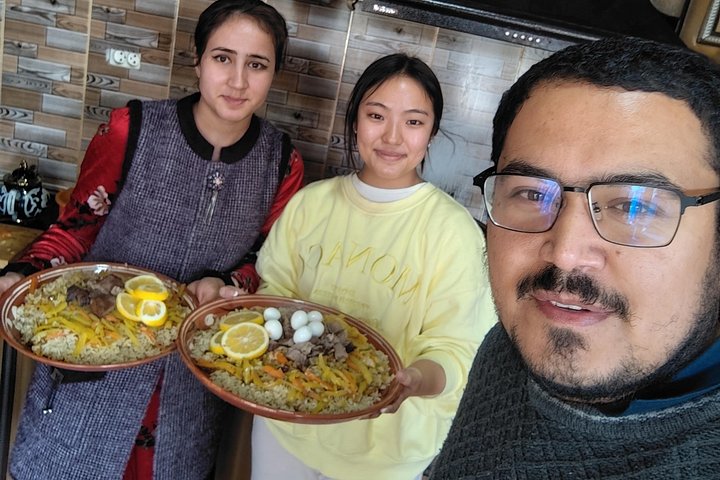
Plov, called osh, is the national dish: rice cooked with lamb or beef, carrots, onions and spices in a big cast-iron kazan. It is eaten at celebrations and as a daily lunch, and many cooks serve it in the middle of the day, when the pot is freshest. Variations exist from city to city, and you will often find it topped with chickpeas, raisins or a boiled egg. In Samarkand and Bukhara, ask where locals eat plov at midday, and try it at least once at a busy place rather than a tourist menu. A cooking class is the best way to understand it, and it is a pleasant half-day.
Bread and the bazaar
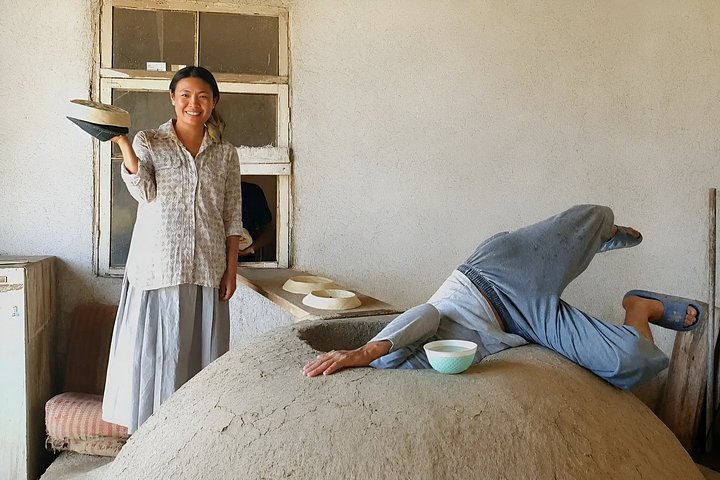
Samarkand bread is famous: thick-edged round loaves stamped with a pattern and baked on the wall of a clay oven. Bread is treated with respect, and it is the first thing placed on a table. Siyob Bazaar in Samarkand is the place to see stacks of it, alongside dried apricots, raisins, walnuts, sweets and spices. Buy a loaf warm, carry it in a bag and eat it with fresh fruit for a picnic. Bukhara has its own bread styles and its own market lanes, and the trading domes sell sweets and nuts alongside crafts.
Samsa, soups and noodles
Samsa are baked pastries, often filled with spiced lamb and onion, and they are a classic snack. Soups such as shurpa, a meaty broth with vegetables, and lagman, a noodle dish served as a soup or stir-fry, are filling and common. Manti, steamed dumplings, appear on many menus. Grilled meat skewers, called shashlik, are a staple of evening menus. Vegetarians have a harder time, but salads of tomato, cucumber and onion, fresh bread, soups without meat on request and dairy dishes help, and it is worth saying so politely at the start of the meal.
Teahouses and drinks
Tea is the heart of hospitality in Uzbekistan. Green tea is served in a pot with small bowls, and you pour a little, return it to the pot and pour again, a habit that mixes the brew. Teahouses, known as chaikhana, are social spaces where you sit on raised platforms or at tables and spend an hour or two. Fresh fruit juices, compote and ayran, a salted yoghurt drink, are common cold drinks. Alcohol is available in tourist restaurants and hotels, and Uzbekistan produces its own wine and beer, but it is not a drinking culture in the way of some countries, so be discreet and respectful in conservative settings.
Sweets and fruit
In season, melons, grapes, pomegranates and apricots are superb, and dried fruit and nuts make easy gifts. Halva and sugar-coated nuts appear in bazaars and are widely sold. Seasonal specials appear around the spring festival of Navruz, when local sweets are shared, so a visit then can be especially rewarding.
Where to eat in each city
In Samarkand, the area around Siyob Bazaar and Bibi-Khanym is good for a casual lunch, with bakeries, samsa sellers and simple restaurants within a few minutes of each other, while the streets near the Registan have more polished dining and rooftop terraces. In Bukhara, the pond at Lyab-i Hauz is surrounded by tea gardens and restaurants, which are at their liveliest after dark, and the lanes behind the trading domes hide quieter courtyard restaurants in old merchant houses. Menus in these areas often have English, and prices are modest by international standards. For the most local experience, look for places crowded at lunchtime and choose what the next table is eating. A hands-on class or a visit to a bakery turns tasting into understanding, and it gives you recipes to try at home.
How to eat well in practice
Lunch is the main meal for many locals, so expect fresh plov and busy places at midday. Dinner can be late and relaxed. Carry some local currency, the som, for bazaars and small teahouses, because cash is still common, though larger restaurants take cards. Use bottled water and eat freshly cooked food if you have a sensitive stomach, and wash or peel fruit. Tipping is appreciated and usually modest. Finally, accept an invitation to share bread and tea when it comes, since that is the point: in Uzbekistan, a meal is a conversation, and the monuments are better after a good lunch.