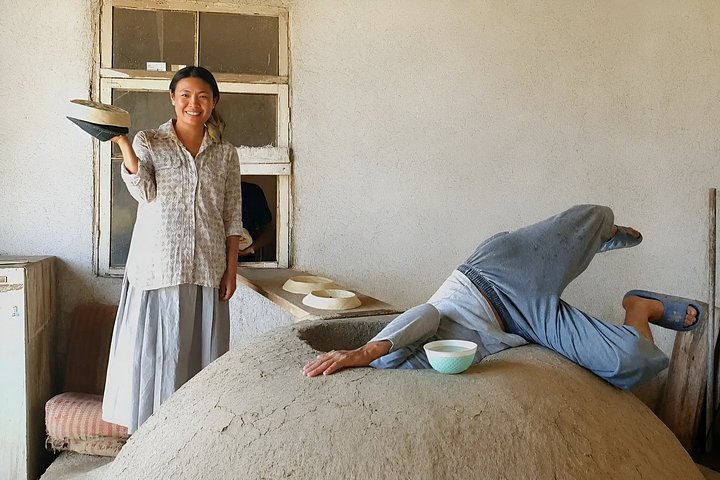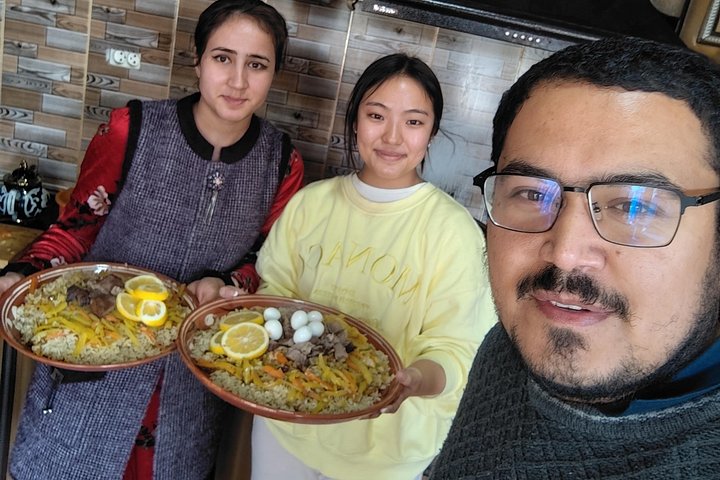
Uzbek food is one of the best reasons to linger in Samarkand, and a cooking class is the easiest way to understand it. In a family-style kitchen you work alongside a local cook to prepare a multi-course meal, typically built around plov, the rice, carrot and meat dish that is the national dish, plus salads, soups and the little baked pastries called samsa. The class is hands-on rather than a demonstration: you chop, stir, shape and taste, and at the end you sit down to eat what you have made. The format suits all levels, because nobody expects you to cook plov like an Uzbek grandmother on the first try, and the host explains the logic of the dish, from the heavy cast-iron kazan to the order in which onions, meat, carrots and rice go in. Many classes can be tailored for vegetarians if you ask in advance, which is worth doing because traditional dishes lean heavily on lamb and beef. The class makes a good counterweight to a day of monuments, giving you time inside a real home, a chance to ask questions about daily life and a skill to take back with you.
Why plov matters
In Uzbekistan plov, called osh, is cooked for weddings, funerals, holidays and ordinary weekends, and every region argues about the right method. In Samarkand the rice is typically cooked in a kazan over a strong flame, and the carrot is cut into thin strips rather than grated. Learning the sequence, and seeing how the cook judges heat and timing by eye and smell, explains why plov in a good home tastes so different from a rushed version.
Expect to learn about zirvak, the fried base of onion, meat and carrot, and about how rice is added last and left to steam under a lid.
Working the visit
Classes usually include a hotel pick-up or a meeting point in town, a short briefing, the cooking itself and then a shared meal with tea. Allow around three to four hours in total. Wear clothes you do not mind getting splashed, bring an appetite and tell the host about dietary needs when you book.
Some classes begin with a trip to a local market for ingredients, which is a pleasant way to see Samarkand life, but that depends on the product, so read the description before you choose. Children who like helping in the kitchen usually enjoy it, and small groups mean questions are easy to ask.
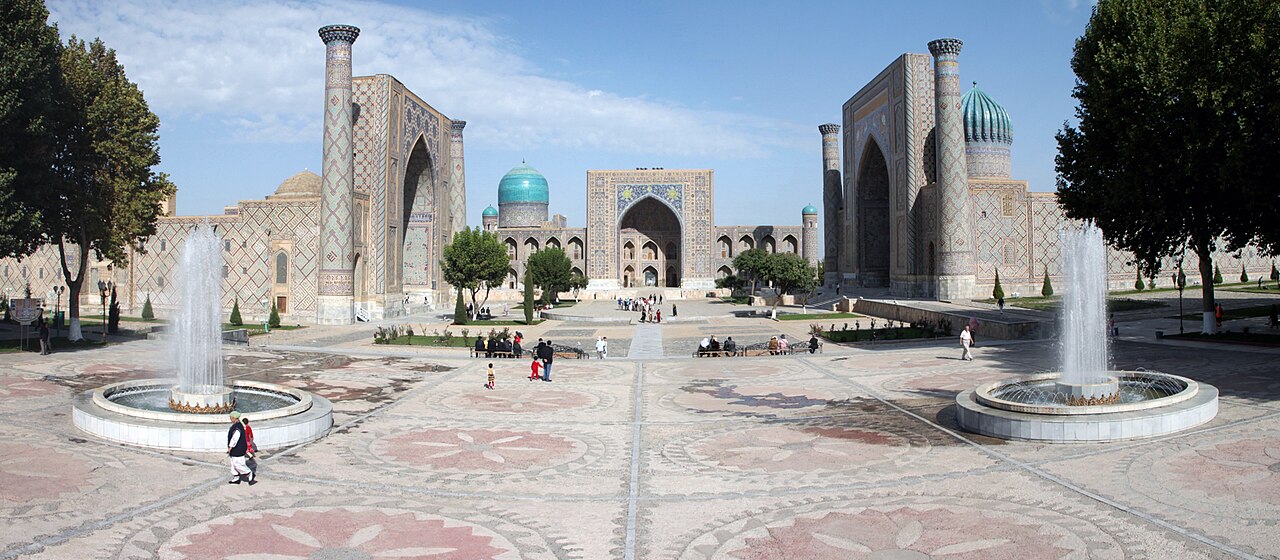
When to go and what to avoid: a cooking class fits well on a day when the monuments are closing up in the afternoon heat, or on an evening when you want something relaxed after a long train ride. It is a smart choice in midsummer, when kitchens are warm but far easier to bear than a stone courtyard at noon.
Avoid booking it for the first morning of a short trip, since the Registan and Gur-e-Amir deserve your best energy. Do not expect restaurant-style service: it is a family kitchen, with simple surroundings and warm, informal hospitality. Tipping is appreciated but not demanded, and a small gift or kind words go a long way.
What to expect
The experience
A hands-on class in a local kitchen where you prepare a full Uzbek meal, then sit down together to eat it.
Best time
Afternoon or evening, when the monuments are hot or closing, and midsummer when you want shade and a break.
How long
Roughly three to four hours including the meal.
Tips
Mention dietary needs in advance, wear clothes that can get messy and arrive hungry.
Quick picks
- Best for
- Food lovers and anyone who wants a human, indoor counterpoint to the monuments.
- Families
- A good fit for children who like to help, with simple tasks like shaping dough and stirring.
- Couples
- Relaxed and sociable, and a skill you can repeat at home.
- Pair with
- Siyob Bazaar in the morning, then the Registan at dusk.
- Time needed
- A relaxed half-day slot.
Good questions
What will I cook in a Samarkand cooking class?+
Most classes centre on plov, with a few side dishes such as salads, soups or baked samsa. The exact menu depends on the product you choose, so check the description.
Can vegetarians join?+
Often yes, but traditional Uzbek cooking is meat-heavy, so tell the host when you book so they can plan a vegetarian version.
Do I need cooking experience?+
No. The class is designed for beginners, and the host guides each step.
How long does it take?+
Plan on three to four hours, including the shared meal at the end.
Is it suitable for children?+
Yes for children who enjoy being involved in the kitchen. Younger children may tire of a long session, so consider the timing.