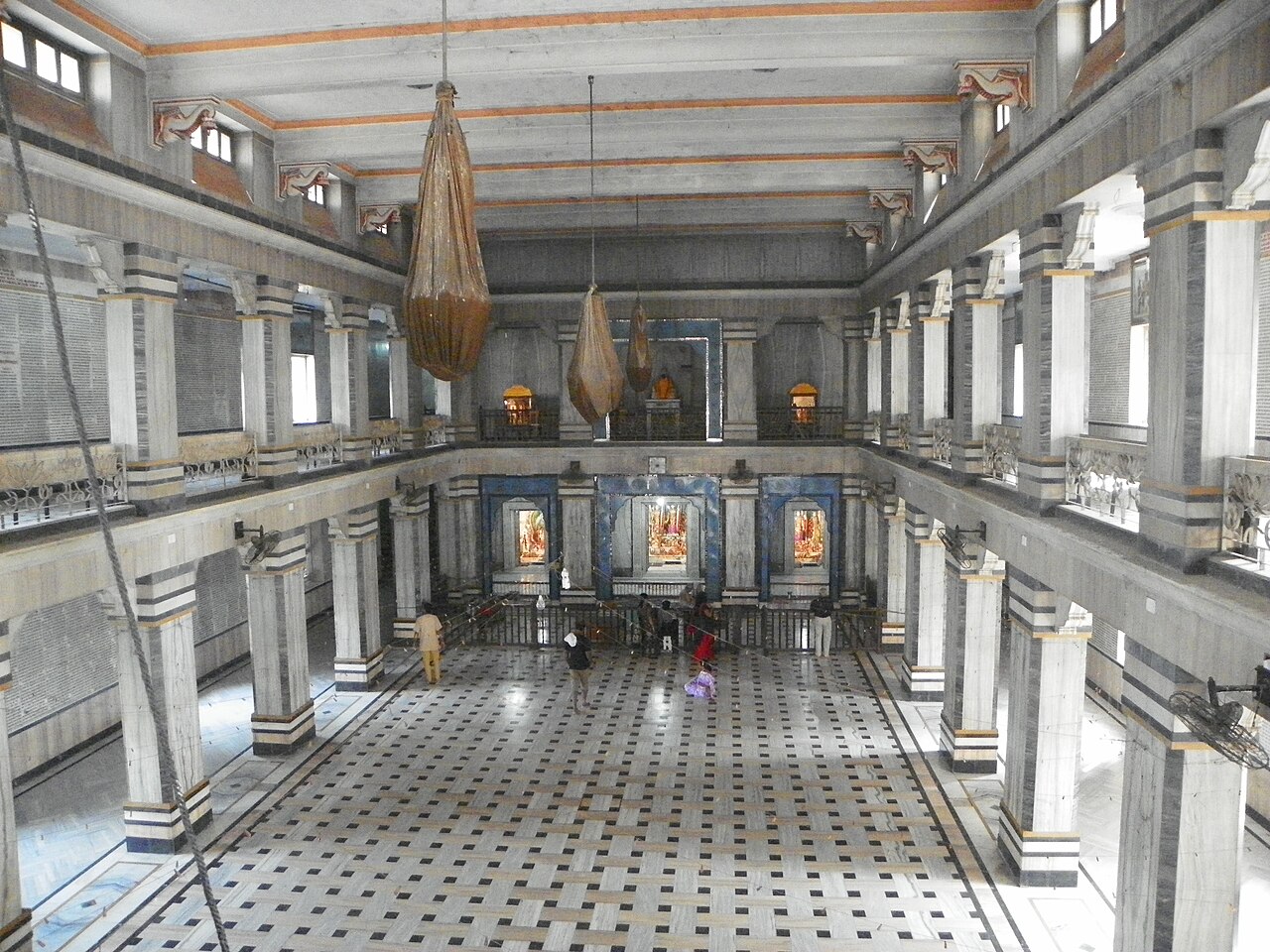
Tulsi Manas Temple is a white marble temple dedicated to Lord Rama, named for the saint-poet Goswami Tulsidas, who according to tradition wrote the Ramcharitmanas close to this site in the sixteenth century. The Incredible India tourism page gives its date as 1964, when it was built by the Thakur Das Sureka family of Howrah in West Bengal and inaugurated by Dr. Sarvepalli Radhakrishnan, later President of India. That makes it modern by the standards of Varanasi, but it has become a landmark of the southern city because of its clean white stone, its shikhara-style tower and its setting in landscaped gardens. The walls are carved with figures of Rama, Sita, Lakshman and Hanuman and are inscribed with verses from the Ramcharitmanas, so that you can read the text of the epic around you. The upper floor shows scenes from the Ramayana and the Mahabharata as statues and tableaux, and a pond in the grounds carries sculptures of figures from the epics. A museum on the premises holds manuscripts and artefacts, and in the monsoon month of Saawan, the tourism page says, a handcrafted puppet exhibition and puppet shows retell the story of Rama. The temple has morning and evening opening periods with a break in the afternoon, and aarti is held at dawn and in the afternoon. Because the walls carry the text itself, the building works almost like a book in stone, and visitors who read Hindi can follow whole passages while others enjoy the carved figures and the clean lines of the marble. The shaded gardens and the pond make it a pleasant place to rest between temples.
Why include it? Because the Ramcharitmanas is one of the most widely loved texts in northern India, and this is the one place in Varanasi where you can stand inside a building that quotes it from floor to ceiling. Even if you do not know the epic, the temple is easy to enjoy. The white marble is cool underfoot, the gardens are tidy, and the carved panels and tableaux are clear enough to follow without a guide. It is a gentle contrast to the crowded lanes and the intense riverfront.
How to do it
Arrive in the morning or late afternoon, within the opening periods, and allow about an hour. Remove your shoes, dress modestly and ask before taking photographs inside, as rules on cameras and phones can vary. Walk the lower sanctum first, then the upper floor and the grounds, and spend a few minutes in the small museum if it is open.
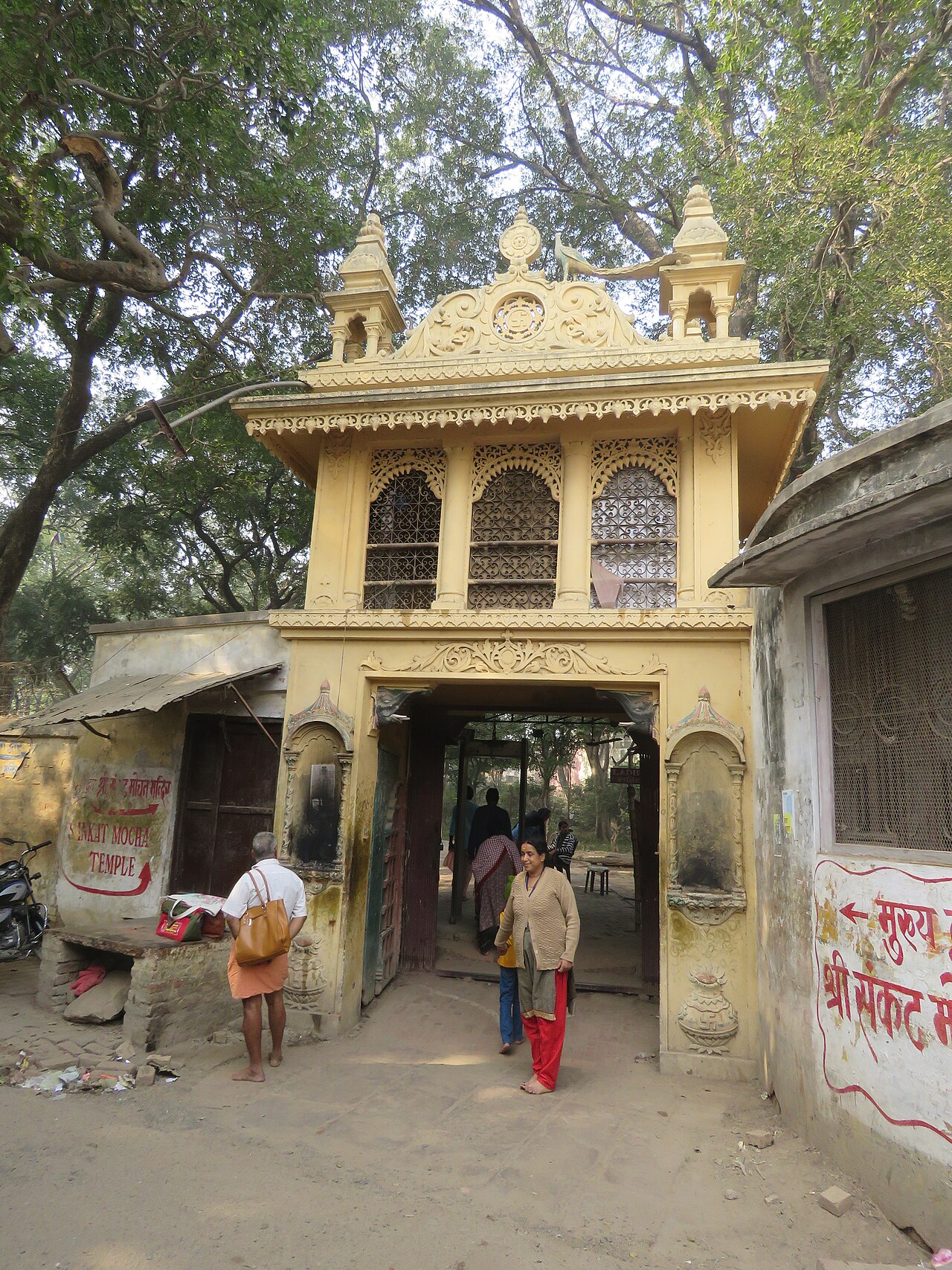
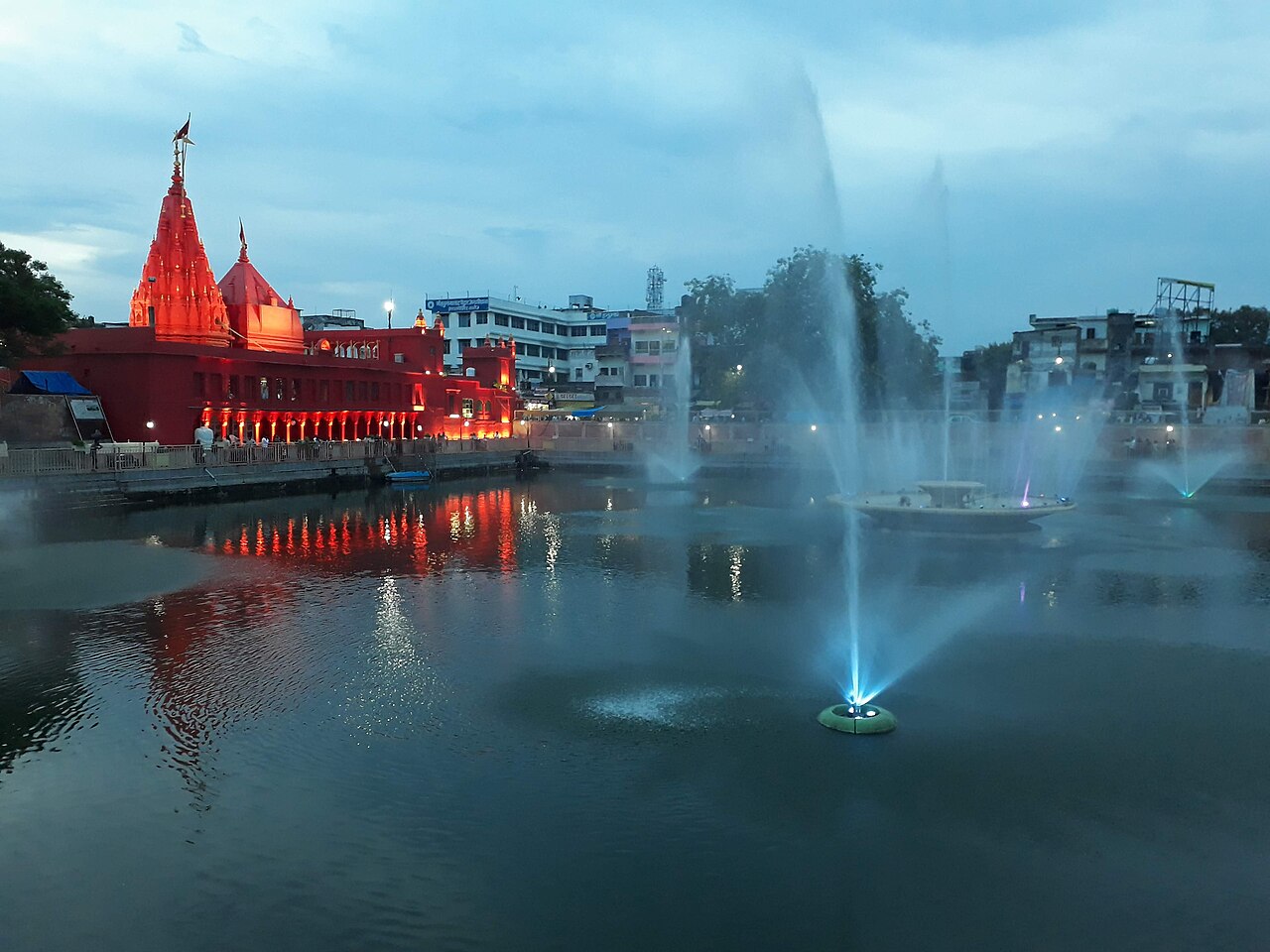
If you are travelling in Saawan, ask about the puppet shows, which are a charming way to see the story told. The temple is a short walk from Durga Temple and a short ride from Sankat Mochan, so it fits neatly into a southern-city morning.
Who it suits
Families, older travellers who want a step-free, tidy, shaded visit, and anyone interested in Hindi literature and the Rama story. History buffs should know that the building itself is twentieth century, and it is best enjoyed as a living devotional site rather than an ancient monument.
The tourism page does not state an entry fee, so confirm on the day and carry small change for offerings and shoe storage. If you only have time for one southern temple, choose this one for comfort and clarity, Sankat Mochan for local devotion, or Durga Temple for atmosphere and colour.
What to expect
The experience
A visit to a white marble Rama temple whose walls are inscribed with the Ramcharitmanas, with gardens, a pond, upper-floor tableaux and a small museum.
Best time
Morning or late afternoon within the opening periods; the aarti times are at dawn and in the afternoon.
How long
About an hour, a little longer if you read the inscriptions.
Tips
Remove shoes, dress modestly, ask before photographing inside and ask about puppet shows if you are visiting in the monsoon month of Saawan.
Quick picks
- Best for
- Families, older travellers and anyone curious about the Ramayana and the poet Tulsidas.
- Families
- Tidy, spacious and easy to follow, with the pond and statues to hold children's attention.
- Couples
- A quiet, shaded stop between the busier ghats and temples.
- Pair with
- Durga Temple a short walk away and Sankat Mochan Temple nearby.
- Time needed
- About an hour.
Good questions
When was Tulsi Manas Temple built?+
The Incredible India tourism page gives 1964, built by the Thakur Das Sureka family and inaugurated by Dr. Sarvepalli Radhakrishnan.
What is carved on the walls?+
Figures of Rama, Sita, Lakshman and Hanuman, plus verses from the Ramcharitmanas that Tulsidas is said to have composed near here.
Is there a museum?+
Yes, a small museum with manuscripts and artefacts is part of the complex.
Are there special events?+
In the monsoon month of Saawan there is a puppet exhibition and puppet shows on the Rama story, according to the tourism page.
Is it close to other sights?+
Yes, it is in the Durgakund area near Durga Temple and a short ride from Sankat Mochan Temple and Assi Ghat.