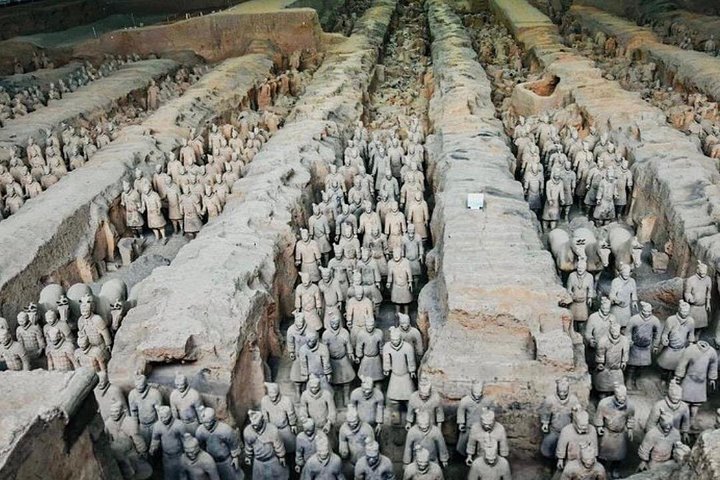
Xi’an is a city of monuments, and it is easy to spend three days looking at things behind ropes and glass. The classes and workshops here offer the opposite experience: you make something, taste something, or learn a skill from a local teacher. They are also a smart way to rest between the Terracotta Army, the City Wall and the museums, because they are mostly seated, mostly indoors and mostly gentle on the legs.
Why do a class at all
A class turns a sight into a story you can tell. After making dough, a plate of dumplings in the Muslim Quarter tastes different. After a lesson in brush and ink, the tablets in the Stele Forest Museum make more sense. After shaping a clay bowl, the Terracotta Army looks like an astonishing feat of organisation. Classes also put you in a room with a local teacher, which is often the most personal contact a short trip allows.
Food classes
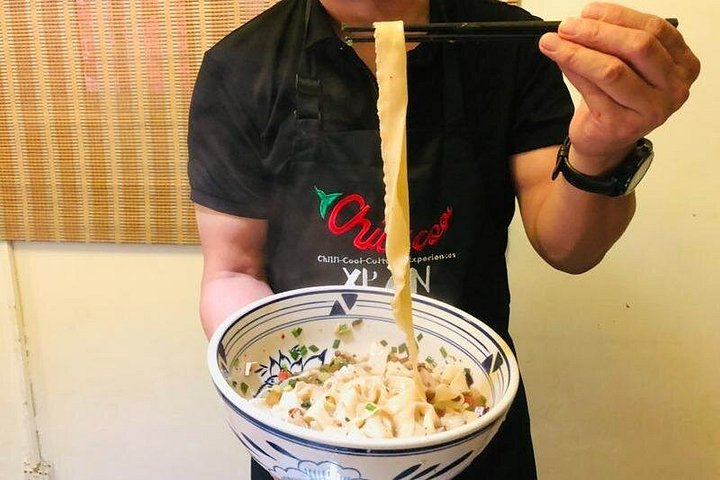
The city has several, and they overlap, so choose by what you most like to eat. The Biang Biang Noodle Cooking Class teaches you to pull the wide, belt-like noodles that are the city’s signature, usually with a visit to a local market. The Dumpling-Making Class starts from flour and water and ends at the table. Both last a morning or an afternoon, and both reward you with a meal. If you can fit only one, pick the noodles for the most local flavour and the dumplings for the easiest technique. Tell the organiser about dietary needs early, because fillings and broths often include pork.
Craft classes
The Pottery Making Class is a two-hour session with a guide and a wheel, and it suits families with older children. The Calligraphy and Tea Ceremony is quieter and more reflective, and fits couples and solo travellers. Neither requires experience. Remember that clay pieces need drying and firing, so ask how finished items are collected, and that ink pieces must dry flat before travel.
Movement and wellbeing
The Tai Chi and Health Regimen Tour is the gentlest option, ideal for a slow morning, for older travellers or for anyone who wants a counterweight to long sightseeing days. It is also a good way to understand the groups you will see exercising in parks at dawn.
Folk art and village days
Outside the city, the Huxian Peasant Painting Tour and the Yuanjia Village Day Trip combine hands-on activities with a day in the countryside. They take longer, usually most of a day, but they give a fuller picture of Shaanxi beyond the capital. The painting tour is especially good if you are interested in art you can buy directly from the maker, and the village trip suits families and photographers.
Planning around the big sights
The best pattern is to pair one class with one big sight each day. A morning at the Terracotta Army followed by a pottery class in the afternoon makes a well-balanced day. A City Wall ride followed by calligraphy in the early evening works equally well. Avoid putting two classes back to back, as the repeated explanations blur together, and do not schedule a class straight after a long mountain day, when you will want to sit down and do nothing.
Practical tips
Book classes a few days ahead in spring and autumn, when groups fill. Confirm the language of instruction, the meeting point and what is included. Carry your passport on days with train travel, and keep your hotel name written in Chinese for taxis. Wear clothes that can take flour, ink or clay, and bring a small bag for keepsakes. Children are welcome at many classes, but check minimum ages. Never feel obliged to buy anything extra; reputable organisers will not push you, and a polite no is always accepted.
A sample plan
On day one, see the Terracotta Army in the morning and have a noodle class in the afternoon. On day two, ride the City Wall and visit the Stele Forest Museum, then try calligraphy and tea. On day three, spend the morning on tai chi and the afternoon at the Shaanxi History Museum, finishing with a show. If you have a fourth day, add the painting tour or the village trip.