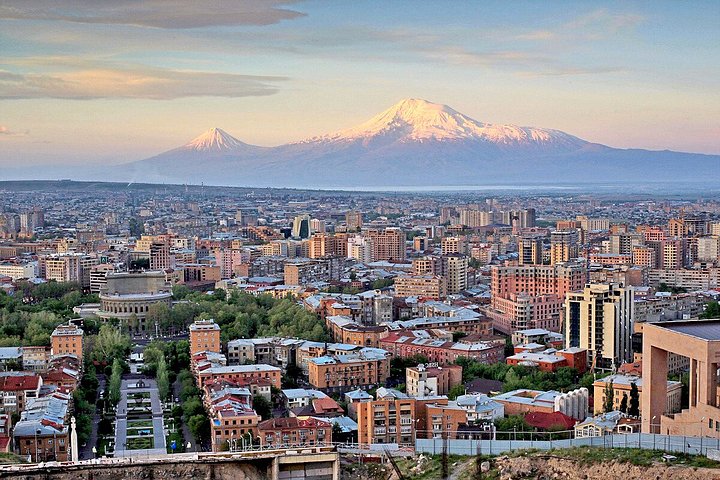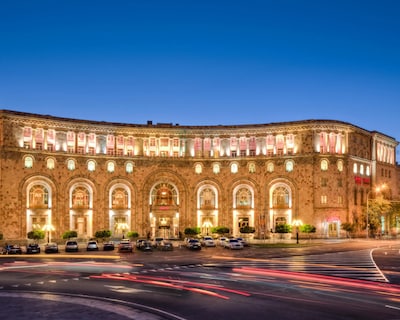
Yerevan wears its history lightly. The wide avenues, pink tuff buildings and sidewalk cafes suggest a modern capital, yet the city traces its origins to 782 BC, when the fortress of Erebuni was founded on a hill to the south. For a traveller who cares about the past, that depth is the main attraction, and the best approach is to build a trip around themes rather than a list of monuments. This guide groups the sights into four threads: ancient and medieval Armenia, the written word, the twentieth-century story and the Christian heritage that sits just outside the city.
Ancient foundations
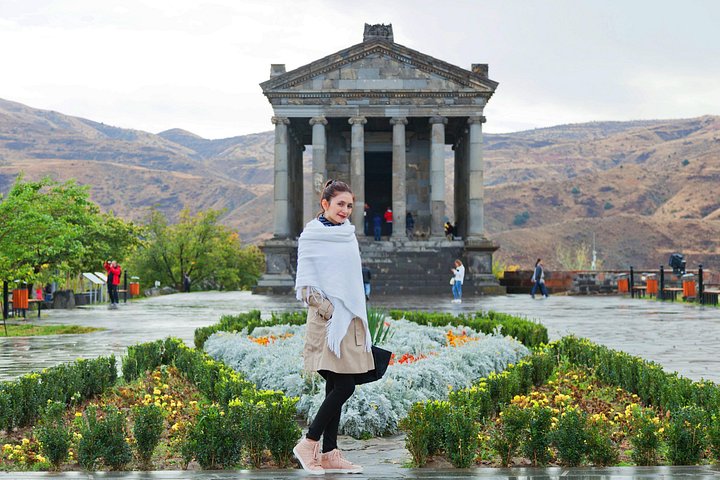
Start at Erebuni, the Urartian fortress that gives the city its name. Its restored walls and small museum show how a bronze-age kingdom organised a frontier, and the private city tour on this site includes it alongside the Matenadaran and the Genocide Memorial. Further out, Garni is a first-century temple in the Greek style, the only standing pagan temple in the country, and the Areni valley holds one of the oldest known wine-making sites in the world. Together they show that Armenia's story begins long before Christianity.
The written word
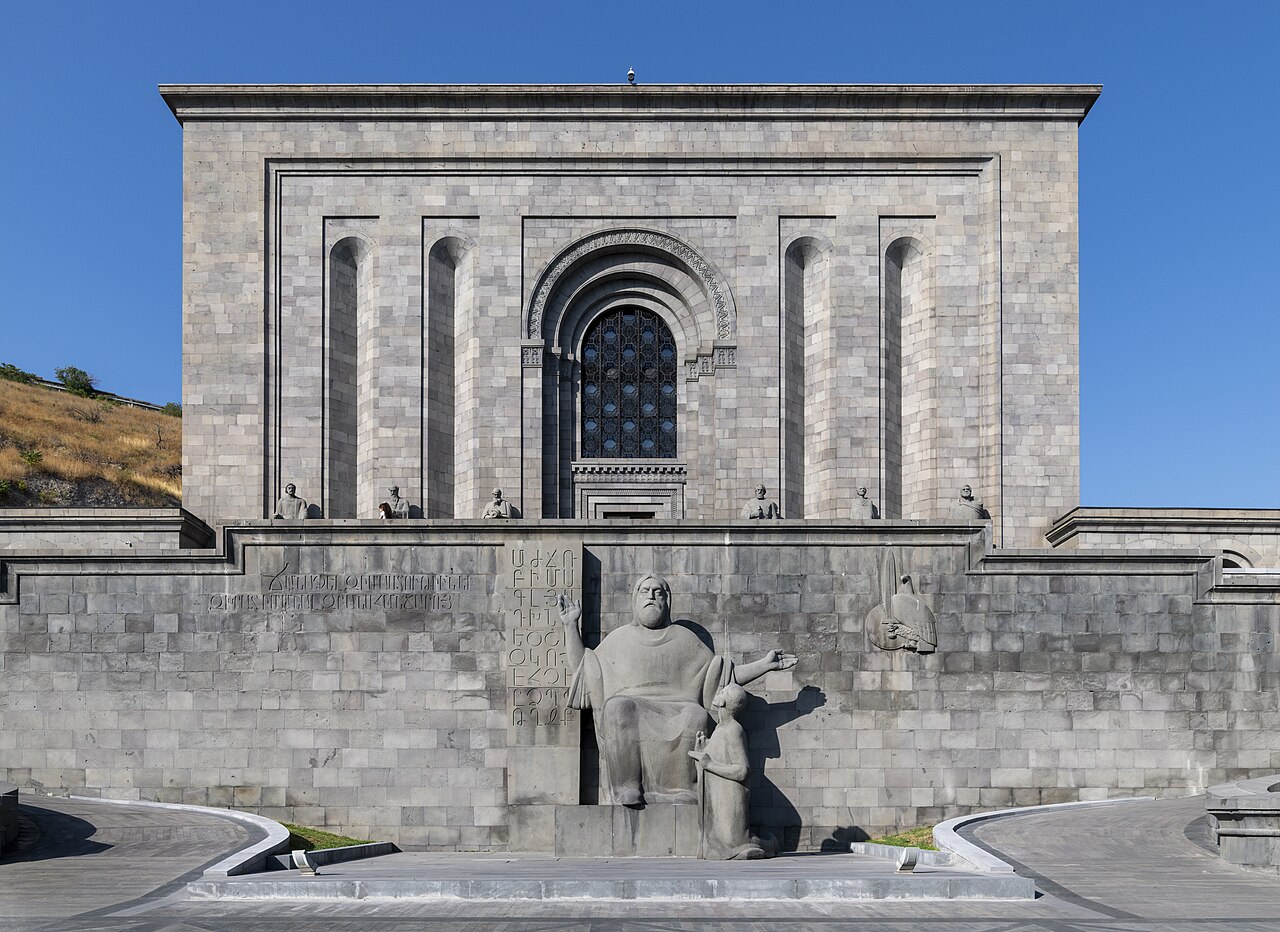
The Matenadaran is the essential stop for anyone interested in how Armenian culture survived. The collection of illuminated manuscripts, maps and scientific texts is housed in a monumental building at the top of Mashtots Avenue, and the displays begin with the Armenian alphabet, created in the early fifth century by Mesrop Mashtots. Plan around the days when it is open, usually Tuesday to Saturday, and reserve an English-speaking guide if you can, because the labels cannot do justice to the stories of copyists, monasteries and rescued books. Allow at least ninety minutes and visit before you go to the monasteries, as the manuscripts explain the churches' art and inscriptions.
The twentieth century
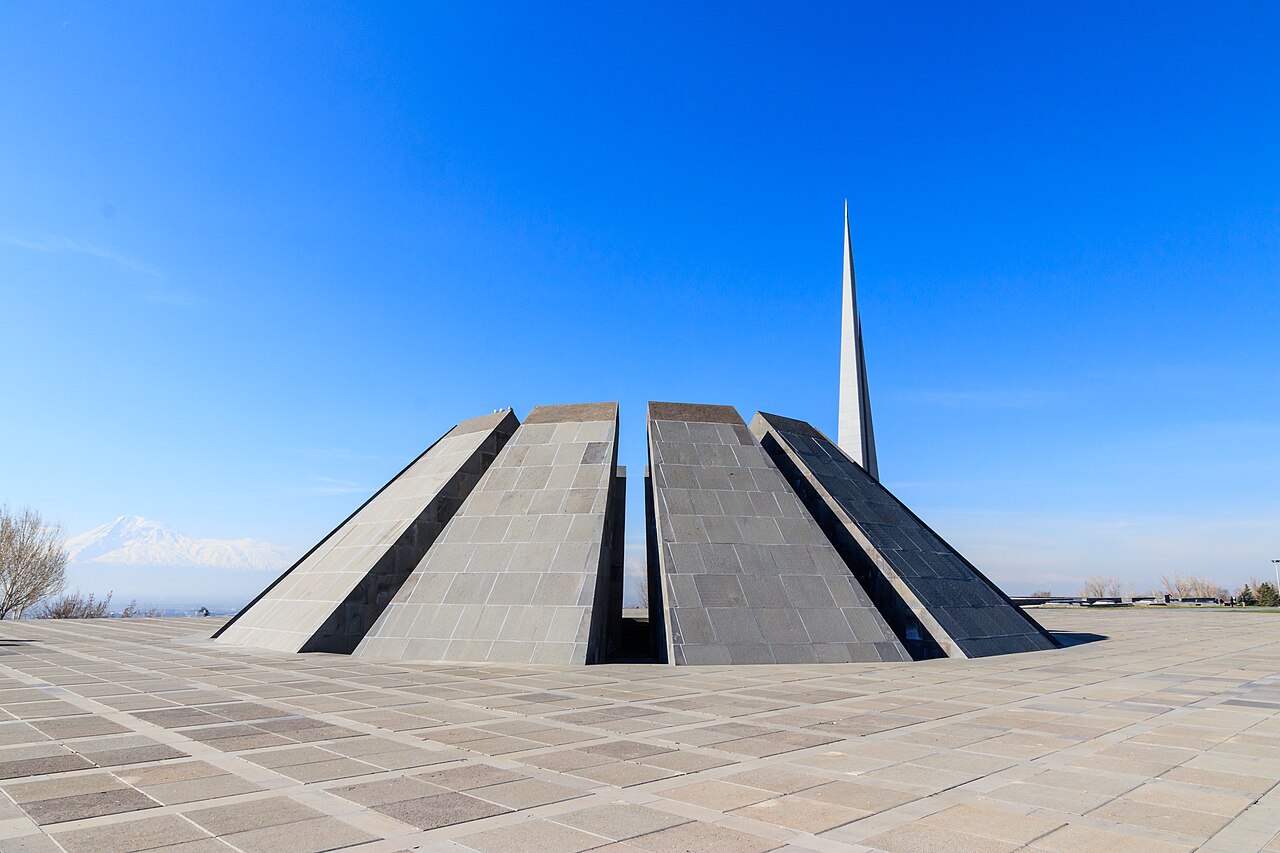
Two sites tell the story of the modern nation. Tsitsernakaberd, the Armenian Genocide Memorial and Museum, stands on a hill above the Hrazdan gorge, with an eternal flame in a circle of basalt slabs and a spire that rises beside it. It is a place for quiet and unhurried time, and the museum below presents the events of 1915 with photographs, documents and testimony. Sardarapat, west of the city, commemorates the battle of May 1918, when Armenian forces halted an advance toward Yerevan and made possible the first republic. A half-day tour with a guide connects the two stories. To understand the Soviet decades that followed, add the Retro Volga tour, which uses the planned centre as a backdrop, or a walk through Republic Square, where the Tamanyan master plan is easiest to read.
Christian heritage
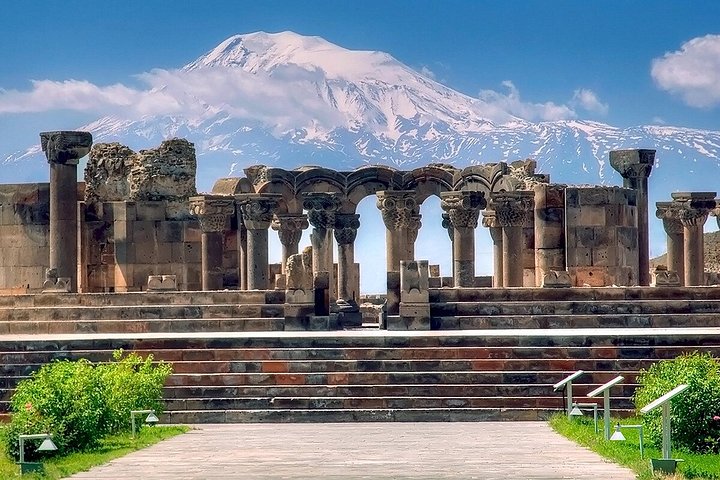
Armenia adopted Christianity as a state religion in the early fourth century, and the evidence is within easy reach. Echmiadzin, the seat of the Armenian church, and the ruined cathedral of Zvartnots form a classic half-day trip. Khor Virap, with its view of Mount Ararat, marks the place where Saint Gregory the Illuminator was held before he converted the king. Geghard, cut partly into the rock, and Noravank, set in a red-cliff canyon, add art and atmosphere. Dress modestly, keep voices low and carry a scarf if you are travelling in cooler months.
A suggested order
For a three-day history trip, spend day one in the centre with the Cascade, Republic Square and the Matenadaran. On day two, begin at Tsitsernakaberd, continue to Erebuni and finish with a slow evening in the city. Give day three to Echmiadzin and Zvartnots, adding Sardarapat if time allows. With more days, add Garni and Geghard, Khor Virap and Noravank on separate outings. If you prefer to avoid logistics, a private tour with a driver and guide is the easiest way to cover several sites in a day, while small-group departures are good value for the longer excursions.
Practical tips
Museums often close on Mondays, and some have shorter hours in winter, so check before you go and keep Monday for markets, the Cascade and the Vernissage. Photography rules vary, particularly for manuscripts, so ask at the entrance. Wear comfortable shoes for stone steps and uneven courtyards. Because the subject matter at the memorial is heavy, leave time for a coffee afterwards and a gentle walk before the next stop. Finally, read a little before you travel. Even a short introduction to the Armenian alphabet, the 1915 genocide and the 1918 republic makes the sights far more meaningful, and your guides will welcome informed questions.
Where to stay
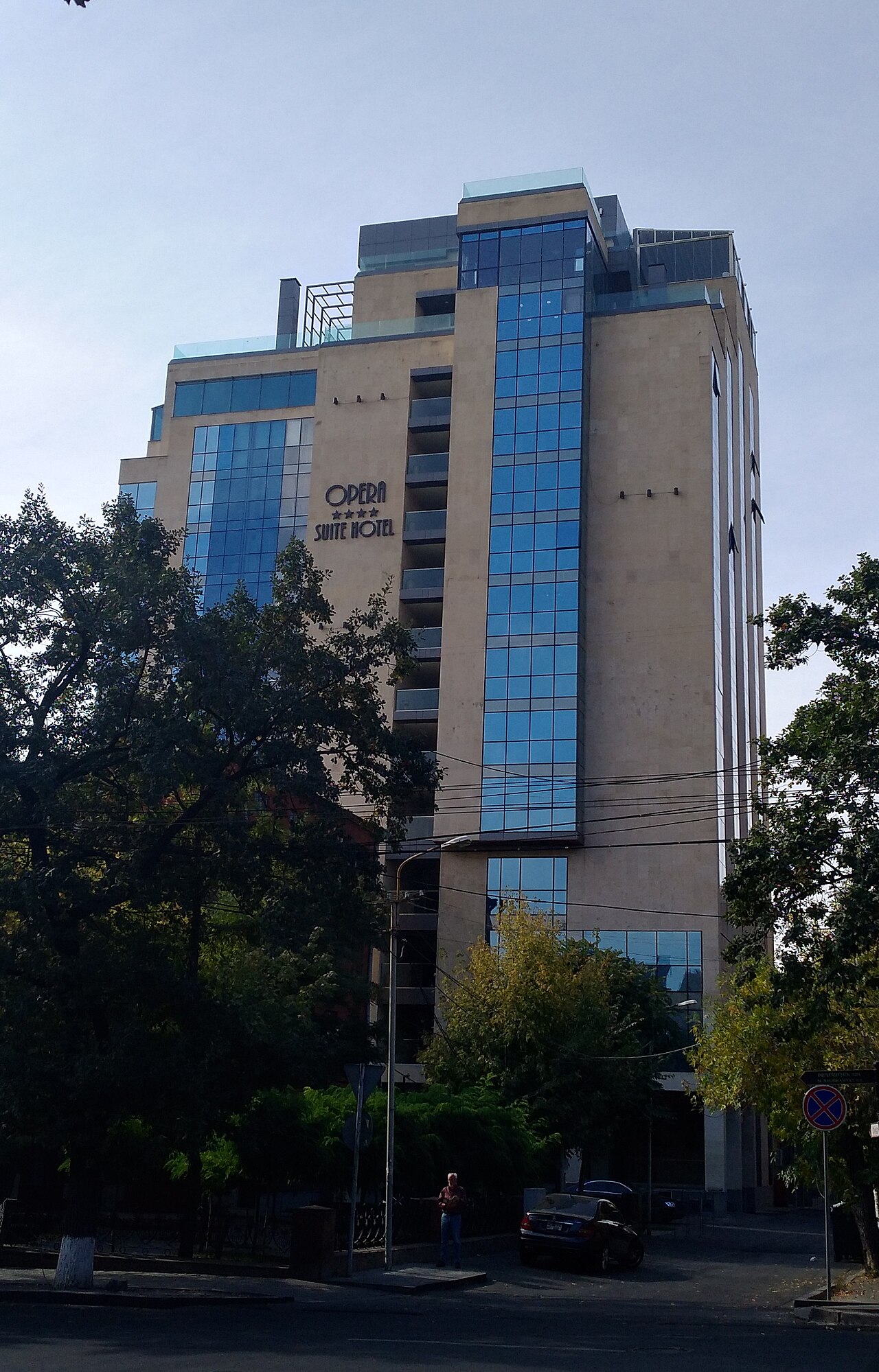
For a history-focused trip, a central base saves time. The area around Republic Square puts the Matenadaran, the museums and the pick-up points for most tours within a short walk or taxi ride, and hotels near the Opera are close to the Cascade. See the guide to where to stay in Yerevan for the main options and how they compare.