Zagreb is a city of small museums, and that is part of its charm. There is no single vast institution that demands a day in a queue. Instead there are dozens of compact, personal collections, many of them in beautiful nineteenth-century buildings, and a good number of them are odd enough to be memorable. This guide groups the best of them by mood, so you can decide how to spend a rainy morning, a winter afternoon or an evening when the Upper Town is cold and dark.
The one everybody mentions
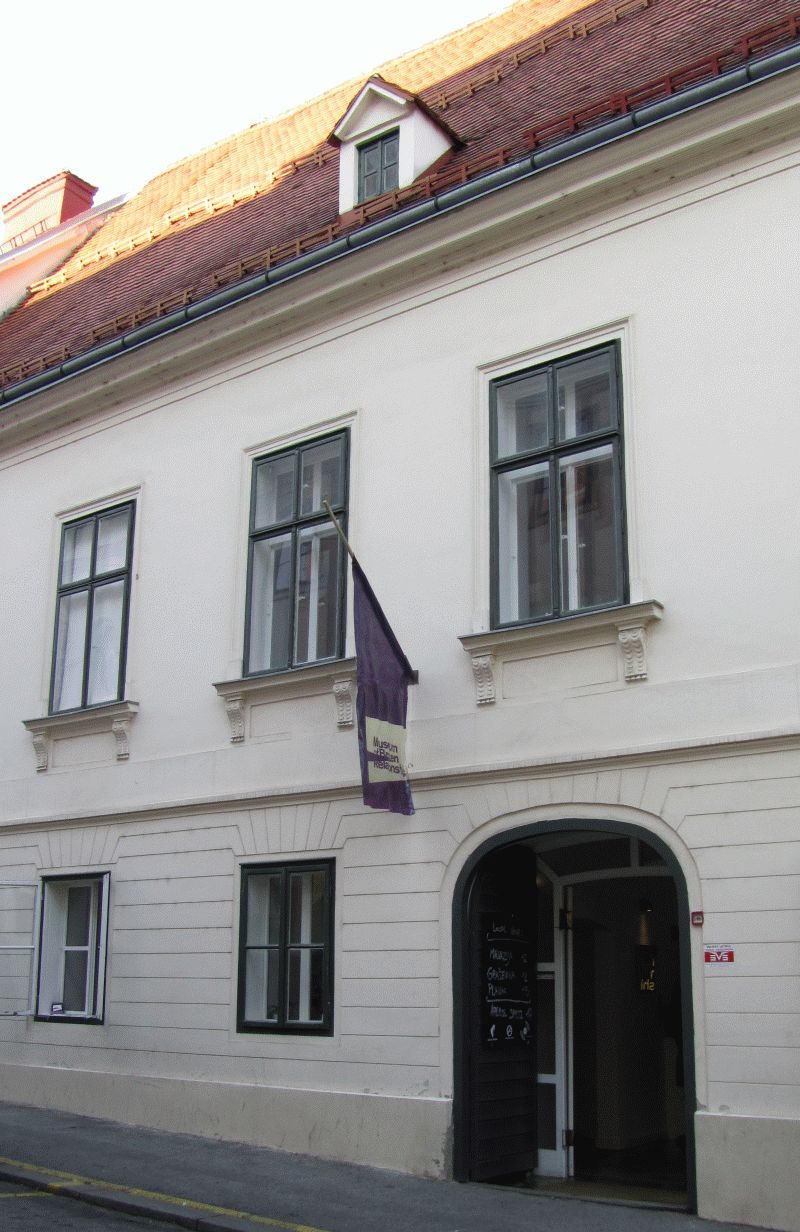
The Museum of Broken Relationships in the Upper Town began as a travelling exhibition of objects left behind by ended love affairs and grew into a permanent collection that has toured the world. Each item is accompanied by a short story from its anonymous donor, in Croatian and English, so you read your way through a patchwork of grief, humour and surprising tenderness. Allow an hour or ninety minutes and visit when the rooms are calm, in the early evening or on a weekday. It pairs naturally with St Mark’s Square and a coffee on the Strossmayer promenade, and a guided walk that includes entry is a good way to see it with context.
The one for engineers and children
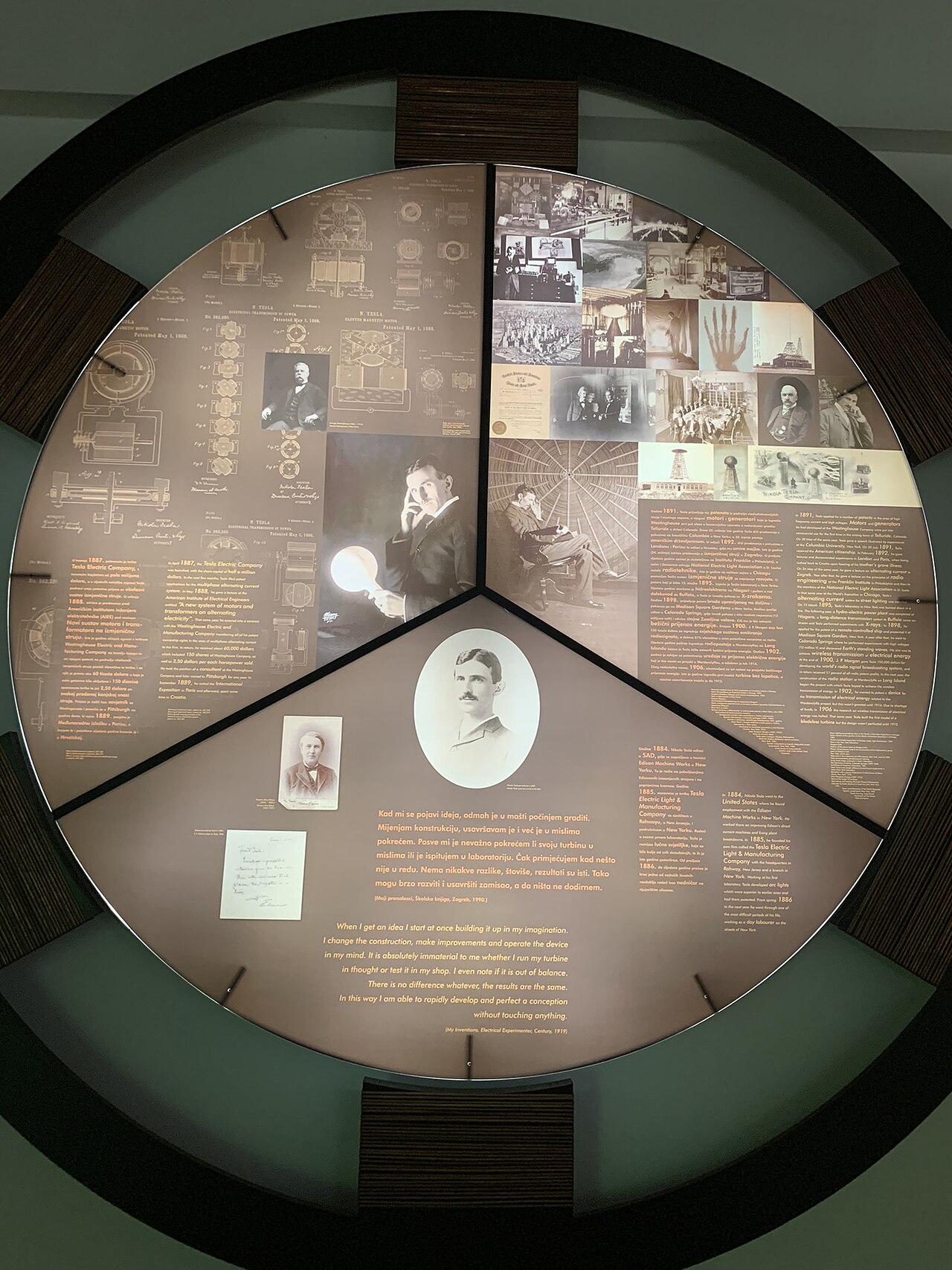
The Technical Museum Nikola Tesla sits a short tram ride from the centre and is the best answer to the question of what to do with a family on a wet day. Its permanent exhibition is full of working machines, a re-created mine tour that goes underground, a planetarium for older children and demonstrations of the electrical experiments associated with Tesla, who was born in a Croatian village and whose name is a point of national pride. Guided tours run at set times, so check the schedule before you go, and note that the planetarium is not recommended for very young children.
The one for the strange and the playful
The Museum of Illusions is a hands-on collection of optical tricks, holograms and tilted rooms, and it is the easiest way to entertain teenagers who are tired of churches. The Zagreb 360 observation deck, on the top floor of a tower on the main square, offers a different kind of amusement: a panorama of the city, with the cathedral spires, the Upper Town and the green hills of Medvednica behind. It is best at dusk, when the light changes and the city begins to glow.
The one under the hill
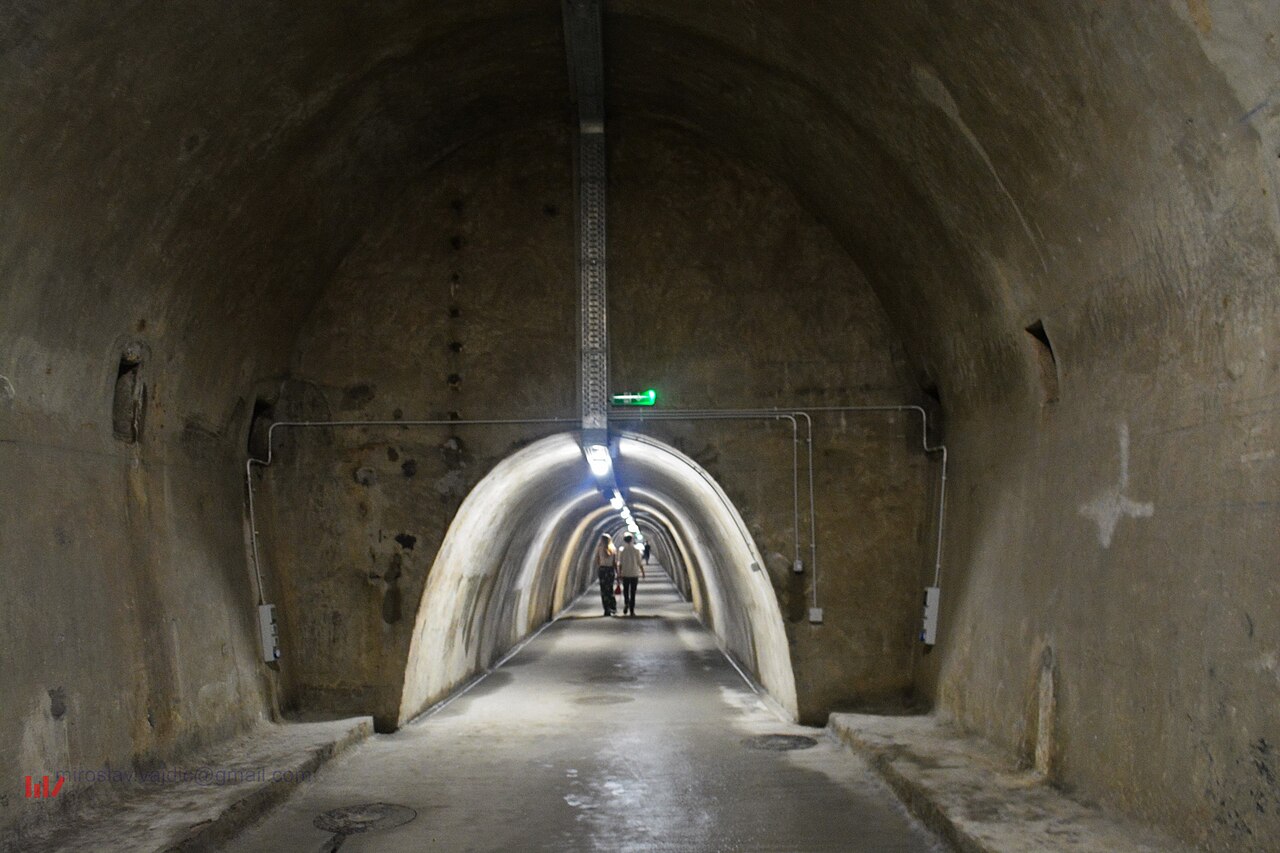
The Grič Tunnel is not a museum, but it belongs in any list of Zagreb’s unusual sights. It began as a wartime air-raid shelter and now serves as a cool, quiet shortcut and occasional exhibition space between the Upper Town and Ilica street. It is free, takes half an hour at most and gives a sober counterpoint to the more playful stops. For more twentieth-century history, the Communism and Homeland War walking tour and the Yugoslav monuments photo tour show how the city and the country remember the decades after the Second World War.
The one for quiet reflection
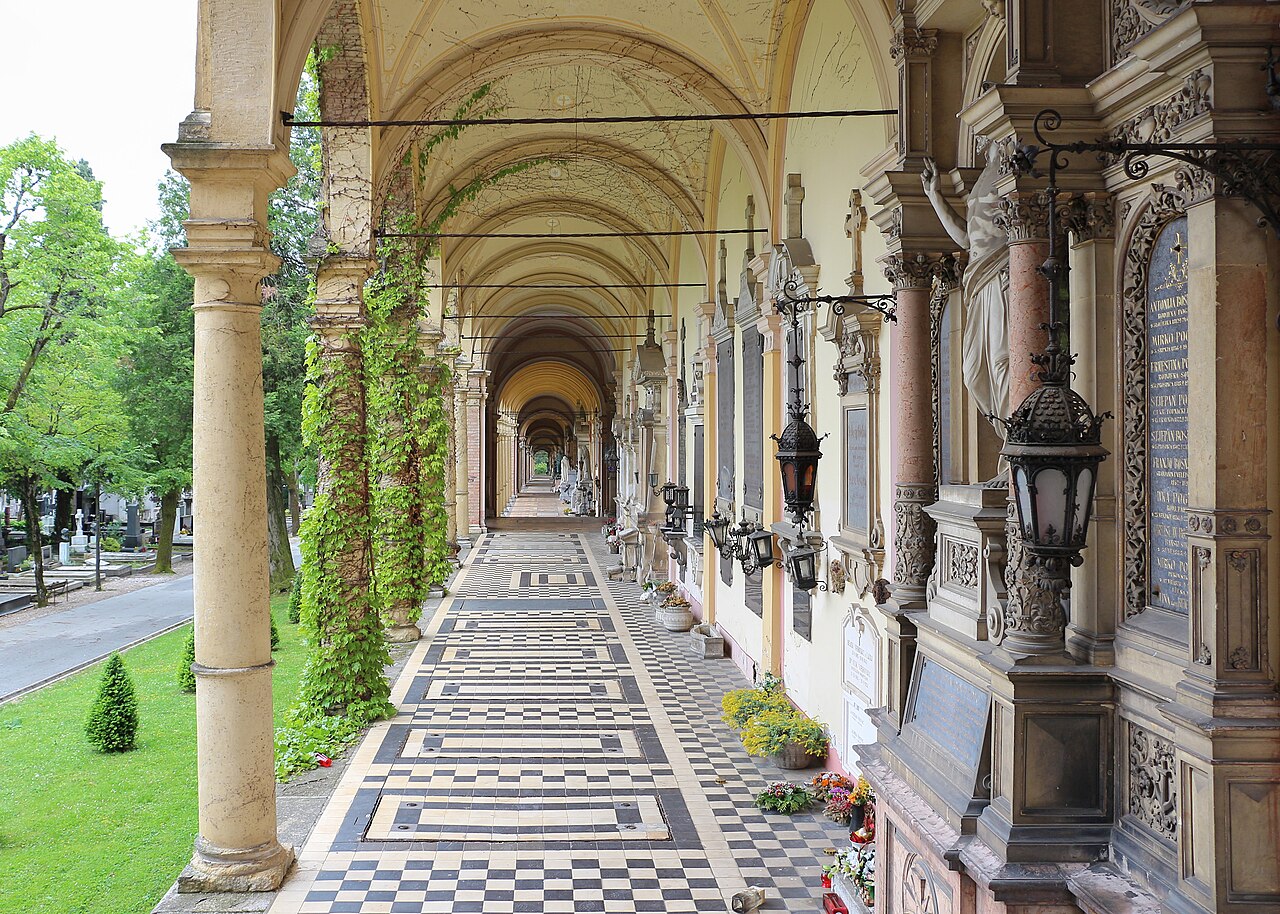
Mirogoj Cemetery is among the most beautiful in Europe, a landscaped garden of arcades, domes and mausoleums that the people of Zagreb treat as a park. It is free, open every day and a good place to learn about the city’s history through its memorials. Visit on a quiet morning, dress modestly and treat it as a place where people come to remember. Zagreb Cathedral and the Upper Town’s churches add a more traditional layer of heritage, and the cathedral’s towers are among the most recognisable landmarks in the city.
How to combine them
The easiest museum day starts in the Upper Town and stays there. Begin with the tunnel or the Stone Gate, ride the funicular, visit the Museum of Broken Relationships when it opens, have lunch at a small restaurant on the hill, then go down to the Lower Town for the Museum of Illusions or the observation deck. A second day can combine the Technical Museum with Maksimir Park or the zoo, so families can swap indoor and outdoor time. If you are travelling in winter, the Advent season adds a late-evening dimension: many sights keep long hours, and you can mix museum visits with the lights and stalls.
Tickets and timing
Most small museums in Zagreb sell tickets at the door, but guided experiences and combined tours are worth booking for busy periods such as Advent and summer weekends. Museums commonly close on Mondays or have shorter hours in winter, so check before you plan around a specific day. Photography rules differ, with some places welcoming it and others restricting it. Cards are widely accepted, though small cash helps for cloakrooms and cafés.
What to skip
If you have only two days, you do not need to see everything. The Museum of Broken Relationships and the Upper Town are the essentials. Add the Tesla museum if you travel with children or enjoy science, the Museum of Illusions if you want something light, and Mirogoj if you prefer calm and beauty. Save the rest for a second visit, and use the rainy hours for cafés, which are a Zagreb institution in their own right.