Zagreb is not a city of tasting menus and celebrity chefs. It is a city of long lunches, serious coffee, market produce and cooking that comes from the hills around it, and the best way to eat here is to follow what locals do. This guide explains the dishes, the rhythms and the places that make the table worth planning around.
Start with štrukli
The dish most closely tied to the Zagreb region is štrukli, a pastry filled with fresh cow’s cheese and cream, either baked until golden or boiled and finished with butter. It comes from the Zagorje hills to the north and appears on menus across the city, as a starter, a side or a meal in itself. If you eat only one local dish, make it this, and try both the baked and the boiled versions if you can. The Palace Hotel’s frescoed café is known for serving it, which makes a neat first stop if you are staying in the Lenuci Horseshoe.
Other dishes worth ordering
The Zagreb-style cutlet, a veal or pork escalope stuffed with ham and cheese and fried in breadcrumbs, is the city’s hearty classic and a good match for a cold day. From the Zagorje tradition come turkey with baked pasta flatbread, bean soups and roasted meats, and across the whole inland region you will find sausages, smoked ham, cured pork and cheeses. Fresh river fish appears on traditional menus too, since this is a continental kitchen rather than a seafood one. For a sweet finish, cream cakes are the rule, and the local rivalry over the best custard cake is serious.
Dolac, the belly of the city
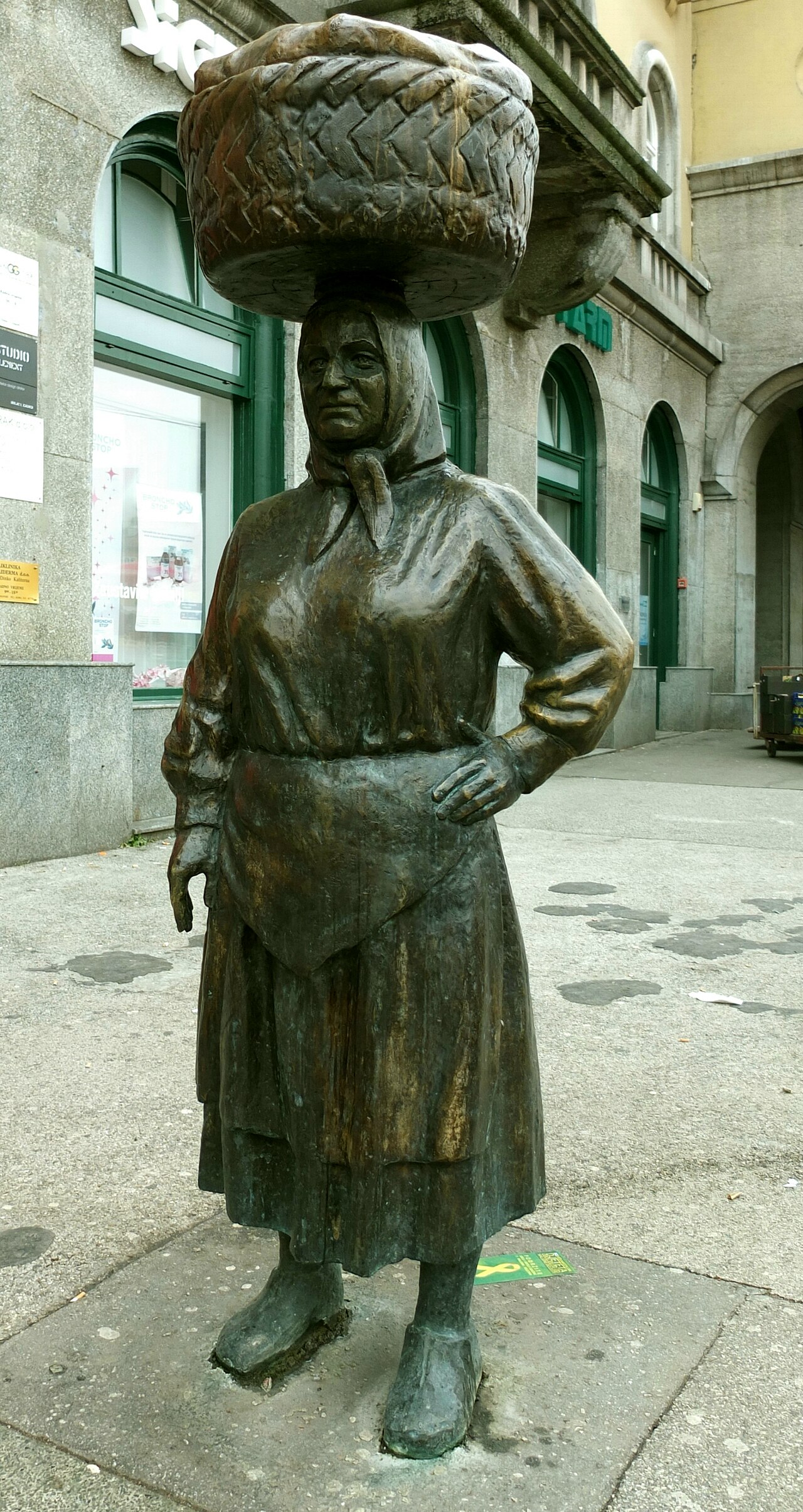
The open-air market above Ban Jelačić Square, with its rows of red umbrellas, is the best single place to understand Zagreb’s food. Farmers from the surrounding countryside sell vegetables, fruit, eggs, honey, cheese and cream, and the covered section below sells meat, dairy and bread. Go in the morning, when the produce is freshest and the atmosphere busiest, since the stalls wind down by the early afternoon. Carry small cash, taste before you buy and ask the cheese sellers about the fresh cheese that goes into štrukli. Entry is free, and it is only a couple of minutes from the cathedral and Tkalčićeva street.
The coffee ritual
Zagreb takes coffee more seriously than almost any other European capital. A coffee is not a quick stop but a reason to sit, and nobody will hurry you. The long-standing ritual is the late-morning Saturday outing, known locally as špica, when people dress up and gather at the café terraces around Bogovićeva street and the squares of the Lower Town to see and be seen. You do not need to dress up, but you should plan to linger. Tkalčićeva street, running along the old stream bed below Kaptol, is the main strip of terraces in the evening, lively and a little touristy but pleasant.
Wine and craft drinks
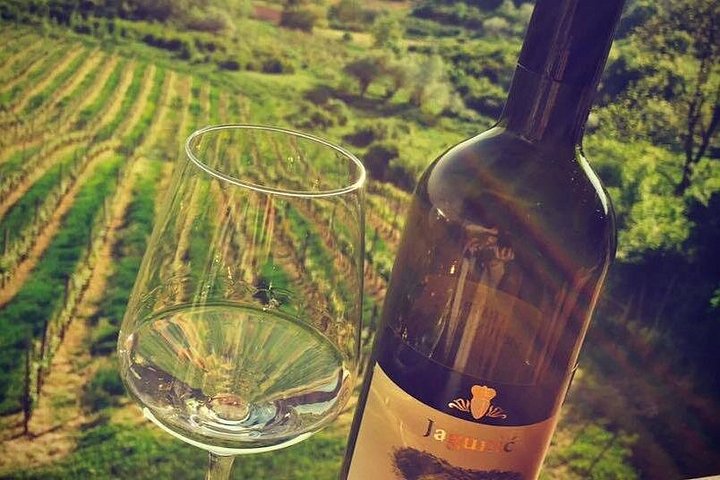
Croatia’s inland wine regions produce fresh whites, aromatic reds and sparkling wines, and the nearest, the hills of Plešivica west of the city, can be visited in a half-day tour that also includes the town of Samobor, famous for its custard cake and for a spiced aperitif wine. In the city, wine bars pour local bottles by the glass, and the craft beer scene has grown steadily, with small breweries and taprooms in the Lower Town. Fruit brandies, known as rakija, are the traditional digestif; ask what is homemade and drink it slowly.
Make it a plan
For a guided introduction, the culinary walk with food and wine tasting is the easiest way to taste several dishes in one evening, and it ends in the heart of the old town. The Samobor and Plešivica trip gives you the countryside version, with a cellar tasting and the cream cake. For a self-guided approach, build a day around the market in the morning, a štrukli lunch, a long coffee at a terrace and a walk up to the Upper Town for the evening view.
Practical tips
Menus often list a set lunch that is excellent value, and weekday lunch is the best time to eat well for less. Restaurants fill up on weekend evenings and in the Advent season, so reserve ahead. Tipping is modest, rounding up the bill or adding a little for good service. Cards are widely accepted, but market stalls and small cafés still like cash. Croatia uses the euro. If you have dietary restrictions, ask early, as many traditional dishes use cheese, cream and pork, though vegetarian options are increasingly easy to find.
Where to stay for food
The area around Ban Jelačić Square puts you a short walk from Dolac, the best coffee terraces and Tkalčićeva street, while the Lenuci Horseshoe offers quieter, elegant surroundings with cafés on the park squares. Either way, you will never be far from a good table.